
- How Pirates Secretly Built Modern Democracy - October 30, 2026
- 17 TV Roles Written as One-Off Guest Spots That Became Fan Favorites - October 30, 2026
- 18 Things Nobody Tells You About Overnight Trains in Europe Until Lights Out - October 30, 2026
You have probably paid a baggage fee at the counter without a second thought, assuming the number on the screen was final, but some of these charges really can shrink or vanish for travelers over 65 who ask the right way.
For several of them the birthday matters less than the situation, and a calm, specific question is what makes an agent check a rule they would otherwise skip.
#15 – The Second Checked Bag Fee on Select Senior Fare Routes
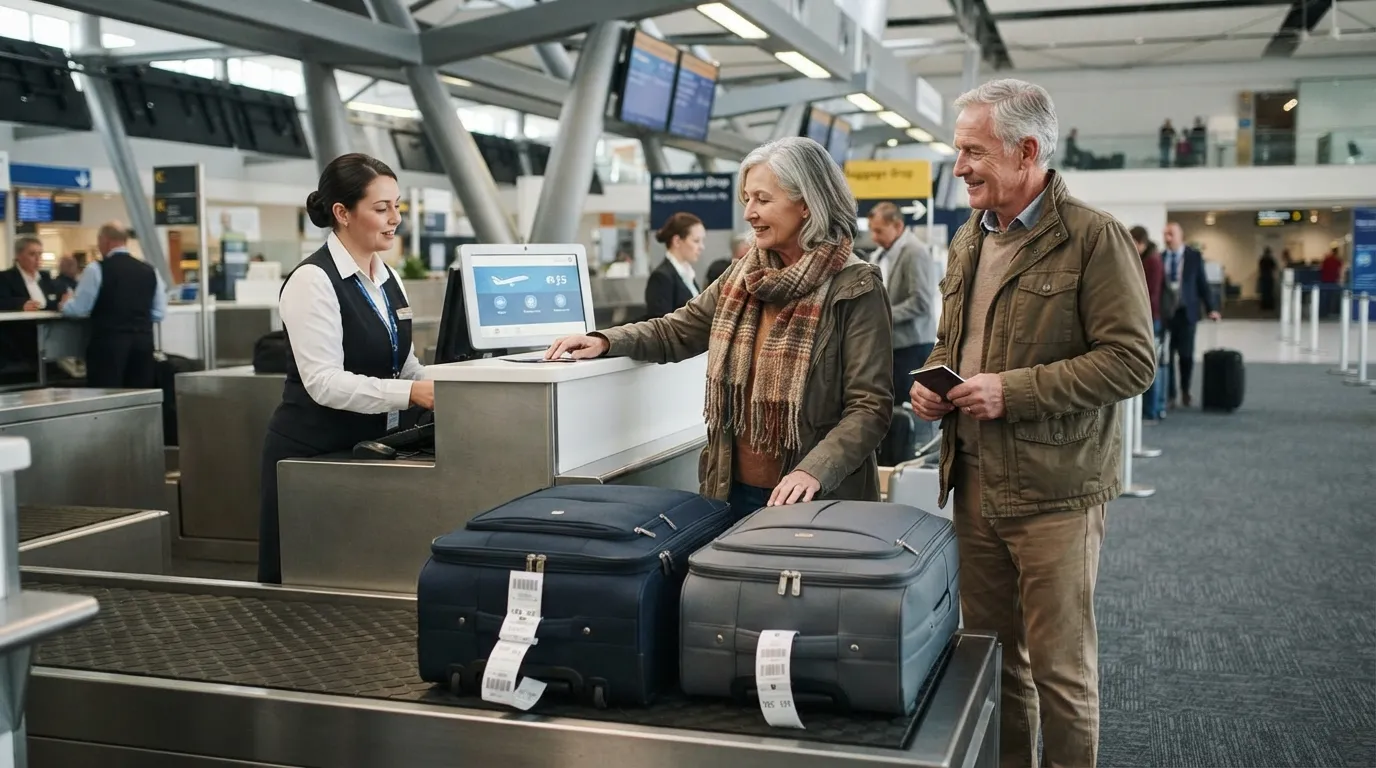
This one hides behind a dropdown menu. A few carriers file senior fares only in limited markets, and some of those fare classes carry baggage perks that standard basic fares lack.
Choose the senior traveler type during booking, or call reservations, and read the baggage rules attached to that exact fare before you pay. Skip that step and you may hand over the standard second-bag charge for nothing.
The catch is that availability depends on the city pair and the date, not on a blanket policy.
The next exemption is one almost nobody thinks to claim…
#14 – Gate-Check Fee for a Folding Walker or Cane
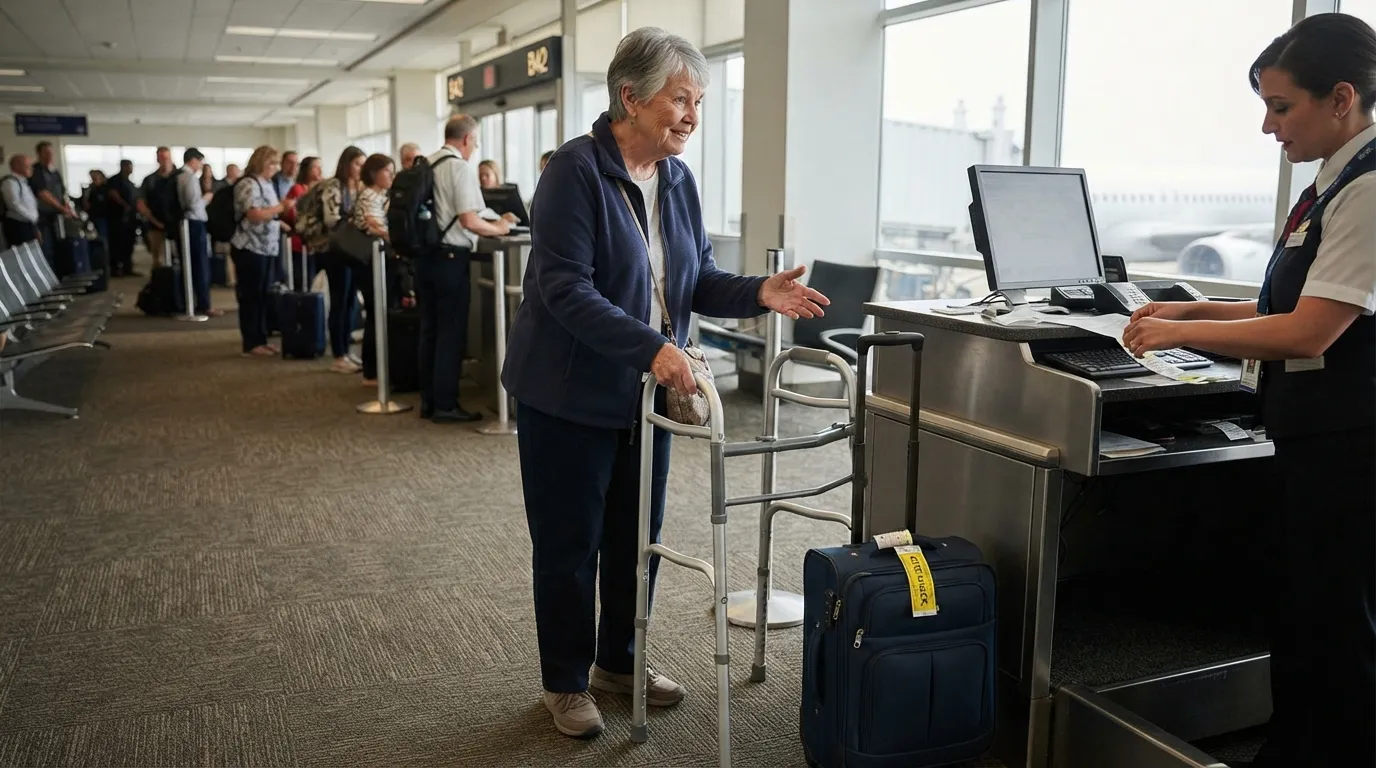
DOT rules treat mobility aids as assistive devices, so they do not count against a passenger’s baggage allowance. A walker or cane should not trigger a gate-check charge.
Still, a busy agent may tag it like ordinary luggage. Say at check-in or the gate that the item is medically necessary, and do it before the tag goes on. Most travelers see the fee dropped without paperwork.
The next item sits in a carry-on, and it is the one people worry about most…
#13 – Excess Weight Charge on a CPAP Machine or Portable Oxygen Concentrator
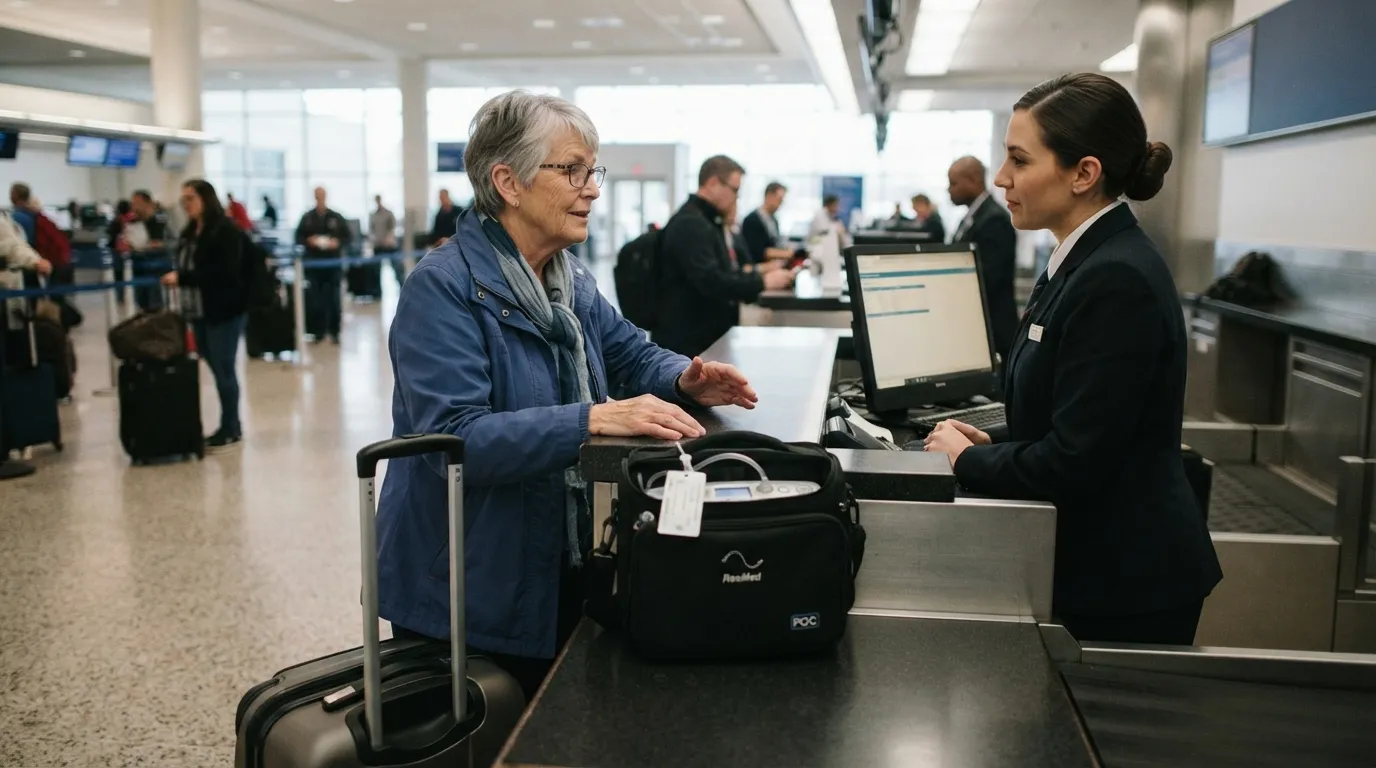
DOT guidance and most carrier policies treat CPAP machines and portable oxygen concentrators as medical equipment, not baggage. That means they should not draw overweight fees or count toward your carry-on limit.
If an agent starts to charge you, say plainly that the device is required for a medical condition and ask them to check the carrier’s medical-device policy. Medication coolers are often handled the same way.
The surprising part is that these items generally do not use up your normal bag allowance at all.
Now for a perk that may already be sitting in your wallet…
#12 – The First Checked Bag Fee You Are Already Exempt From Through Status
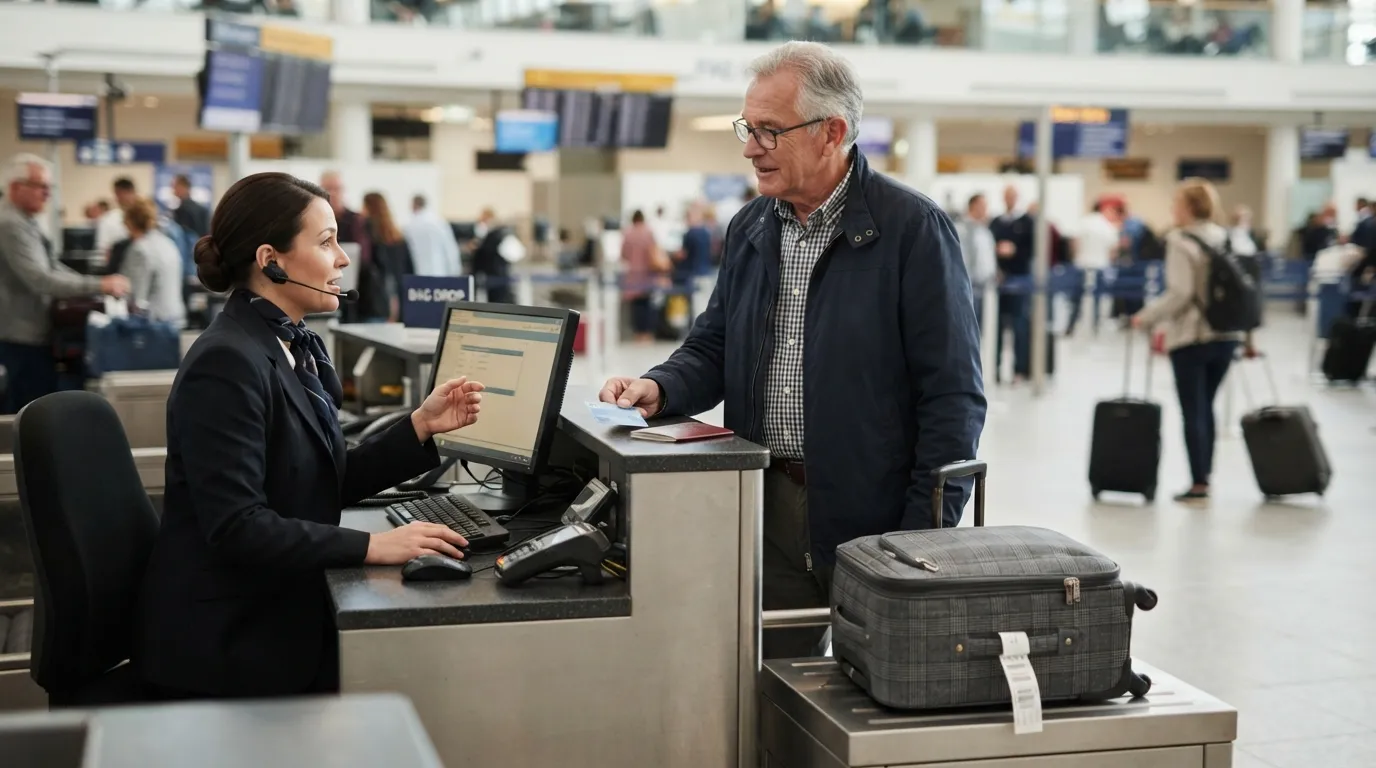
Many frequent-flyer tiers include free checked bags, and the benefit only works if your account number is attached to the reservation. Long-time loyalists sometimes pay at the kiosk because the number was never added.
Before you pay, ask the agent to confirm your frequent-flyer number is on the booking and to re-check your bag allowance. Allowances differ by carrier and tier, so bring your member details.
Quick Compare: Status vs. Airline Card
- Elite status: the perk follows your frequent-flyer account, so the number must be on the booking.
- Airline credit card: the perk follows the card, and companions often need to share your reservation.
- Either way: allowances and covered travelers vary by carrier, so confirm before you pay.
The next trick works even if you are not the one with the card…
#11 – A Spouse’s or Companion’s Bag Fee When You Hold the Airline Card

Several airline credit cards extend a free checked bag to travelers on the same reservation as the cardholder. If you are flying with a spouse, a friend, or a grandchild, that perk may cover them too.
Ask whether your card’s baggage benefit applies to companions, and whether everyone needs to be on the same booking. Rules and the number of covered travelers vary by card and carrier, so confirm before you pay.
The next charge is one that should never touch a wheelchair user…
#10 – Special-Handling or Oversize Fees for a Power Wheelchair or Mobility Scooter
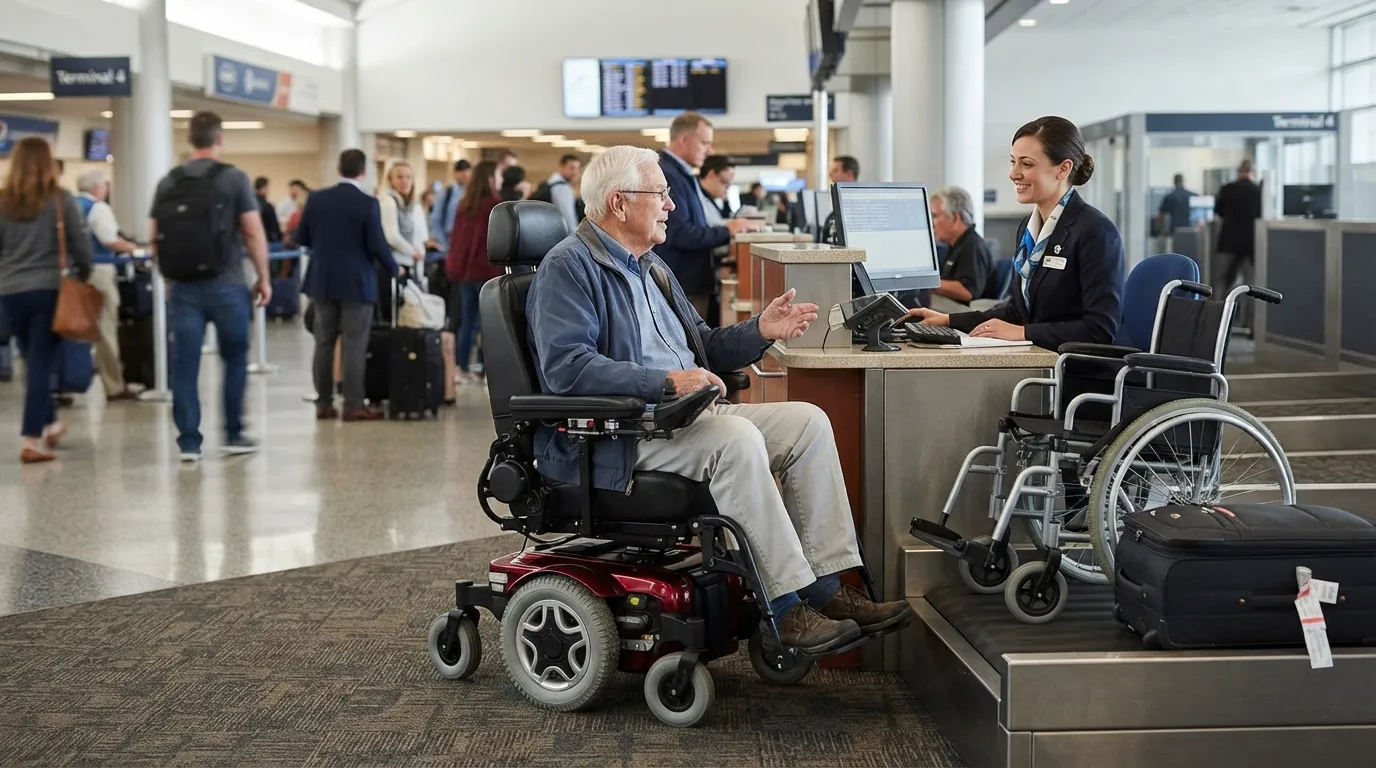
Under U.S. accessibility rules, airlines carry wheelchairs and other mobility devices at no charge, and they should not bill you as oversize baggage. That includes battery-powered chairs and scooters.
If a fee shows up, politely point out that it is an assistive device and ask the agent to remove it. It also helps to call the airline ahead of time to ask about battery and boarding procedures.
The next one is for the grandparents in the line…
#9 – The Stroller or Car Seat Fee When You Travel With Grandkids
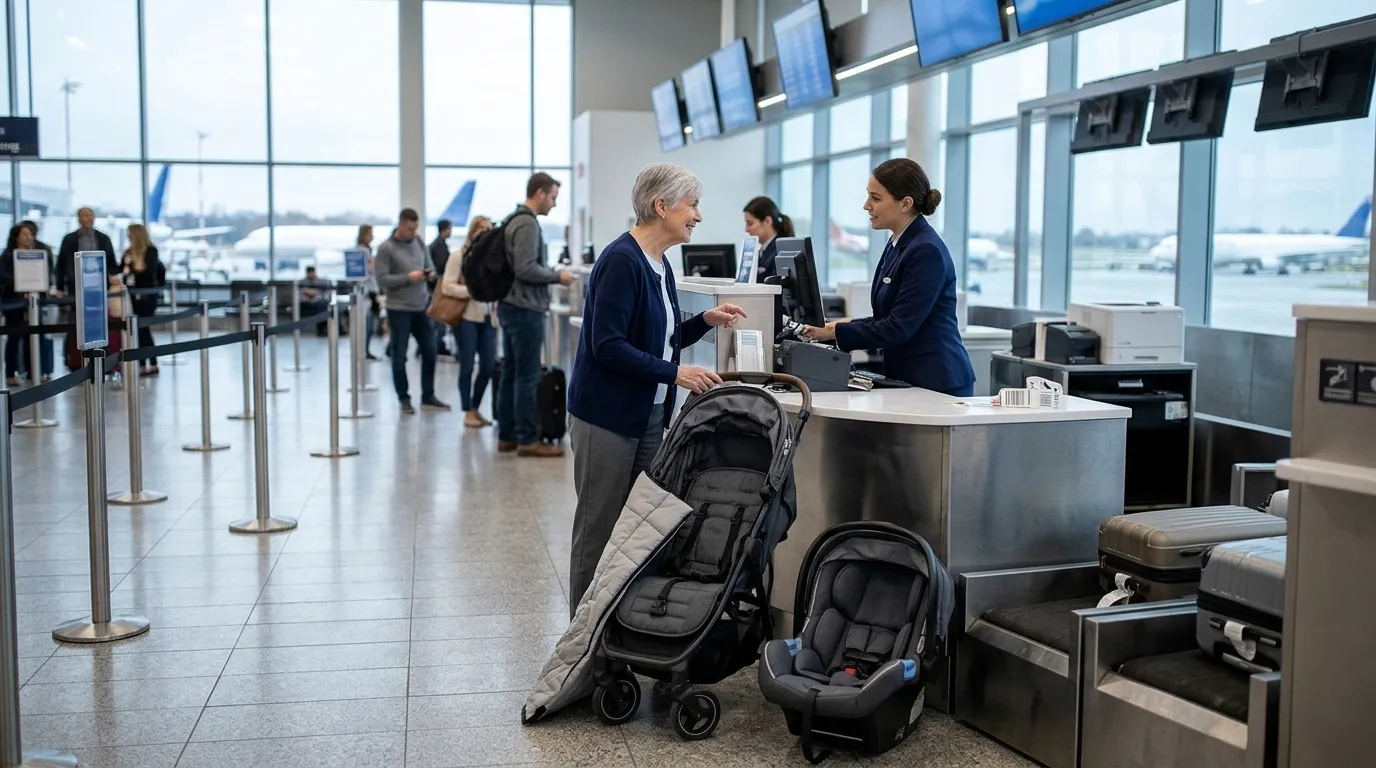
Flying to see the grandchildren often means hauling a stroller and a car seat. Many major U.S. carriers let families check these items free, and some let them go all the way to the gate.
Ask at the counter whether the item can be checked without charge and whether the airline offers a protective bag. Policies vary, so confirm the details for your carrier before you leave home.
The next fee gets charged at the worst possible moment: when you are already standing in the jet bridge…
#8 – Gate-Check Fee When the Overhead Bins Run Out
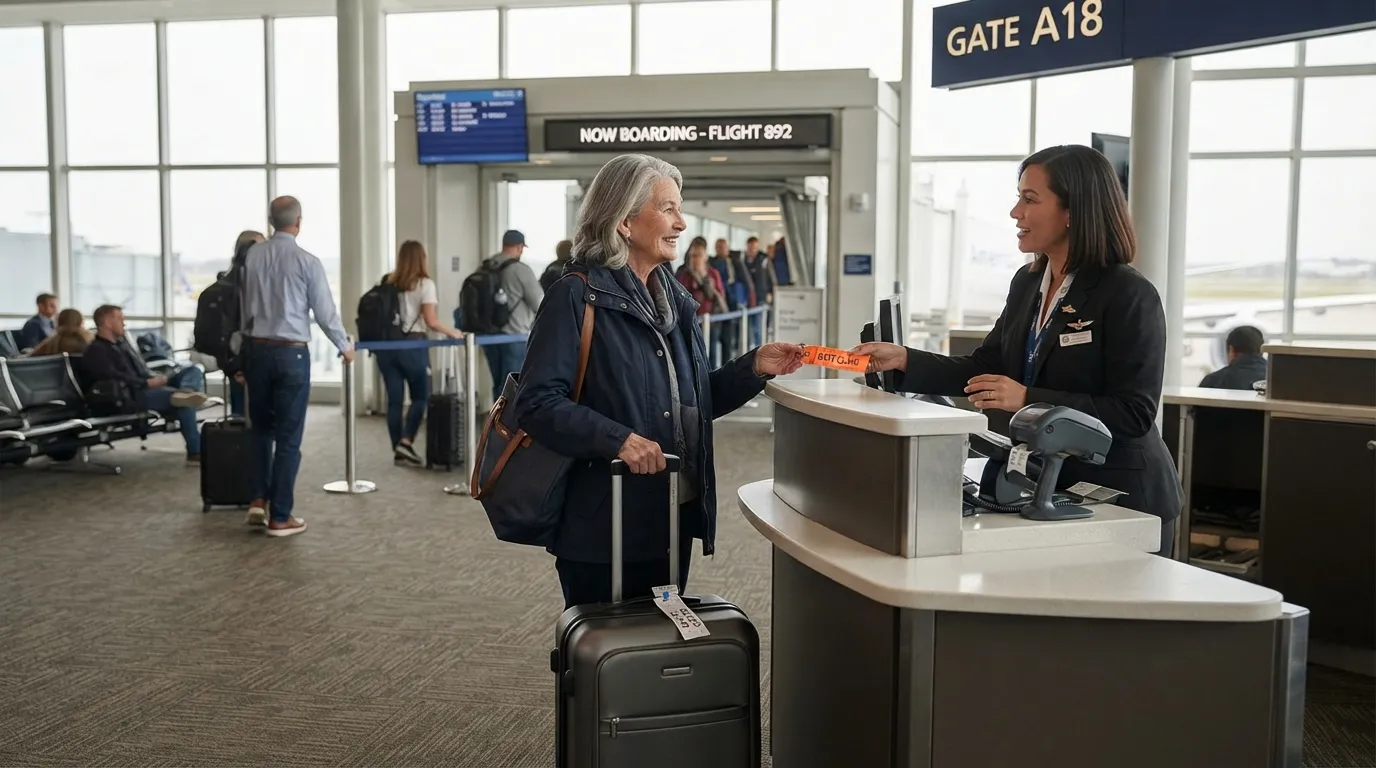
On many carriers, a carry-on that gets sent to the cargo hold because the bins are full is not charged a bag fee. Budget carriers that charge for carry-ons may handle this differently.
If lifting a bag overhead is hard for you, ask the gate agent early whether you can gate-check it at no charge. Ask for the tag before boarding rather than after the bins fill.
The next money is one you may have already paid and could get back…
#7 – A Prepaid Bag Fee After the Airline Cancels or Changes Your Flight
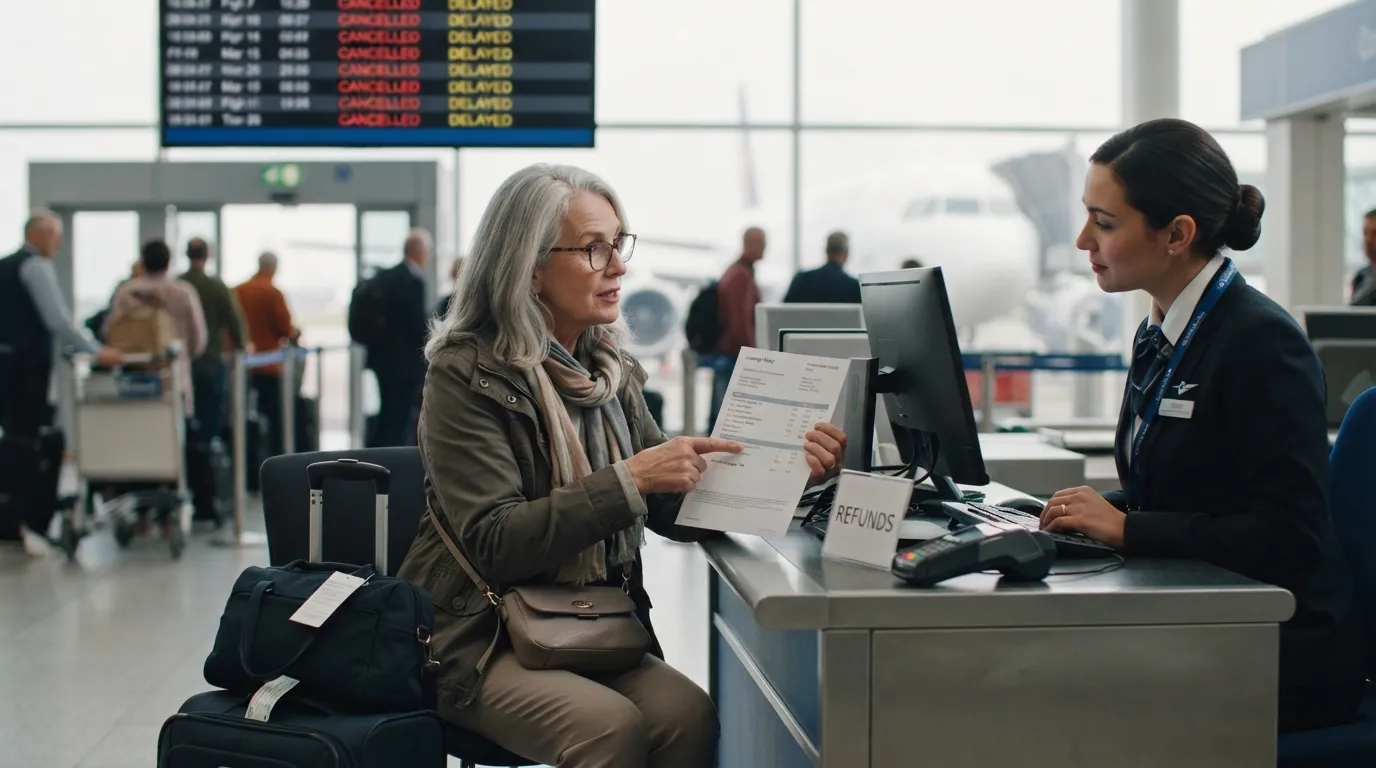
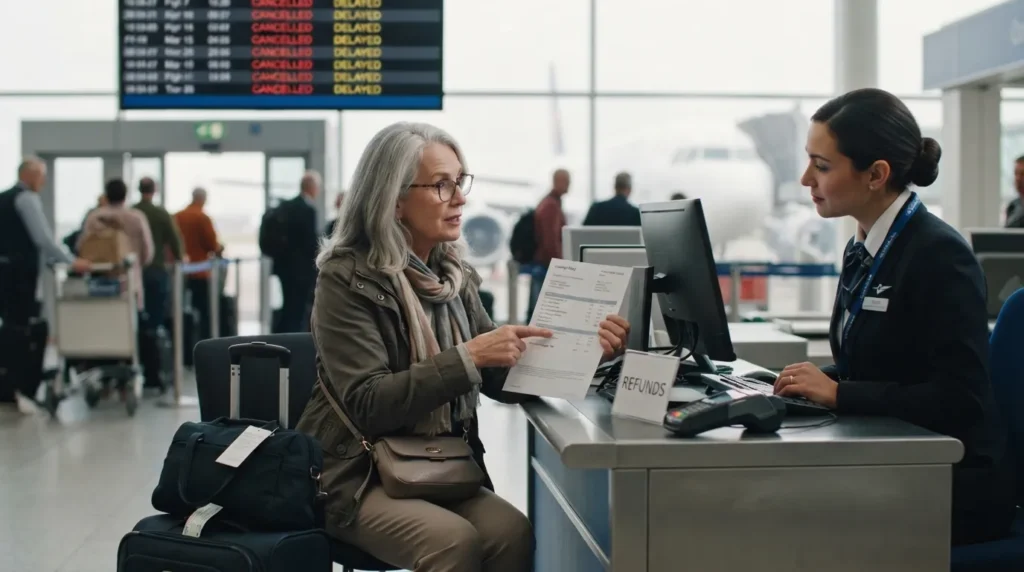
If the airline cancels your flight or makes a significant change and you choose a refund instead of rebooking, you can ask for ancillary fees to be refunded too. That includes bag fees you paid for in advance.
Reach out through the airline’s refund channel and ask specifically about the prepaid baggage charge. Eligibility depends on carrier policy and on the type of change, so keep your receipt.
Worth Knowing
- DOT’s automatic refund rule took effect on October 28, 2024.
- A “significant change” includes a shift of 3 or more hours on a domestic flight, or 6 or more hours on an international one.
- An airport change, an added connection, or a downgrade in service class can also count.
- Refunds are meant to go back to your original form of payment.
The next version of this mistake happens when you change plans yourself…
#6 – Paying Twice for a Bag After a Voluntary Flight Change
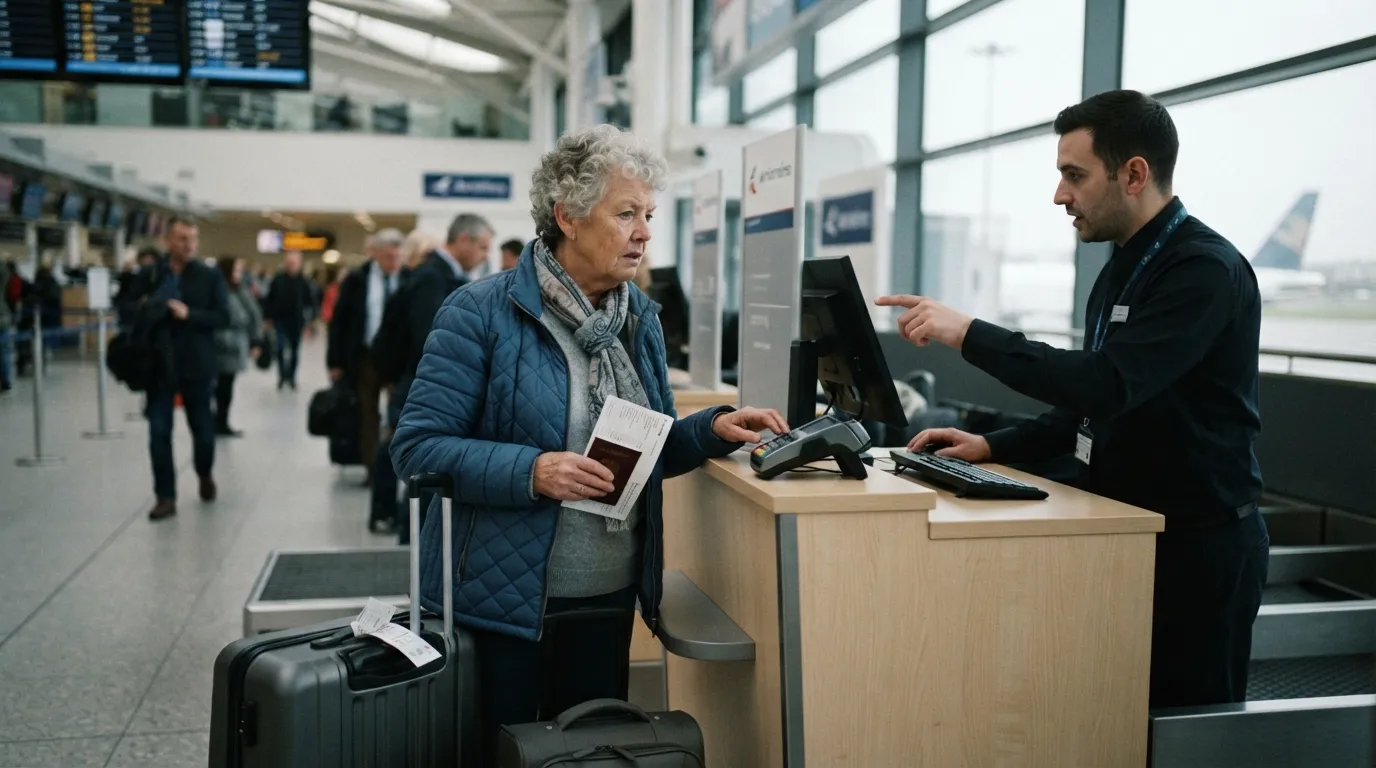
Rebook yourself onto a different flight and it is easy to pay for the bag again. Many carriers can carry a prepaid bag over to the new flight if you ask.
When you change your ticket, ask the agent to confirm that your baggage payment has moved with it. Then check the new itinerary before you leave the desk, because policies differ by carrier.
The next one hits travelers who book a connecting trip across two airlines…
#5 – A Double Bag Charge on a Connecting Trip With Two Airlines
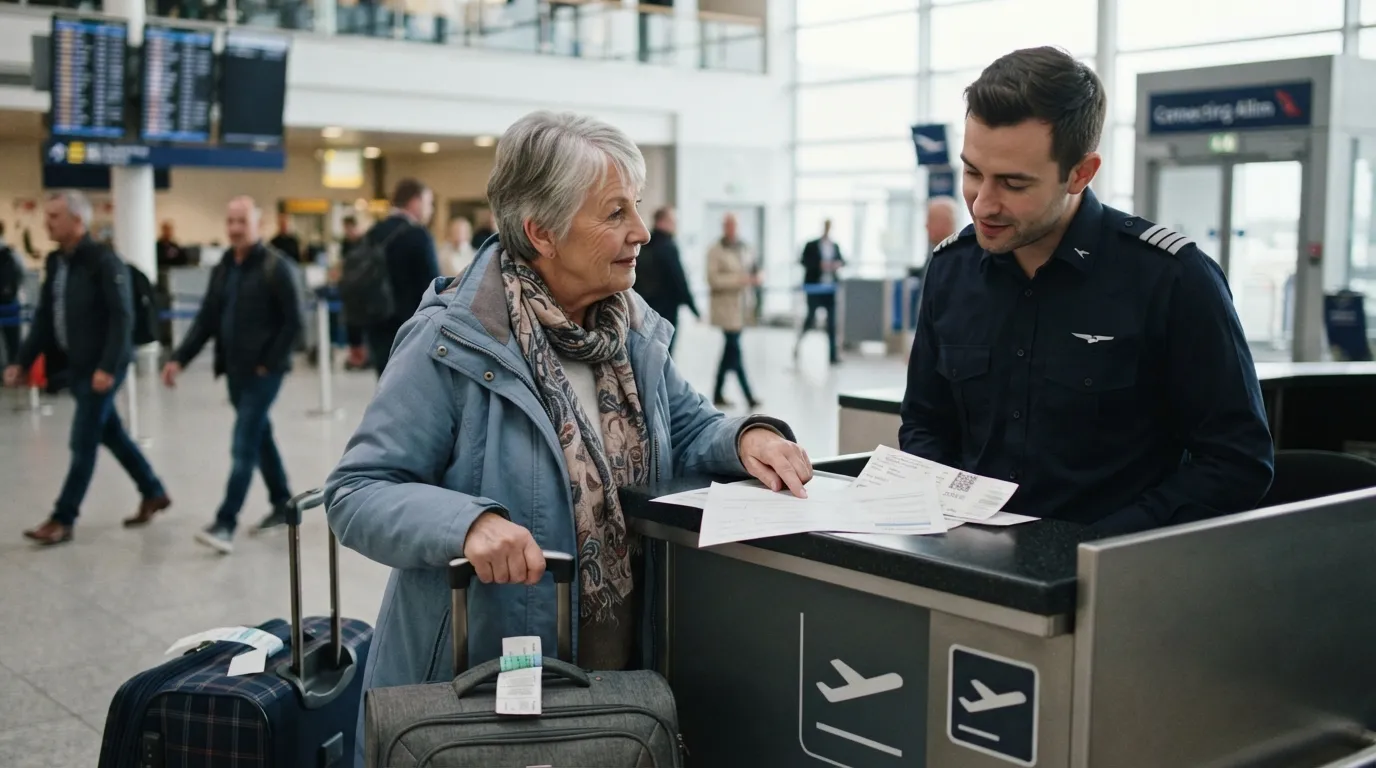
When a trip is ticketed as one itinerary with a partner airline, one carrier’s baggage rules usually govern the whole journey. Travelers sometimes get charged again at the connection, which shouldn’t happen.
If you are asked to pay twice, ask the agent to check whether the baggage rules of your ticketing airline apply. Bring your confirmation showing that both flights are on a single ticket.
The final four are about what happens after your bag goes missing, and some are worth real money…
#4 – The Checked Bag Fee on a Bag That Arrived Late
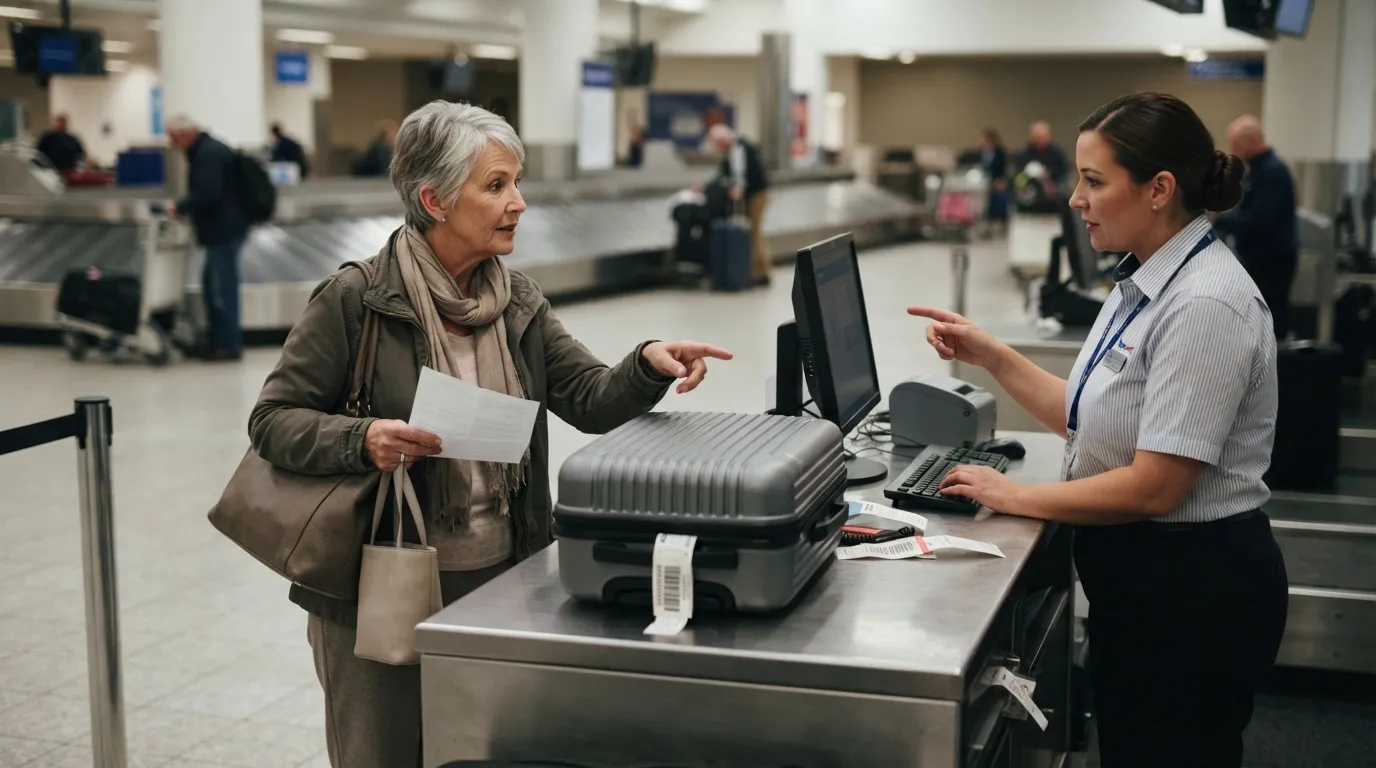
DOT rules require airlines to refund the checked bag fee when a bag is significantly delayed. The time limit depends on the type of flight.
If the refund doesn’t arrive on its own, ask for it in writing through the airline’s baggage service channel. Mention the delay and your baggage claim number.
Fast Facts
- Domestic flights: 12 hours after your flight arrives at the gate.
- International, flight of 12 hours or less: 15 hours.
- International, flight over 12 hours: 30 hours.
- File a mishandled-baggage report, since that report is what starts the clock on your refund.
- The refund covers the fee you paid, not the value of what was inside the bag.
Even with that refund, there is another cost sitting in your suitcase…
#3 – Out-of-Pocket Spending on Medicine and Essentials While Your Bag Is Missing
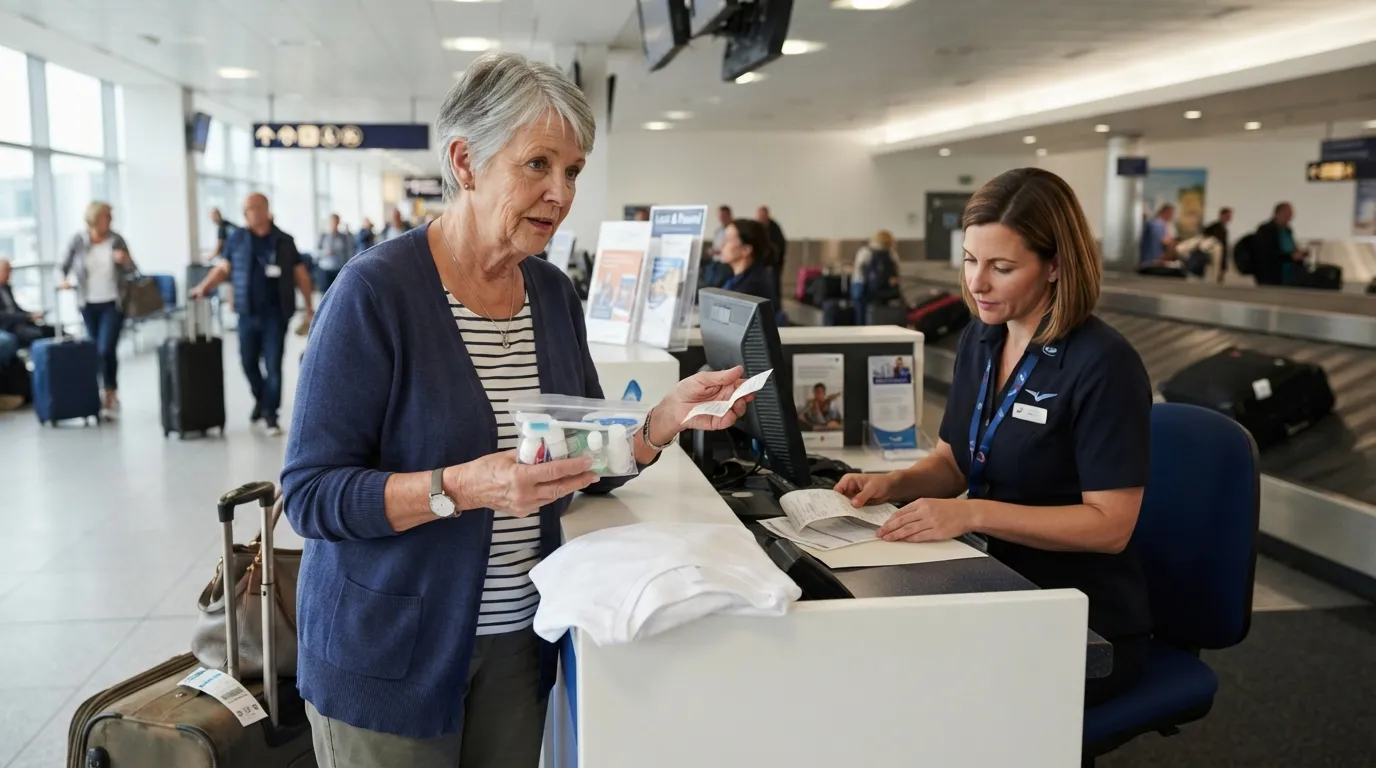
When a bag is delayed, many airlines will reimburse reasonable expenses for essentials like toiletries and a change of clothes. Rules and limits vary by carrier.
Keep every receipt, and ask the baggage office for the reimbursement process before you leave the airport. If medicine was in the bag, say so right away.
The next cost is one you may not notice until you get home…
#2 – The Repair Bill for a Broken Suitcase Wheel or Handle
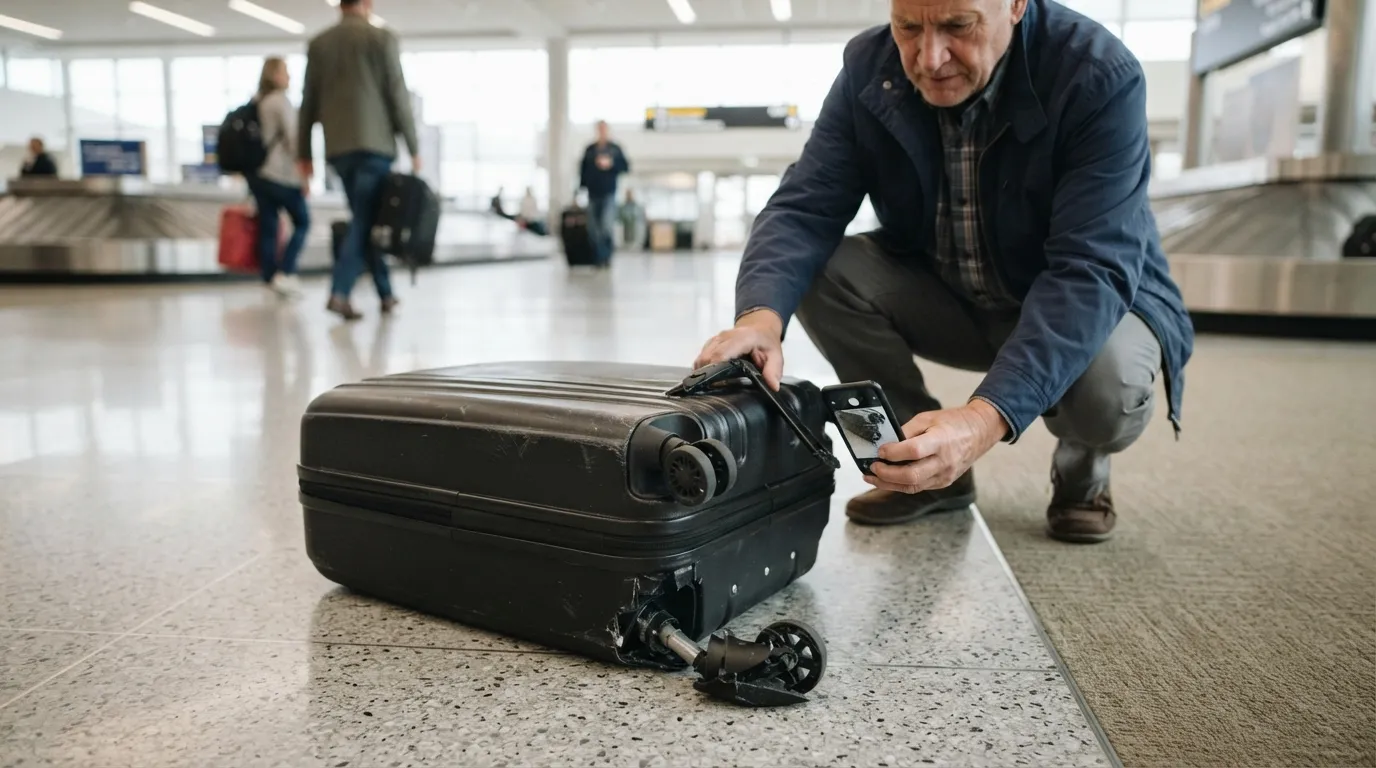
A snapped handle or cracked wheel is not simply the cost of flying. If the airline caused the damage, you can ask for a repair or reimbursement.
Report it at the baggage office before you leave the airport, and take photos. Deadlines and coverage vary, so ask what the carrier requires.
The last one is the most important item on this list…
#1 – The Cost of Repairing or Replacing a Damaged Wheelchair or Mobility Device
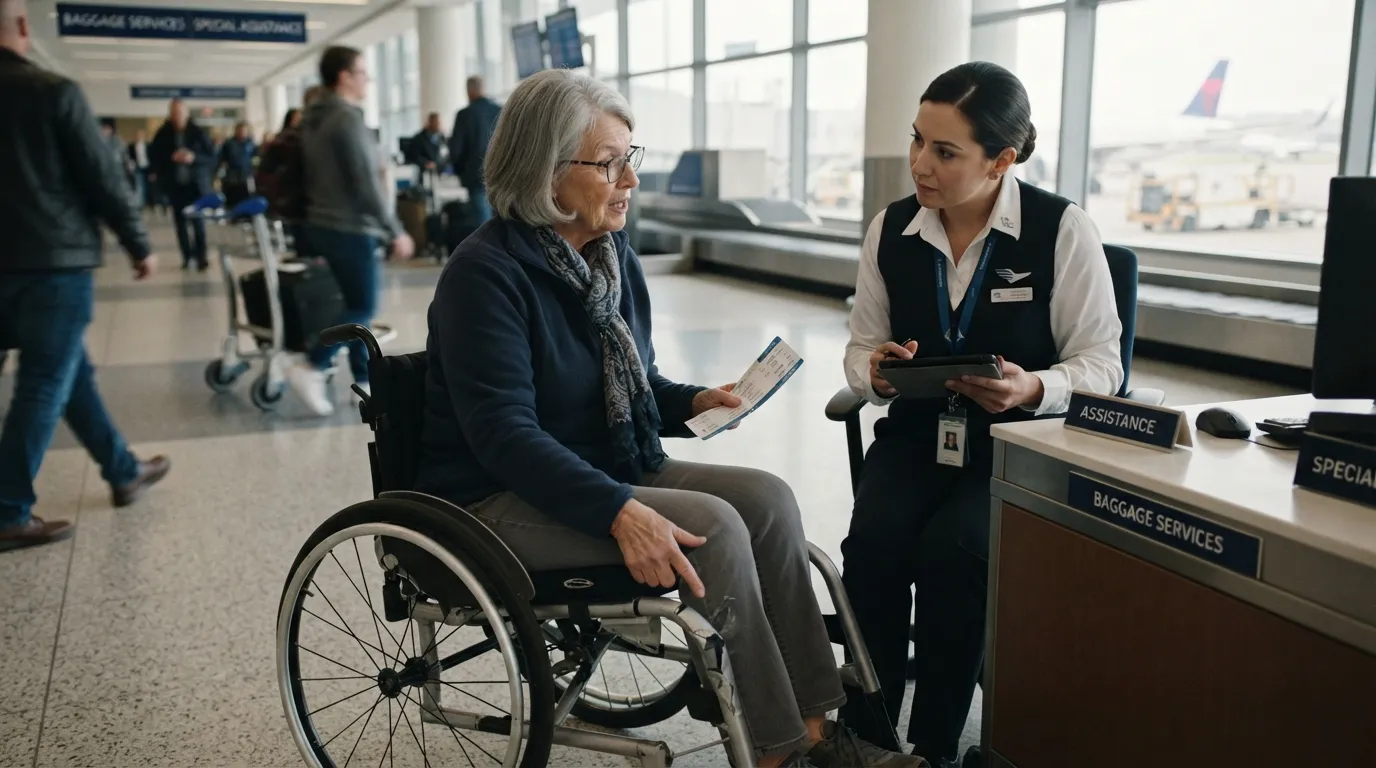
If an airline damages a wheelchair or other mobility device, it is responsible for prompt repair or replacement under U.S. accessibility rules. You should not be left stranded or stuck with the bill.
Report the damage before you leave the airport, ask for a written report, and request a complaint resolution official if needed. It is the one charge on this list where politely asking is not a favor but a right.
Why It Stands Out
- It is the only item here built on a legal obligation rather than a goodwill gesture.
- The airline, not you, is responsible for repair or replacement of a device it damaged.
- A written report made before you leave the airport gives you a record to work from.
- A complaint resolution official is there to settle disputes on the spot.
CEO-Co-Founder