
- How Pirates Secretly Built Modern Democracy - October 30, 2026
- 17 TV Roles Written as One-Off Guest Spots That Became Fan Favorites - October 30, 2026
- 18 Things Nobody Tells You About Overnight Trains in Europe Until Lights Out - October 30, 2026
Most people picture an Alaska cruise as easy scenic sailing with a few lucky wildlife sightings. Glacier day is where that picture gets rewritten by permits, weather, wildlife rules, and a clock that never stops running.
The first glacier approach is where the brochure runs out and the real operating rules take over. Start with the one that decides whether your biggest day is even allowed to happen.
#16 – Glacier Bay Entry Limits Shape Your Entire Day
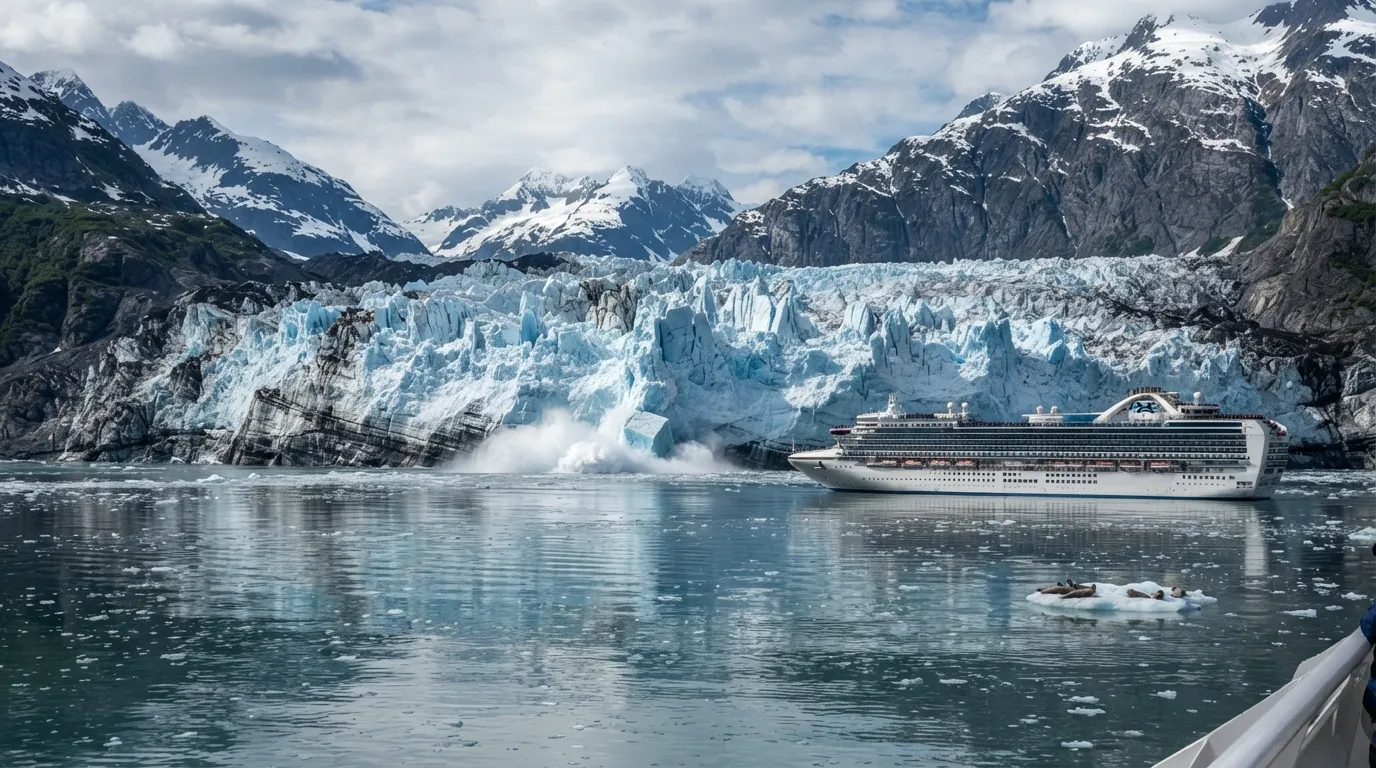
Glacier Bay National Park limits cruise traffic under the National Park Service Vessel Management Plan, so your glacier date is set long before you board. Lines with park concessions, such as Princess and Holland America, plan these dates months ahead.
Fast Facts
- Roughly 150 cruise ship entries are allowed per summer.
- No more than two ships can enter the park per day.
- Johns Hopkins Inlet is closed to cruise ships May 1 through August 31.
- Margerie Glacier and the western arm are the usual highlights instead.
Johns Hopkins is closed to protect harbor seals, and passengers stay aboard for the western arm instead. The seals also shaped the next rule at #15…
#15 – Seal Approach Rules Require 500 Yards Minimum
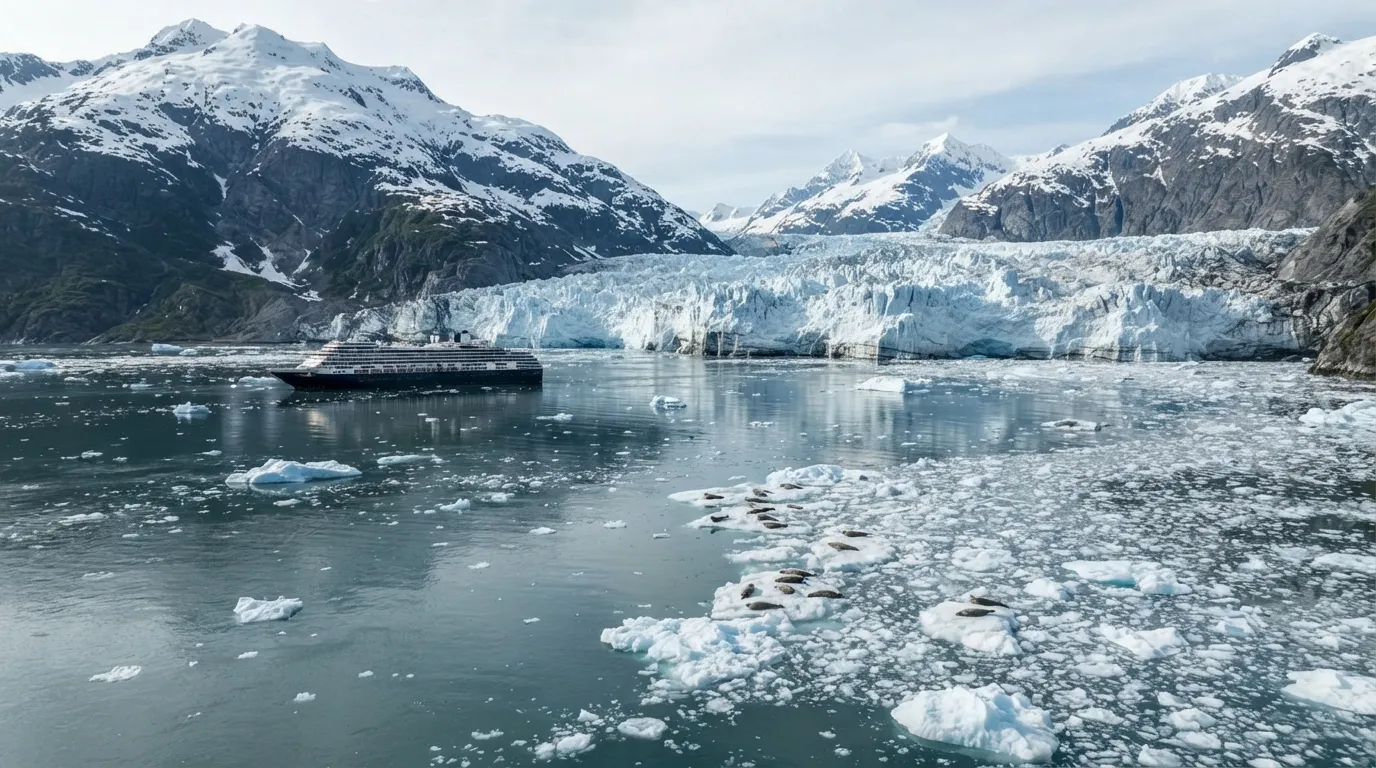
NOAA Fisheries guidelines for glacial fjords say vessels, from kayaks to cruise ships, should stay 500 yards from harbor seals without compromising safe navigation. Thick ice is prime pupping habitat, so vessels are advised to skirt it whenever possible.
Noise matters too. PA announcements or ice collisions can carry for miles and disturb seals you can’t even see, so a careful departure counts as much as the approach. Next, the glacier-day dress code at #14…
#14 – Layering System Must Handle Rapid Temperature Swings
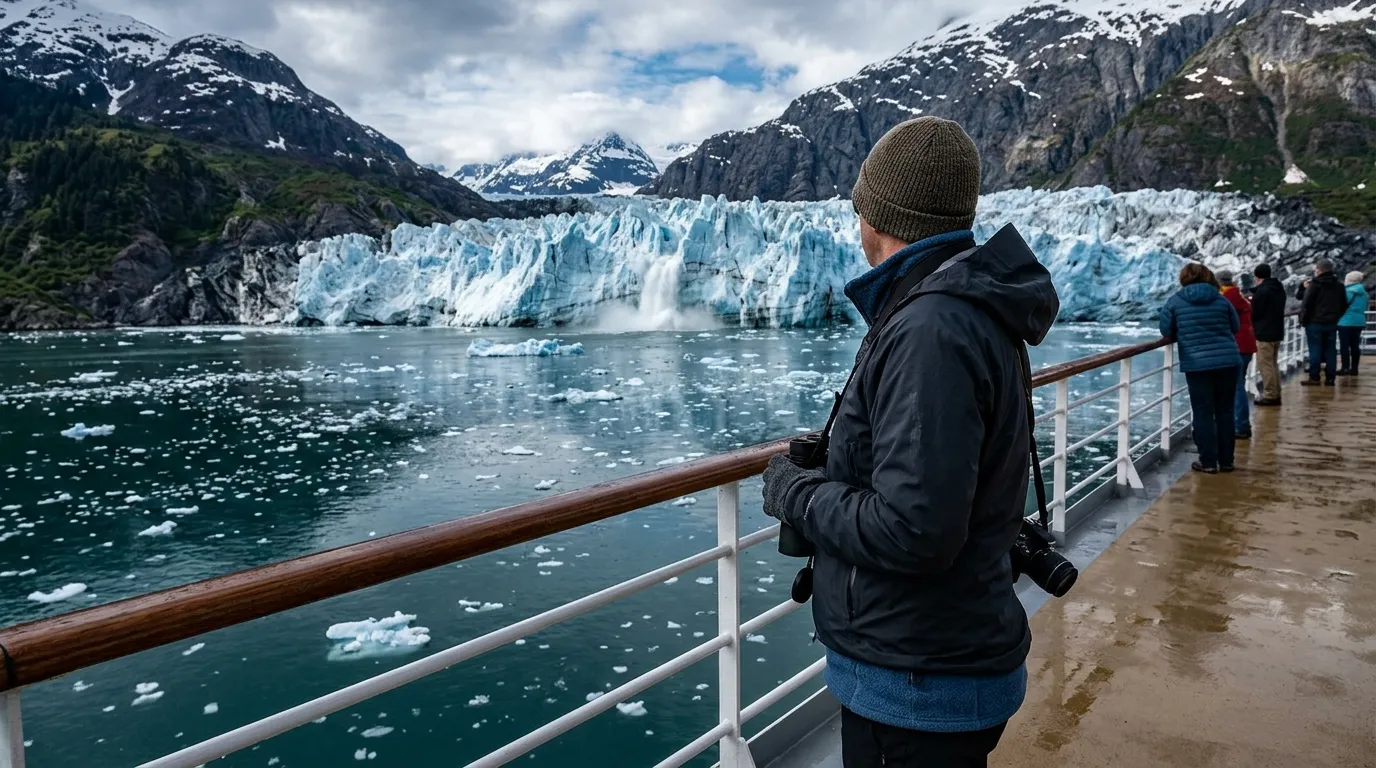
Cruise lines and the National Weather Service recommend three layers: a moisture-wicking base, an insulating mid-layer like fleece, and a fully waterproof shell. Cotton fails fast when damp, and sealed-seam waterproof jackets outperform merely water-resistant ones during long deck time near glaciers.
Deck temperatures near ice can run ten degrees or more colder than sheltered ports. Wind off the water sharpens the chill even on sunny days, so pack a hat and gloves too. But even perfect layers can’t guarantee how close you’ll get, as #13 shows…
#13 – The Captain, Not the Itinerary, Decides How Close You Get
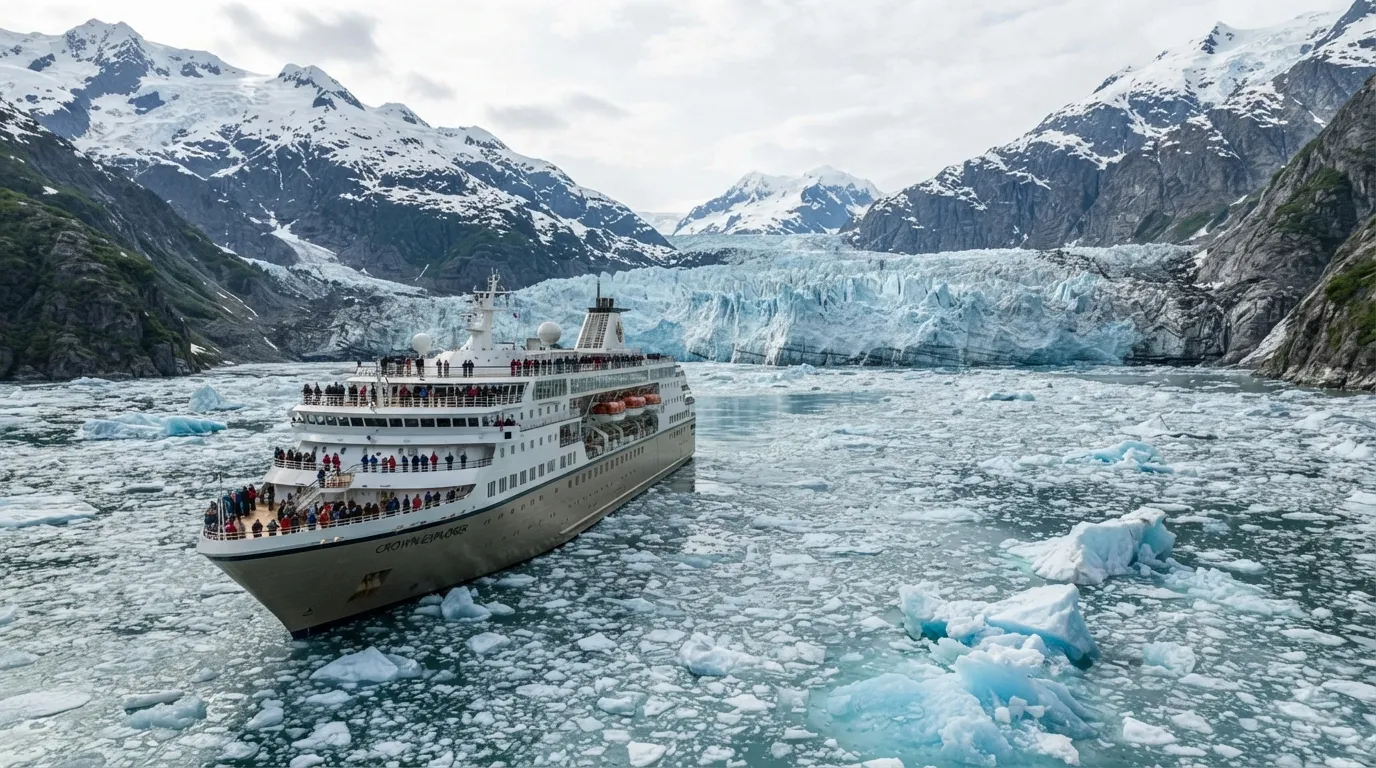
Your itinerary may name a glacier, but ice conditions on the day decide how near the ship can safely go. Heavy floating ice can limit how far a ship travels into a narrow fjord, and captains adjust the approach for safety.
Treat every glacier on the schedule as a likely stop, not a promised distance. Listen for bridge announcements and claim your viewing spot early. And when you do reach the ice, it will play a trick on your ears at #12…
#12 – The Boom Arrives After the Ice Falls
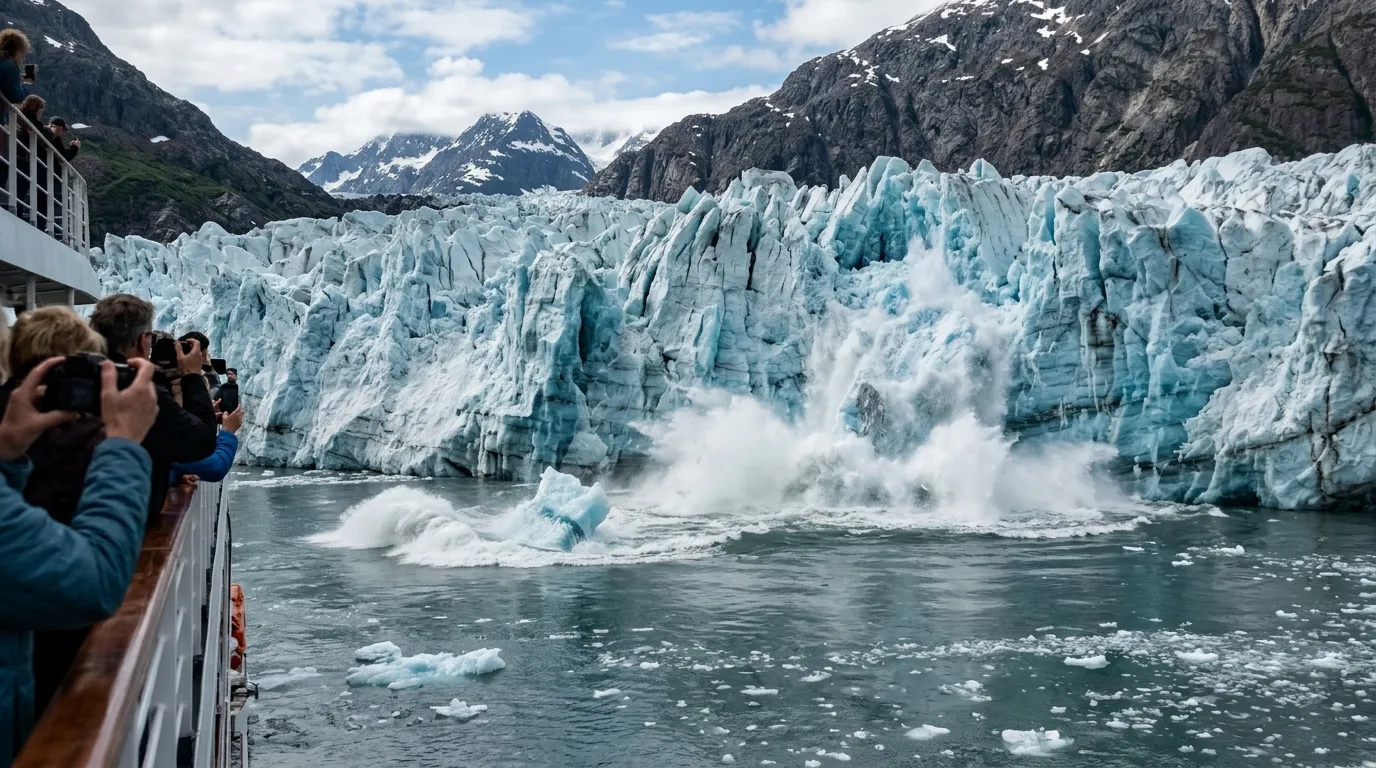
When a glacier calves, you often see the ice drop first and hear the thunder seconds later, because sound travels slower than light. People who wait for the noise before lifting their cameras usually miss the splash.
Watch the ice face, not the sky, and keep your phone or camera ready. The delay is part of the show. Wildlife has its own distance rules too, starting at #11…
#11 – Whales Get 100 Yards Whether You Like It or Not
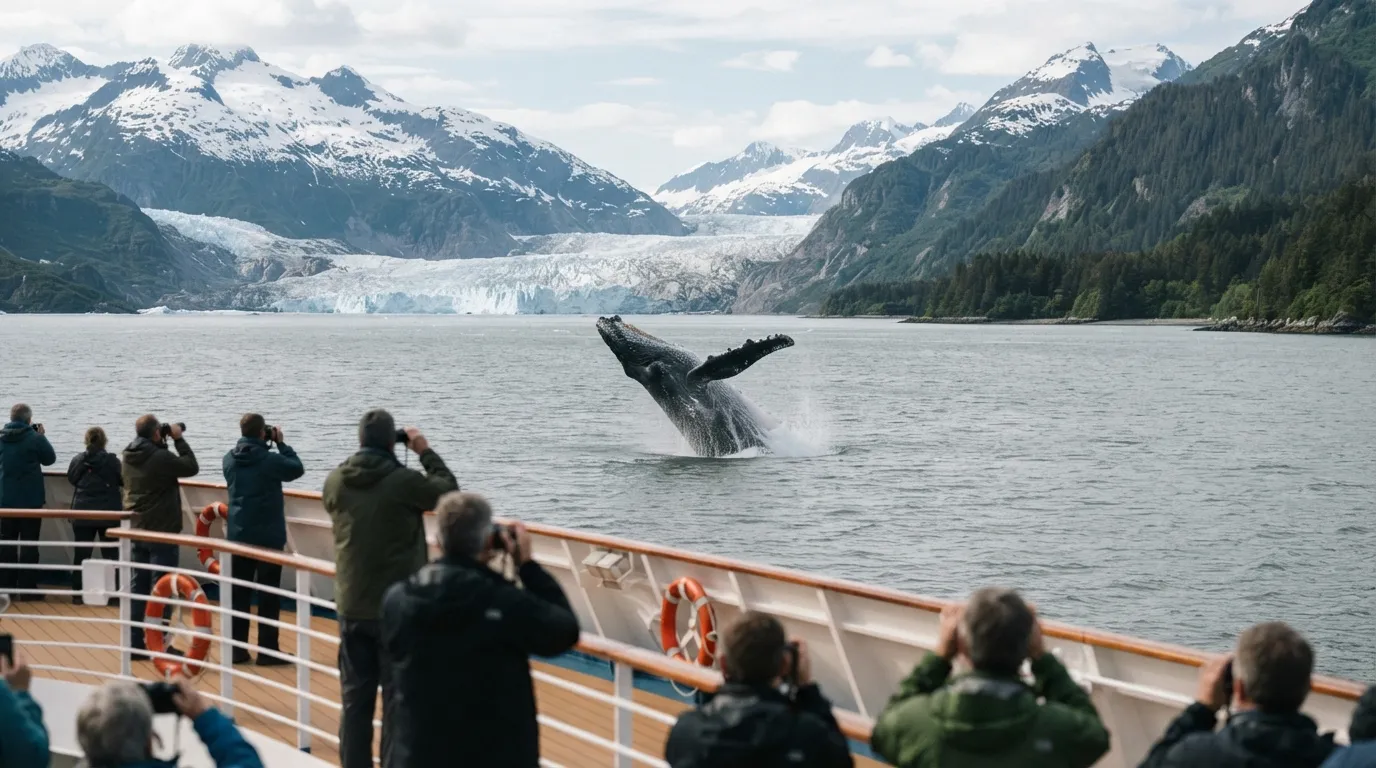
In Alaska waters, federal rules prohibit approaching humpback whales closer than 100 yards. Glacier Bay adds its own speed and course restrictions in key whale areas.
That means the dramatic close-up shots rarely come from a cruise ship deck. Bring binoculars or a zoom lens, and scan for blows and tail flukes. Your sleep schedule is about to get tested at #10…
#10 – Summer Daylight Stretches Longer Than Your Body Clock
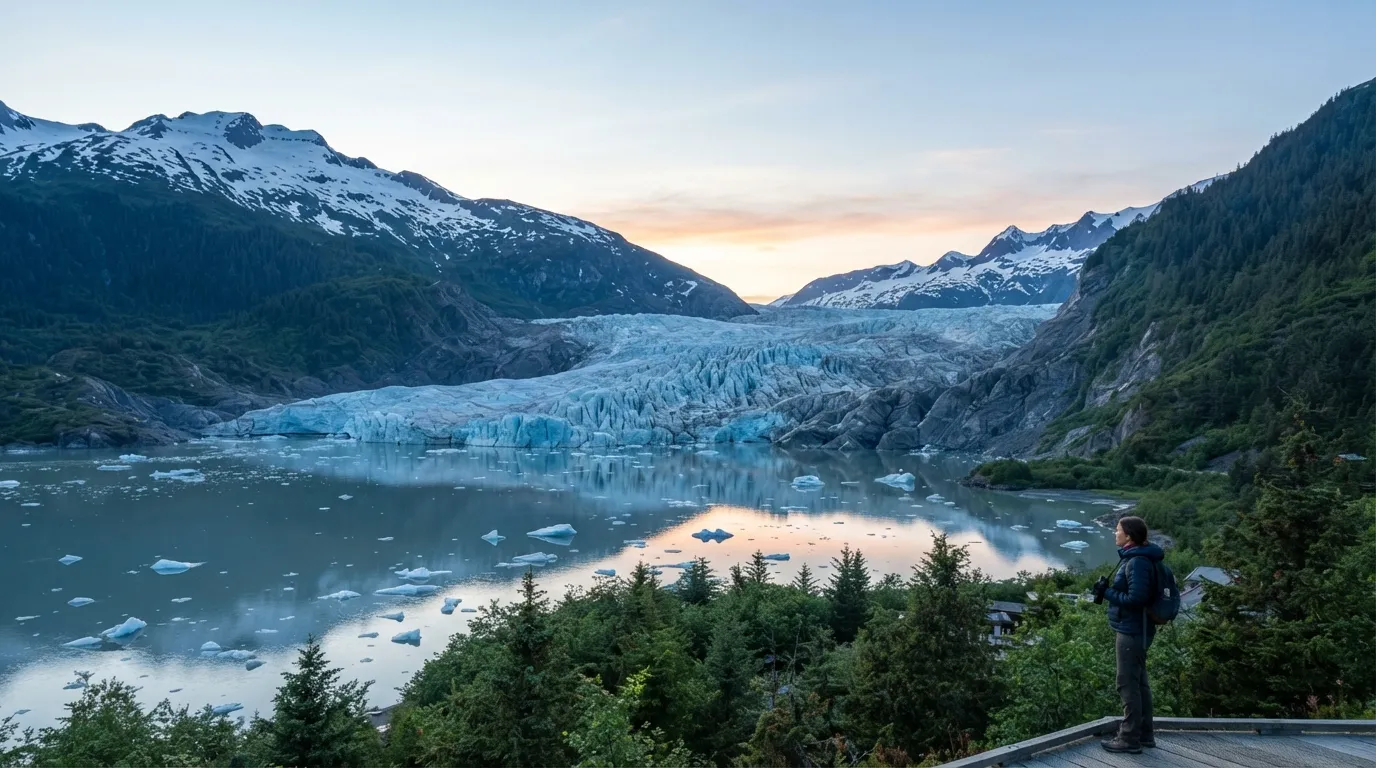
Around the summer solstice, Juneau gets roughly 18 hours of daylight, while May and September days are noticeably shorter. Early-morning glacier approaches can be bright long before breakfast.
Check sunrise and sunset times in your daily planner and plan outdoor windows around them. A sleep mask can be the most useful thing you pack. Meanwhile, the weather ignores the clock entirely at #9…
#9 – Rain Is Part of the Plan, Not a Disruption
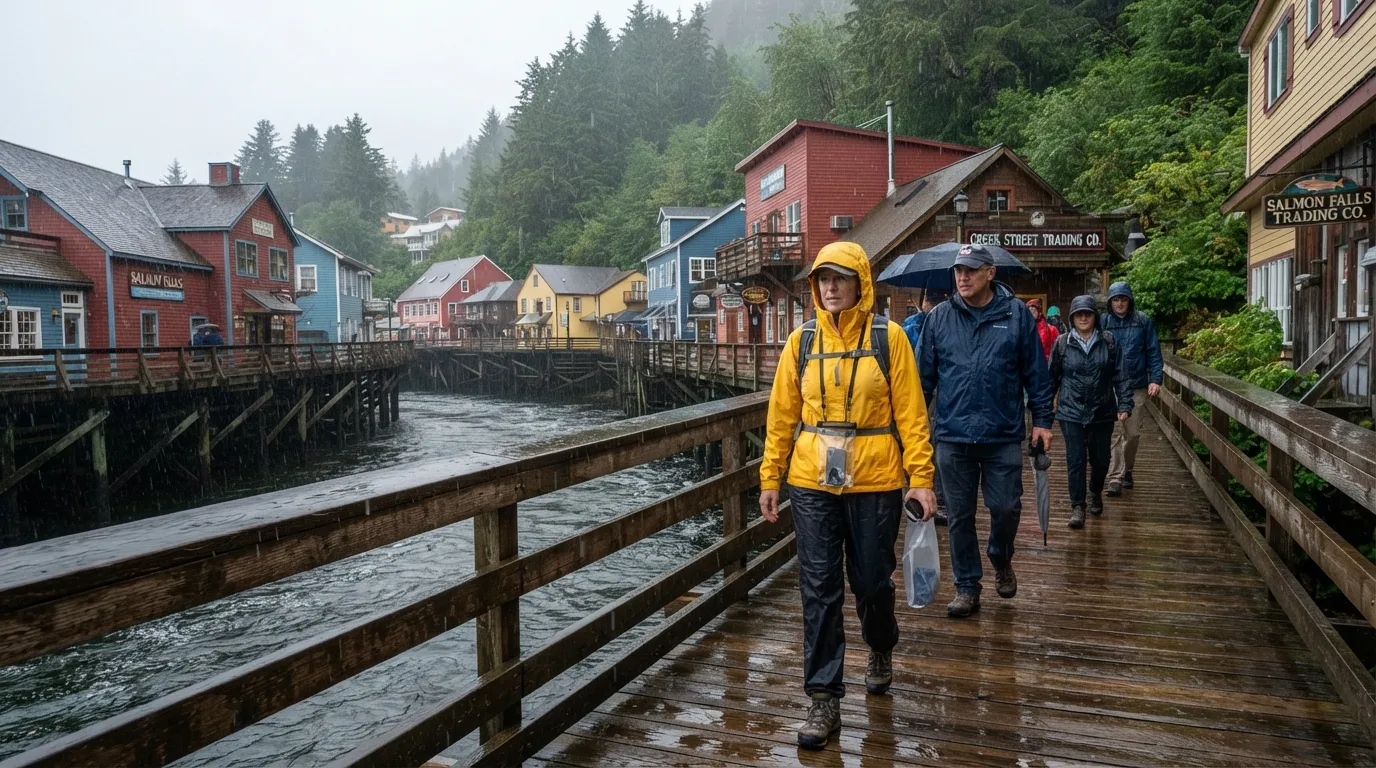
Ketchikan is among the rainiest towns in the U.S., averaging well over 100 inches a year. Many shore excursions run in wet weather, so a soggy forecast rarely cancels the plan.
Waterproof shoes, a packable rain jacket, and a dry bag for your phone save the day. Cotton hoodies don’t. Now for the problem nobody wants to plan for at #8…
#8 – Seasickness Risk Depends on the Route
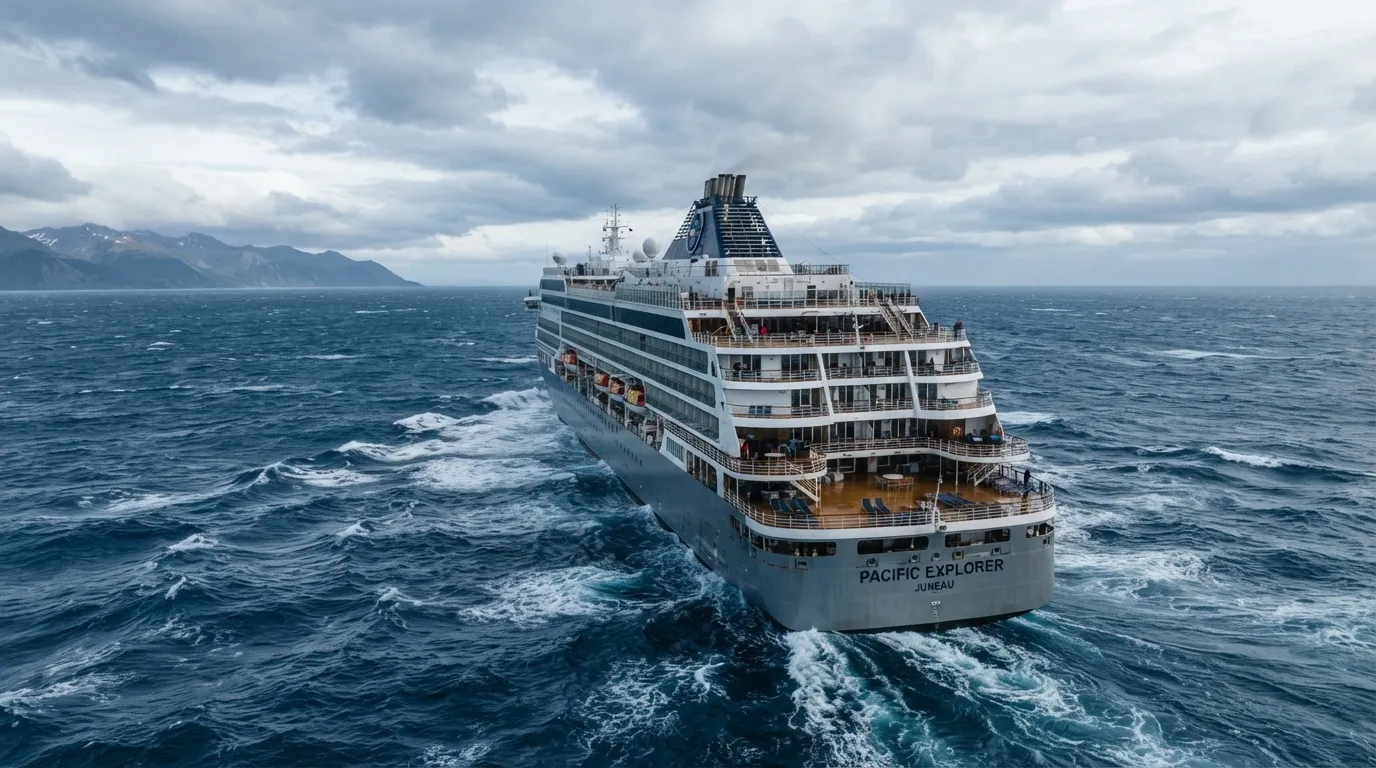
Inside Passage sailing is mostly in sheltered waters, but open Gulf of Alaska crossings on some Seward or Whittier itineraries can bring bigger swells. Check which type of route you booked.
Talk with your doctor before sailing about medication, since remedies generally work best before symptoms start. A lower, midship cabin tends to feel less motion, and the ship’s medical center can help on board. Then the ship has to actually reach shore at #7…
#7 – Some Ports Make You Ride a Tender Boat
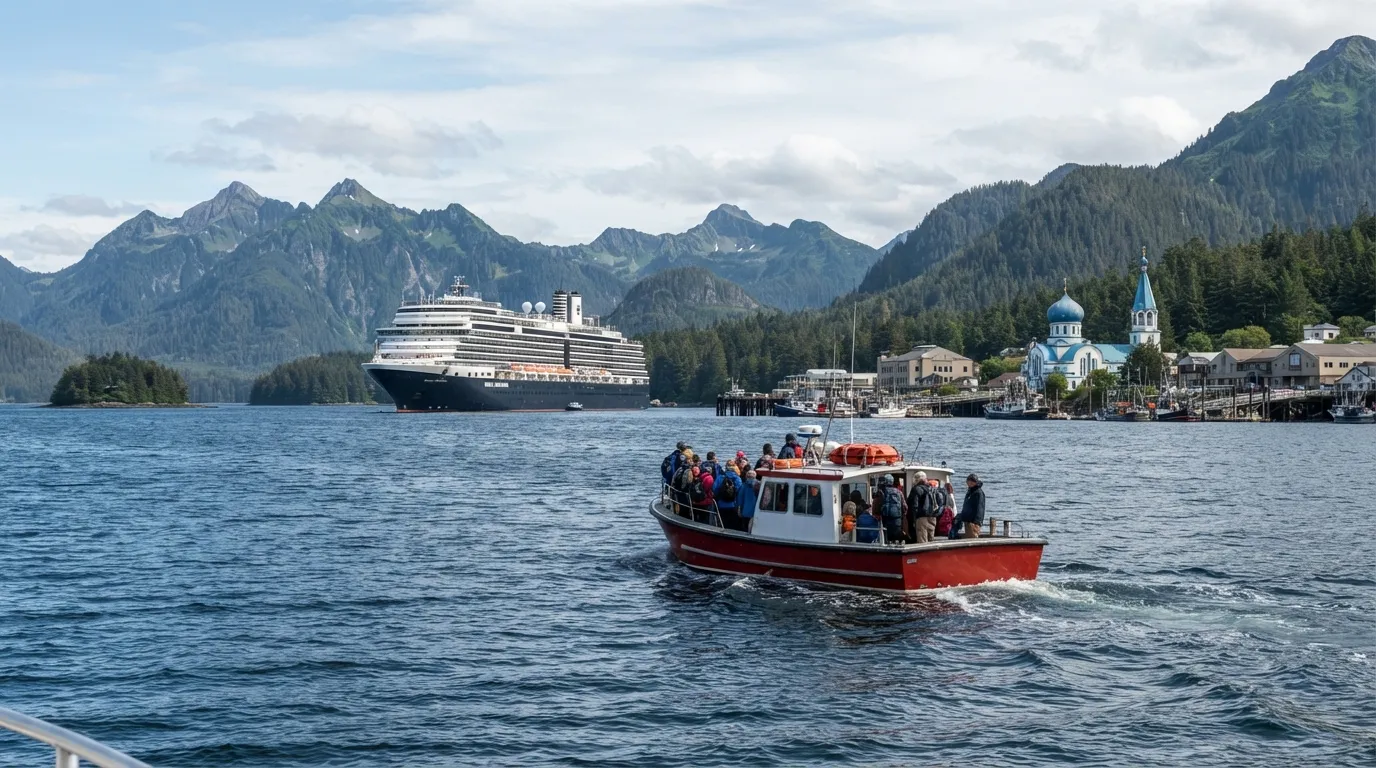
At some ports, such as Sitka, ships often anchor offshore and ferry passengers to town by tender instead of docking. Tendering can slow your morning, especially on a full ship.
Quick Compare
- Docked port: you walk off the gangway and head straight into town.
- Tender port: you wait your turn, then ride a small boat ashore.
Check your cruise line’s tender ticket process and get in line early. Ship-sold excursions often board first. The crowds waiting for you onshore are the story at #6…
#6 – Several Ships Can Hit One Small Town at Once
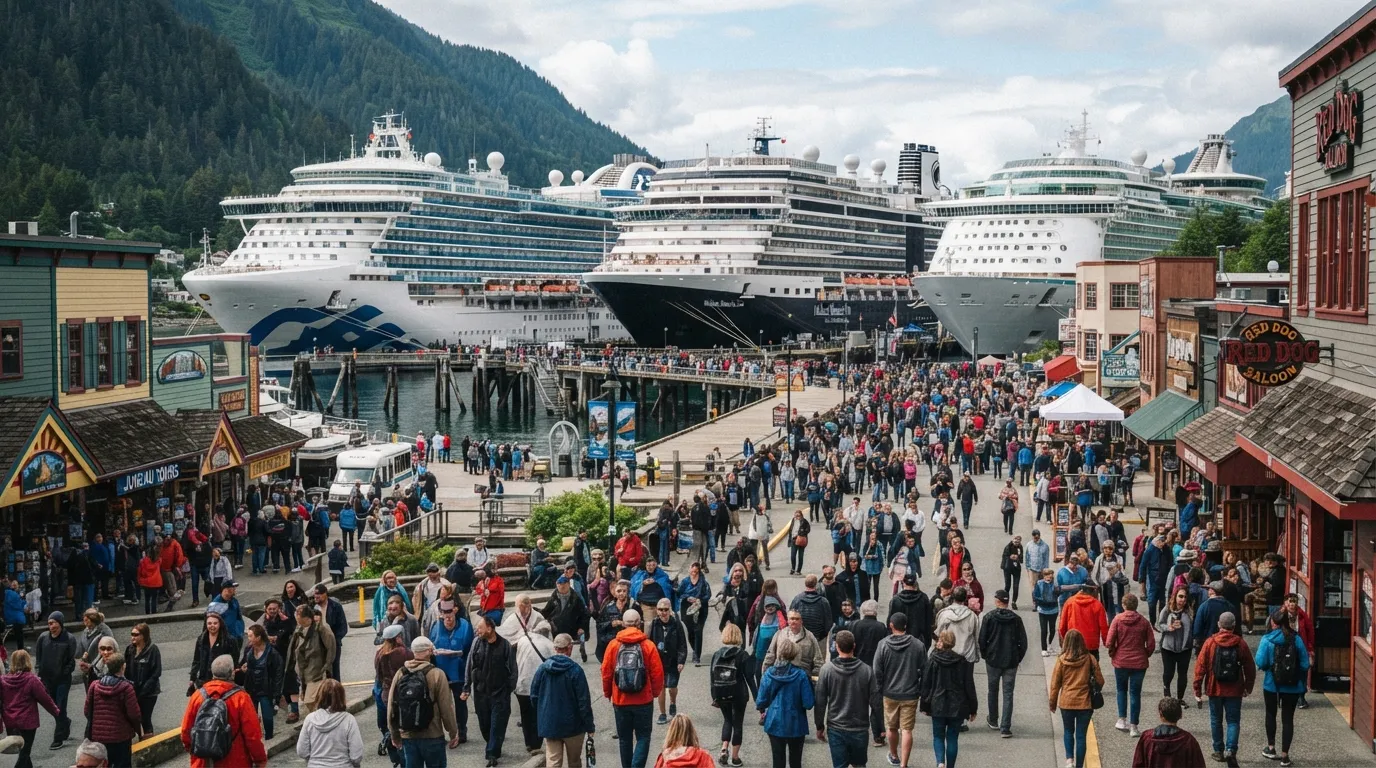
Ports like Juneau, Ketchikan, and Skagway can host several cruise ships on the same day, sending thousands of passengers into compact downtowns.
Check the port schedule in your cruise line’s app and consider going ashore early or late. Excursions that leave at off-peak times can feel far less crowded. The most popular tours are the hardest to get, as #5 explains…
#5 – The Best Excursions Sell Out and Weather Can Cancel Them
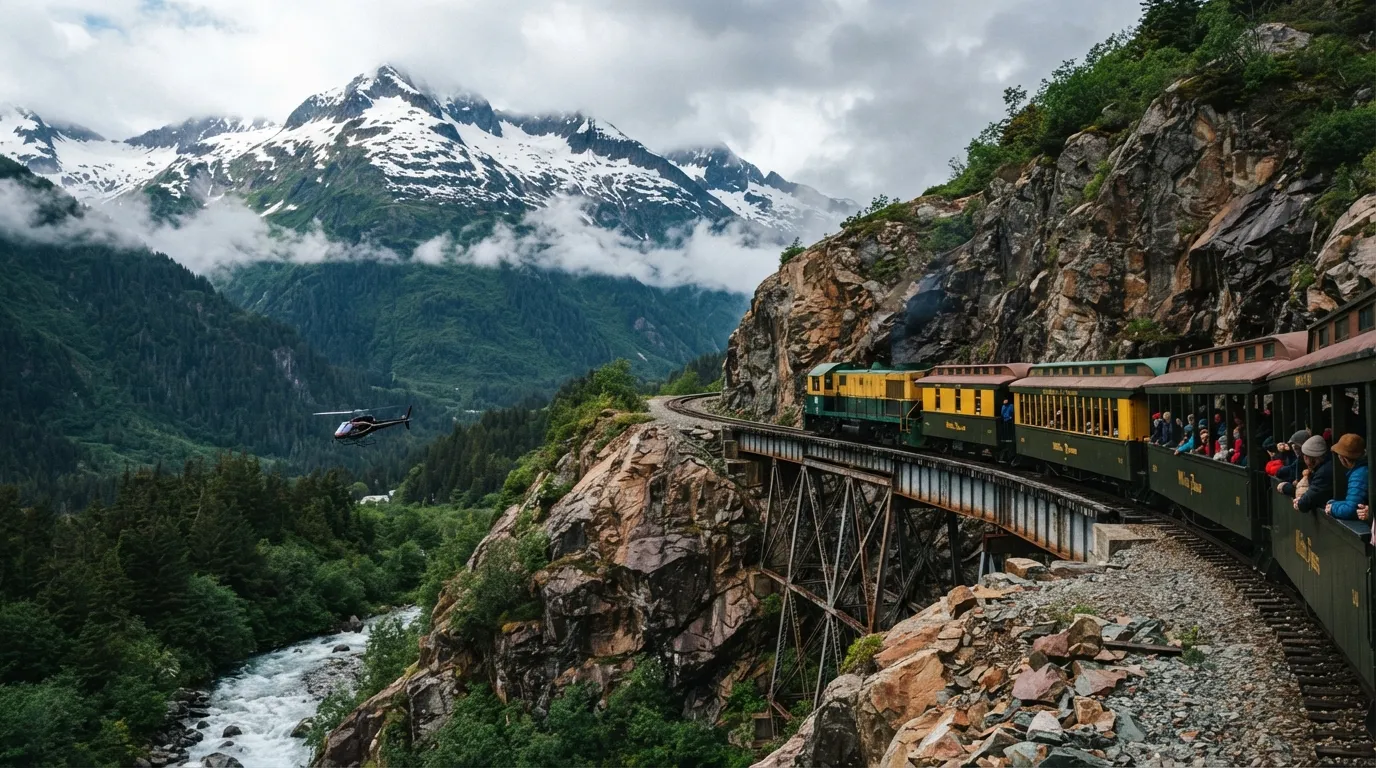
Helicopter glacier landings, floatplane trips, and the White Pass train are popular, and Alaska’s cruise season is short. Flightseeing also depends on weather and visibility, so operators can delay, reroute, or cancel.
Book early, read the cancellation and refund policy, and keep a backup activity in mind. Just don’t let any of it make you late for #4…
#4 – All-Aboard Time Is Not a Suggestion
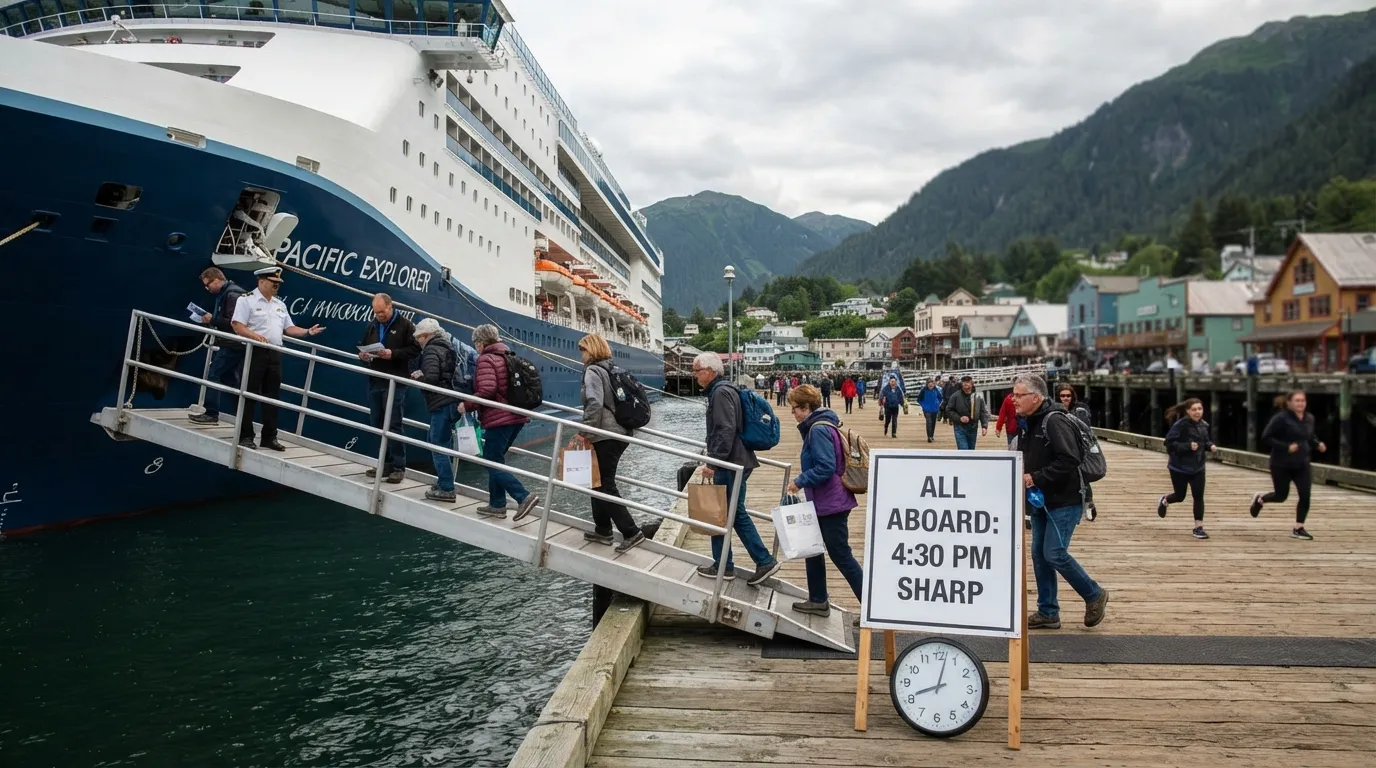
Every port day has an all-aboard time, typically at least half an hour before departure and posted in the daily schedule. Ship-sold excursions are generally coordinated to return you in time, while independent tours are on you.
Build in a buffer and check whether the ship is running on a different time than the port. Out on land, a different set of rules applies at #3…
#3 – Land Bears Get 300 Yards in Denali
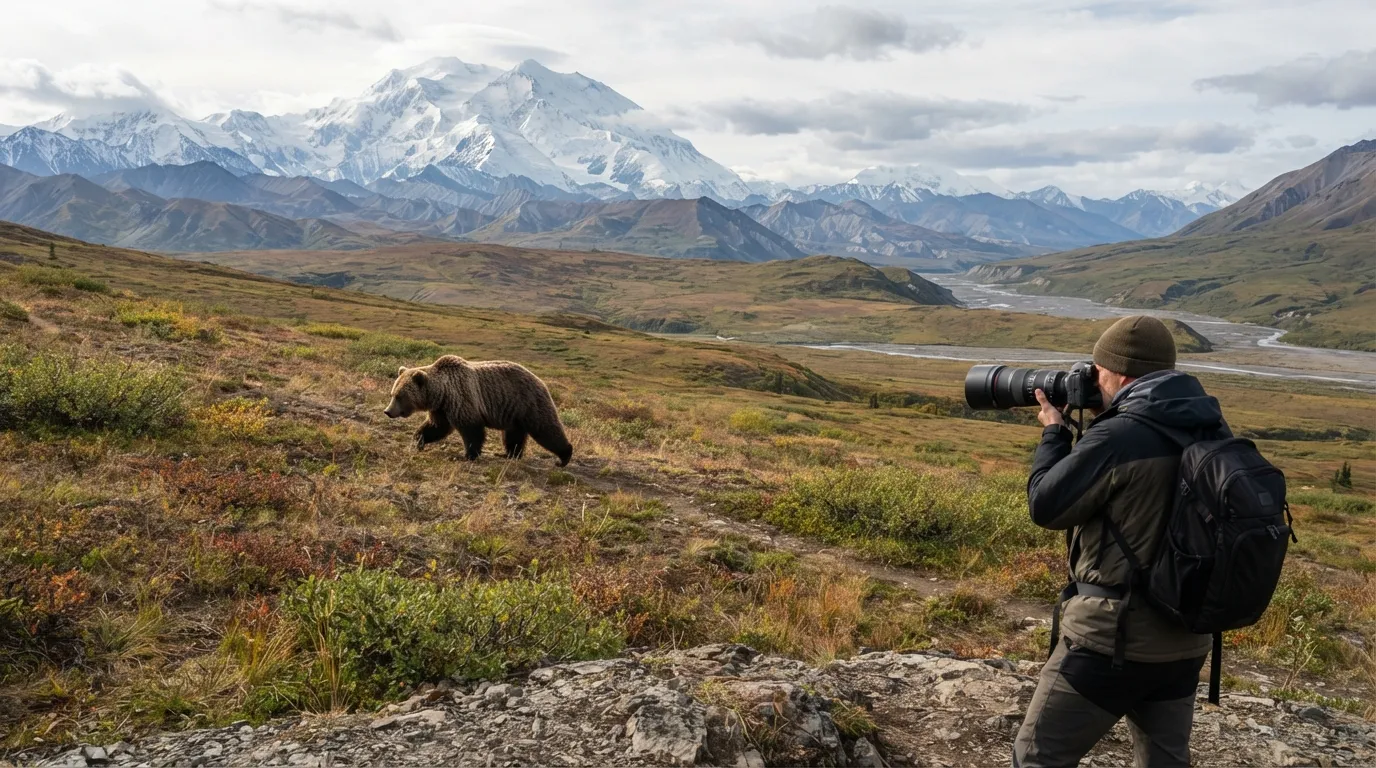
Denali, popular with cruisetour travelers, has its own National Park Service wildlife guidance. Rules vary by park and agency, so follow posted signs and your guide.
At a Glance
- Bears in Denali: at least 300 yards.
- Other wildlife in Denali: at least 25 yards.
- Humpback whales in Alaska waters: 100 yards under federal rules.
- Harbor seals in glacial fjords: 500 yards under NOAA guidelines.
Bring a zoom lens, never approach for a photo, and never feed animals. The next one surprises people before they even board, at #2…
#2 – The Canada Stop Isn’t Optional
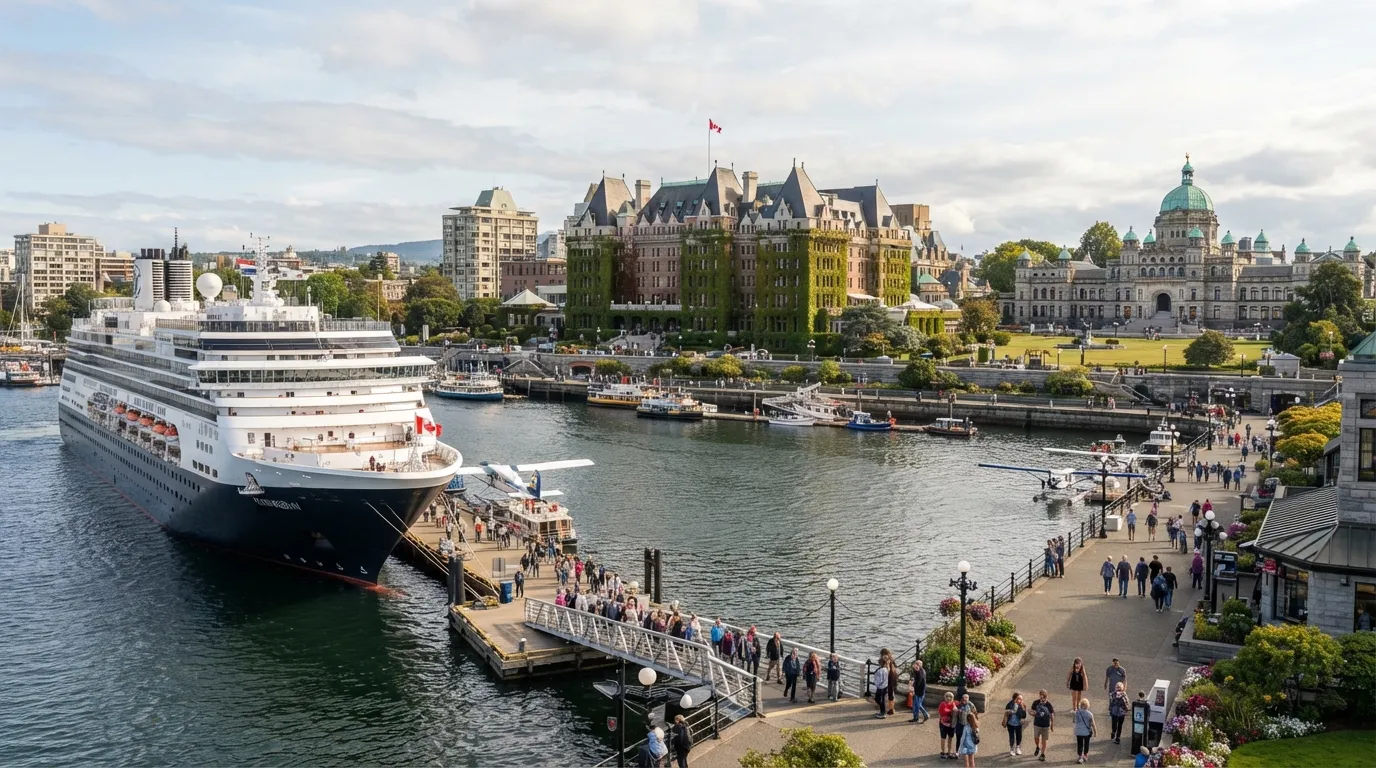
Under U.S. law, foreign-flagged ships sailing between U.S. ports generally must call at a foreign port, which is why many Alaska itineraries include Victoria or another Canadian stop. That’s why a trip to Alaska can involve border documents.
Check your cruise line’s document requirements and bring a passport, which is the safest choice. And the last item might be the one that changes how you watch the glaciers at #1…
#1 – Park Rangers Can Come Aboard to Narrate
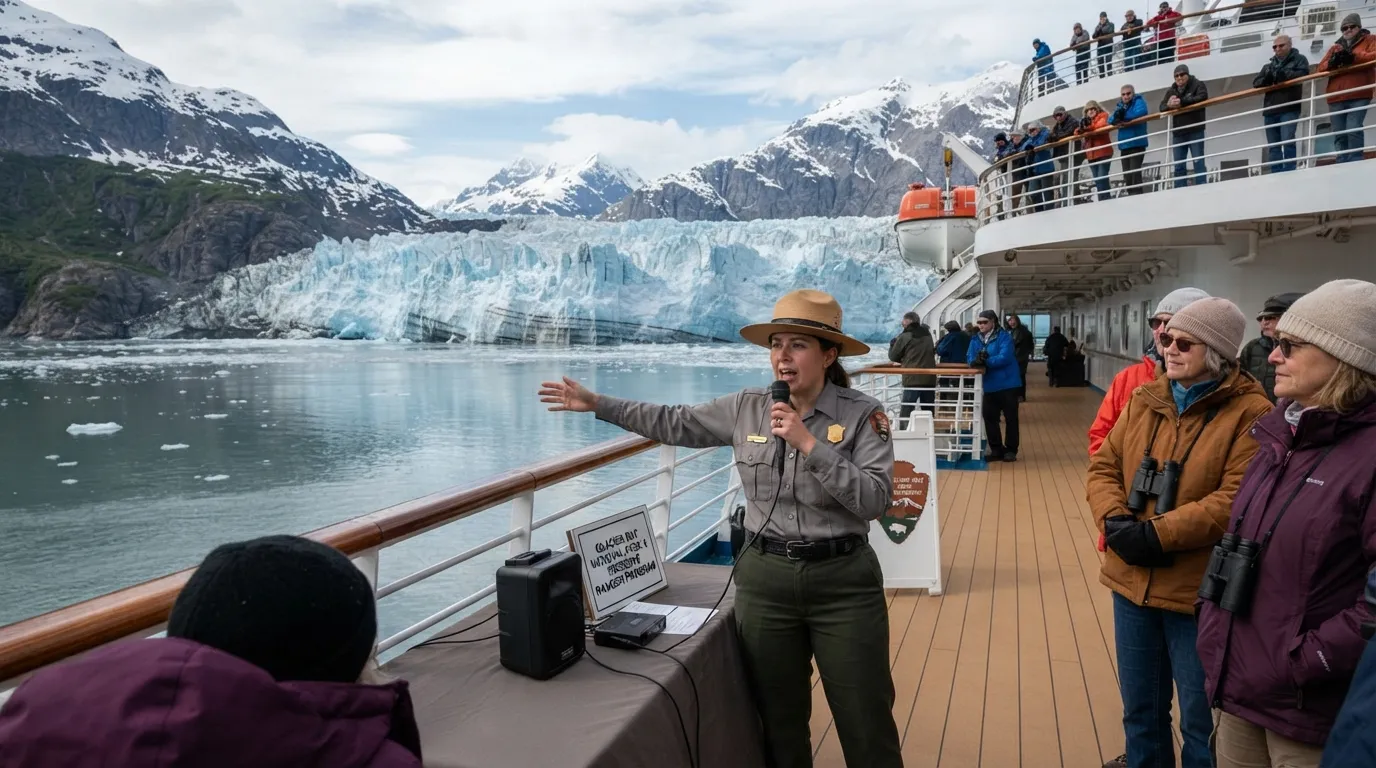
On Glacier Bay days, National Park Service rangers board cruise ships to share the park’s story as the ship moves through the bay. They are there to explain what you’re seeing, from the glaciers to the wildlife.
Listen, ask questions, and look where they point. The glacier may be the headline, but the details are what make the day unforgettable.
CEO-Co-Founder