
- 15 Banned Books That Became School Staples - October 22, 2026
- 16 Sitcoms That Replaced Their Lead Actor and Stayed on Air - October 22, 2026
- 17 Things Nobody Tells You About Airport Overnight Stays Until the First Delay - October 22, 2026
The lights dim, the wheels hum, and a whole carriage is supposed to drift off together, until one passenger decides the rules are for everyone else.
These are the 18 habits that rail etiquette guidance and carriage rules keep circling back to, and the one at #1 is the one that catches almost everyone off guard.
#18 – Holding Loud Conversations After Quiet Hours Begin
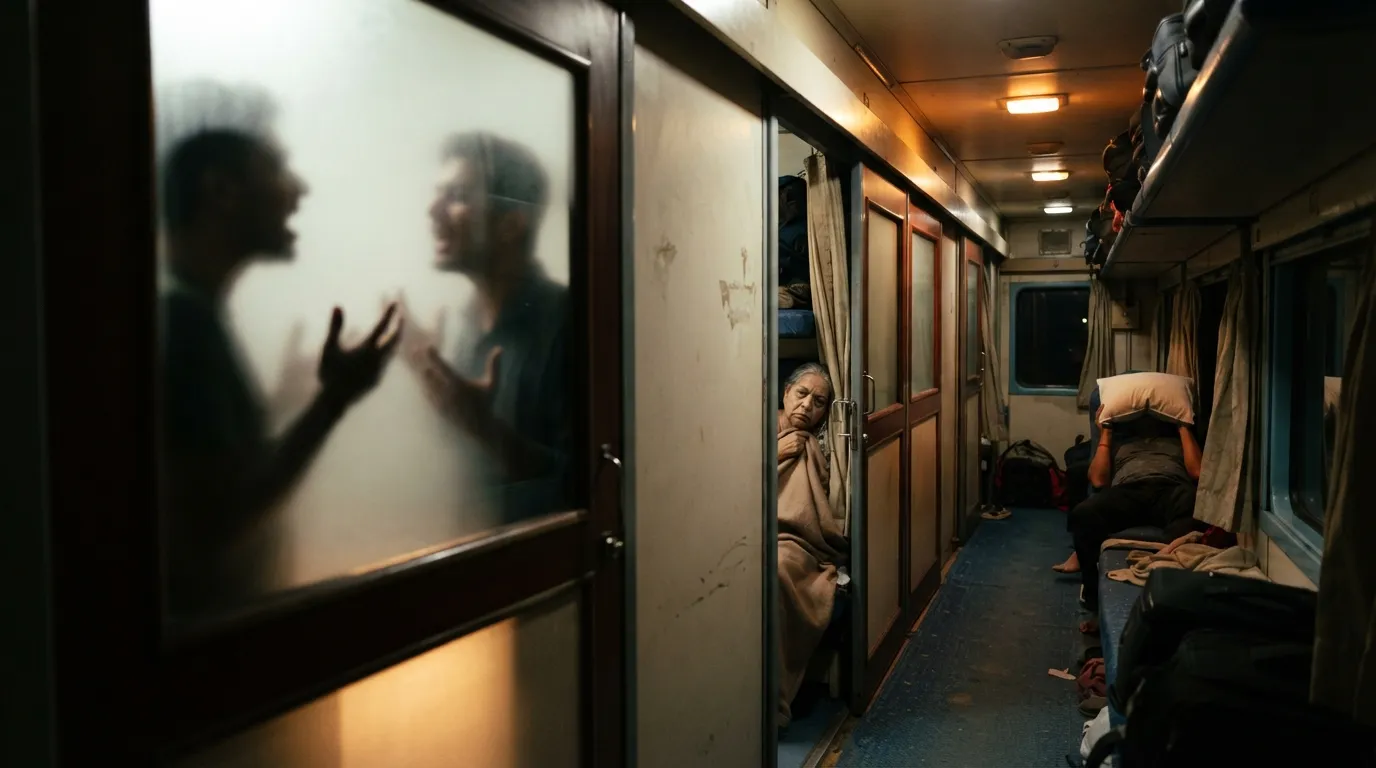
Operators such as Indian Railways set night-time rules, including no loud talking after 10 PM, so everyone in the carriage can sleep. Some passengers keep chatting at full volume anyway, forgetting that sound slips easily through thin partitions and open corridors.
Crew typically ask the group to lower their voices or move to a non-sleeping area if one exists. A closed compartment door feels private, but it rarely is.
#17 – Playing Audio on Speaker Instead of Headphones
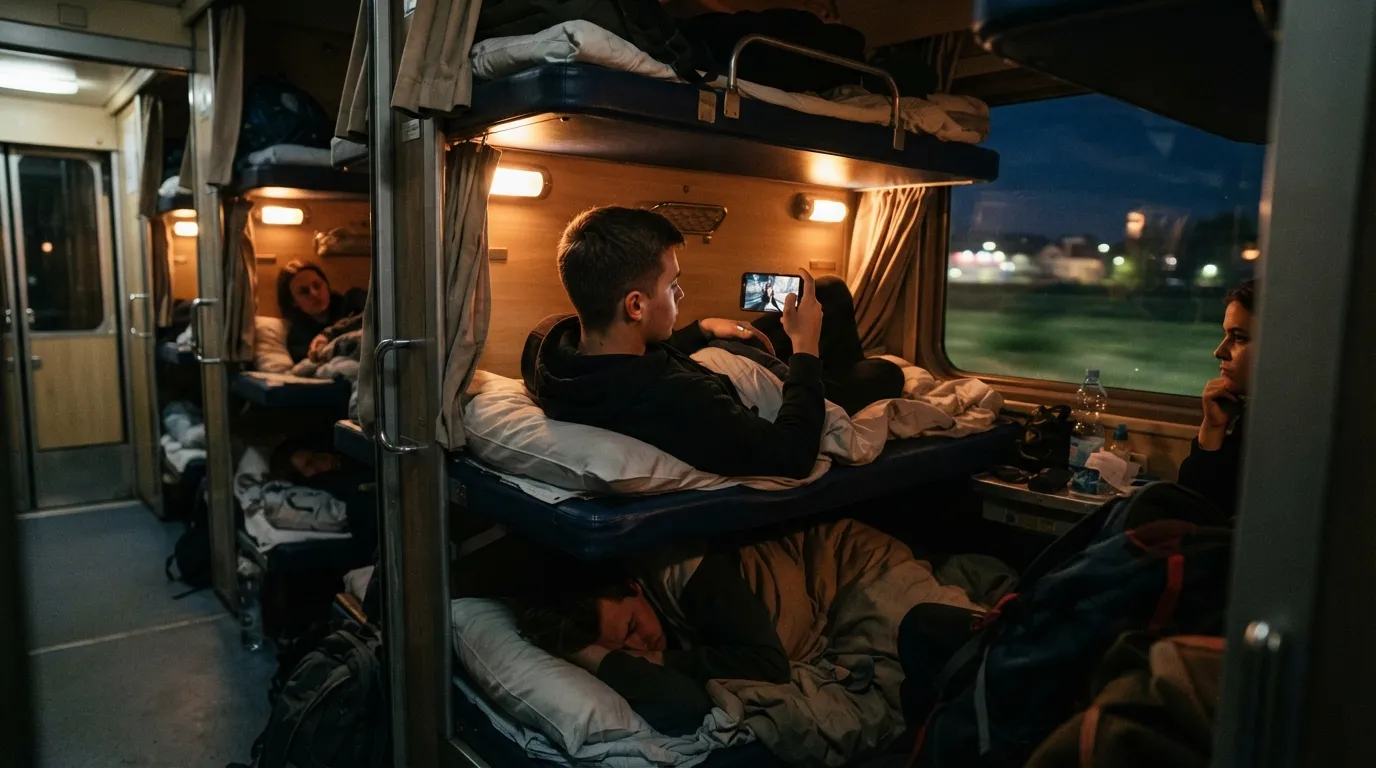
Many European night train operators and Amtrak ask passengers to keep sound to headphones in shared and sleeping areas. One video or call on speaker can reach several compartments at once.
A shared sleeping space becomes an accidental broadcast system. Staff usually step in with a reminder and a request for headphones or a lower volume.
#16 – Placing Feet on Seats or Shared Surfaces
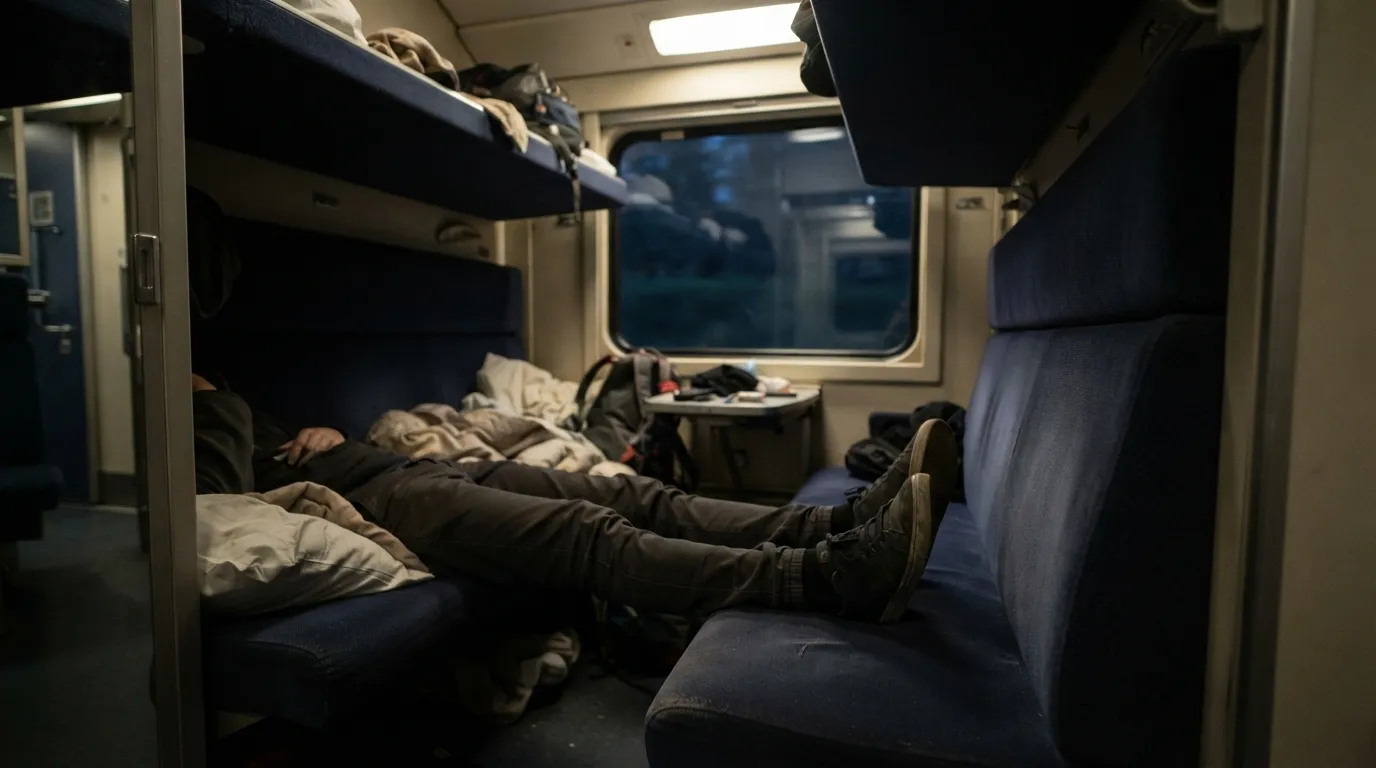
Passenger conduct rules on many railways, including SNCF and Amtrak, ask travelers to keep shoes and feet off seats. The next person will sit on that exact spot, and on a night train it may also become someone’s bed.
Crew usually just ask the passenger to put their feet down. Shoes on bedding are the sharpest version of the problem.
#15 – Leaving Bright Lights and Screens On While Others Sleep
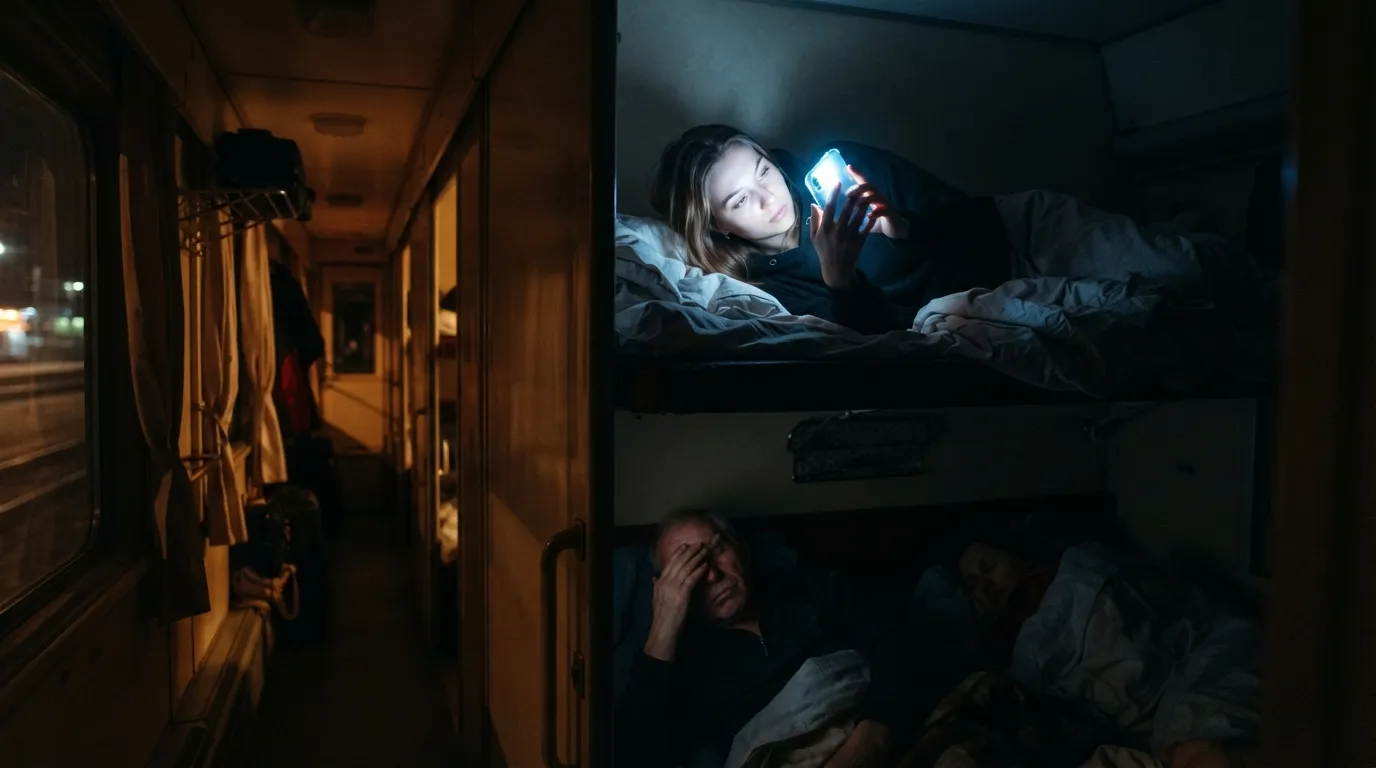
Night trains dim the corridor lights for a reason. A reading light left blazing or a phone screen glowing at full brightness can undo that in a shared compartment.
Operators generally expect passengers to use only their own berth light and keep screens low after lights-out. Crew will often ask someone to switch off the main light if others are trying to sleep.
At a Glance
- Use your own berth light, not the main compartment light.
- Turn phone brightness down before lights-out.
- Corridor dimming is deliberate, so do not work around it.
- If the main light is on and someone is trying to sleep, crew can step in.
#14 – Slamming Doors and Stomping Through the Corridor
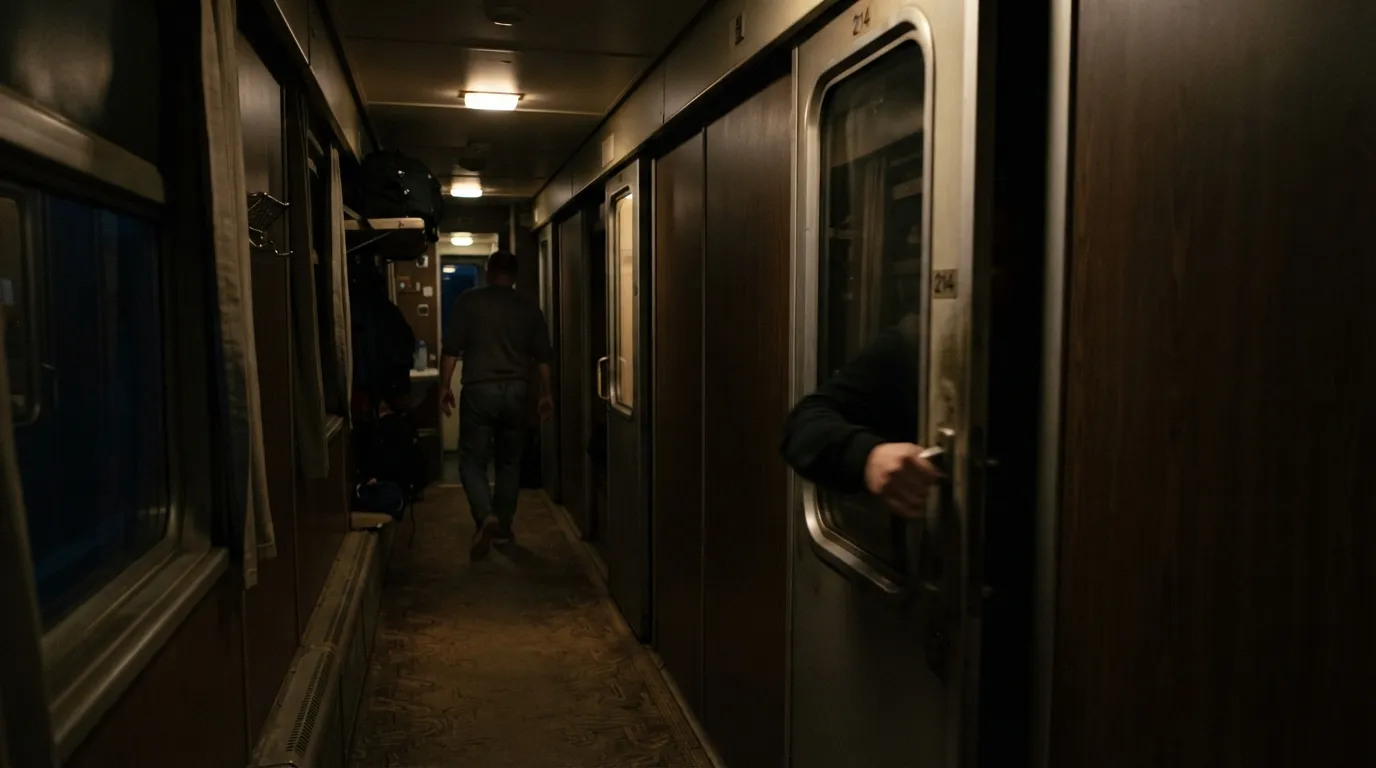
Compartment doors, sliding partitions, and corridor floors carry thump and rattle through the whole carriage. A door let go at 2 AM sounds like a gunshot to a light sleeper.
Quiet-hours rules cover movement as well as talking. Crew commonly remind passengers to close doors gently and keep late-night trips to the toilet as quiet as possible.
#13 – Unpacking Strong-Smelling Food in a Shared Space
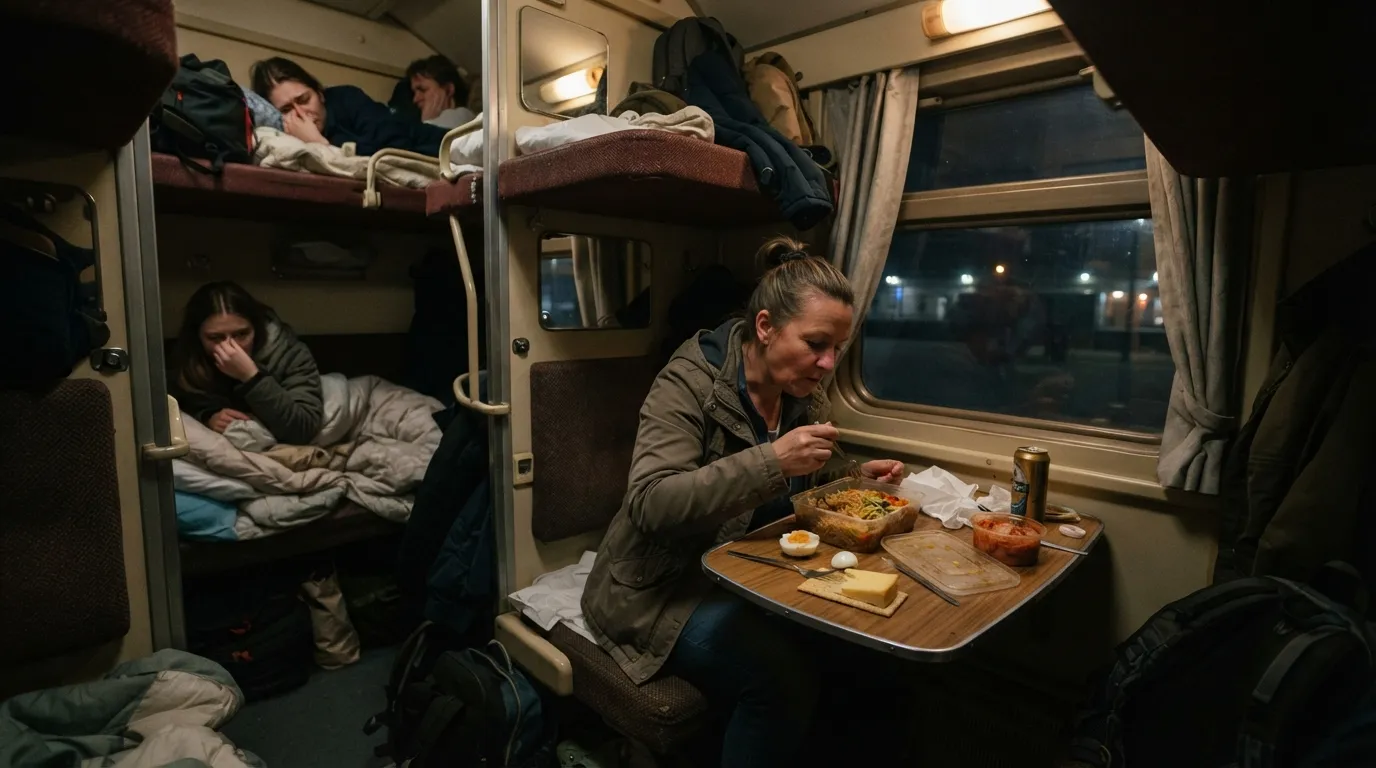
Hot takeaway, boiled eggs, and pungent cheese are fine at a picnic. In a closed carriage with limited ventilation, the smell hangs around for hours.
Many operators ask passengers to be considerate about eating in shared sleeping areas, and some steer meals to dining or café cars. Crew usually suggest moving the meal or finishing it quickly and bagging the leftovers.
#12 – Smoking or Vaping Where It Is Banned
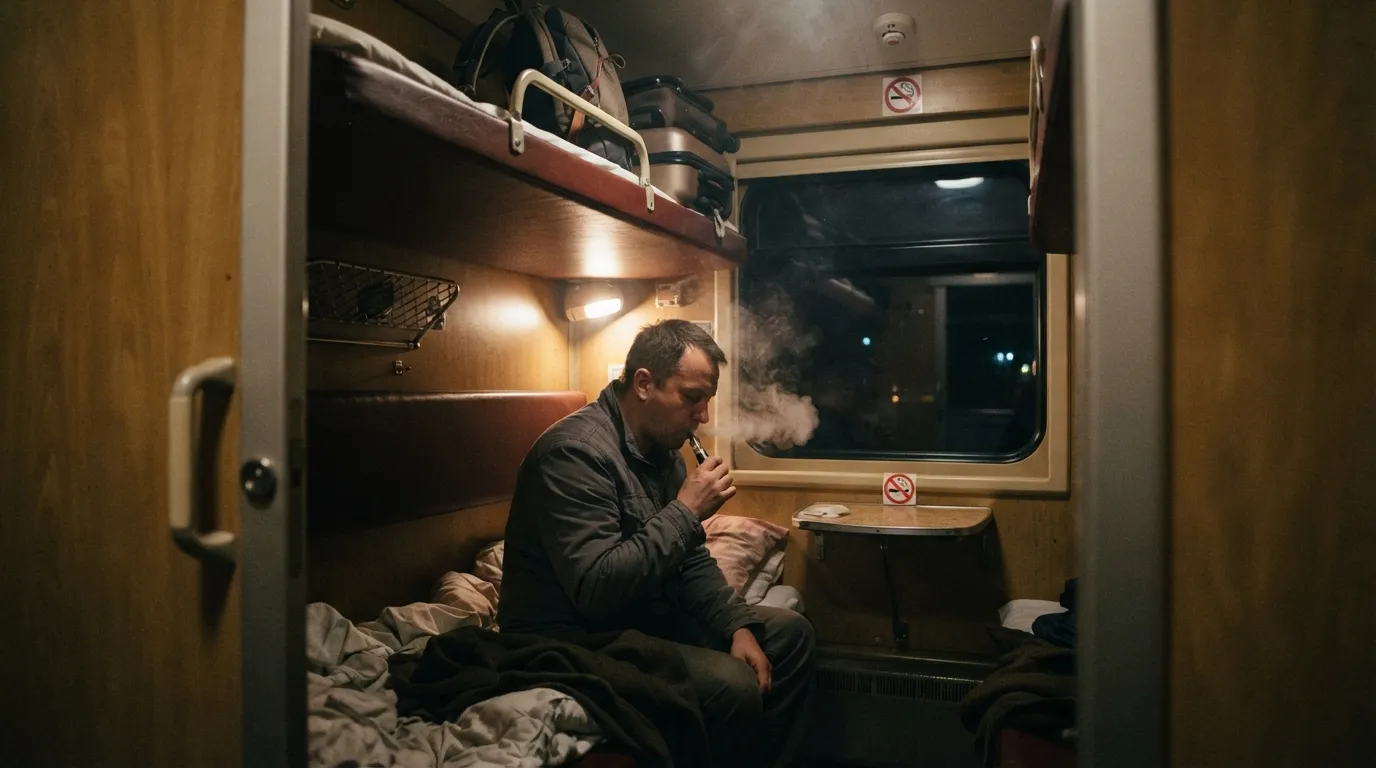
Smoking is banned in nearly all passenger carriages on major networks, and many operators extend that to e-cigarettes. A closed sleeping compartment makes the smell and the fire risk worse.
Crew treat it as a safety issue, not a courtesy one. Passengers are typically told to stop immediately, and repeated breaches can lead to fines or removal from the train.
#11 – Turning the Journey Into a Party
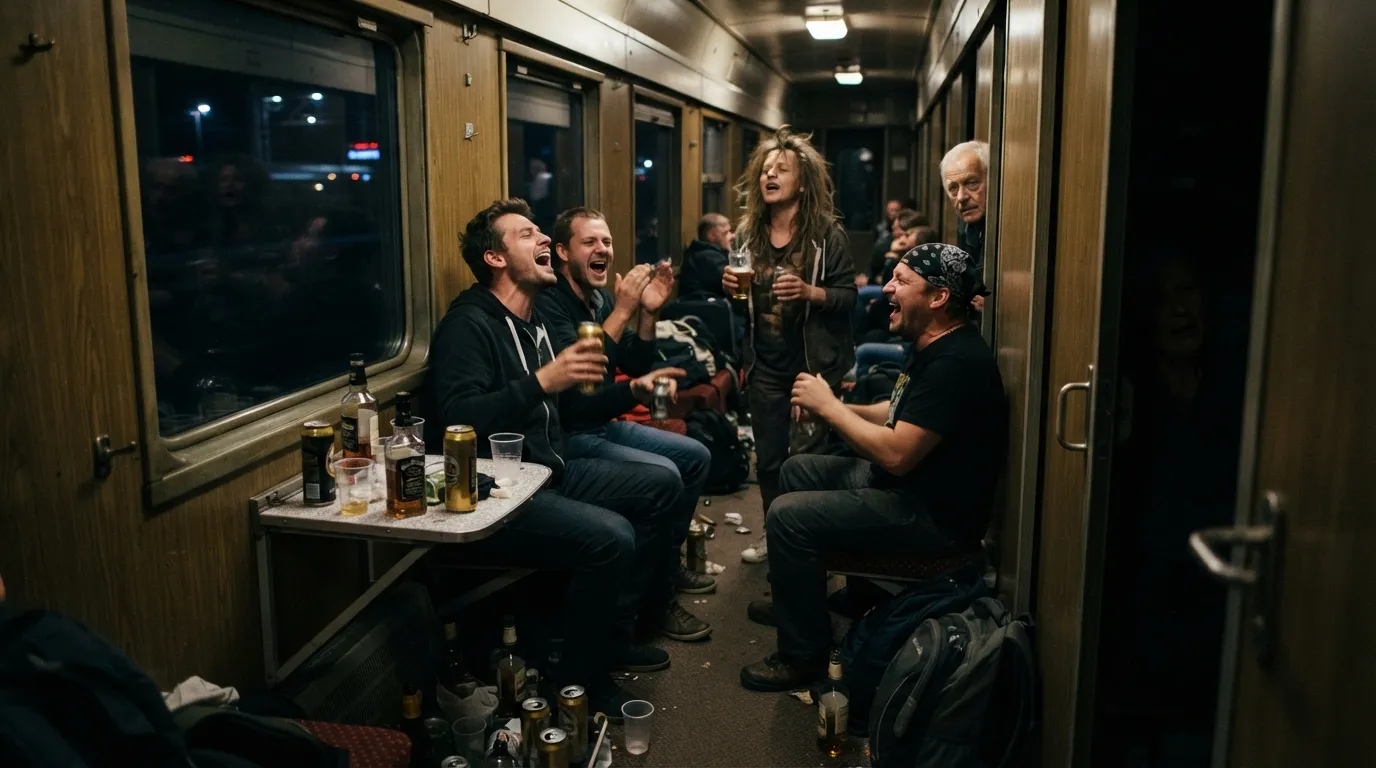
Alcohol rules vary by railway. Some prohibit it outright, as Indian Railways does, while others limit it in shared seating or allow it only in private rooms.
The trouble starts when a few drinks turn into loud singing and corridor wandering in the middle of the night. Crew can ask passengers to quiet down and, if it continues, may involve station staff or security.
Quick Compare
- Strictest: alcohol prohibited outright, as on Indian Railways.
- Middle ground: allowed, but limited in shared seating areas.
- Most relaxed: permitted only inside private rooms.
#10 – Taking a Berth That Is Not Yours
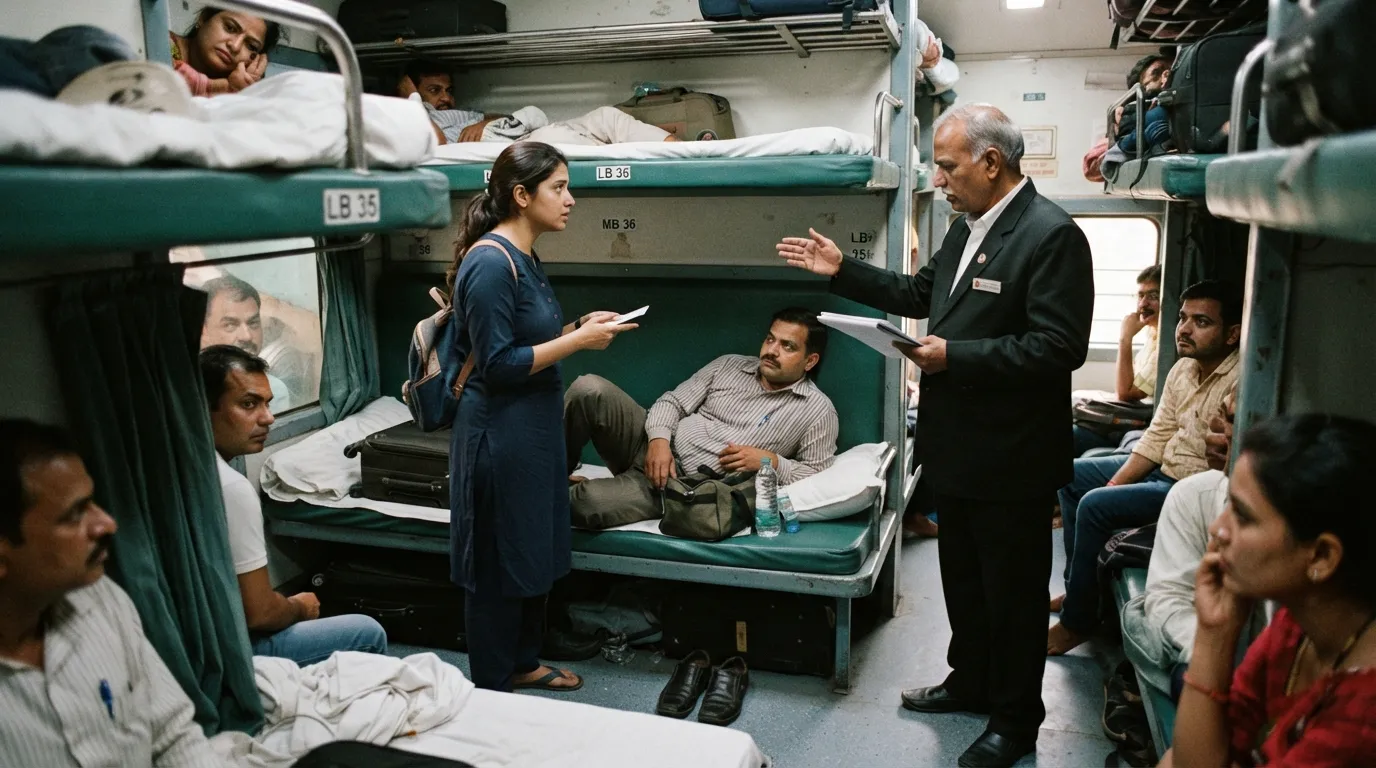
Berths are assigned, and the person who booked the bunk expects it to be free when they arrive. Stretching out on someone else’s bed, or refusing to move, can leave a tired passenger with nowhere to sleep.
Crew check tickets and berth numbers and will direct travelers back to their own allocation. Sleeping hours are also set, for example 10 PM to 6 AM on Indian Railways.
#9 – Leaving Trash Behind on Tables and Floors
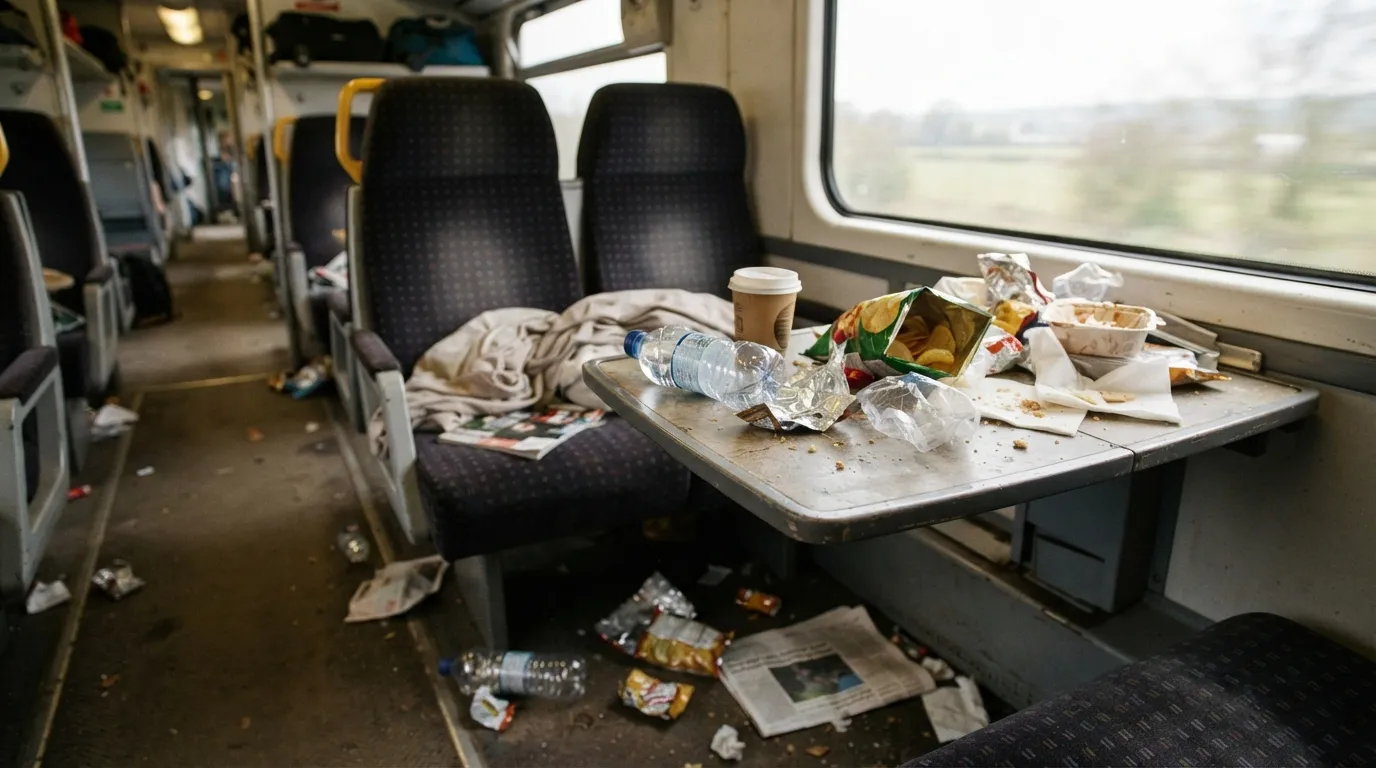
Cups, wrappers, and food containers left on a fold-down table do not stay put on a moving train. They roll, spill, and end up in someone else’s space.
Operators expect passengers to take rubbish with them or use the bins provided. Crew will often hand out bags or ask a passenger to clean up after themselves before the next person needs the table.
#8 – Hogging Shared Tables and Charging Sockets
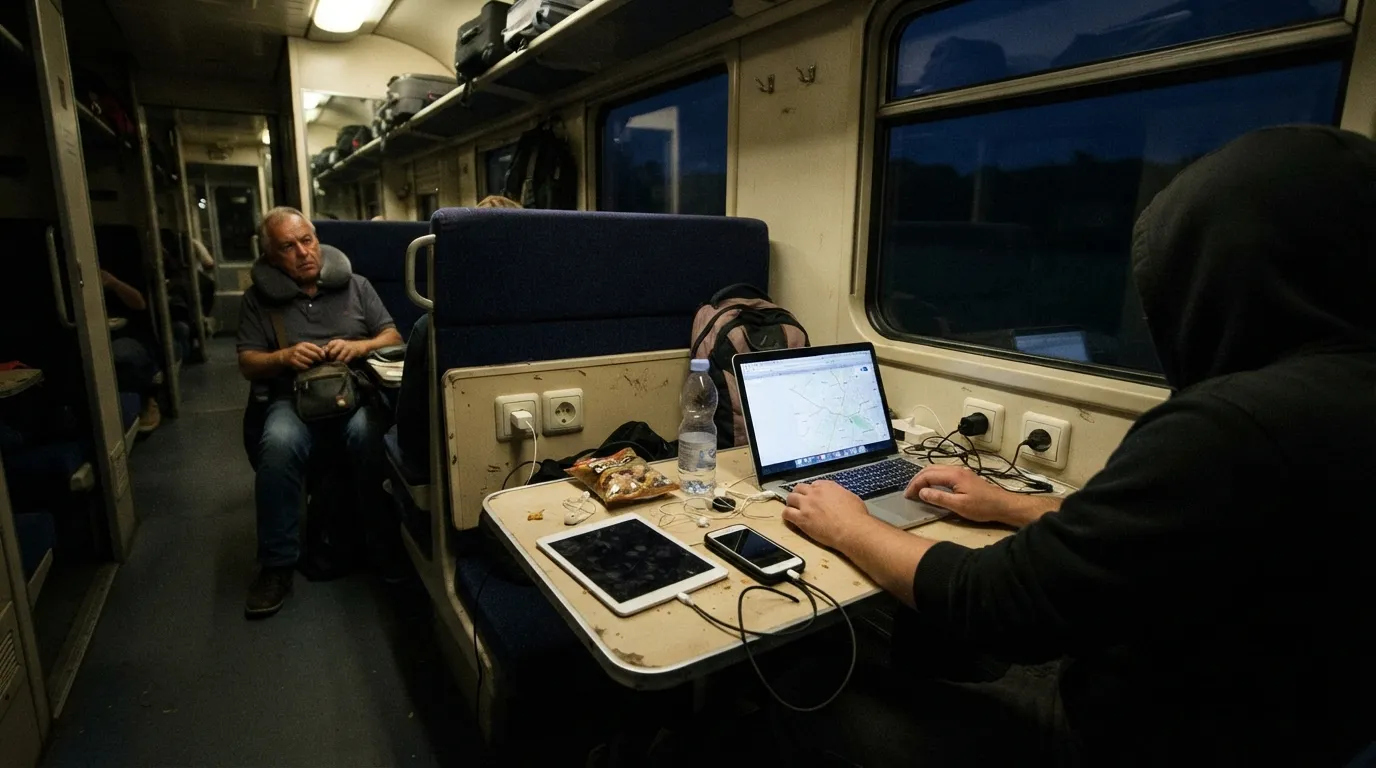
Fold-down tables and wall sockets are shared, but some passengers treat them as personal property, spreading out laptops, chargers, and snacks across the whole space.
Conduct guidance generally asks travelers to be considerate with shared facilities and not to leave devices running unattended. Crew will usually suggest sharing or switching over when others are waiting.
#7 – Lingering and Making a Mess in the Washroom
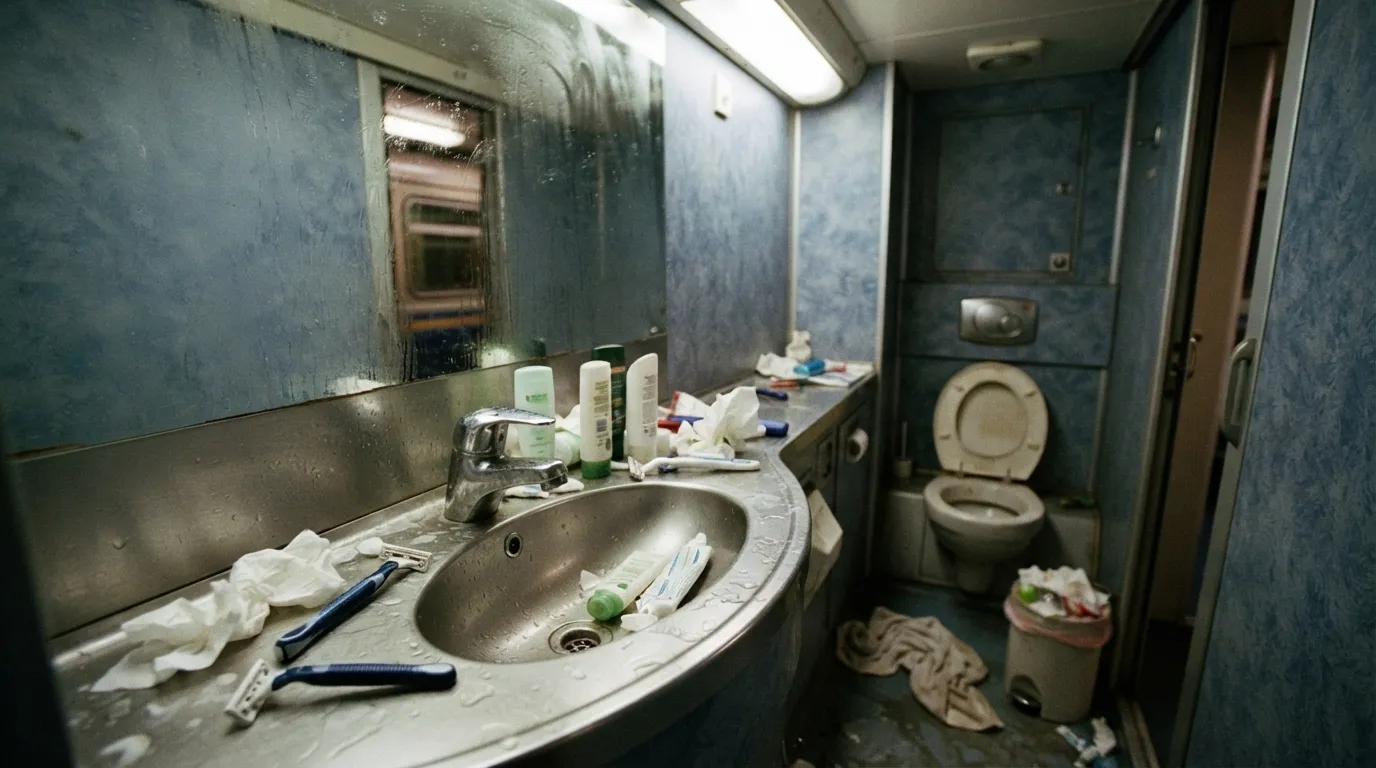
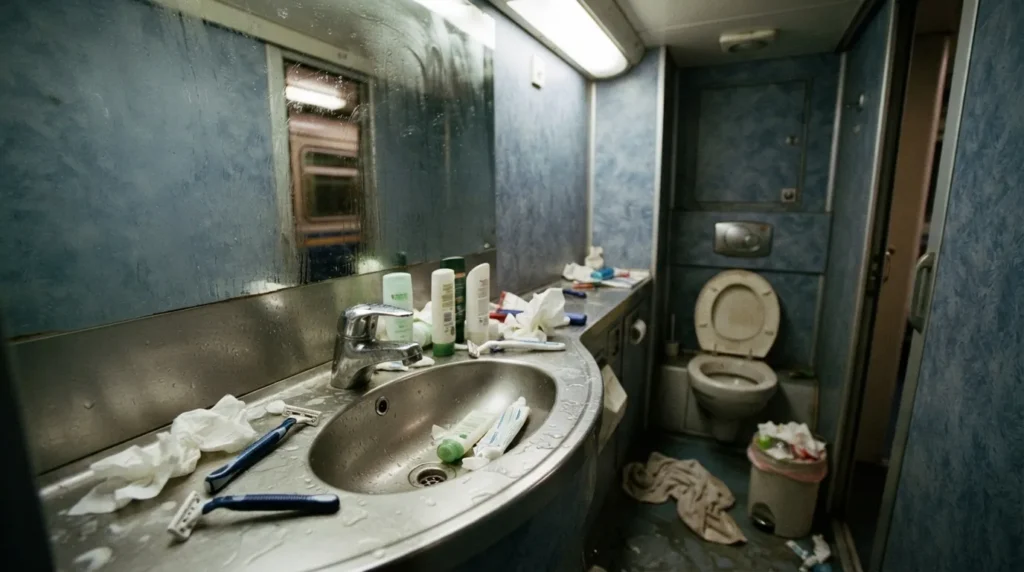
On a night train there may be only a couple of washrooms for a whole carriage. Using one as a personal dressing room or leaving it wet and littered can leave a line of people waiting.
Operators ask passengers to keep facilities clean and not to occupy them longer than needed. Attendants typically restock and tidy, but they cannot do it between every single visit.
Worth Knowing
- Washrooms are shared by the whole carriage, so time spent inside adds up for everyone.
- Wiping down wet surfaces helps the next person.
- Attendants restock, but not after every visit.
- Long grooming routines are better saved for a station stop or home.
#6 – Letting Children Run and Shout in the Corridor
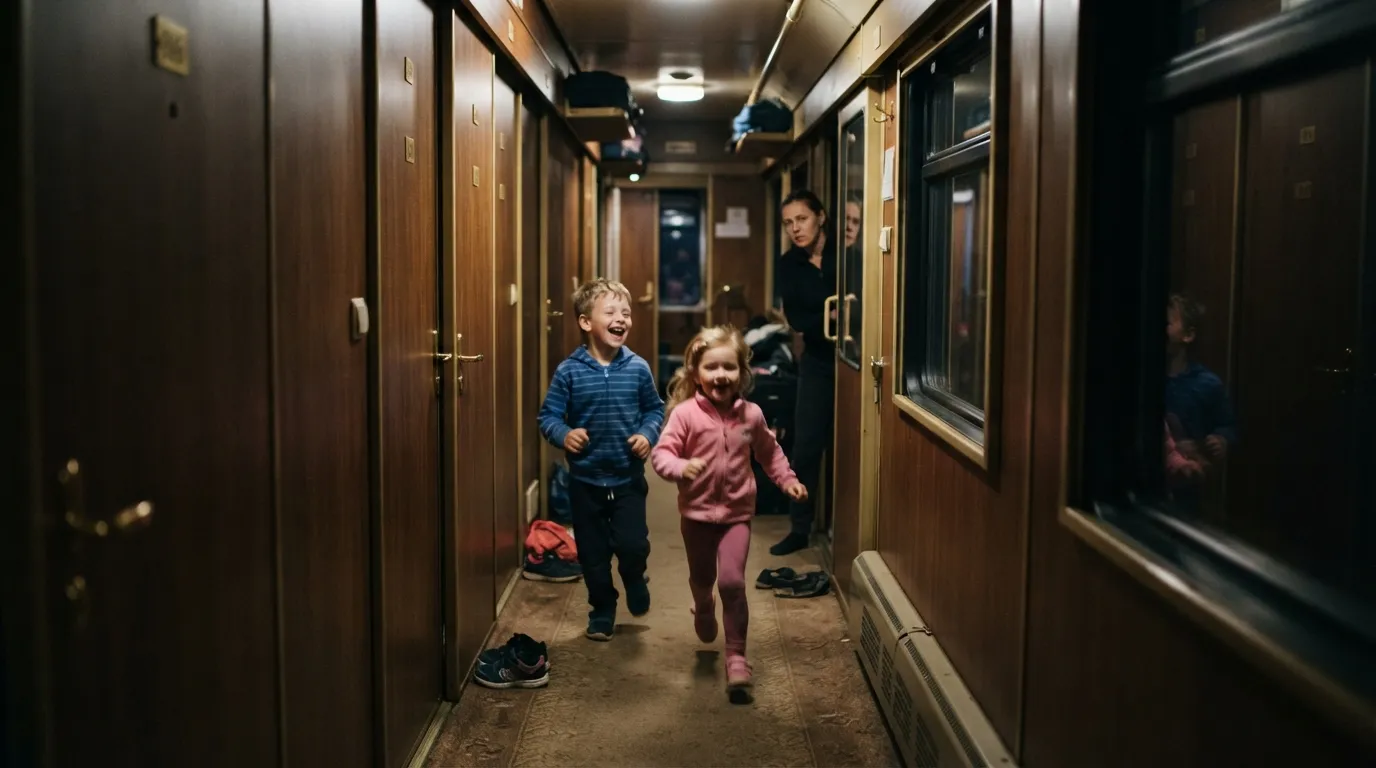
Children on an overnight train are excited, and that is understandable. But corridors are narrow and doors are heavy, so running creates both noise and a genuine risk of injury.
Quiet-hours rules apply to every passenger, and most operators expect adults to supervise young travelers. Crew usually start with a friendly word to the parents and suggest calmer activities.
#5 – Arguing With Crew or Ignoring Their Instructions
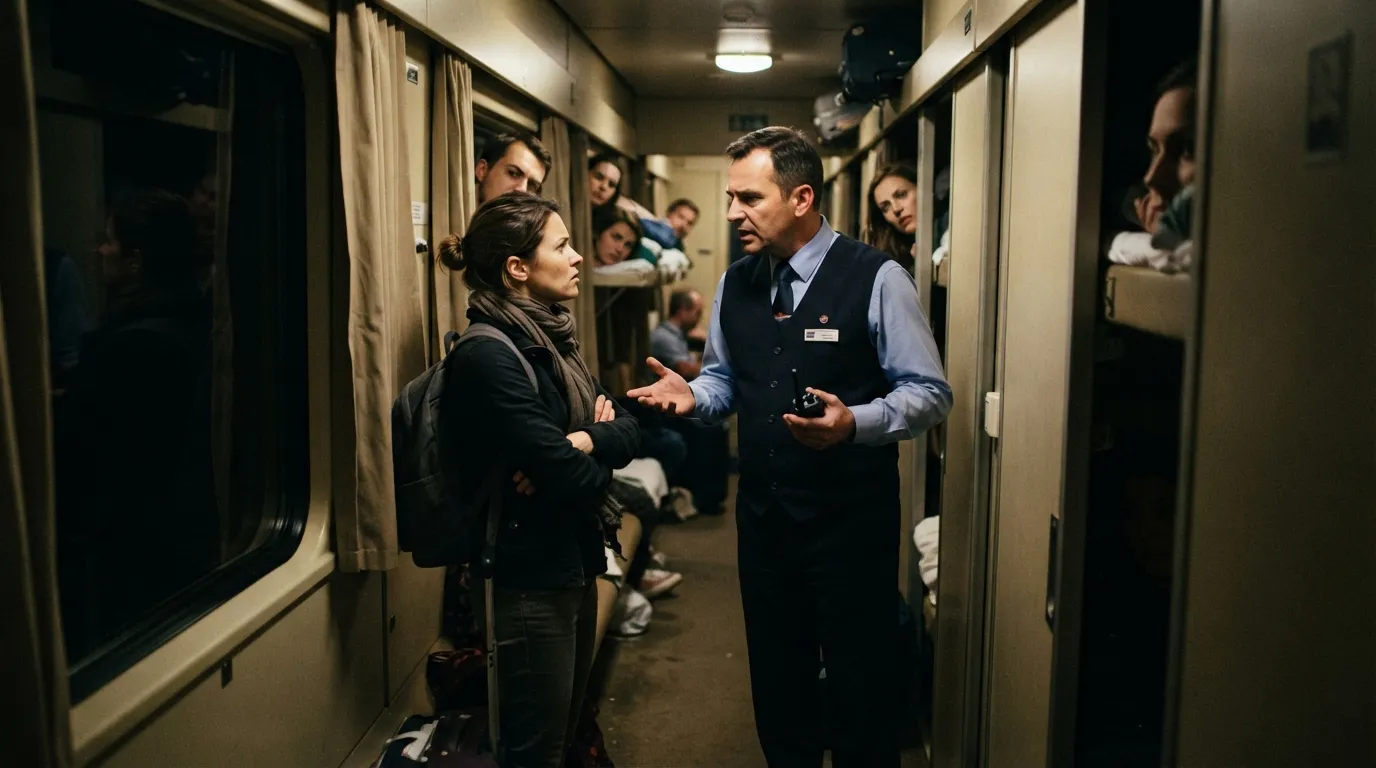
The attendant on a night train is often handling dozens of passengers alone. A heated argument over a noise request or ticket check can wake the whole carriage and delay the job of getting everyone settled.
Crew guidance emphasizes reminders and de-escalation. If a passenger keeps refusing, staff can escalate to a supervisor or station staff and may arrange for the person to be removed at the next stop.
#4 – Tampering With Doors and Emergency Equipment
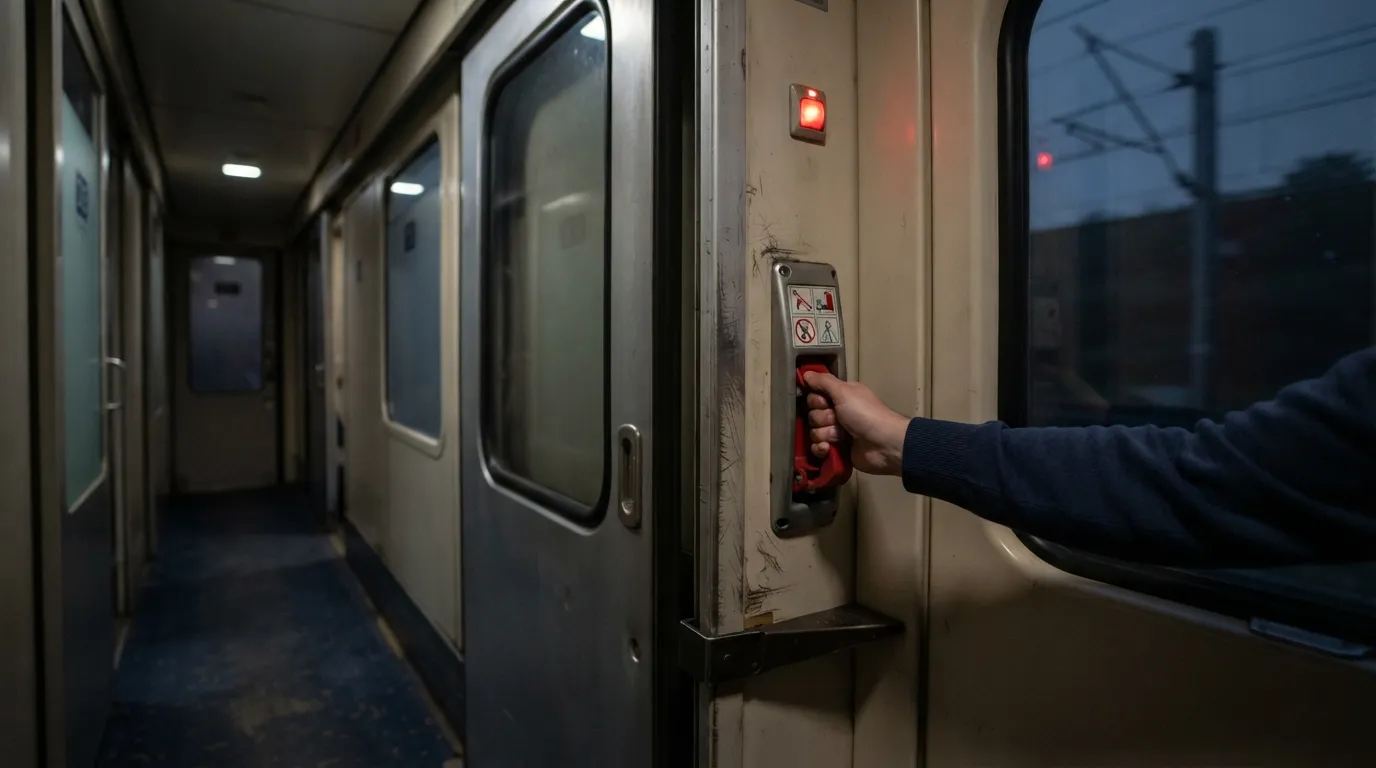
Propping a door open for fresh air, fiddling with window locks, or playing with emergency handles may feel harmless. But these items exist for safety, and tampering can trigger delays or alarms.
Operators state that emergency equipment is for emergencies only, and improper use can bring fines or other penalties. Crew will often ask passengers to leave it alone and may report repeat behavior.
Fast Facts
- Emergency equipment is for emergencies only.
- Tampering can trigger alarms and delay the whole train.
- Improper use can bring fines or other penalties.
- Crew may report repeat behavior.
#3 – Bringing More Luggage Than the Racks Can Hold
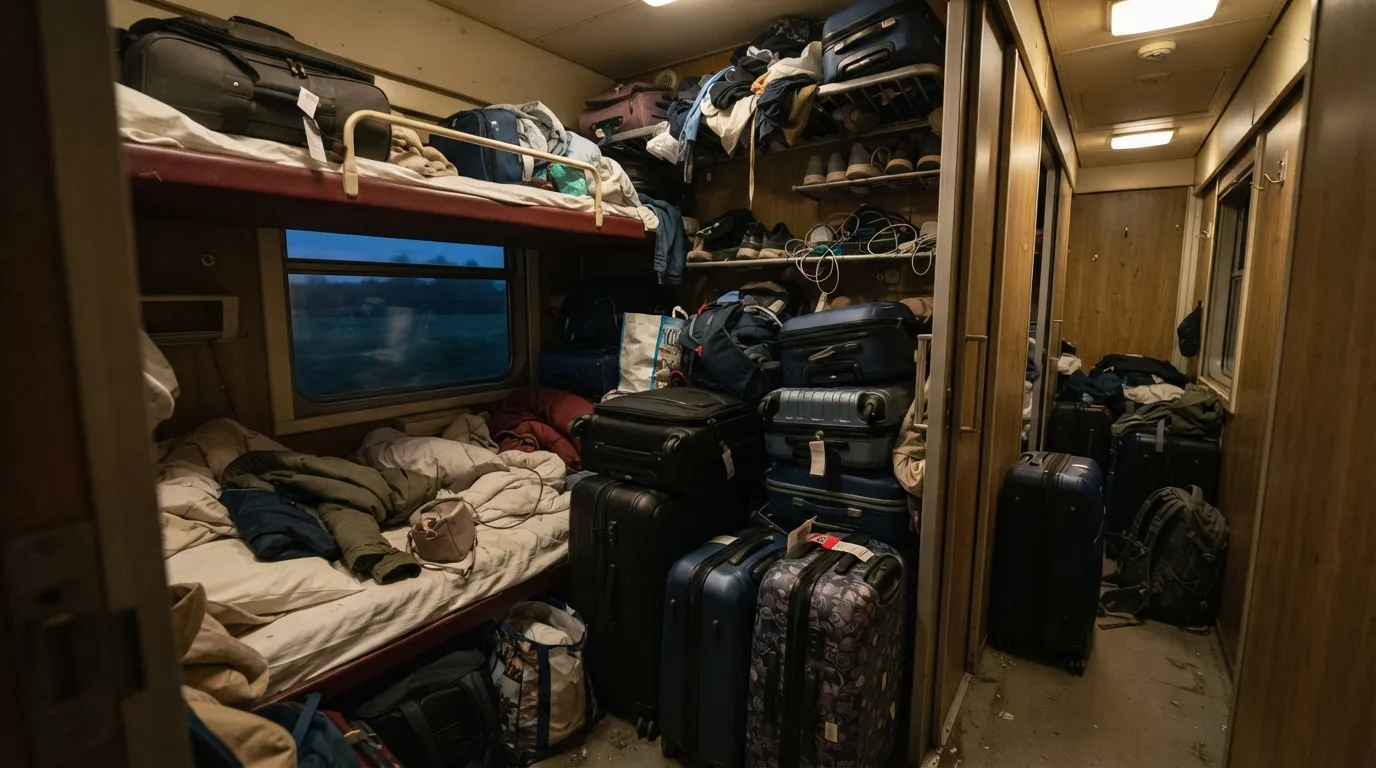
Overnight compartments have limited storage, and some travelers pack as if they have a hotel room. Oversized bags end up on seats, in the aisle, or under someone else’s feet.
Operators publish luggage allowances and expect bags to go in designated racks or storage areas. Crew may ask a passenger to reduce what they carry in the compartment or move items to a luggage car if the train has one.
#2 – Letting Phone Alarms Ring Unattended
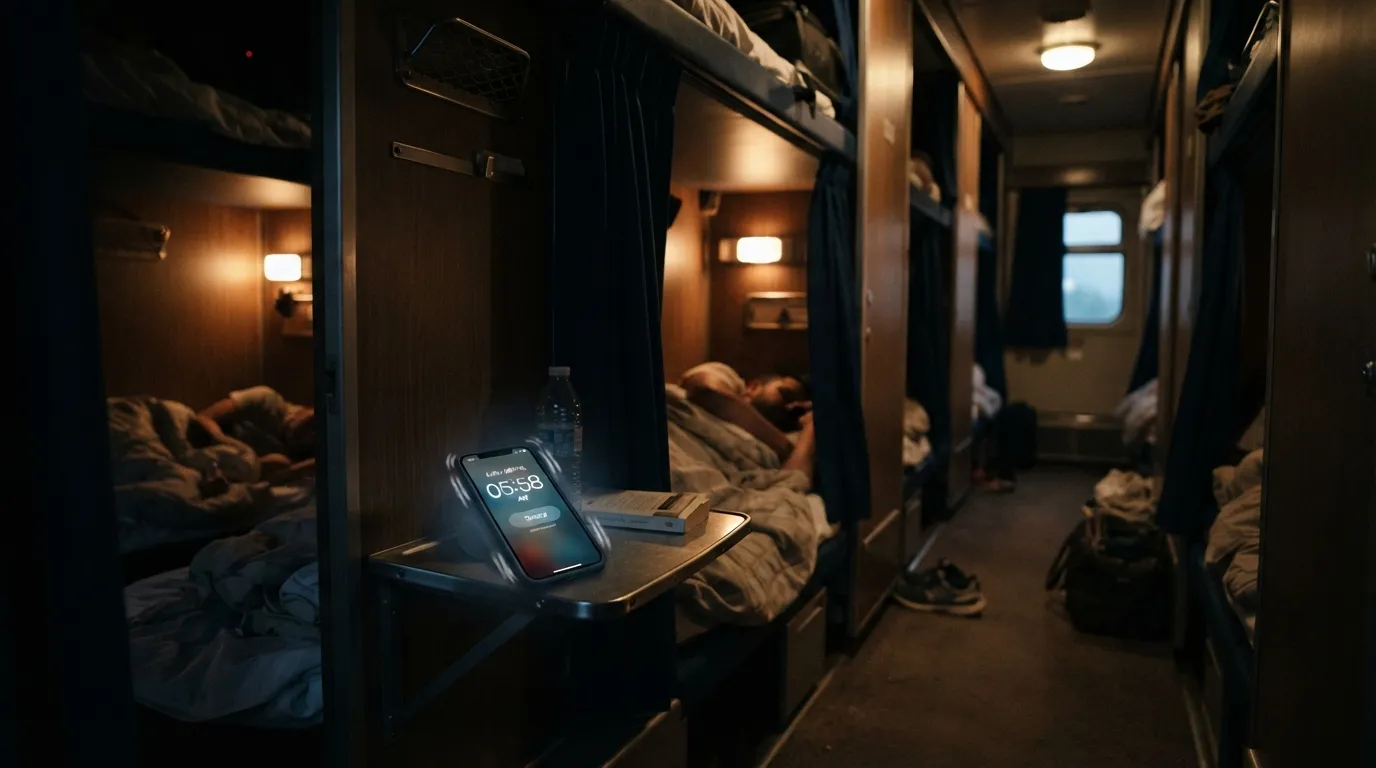
A phone alarm set for an early arrival is sensible. A phone alarm that rings, snoozes, rings again, and is ignored by a sleeper is a repeating wake-up call for everyone nearby.
Quiet-hours rules cover device noise as well as speech. Crew commonly knock or ask neighbors to silence a phone, and some passengers are advised to use vibration-only settings overnight.
#1 – Blocking Hallways and Exits With Luggage Before Arrival
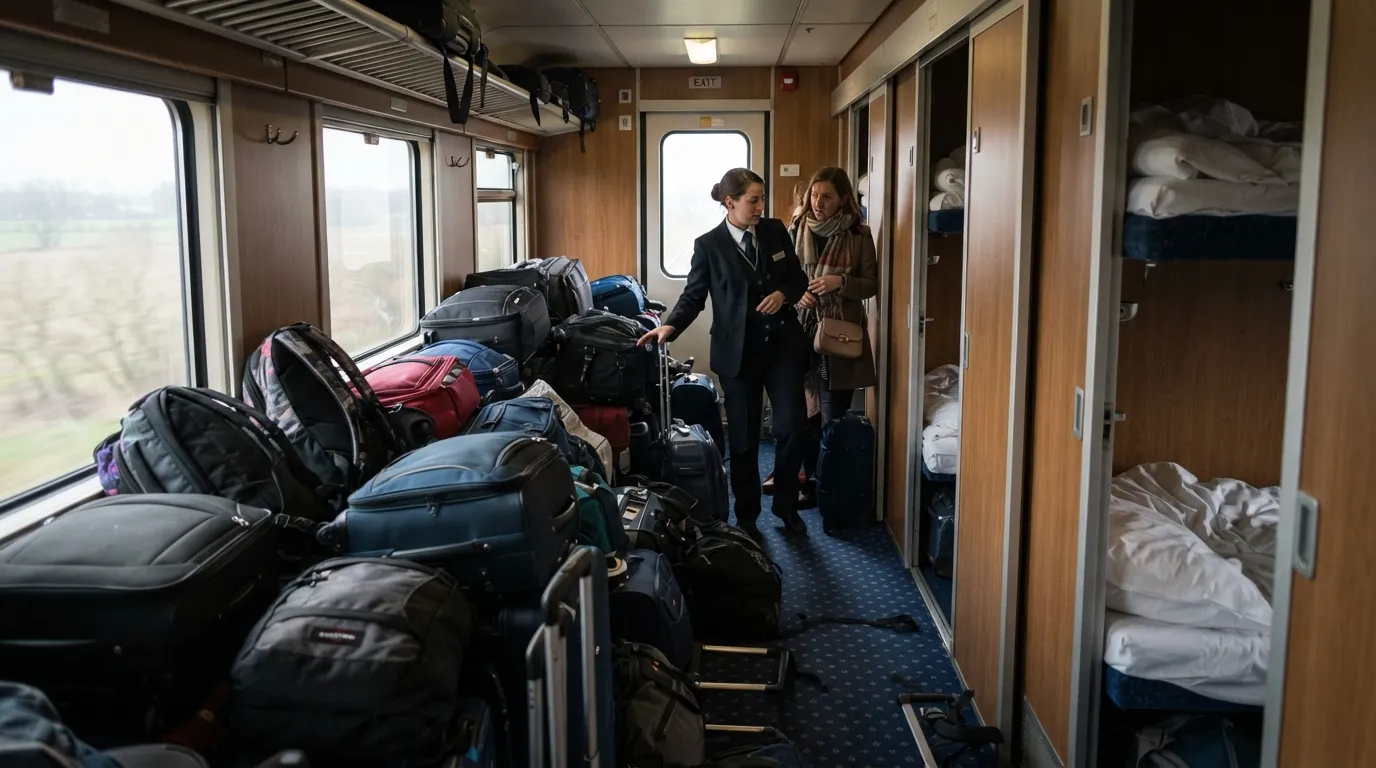
The final offense takes place just before the station: passengers pack early, strip their berths, and pile bags in the corridor an hour ahead of time. Everyone behind them is stuck.
Operators generally require bags to stay in racks or storage areas and corridors to remain clear. Staff have to work around the obstruction to help other passengers, and a blocked exit is a safety concern as well as an annoyance.
The habit that looks the most organized is the one that quietly jams the whole carriage.
The Bottom Line
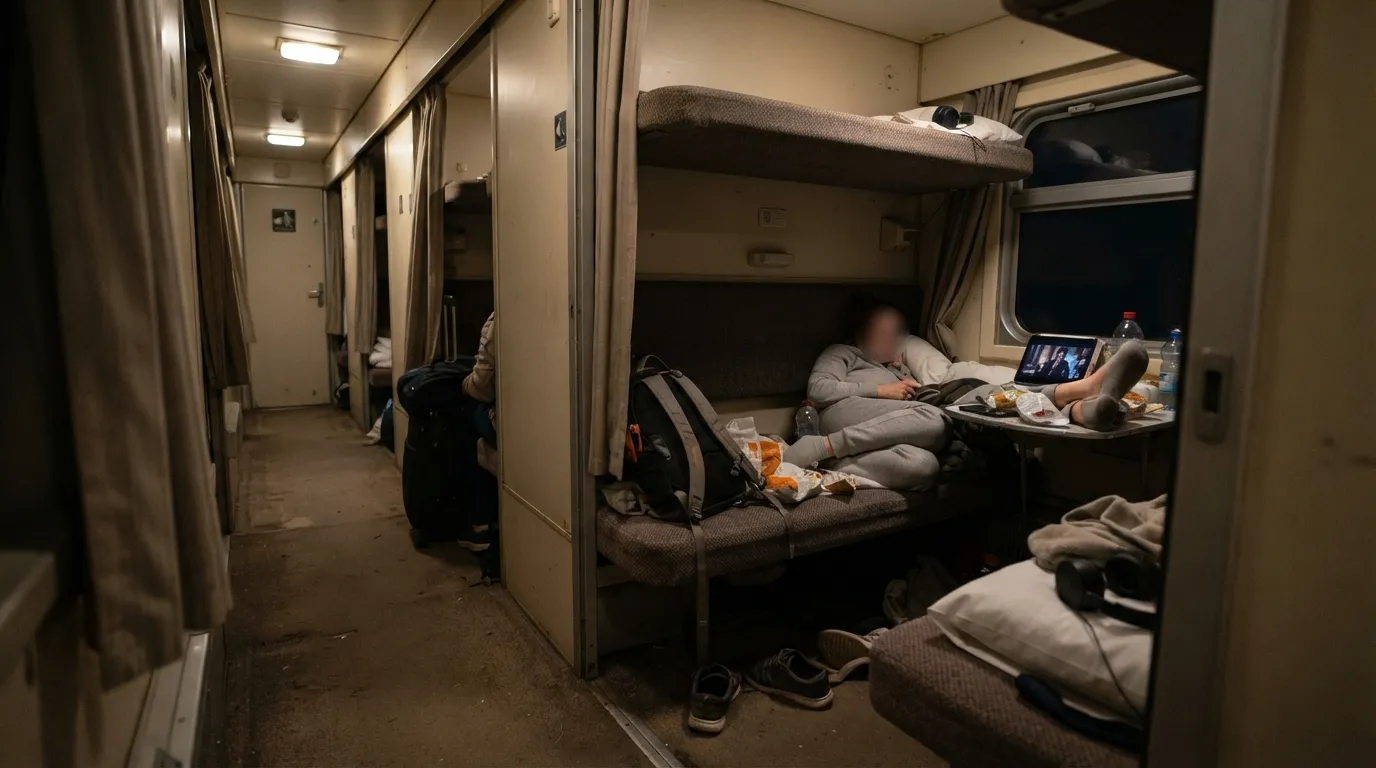
Across operators, the same small behaviors keep turning shared night carriages into sources of frustration. Quiet hours, headphone rules, feet-off-seats policies, and clear-aisle requirements exist because one person’s choice lands on a dozen people at once.
Crews usually lean on reminders and de-escalation rather than confrontation. The most common miscalculation is treating a shared carriage like a private room. Did we miss one? Drop it in the comments.
CEO-Co-Founder