

- 15 Songs That Sparked Generational Movements - October 14, 2026
- How American Memoirs Changed Global Diplomacy - October 14, 2026
- 27 Celebrities Who Were Everywhere in the 1970s and Then Suddenly Stepped Away - October 14, 2026
Most people would give anything for a No. 1 hit, a sold-out tour, and a fanbase that knows every word. These musicians had all of it, and they still headed for the exit. Some were burned out, some were pushed, some were fighting health battles, and a few simply wanted a life that wasn’t a schedule.
The destinations are the surprising part. A farm in Georgia, an antiques business, a chiropractor’s office, a cookbook, a house-flipping show. The most dramatic walkaway in pop history is still waiting at #1.
#21 – Russell Senior (Pulp)
Pulp spent years as a cult band nobody could quite place. Then Different Class arrived in 1995, “Common People” became an anthem, and they were suddenly Britpop royalty. Russell Senior, the guitarist and violinist who had been there through the lean years, left in 1997.
The timing stung because the payoff had finally arrived. Senior had reportedly grown weary of the touring and promotion treadmill, and he wasn’t thrilled about where the band’s sound was heading. He chose to go rather than let the frustration sour the group.
He rejoined for Pulp’s 2011 reunion tour but never came back full time. Waiting a decade for the party to start and leaving just as the doors opened is a very specific kind of exit.
#20 – Jim Martin (Faith No More)
Faith No More’s Angel Dust (1992) was a strange, heavy, brilliant album that cemented the band as impossible to categorize. Guitarist Jim Martin, a major source of their crunching metal edge, was gone the following year.
Strictly speaking, Martin didn’t quit so much as get shown the door. The split is generally traced to clashing tastes. The band was drifting toward funk, keyboards, and odder pop textures, while Martin reportedly wasn’t happy with that direction.
Faith No More recorded King for a Day… Fool for a Year with a new guitarist. Martin pulled back from the spotlight and released little music afterward. His riffs remain one of the defining sounds of early-’90s heavy rock, which makes the timing hard to shake.
#19 – Ronnie DeVoe (New Edition / Bell Biv DeVoe)

Ronnie DeVoe was there from the beginning, when New Edition broke out with “Candy Girl” in 1983. He then rode the group’s splintering into Bell Biv DeVoe, whose 1990 hit “Poison” became one of the defining sounds of new jack swing.
DeVoe is the quietest quitter on this list, because he never fully left. Instead, he stopped treating music as his only identity and built a second life in business, including real estate. While peers kept chasing the next chart cycle, he went looking for something steadier.
The groups still tour, and New Edition’s story reached a new audience with the 2017 TV miniseries The New Edition Story. DeVoe proved there is a middle path between the stage lights and total disappearance, where the music is still there but the whole identity isn’t built on it.
#18 – Kevin Jonas (Jonas Brothers)

The Jonas Brothers went from Disney Channel stars to arena headliners, with platinum success and screaming crowds everywhere. Then, in October 2013, they cancelled a tour and announced the group was done. It was a gut punch for fans who had assumed the brothers were unstoppable.
Kevin, the oldest brother, did not rush back to the stage. He turned to business ventures, real estate among them, and chose a life with more normal hours than a boy-band schedule allowed.
The ending turned out to be a pause. In 2019 the brothers reunited, “Sucker” debuted at No. 1 on the Hot 100, and Happiness Begins followed. The quit that shocked everyone also became the reason the comeback felt so big.
#17 – Vanilla Ice
In 1990, Vanilla Ice was everywhere. To the Extreme spent 16 weeks at No. 1 on the Billboard 200, and “Ice Ice Baby” became the first hip-hop single to top the Hot 100. Few artists have ever had a bigger year.
Fast Facts
- Peak year: 1990, with To the Extreme and “Ice Ice Baby”
- Album run: 16 weeks at No. 1 on the Billboard 200
- Big-screen stumble: the film Cool as Ice
- Second act: the home-renovation show The Vanilla Ice Project
Then the backlash hit just as fast. His movie Cool as Ice flopped, critics turned on him, and the rapper who’d been on top of the world was suddenly a punchline. He eventually stepped away from the pop machine and reinvented himself.
Years later he showed up as a home renovator, starring in The Vanilla Ice Project. He has released music on and off since, but flipping houses became the story people tell. It’s a rare case where the second act is as famous as the first.
#16 – Coolio

“Gangsta’s Paradise” was not a normal hit. Released in 1995 on the Dangerous Minds soundtrack, it dominated radio worldwide and won Coolio a Grammy. He had one of the biggest rap songs of the decade.
He never fully left music, but the spotlight kept moving. Eventually he found a second identity in the kitchen, launching the web series Cookin’ with Coolio and releasing a cookbook with the same playful spirit.
Fans who remembered him as the intense voice of “Gangsta’s Paradise” were often startled to see him chopping ingredients on camera. Coolio died in 2022 at age 59. The cooking chapter is a reminder that some artists keep reinventing themselves when the charts go quiet.
#15 – Terry Chimes (The Clash)

Terry Chimes drummed on The Clash’s 1977 debut, though he was credited as “Tory Crimes.” He left soon afterward, just before the band became one of punk’s biggest names. He walked away from a rocket that was about to launch.
He came back in 1982 when the band needed a drummer for the Combat Rock era, joining as Topper Headon’s replacement. That run put him on the road as the group reached a new level of fame, then he left again in 1983.
His next move is the best part. Chimes became a chiropractor. Going from one of rock’s most famous bands to a quiet practice is the kind of exit that makes you rethink what “success” means.
#14 – Gregg Alexander (New Radicals)

In 1998, New Radicals released Maybe You’ve Been Brainwashed Too and scored an instant feel-good classic with “You Get What You Give.” The song was everywhere. Then Gregg Alexander shut the band down in 1999.
He said he was done with the machinery of fame and didn’t want the spotlight. The group was only just beginning to catch fire, which makes the walkaway feel almost impossible.
Worth Knowing
- “The Game of Love” became a hit for Santana and Michelle Branch
- “Murder on the Dancefloor” became Sophie Ellis-Bextor’s signature song
- “Lost Stars” earned him an Oscar nomination
- All of it came after he left the spotlight behind
Alexander never stopped writing. He co-wrote “The Game of Love” for Santana and Michelle Branch, and co-wrote “Murder on the Dancefloor,” which Sophie Ellis-Bextor made famous. He later earned an Oscar nomination for “Lost Stars.” He quit the stage, not the songs.
#13 – Mark Knopfler (Dire Straits)
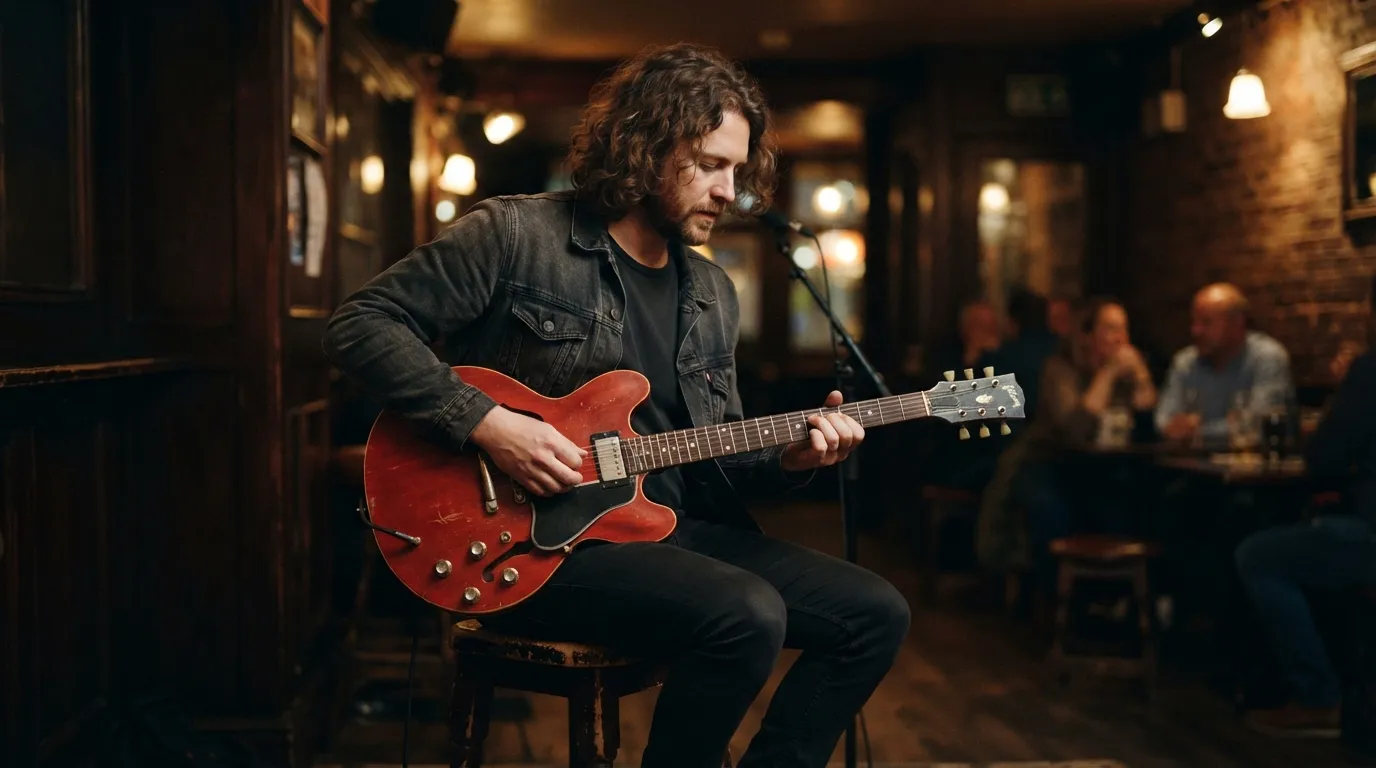
Dire Straits had it all. “Sultans of Swing” made them famous, and Brothers in Arms in 1985 turned them into a global monster, thanks in part to “Money for Nothing.” Mark Knopfler was the man holding it together.
By the early ’90s, he was done with the scale of it. After the 1991–92 tour, Dire Straits went quiet, and the band was effectively over by 1995. Knopfler has talked about wanting to escape the business side of enormous success.
He picked a quieter path. His solo career since has been steady and fairly low-key, and he has shown little interest in reviving the old arena machine. He had one of the biggest bands in the world and chose a smaller room.
#12 – Izzy Stradlin (Guns N’ Roses)
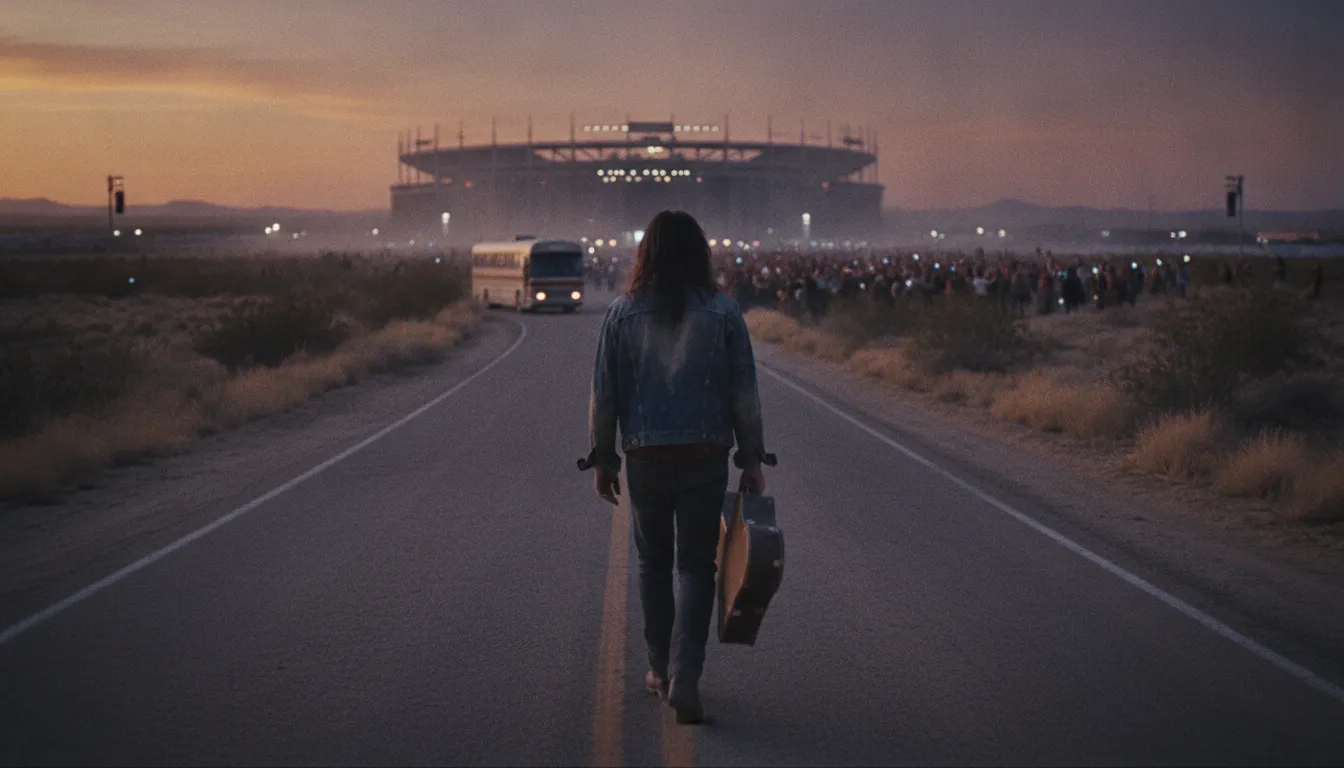
Izzy Stradlin was the quiet engine behind Guns N’ Roses. He helped write songs on Appetite for Destruction and was part of the Use Your Illusion albums, while his bandmates became rock’s loudest headlines.
In November 1991, with the band at its commercial peak and the huge Use Your Illusion tour in full swing, Izzy left. He pointed to the chaos around the band and his own need for distance from it.
Gilby Clarke stepped in, and the party kept rolling. Izzy went on to solo work, including his band the Ju Ju Hounds, and has since made guest appearances at reunion shows. He found the exit while everyone else was still on the ride.
#11 – Captain Beefheart (Don Van Vliet)
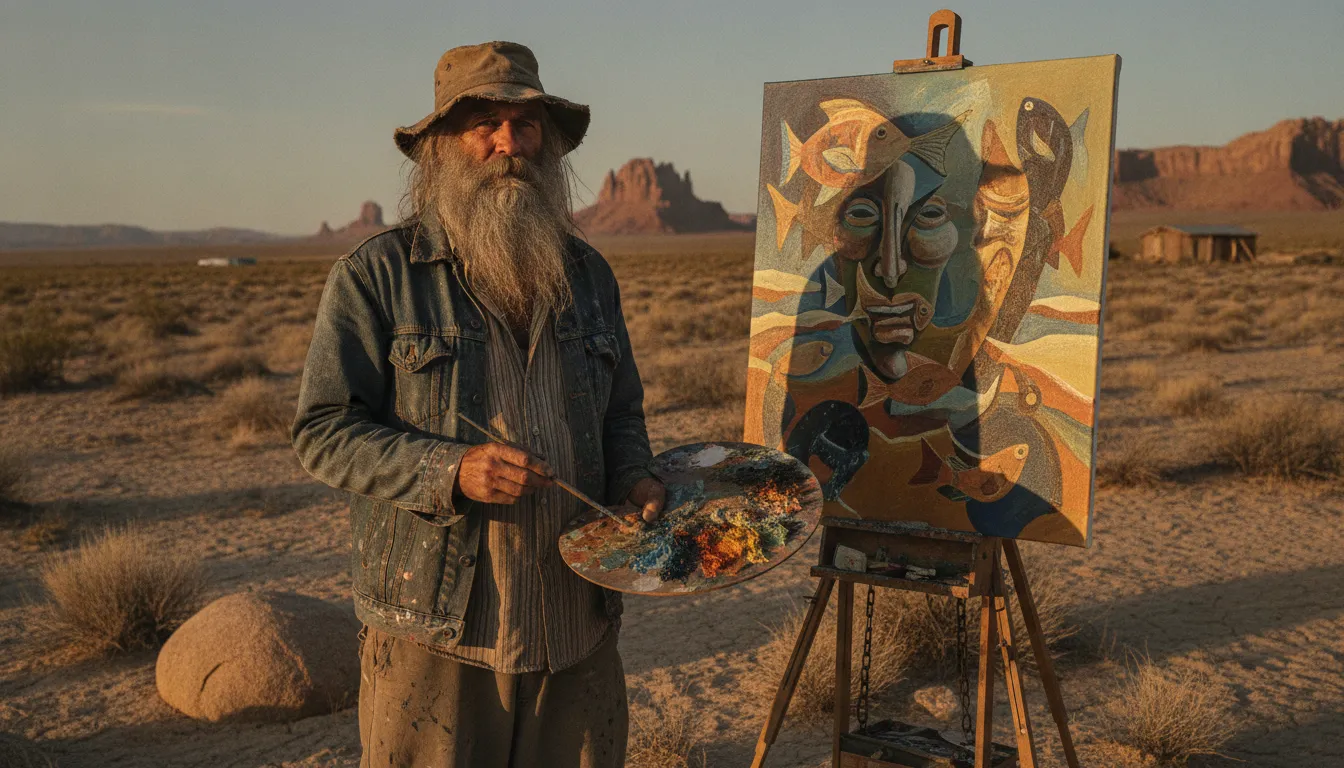
Captain Beefheart made some of the strangest, most influential rock ever recorded, including the 1969 landmark Trout Mask Replica. He never became a mainstream star, but he was a cult hero with a devoted following.
After Ice Cream for Crow in 1982, Don Van Vliet simply stopped making music. He turned to painting, lived for a time in the Mojave Desert, and built a new career as a visual artist.
He had grown frustrated with the music industry and wanted to put his energy elsewhere. His final album now feels like a deliberate full stop, and it leaves a haunting question about what he might have made next.
#10 – Bobbie Gentry
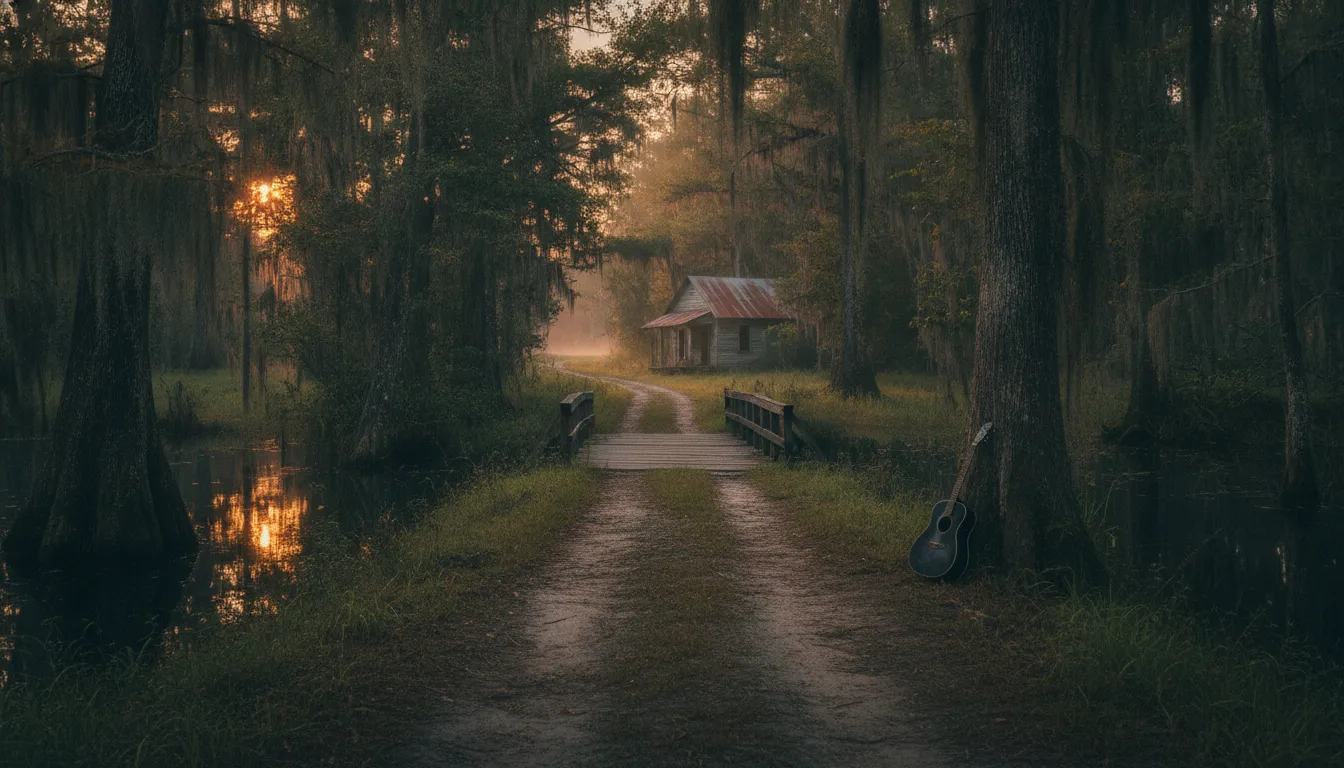
In 1967, Bobbie Gentry released “Ode to Billie Joe,” a Southern Gothic story-song that knocked The Beatles’ “All You Need Is Love” out of the No. 1 spot. The song also won her multiple Grammys. Almost overnight she became one of the most talked-about artists in America.
She kept working through the 1970s, with albums, TV, and Las Vegas shows. But she eventually stepped away from the business altogether and chose privacy over fame.
She did very few interviews, gave almost no explanation, and never made a big comeback. Fans kept asking what happened, and the silence became part of the legend. Gentry wrote one of music’s great mysteries, then lived one.
#9 – Linda Ronstadt
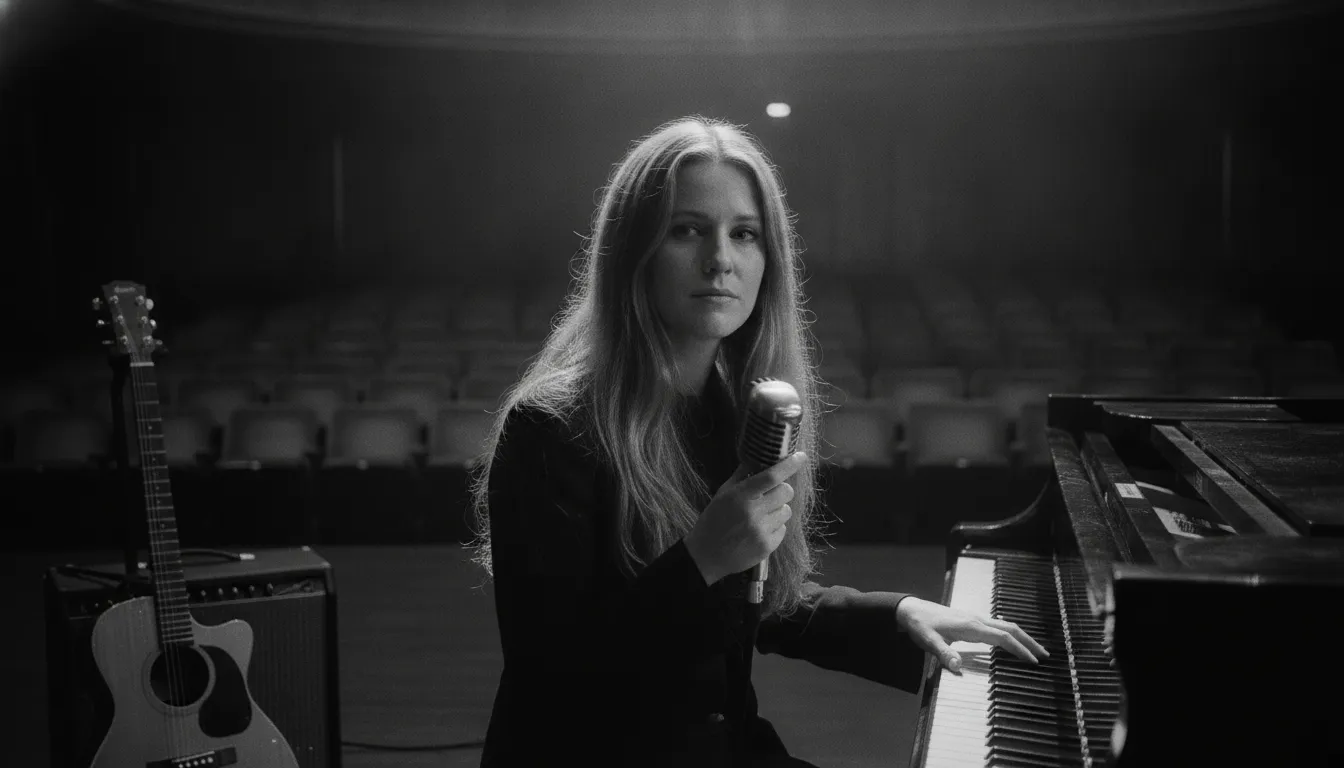
Linda Ronstadt was one of the biggest voices of the 1970s and beyond, with “You’re No Good,” “Blue Bayou,” and a long list of platinum albums. She also won multiple Grammys and could move from rock to country to opera without breaking a sweat.
Why It Stands Out
- Her range crossed rock, country, and opera
- Her final performances came in 2009
- The end came from illness, not burnout or a band feud
- Her memoir, Simple Dreams, gave fans her own account
This retirement was not a choice. She later revealed she had Parkinson’s disease, and she has said the condition took away her ability to sing.
She wrote her memoir Simple Dreams, and she has spoken up about her illness and her passions. It is one of the most poignant entries here, because her voice was still in demand when it was taken away.
#8 – Peter Gabriel (Genesis)
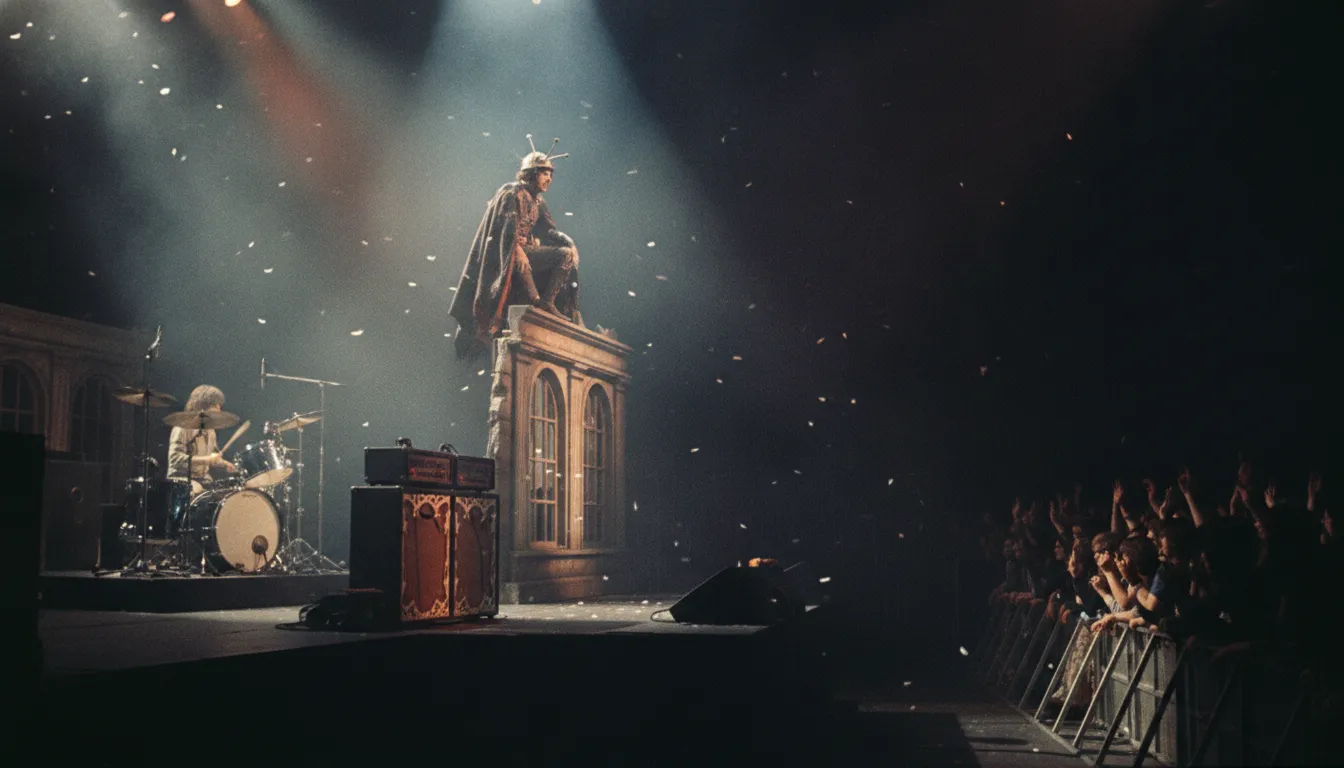
Peter Gabriel was Genesis’s theatrical frontman, famous for wild costumes and a larger-than-life stage presence. The band’s 1974 concept album The Lamb Lies Down on Broadway was ambitious, and Genesis were on the rise.
In 1975, he left. He said he was uneasy with the way music had become a business machine and wanted more personal and creative freedom. It looked like career suicide.
It wasn’t. Gabriel’s solo debut produced “Solsbury Hill,” a song widely understood to be about leaving, and he later reached new heights with So in 1986. Genesis also thrived, with Phil Collins taking over as singer. Both sides won, which is rare for a breakup.
#7 – Bill Berry (R.E.M.)

R.E.M. were at the top of the rock world in the mid-’90s, following Automatic for the People and the 1994 album Monster. In 1995, drummer Bill Berry collapsed onstage from a brain aneurysm during the tour.
He recovered, and most people assumed he would be back to normal. Instead, the near-death experience changed his priorities. In 1997, he left the band to become a farmer.
R.E.M. kept going as a trio until 2011, and they never formally replaced him. Berry traded roaring crowds for a quiet working life, and he has stuck with that choice. A scare that could have ended a career instead ended a chapter on his own terms.
#6 – John Frusciante (Red Hot Chili Peppers)
Blood Sugar Sex Magik turned the Red Hot Chili Peppers into superstars in 1991, and “Under the Bridge” became a signature hit. For guitarist John Frusciante, though, the sudden fame felt overwhelming.
In 1992, in the middle of a tour in Japan, he quit. His struggles with addiction followed, and he later said his life spiraled. He wasn’t just leaving a band, he was running from the pressure.
At a Glance
- 1991: Blood Sugar Sex Magik makes the band superstars
- 1992: He quits mid-tour in Japan
- 1998: He returns for Californication
- 2009: He leaves again
- 2019: He rejoins
His solo albums from that period show a very different, stripped-down creative side. It is a story about how fame can be a pressure cooker, even when it looks like a dream.
#5 – Meg White (The White Stripes)
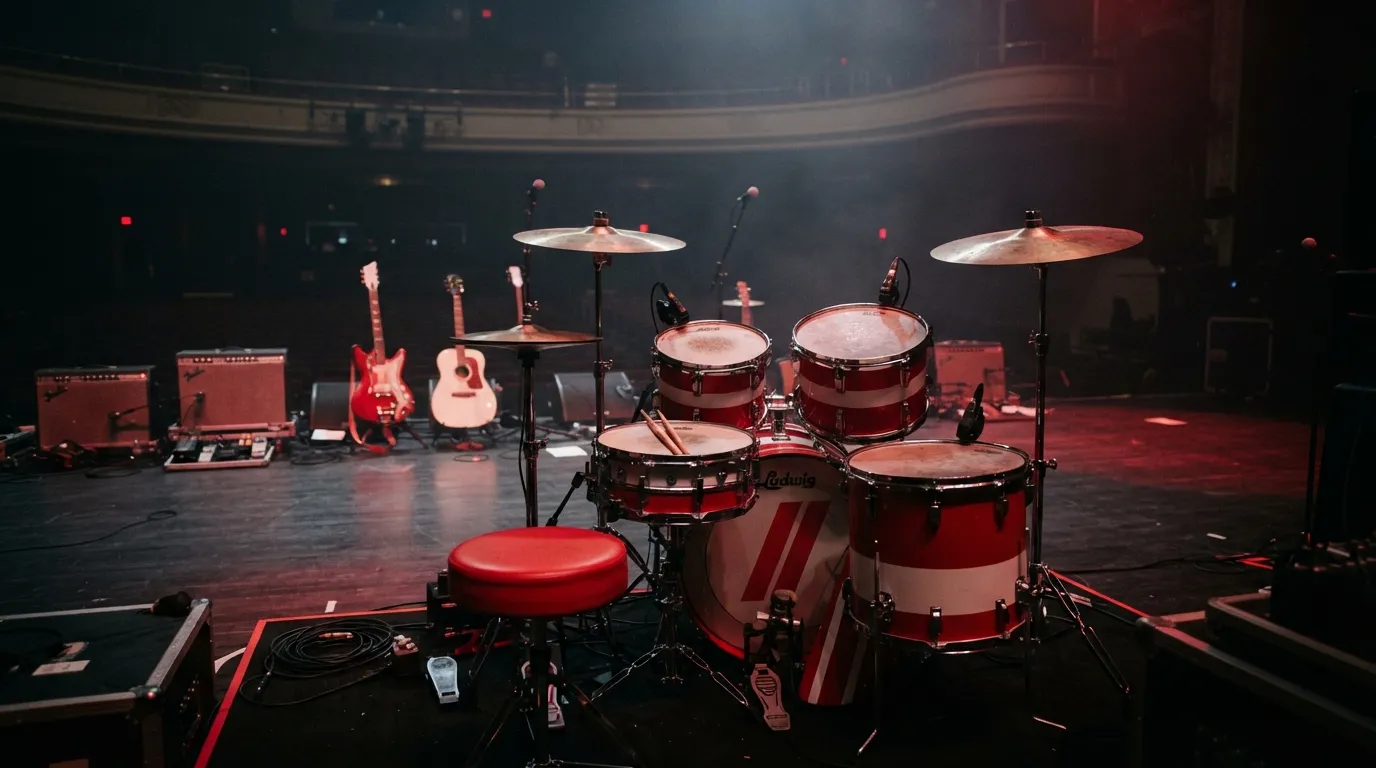
The White Stripes were one of the most thrilling bands of the 2000s. White Blood Cells and Elephant turned the red-and-white duo into stars, and “Seven Nation Army” became a stadium chant. Meg White’s minimalist drumming was a huge part of the charm.
In 2007, the band cancelled the rest of its tour, citing her acute anxiety. The duo officially announced their split in 2011. By then, Meg had largely disappeared from public life.
Jack White has spoken respectfully about her, and she has stayed out of the spotlight. The band left behind a body of work that feels complete and unfinished at once. They went out as one of rock’s most beloved duos, and then the stage went dark.
#4 – Steve Perry (Journey)
Steve Perry’s voice made Journey a stadium act. “Don’t Stop Believin’” in 1981 was only one of many hits, and it later became one of the most beloved songs of all time.
He left once after the band’s 1986 album Raised on Radio, then returned for the 1996 album Trial by Fire. A hip injury derailed the touring plans, and by 1998 Journey had moved on without him.
Perry has mostly stayed out of the spotlight ever since. He released the solo album Traces in 2018 and attended the band’s 2017 Rock Hall induction, but he didn’t return as the frontman. Fans have been waiting for him for decades.
#3 – Avicii
Tim Bergling, known as Avicii, was a Swedish DJ and producer whose hits “Levels” and “Wake Me Up” helped define the sound of festival EDM. He was one of the biggest names in dance music before he was 25.
In 2016, at age 26, he retired from touring. He had faced serious health problems, including pancreatitis, and he spoke about the toll of nonstop travel and the scene around it. He planned to keep making music.
He never got the chance to see what a quieter career looked like. Avicii died in 2018 at age 28. His retirement stands as a sobering reminder that a calendar full of sold-out shows can cost far more than anyone sees from the crowd.
#2 – Lauryn Hill

In 1998, The Miseducation of Lauryn Hill became one of the most celebrated albums of its era. It sold massively, and Hill won five Grammys in one night, including Album of the Year. She had already starred in the Fugees.
Everyone expected a quick follow-up. Instead, she pulled back. Her 2002 live album MTV Unplugged No. 2.0 was raw and divided fans, and she has never released another studio album.
Quick Compare
- 1998: The Miseducation of Lauryn Hill, a massive seller and a five-Grammy night
- 2002: MTV Unplugged No. 2.0, raw, live, and divisive
- Since then: occasional performances, but no new studio album
She has spoken about her frustrations with the industry and her need to protect her own life. She still performs now and then, but the steady stream of new music never came. That is why her one perfect studio album still feels like one of hip-hop’s biggest “what ifs.”
#1 – The Beatles
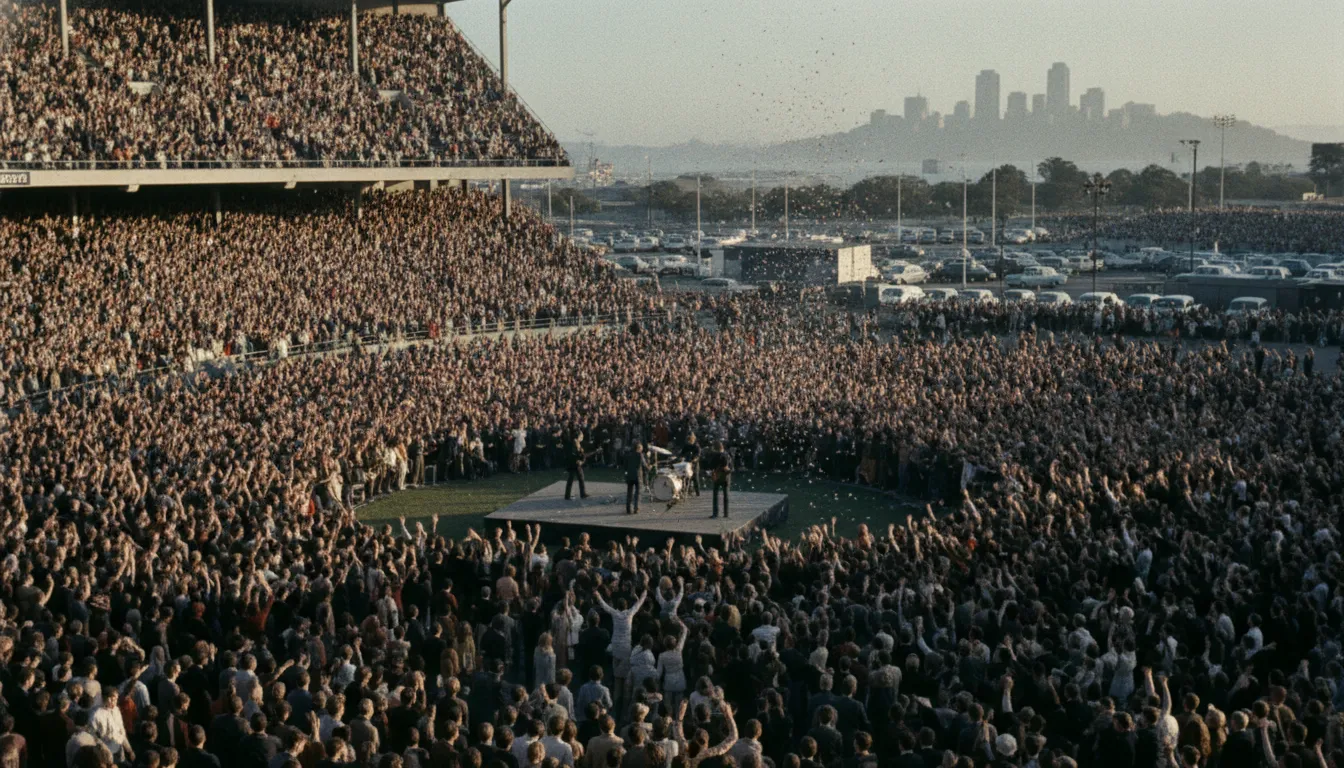
The Beatles played their last paid concert at Candlestick Park in San Francisco on August 29, 1966. They stopped touring at the height of Beatlemania, and instead turned the studio into their playground. It was the first big shock.
The second one was the end. After the rooftop concert in January 1969 and the masterpiece Abbey Road, the tensions between them got worse. In April 1970, Paul McCartney announced he was leaving, and the band was over.
The dream is over.
John Lennon
No band has ever walked away from greater global dominance. The Beatles were still the biggest group on the planet when it ended, and that timing is a big reason the legend has never faded.
CEO-Co-Founder
