
- 25 TV Shows and Their Original Pilot vs What Actually Aired - October 21, 2026
- 25 Actors and Their First Role vs the Role They Are Known For - October 21, 2026
- 25 Musicians and the First Band They Played In vs the Band They Are Known For - October 21, 2026
The drummer is the one member nobody is supposed to swap out. Change the singer and you have a new band. Change the guy at the back and surely only the tempo suffers.
Yet in band after band, the biggest records, hits and tours came after a new player took over the kit. Some of these changes were messy. One began with a stranger sitting in at a pub gig. The most famous of them involved a very awkward phone call.
#16 – Oasis Found Their Arena Swing with Alan White
Oasis blew up with Definitely Maybe and Tony McCarroll on drums. By 1995 the band was changing, and McCarroll was out. Alan White came in the same year (What’s the Story) Morning Glory? arrived.
McCarroll’s heavy, straightforward style suited the debut’s raw edge. White’s playing gave the follow-up a bigger, steadier frame for songs like “Wonderwall” and “Don’t Look Back in Anger.”
Some fans still prefer the debut’s rough edges. But Morning Glory outsold it by a wide margin and became one of the best-selling albums in UK history.
#15 – Green Day Got Their Pop-Punk Engine with Tré Cool
John Kiffmeyer was Green Day’s first drummer. In 1990 he left to go to college, and Tré Cool took the stool before Kerplunk.
Cool played with the speed and chaos of a kid let loose in a drum shop. It fit Billie Joe Armstrong and Mike Dirnt perfectly.
That lineup made Dookie in 1994, with “Longview” and “Basket Case.” The album went on to sell more than 10 million copies in the U.S. and turned a Bay Area punk trio into a mainstream force.
#14 – Rush Became Rush When Neil Peart Replaced John Rutsey
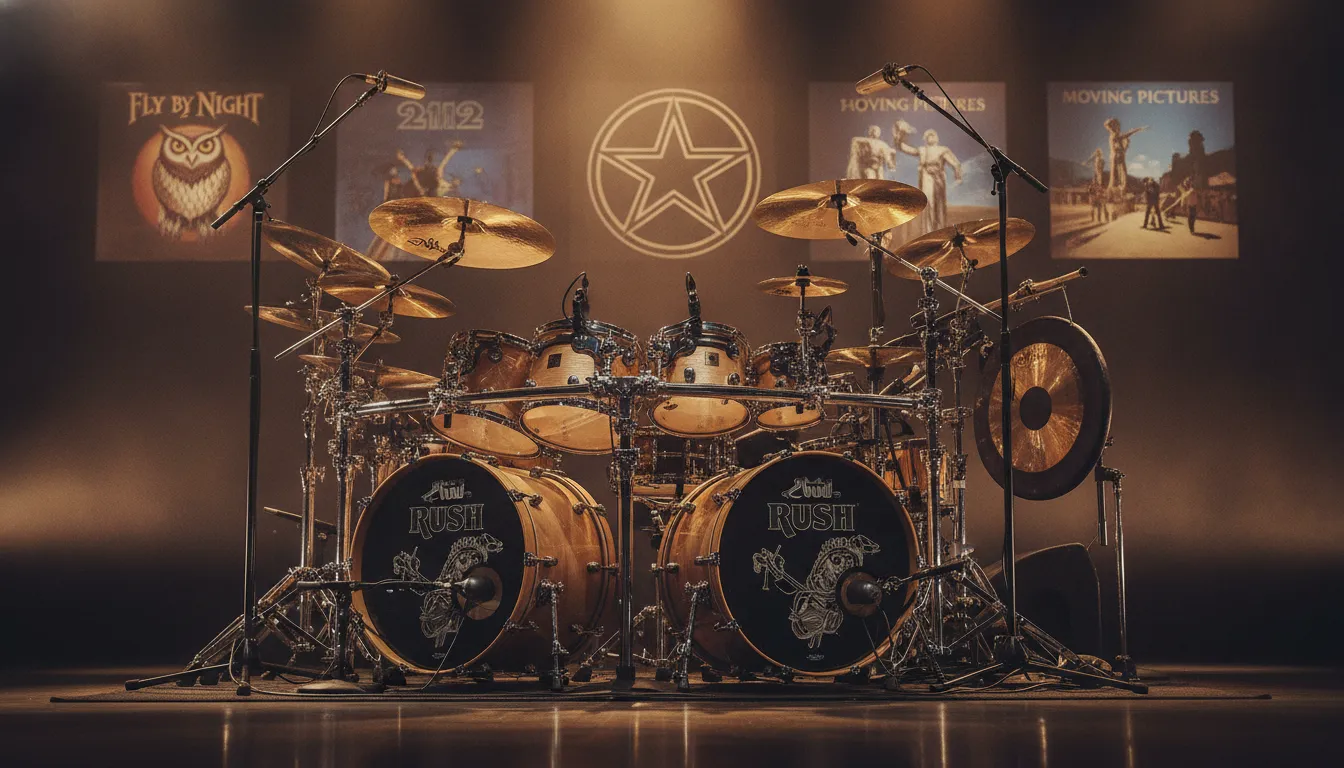
John Rutsey played on Rush’s 1974 debut, a hard-rock record with plenty of Led Zeppelin in it. Then health problems forced him out, and the band needed a new drummer fast.
Neil Peart joined in 1974 and brought two things nobody had ordered: a huge, intricate kit and a talent for writing lyrics. Fly by Night was the first album to show what Rush would become.
That change led to 2112, the long concept pieces and, eventually, Moving Pictures. A bar band with a good singer became a prog institution.
At a Glance
- Debut: Rush, 1974, with Rutsey on drums
- Peart’s arrival: Summer 1974, just before a first U.S. tour
- First Peart album: Fly by Night, 1975
- Breakthrough and peak: 2112 in 1976, Moving Pictures in 1981
#13 – The Beatles Went Global After Ringo Starr Replaced Pete Best
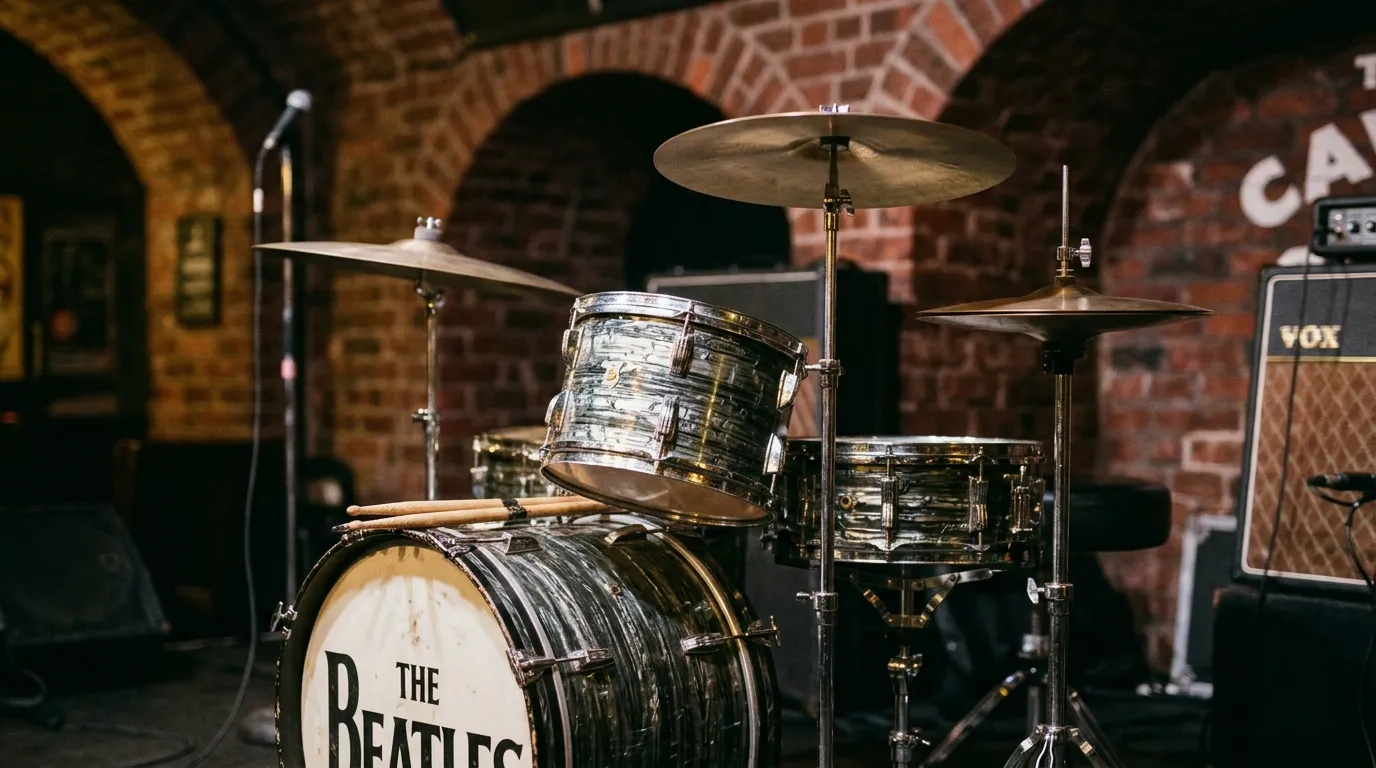
Pete Best was in the band through the Hamburg years and the Cavern Club. In 1962 George Martin reportedly had doubts about his drumming at EMI. Not long after, Brian Epstein delivered the news that Best was out.
Fans were furious, and the reaction was loud. But Ringo Starr joined in August 1962, weeks before the Beatles recorded “Love Me Do.”
Their first album, Please Please Me, hit the top of the UK album chart in 1963 and stayed there for a long run. Whatever the Beatles needed on drums, they had it by then.
#12 – Nirvana Exploded When Dave Grohl Replaced Chad Channing
Chad Channing played on Bleach and left in 1990. The band spent a stretch with fill-in drummers, including Dan Peters and Dale Crover.
Then Dave Grohl arrived from the band Scream. He played hard enough to make the room shake, and he could also hold back and make a quiet verse feel dangerous.
That was the sound of “Smells Like Teen Spirit.” In January 1992, Nevermind took the top spot on the Billboard 200 from Michael Jackson’s Dangerous.
Fast Facts
- Out: Chad Channing, 1990
- In: Dave Grohl, previously of Scream
- Album: Nevermind, released September 1991
- Chart moment: No. 1 on the Billboard 200 in January 1992
#11 – Blink-182 Went Mainstream with Travis Barker
Scott Raynor was Blink-182’s drummer on their early records, including Dude Ranch and its hit “Dammit.” In 1998 he left the band, and Travis Barker, who had been in The Aquabats, took his place.
Barker brought speed and precision. A year later, Enema of the State arrived with “What’s My Age Again?,” “All the Small Things” and “Adam’s Song.”
The album went multiplatinum and turned three skate-punk goofballs into MTV regulars. Some fans still love Raynor’s rougher feel, but Barker’s era is when Blink became huge.
#10 – Red Hot Chili Peppers Locked In with Chad Smith
The Peppers’ drum chair was unstable in the late ’80s. After the death of guitarist Hillel Slovak, drummer Jack Irons left, and D.H. Peligro filled in briefly. In 1988 Chad Smith took over.
Smith was a heavy, funky drummer who gave Flea a rock-solid partner. The band that had been a wild cult act became tight and powerful.
The proof came in 1991 with Blood Sugar Sex Magik. “Under the Bridge” reached No. 2 on the Hot 100, and Smith has been behind the kit ever since.
#9 – AC/DC Found Their Pulse with Phil Rudd
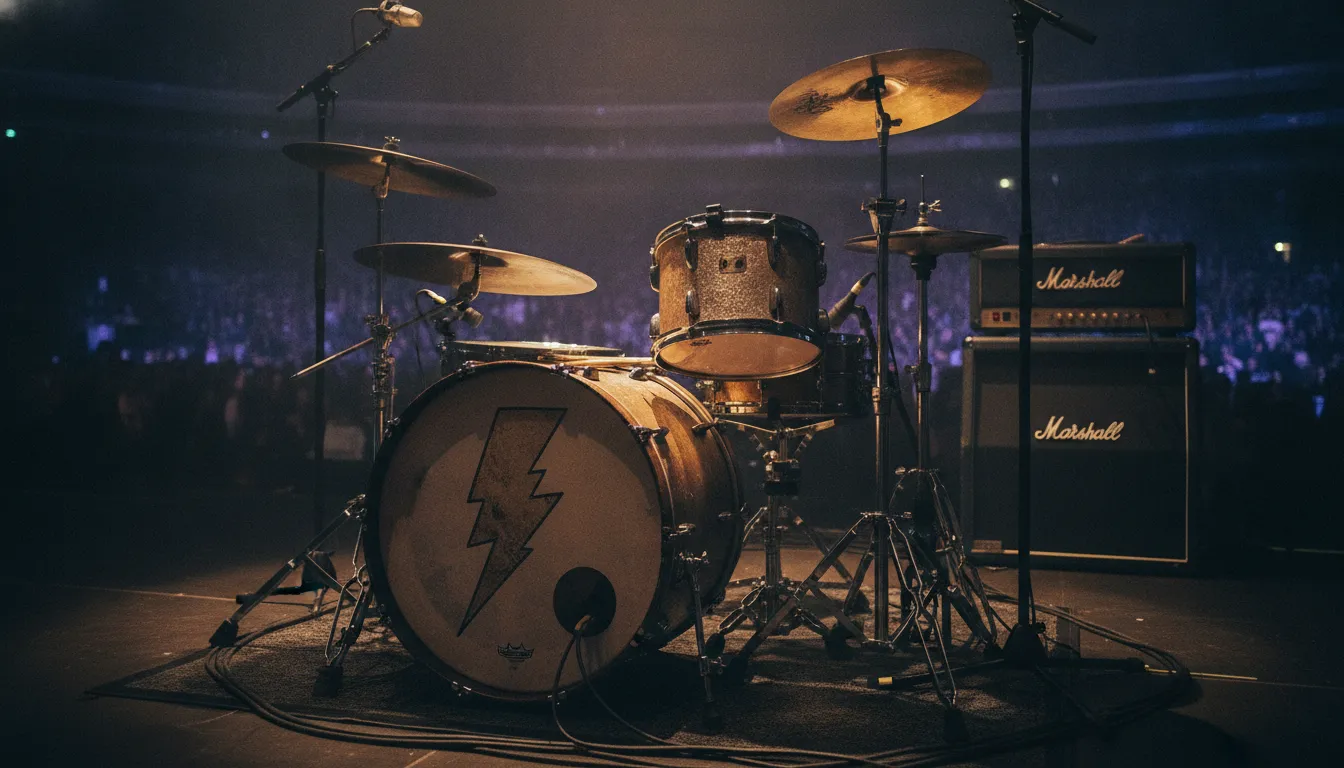
AC/DC burned through drummers in their first year or two, including Colin Burgess. In 1975 Phil Rudd joined, and the band stopped searching.
Rudd played simple, steady beats and never overplayed them. The groove stayed laid-back while the guitars did the screaming.
That approach carried through Highway to Hell and into Back in Black in 1980, one of the best-selling albums of all time. The drummer change came long before the biggest record, and it was a big part of why the band sounded so locked in.
#8 – The Rolling Stones Got Their Backbone with Charlie Watts
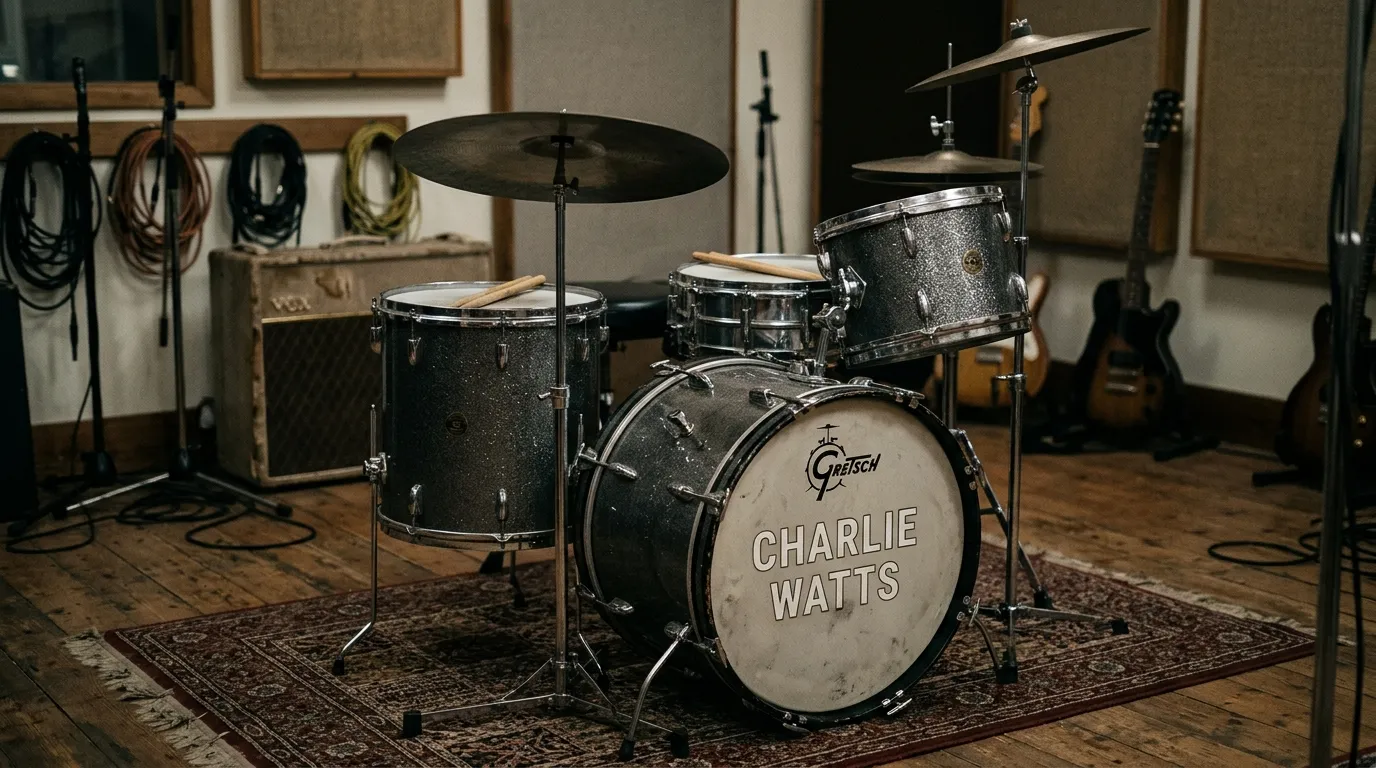
The earliest Stones had Tony Chapman on drums. When Charlie Watts joined in January 1963, coming from Alexis Korner’s Blues Incorporated, the band suddenly had a jazz-trained drummer with a calm pocket.
That was a good fit for a group that wanted to play dirty blues. Watts never showed off, and the Stones rarely needed him to.
The band’s first UK No. 1, “It’s All Over Now,” came in 1964. “(I Can’t Get No) Satisfaction” topped the U.S. chart in 1965, and Aftermath reached No. 1 in the UK in 1966. All of it was built on Watts’s beat.
#7 – Soundgarden Hit Their Peak with Matt Cameron
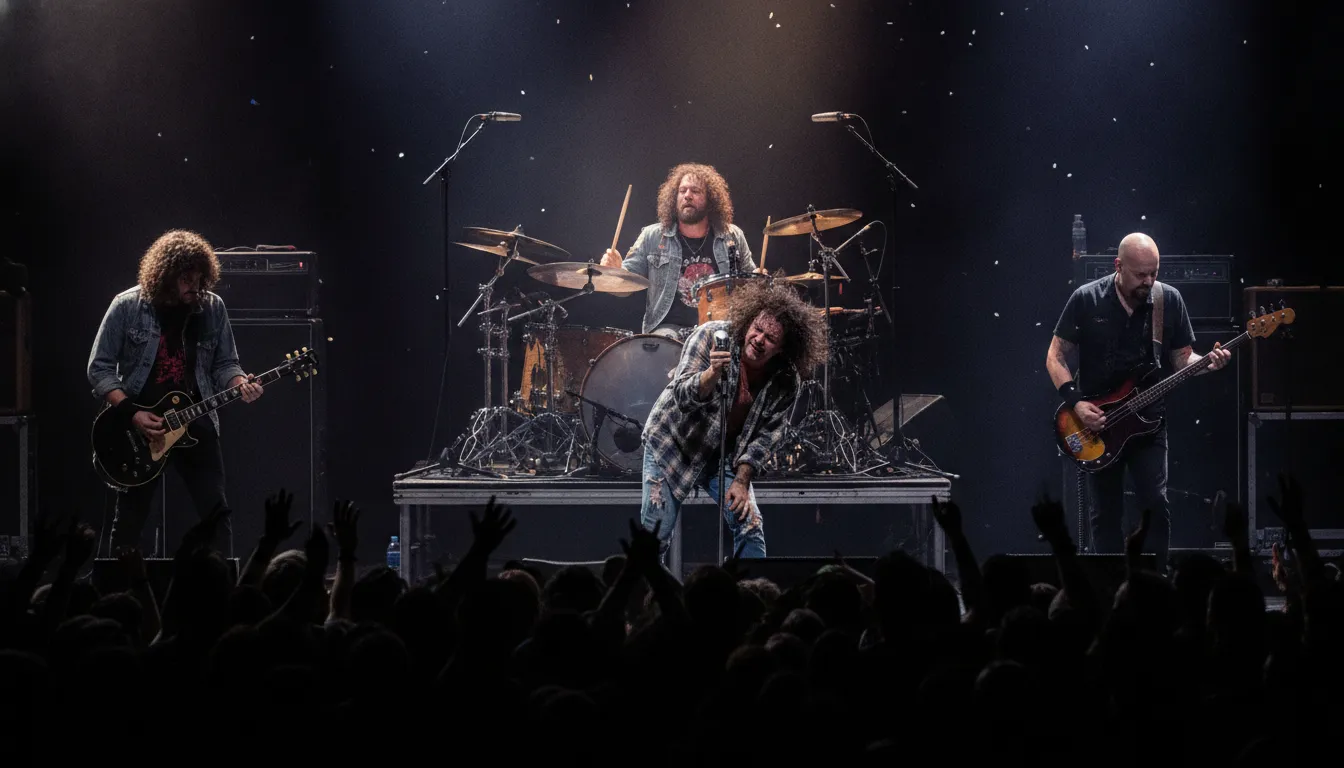
Soundgarden began with Scott Sundquist on drums. Chris Cornell stepped out from behind the kit to sing, and in 1986 Matt Cameron, who had played in Skin Yard, joined the band.
Cameron could handle the tricky odd-time riffs that Kim Thayil and Ben Shepherd loved. The band could suddenly go heavy and weird without falling apart.
That lineup made Superunknown in 1994. It debuted at No. 1 on the Billboard 200, and “Black Hole Sun” and “Spoonman” won Grammys.
#6 – Twenty One Pilots Broke Out with Josh Dun
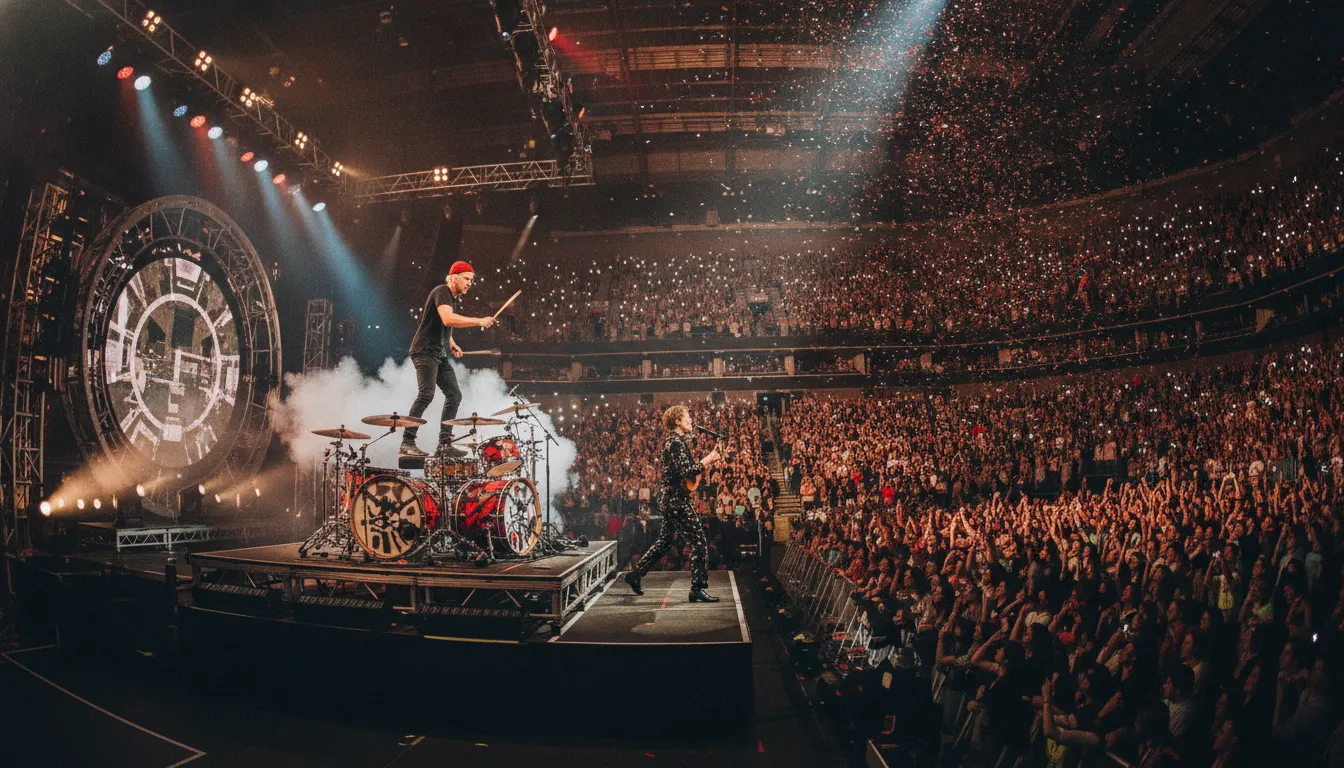
Twenty One Pilots began as a trio of Tyler Joseph, Nick Thomas and drummer Chris Salih. Salih and Thomas left in 2011, and Josh Dun joined soon after.
Dun’s drumming turned a quirky Ohio act into something that filled arenas. He played standing on top of his kit and still held the beat steady.
The band signed to a major label and released Vessel in 2013. Then Blurryface came out in 2015 and topped the Billboard 200. “Stressed Out” later won a Grammy.
#5 – Jethro Tull Reached No. 1 with Barriemore Barlow
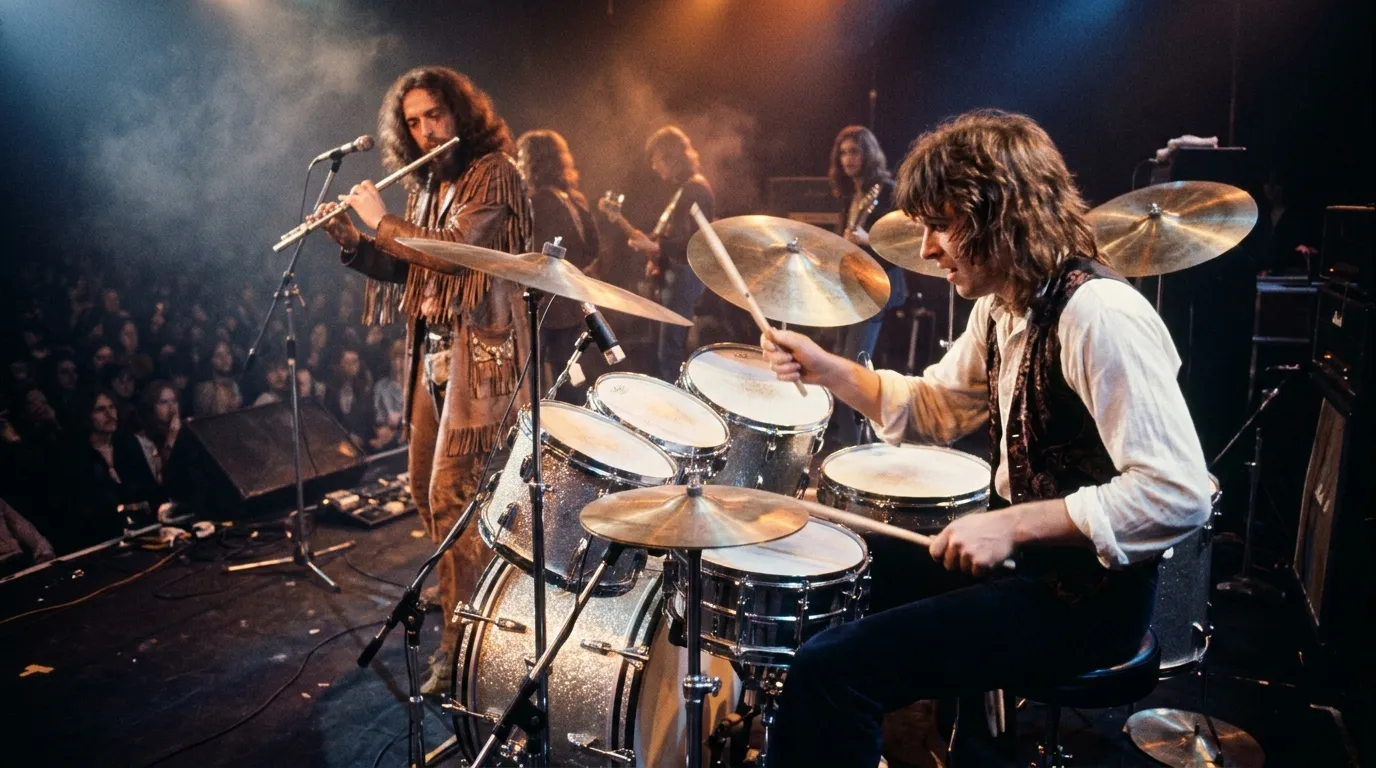
Clive Bunker drummed on Aqualung in 1971 and left the band that year. Barriemore Barlow took over.
Barlow’s style was busier and more complex. It suited Ian Anderson’s long, odd compositions, with their shifting time signatures and flute solos.
The next record, Thick as a Brick, hit No. 1 on the Billboard 200 in 1972. A Passion Play repeated the feat in 1973. That is a bigger peak than Aqualung ever reached.
Quick Compare
- With Bunker: Aqualung (1971) peaked at No. 7 on the Billboard 200
- With Barlow: Thick as a Brick (1972) went to No. 1
- With Barlow again: A Passion Play (1973) went to No. 1
#4 – Santana Became a Hit with Michael Shrieve
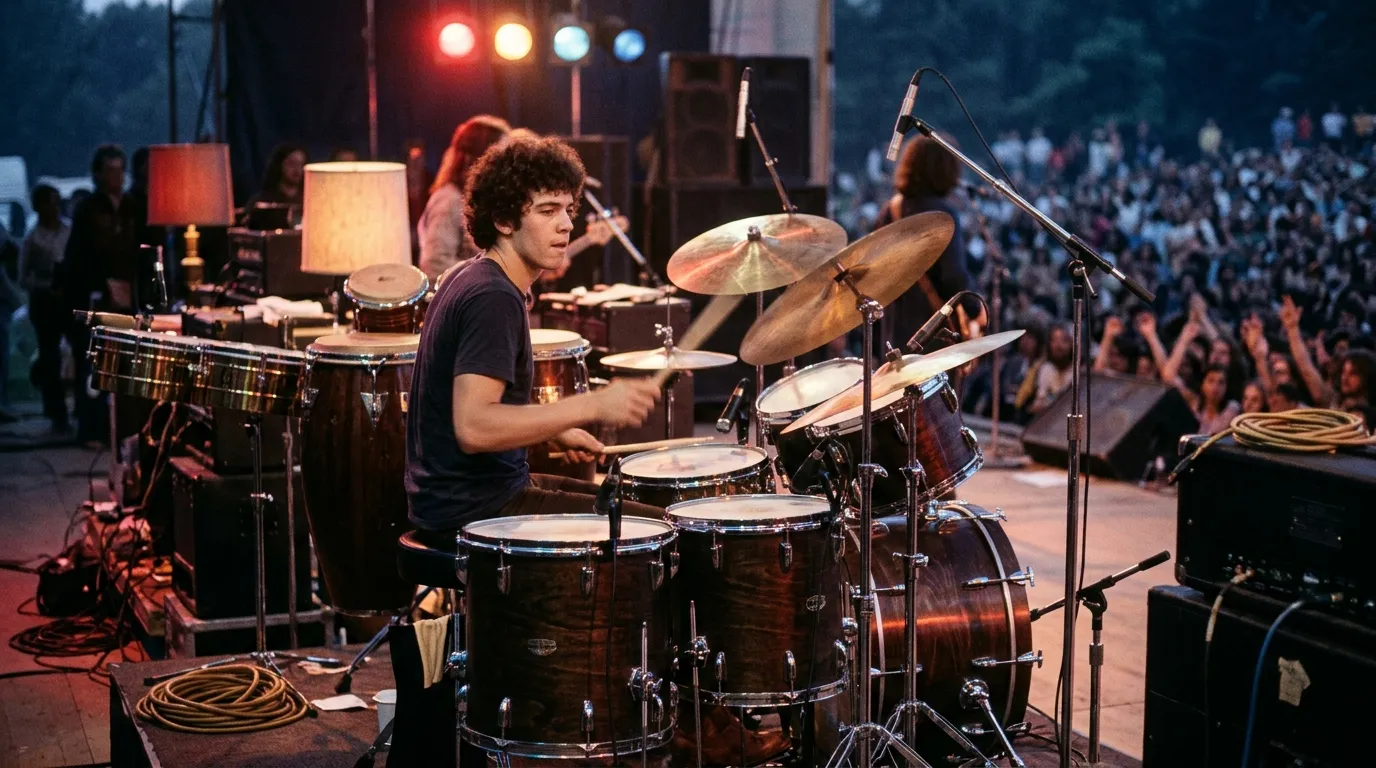
Early Santana lineups had Bob “Doc” Livingston on drums. In 1969 Michael Shrieve, barely out of his teens, joined the band.
He had a jazz background and a feel for Latin rhythms. That mix was the sound of the band’s debut, Santana.
That summer he played Woodstock, and the performance helped launch the band. The debut reached the U.S. top ten, and Abraxas hit No. 1 in 1970.
#3 – Journey Became Arena Giants with Steve Smith
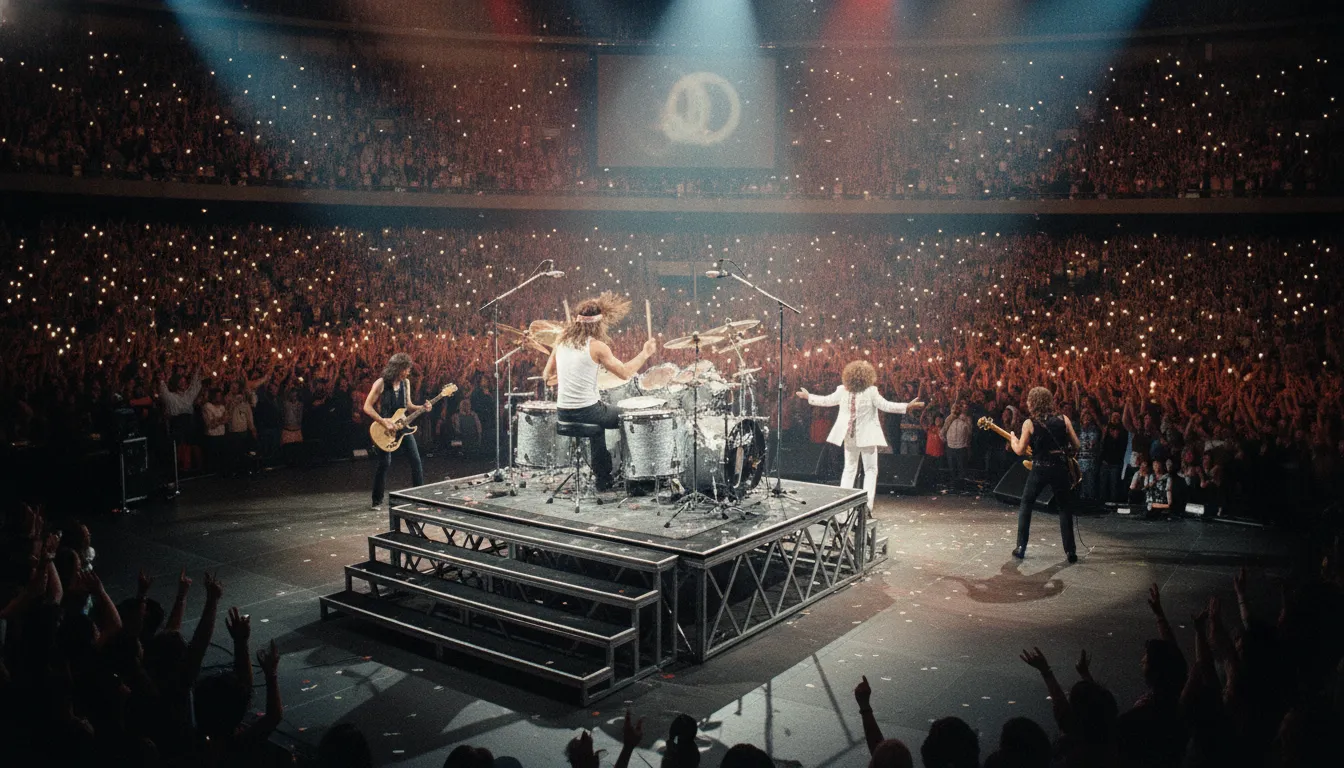
Journey started as a jazzy rock band with Aynsley Dunbar on drums. In 1978 Dunbar left, and Steve Smith took over.
By then the band had Steve Perry up front, and Smith gave them a sharper, more polished edge. It was a better match for the songs they were about to write.
The change came before Escape, which reached No. 1 on the Billboard 200 in 1981. It included “Don’t Stop Believin’,” the song that became a stadium singalong for decades.
Why It Stands Out
- Escape went to No. 1 on the Billboard 200 in 1981
- “Open Arms” climbed to No. 2 on the Hot 100
- “Who’s Crying Now” reached No. 4
- “Don’t Stop Believin'” peaked at No. 9, then outlasted nearly everything else on the radio
#2 – Genesis Found Their Future with Phil Collins
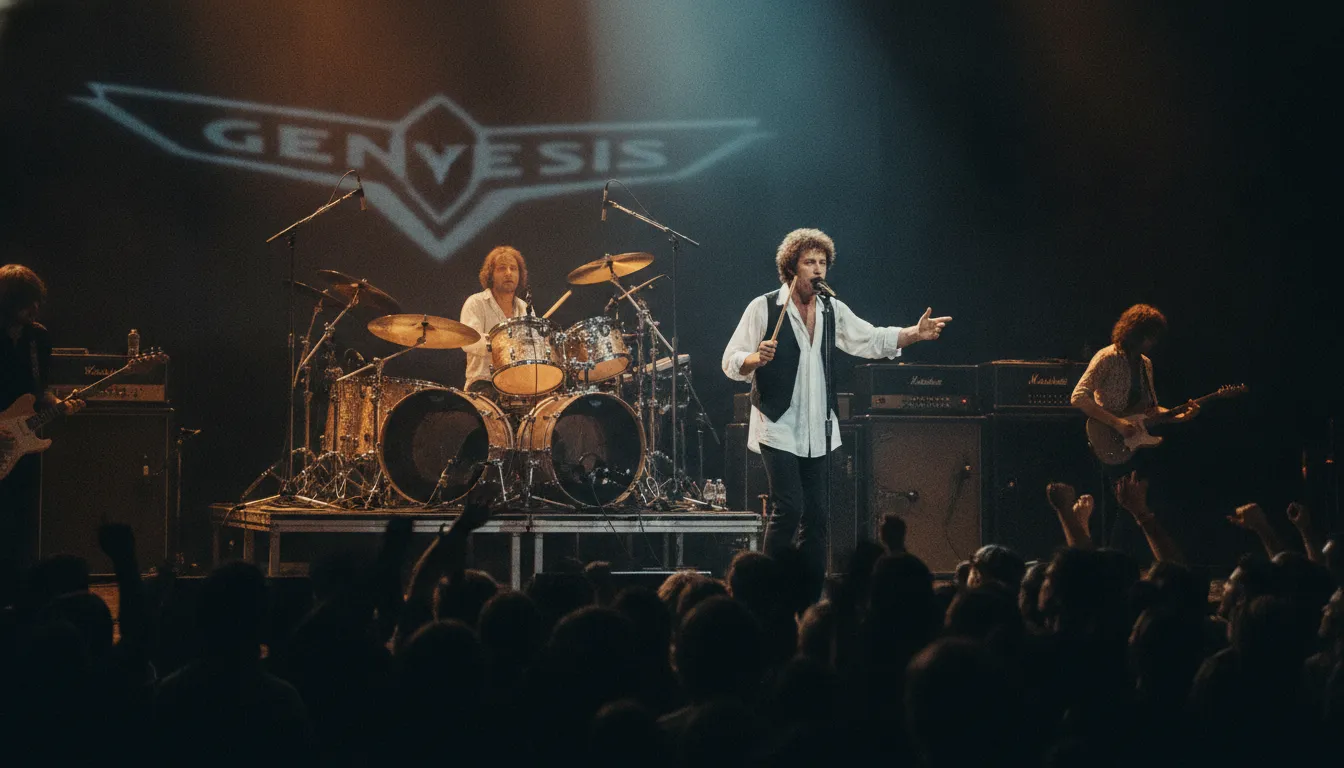
Genesis went through a few drummers early on, including John Silver and John Mayhew. In 1970 Phil Collins joined, in time for Nursery Cryme.
Collins could play the band’s complicated progressive music and sing backing vocals, which came in handy later. In 1975 Peter Gabriel left, and the drummer stepped up to the microphone.
That move led to the band’s 1980s run, including “Invisible Touch,” which reached No. 1 on the U.S. Hot 100 in 1986. It all started with a drummer swap years earlier.
#1 – The Who Got Their Fury with Keith Moon
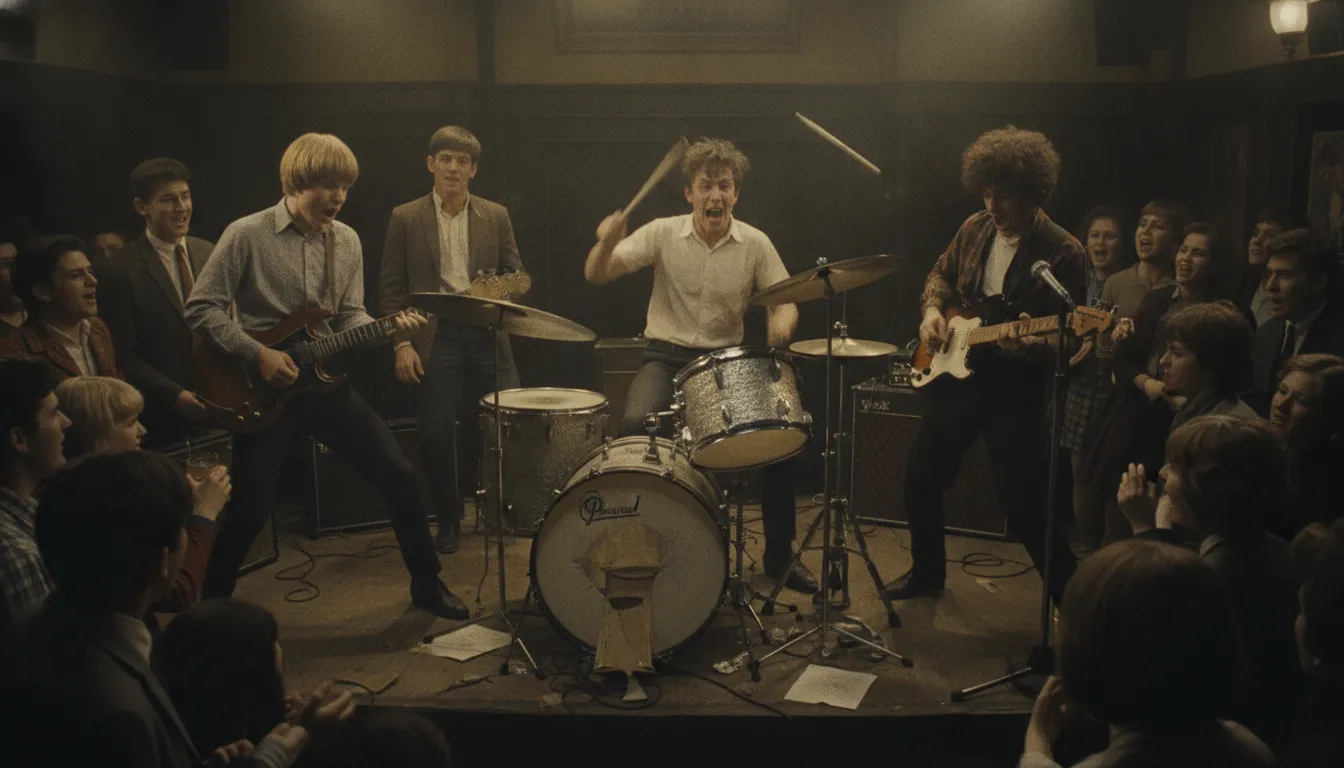
Before Keith Moon, The Who had a more traditional drummer, Doug Sandom. In 1964 Moon, a teenager who played with wild energy, got the job.
By most accounts, he first sat in at a pub gig and trashed the kit. The band hired him anyway.
Moon played drums like a lead instrument, crashing around Pete Townshend’s guitar. That sound was there on “I Can’t Explain” and “My Generation,” and it carried into Tommy, Who’s Next and Quadrophenia. Everything that made The Who famous came after he joined.
The Bottom Line
A drummer change can look like a loss at the time. Fans complain, and the band has to start again.
But these 16 bands each changed drummers before their biggest moments arrived. Sometimes the new player simply fit better, and sometimes the whole band took on a new energy. Either way, the beat behind them was never the same again.
CEO-Co-Founder