
- 25 Bands and the First Song They Ever Released vs the Song They Are Known For - October 21, 2026
- Most people assume the pilot episode that airs is close to the creators' original vision, but networks routinely demand recasts, plot overhauls, and tone shifts that scrap major elements before a show reaches viewers. Production histories show these changes often saved series from cancellation. Here's what the data actually say. - October 21, 2026
- 25 TV Shows and Their Original Pilot vs What Actually Aired - October 21, 2026
Some of the biggest bands on Earth started with a song almost nobody remembers, and a few of those first tries barely made a dent. Here are 25 debut-versus-defining-hit stories, and one of them flips the pattern completely.
#25 – The Beatles: From Harmonica Simplicity to Stadium-Sized Ballads
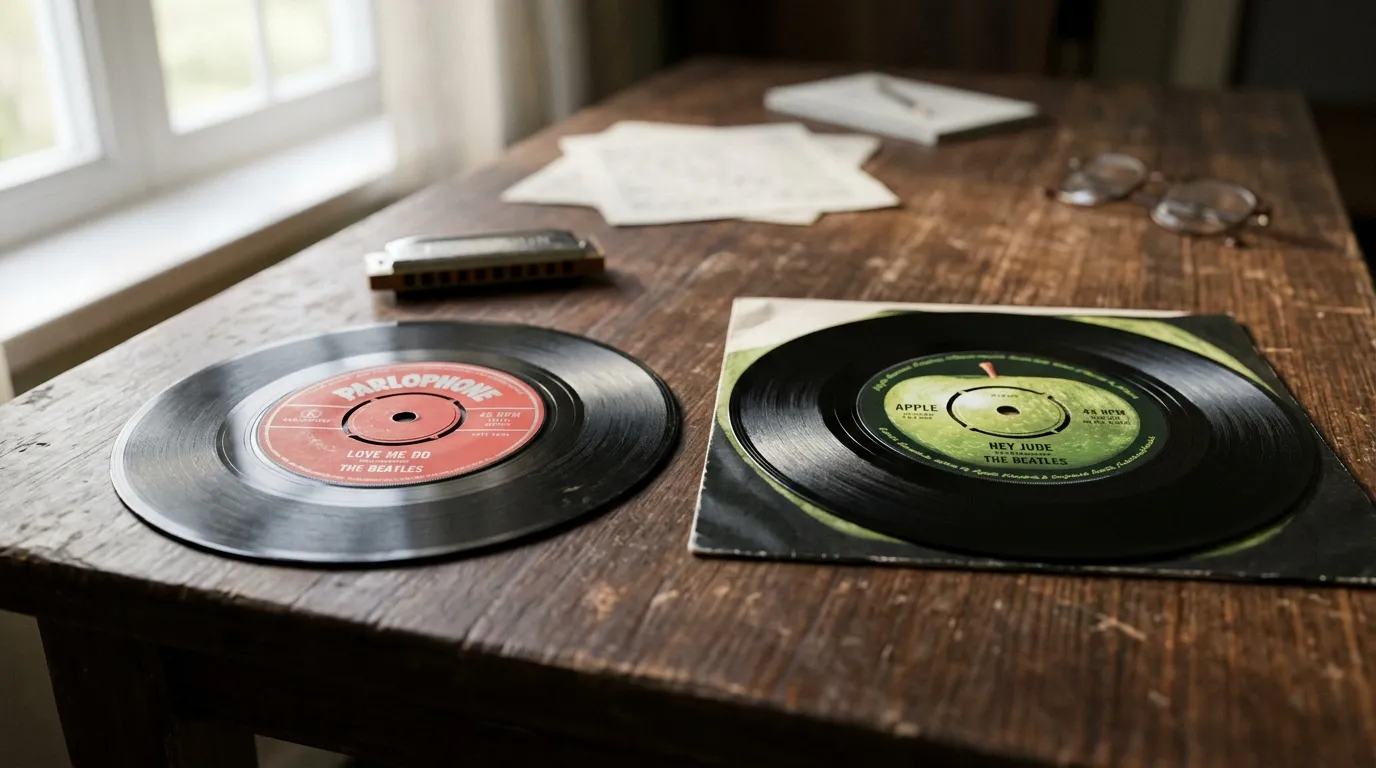
The Beatles began with a raw, harmonica-driven plea that only just cracked the UK Top 20. Love Me Do arrived in October 1962 as their first single, peaking at No. 17.
By 1968, Hey Jude was the opposite: a seven-minute singalong that spent nine weeks at No. 1 in the U.S. It marked the leap from Merseybeat charm to orchestral, studio-built scale.
#24 – The Rolling Stones: Chuck Berry Cover to Defining Rock Anthem
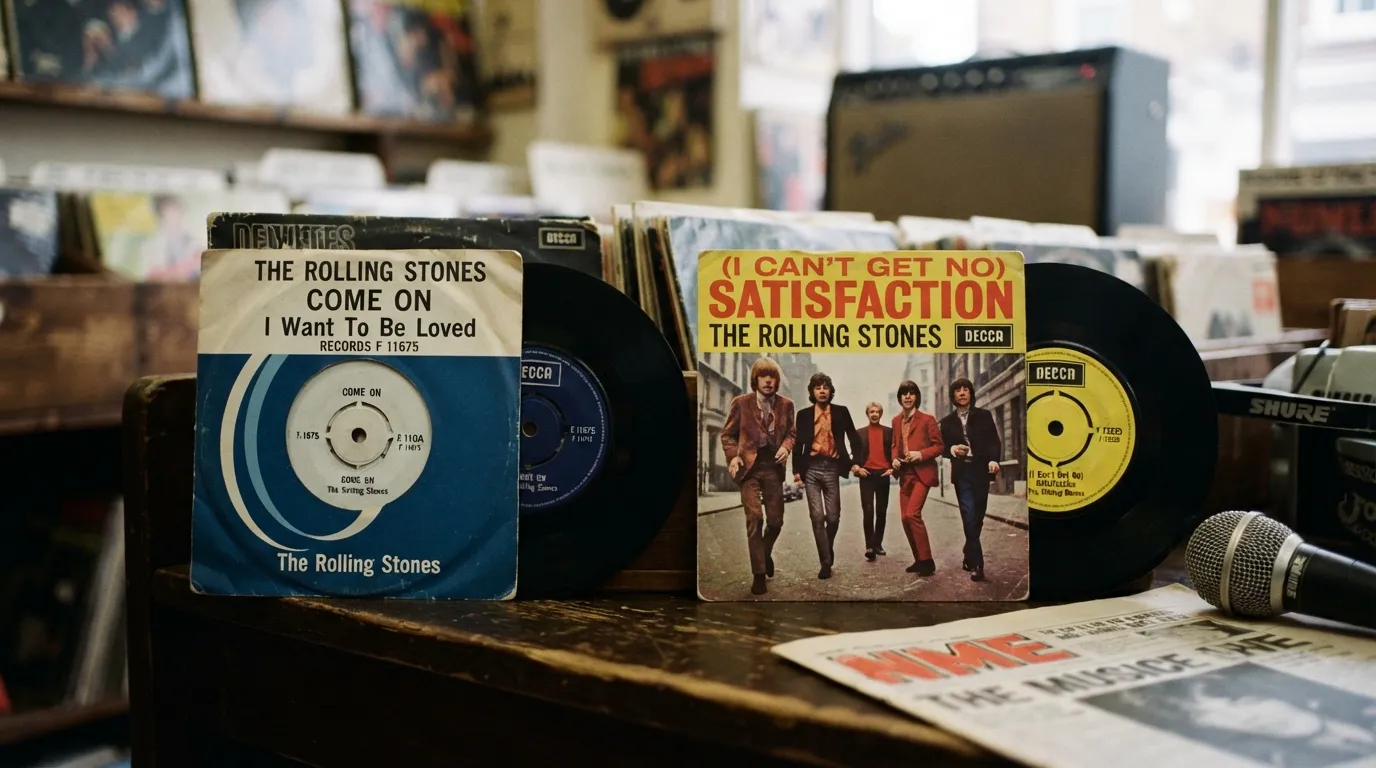
The Rolling Stones opened with a brisk Chuck Berry cover chosen for chart potential. Come On hit shelves in June 1963 and reached No. 21 in the UK.
Their signature arrived with (I Can’t Get No) Satisfaction in 1965, a fuzz-driven riff that hit No. 1 in the U.S. and UK. The change: borrowed R&B gave way to original, snarling blues-rock.
#23 – Queen: Album Opener That Flopped to Timeless Rock Opera
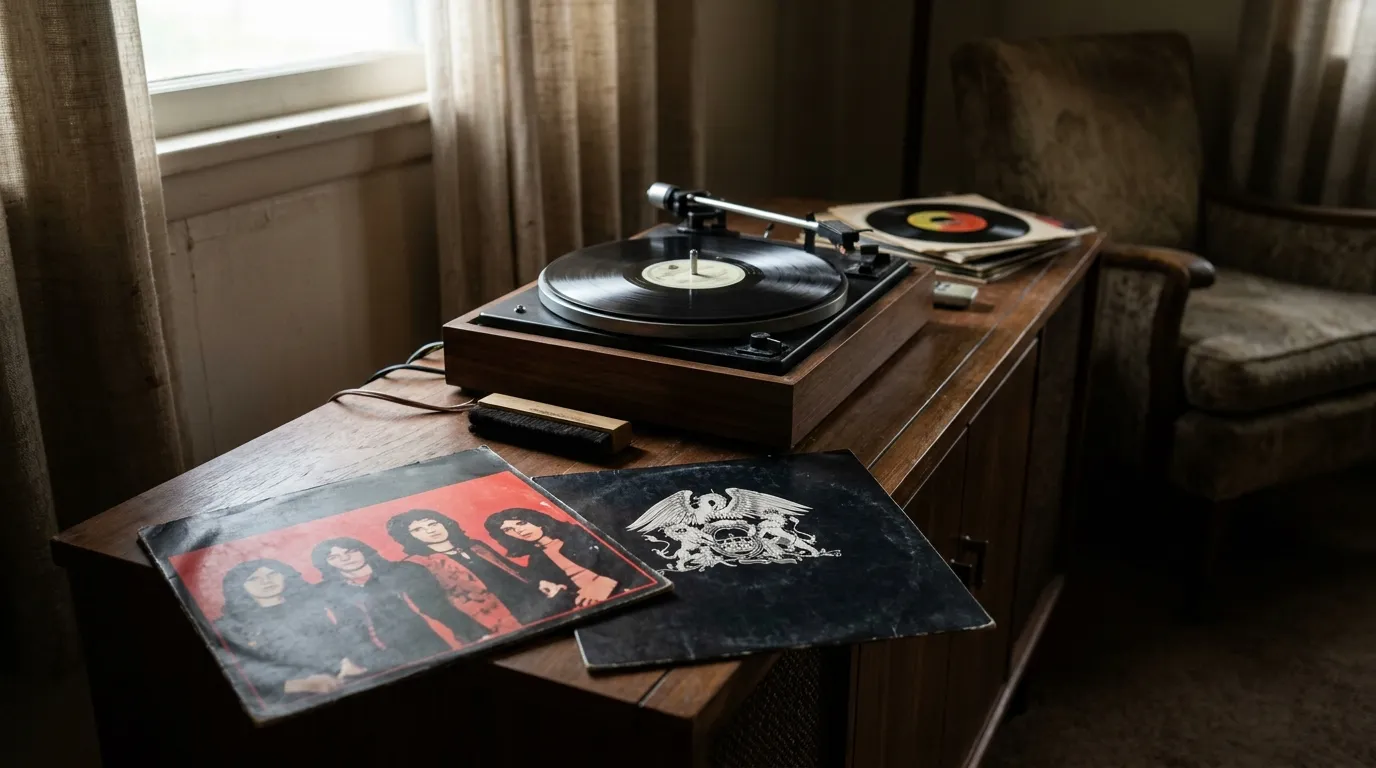
Queen’s debut single Keep Yourself Alive dropped in July 1973 and failed to chart, despite roaring live shows. Brian May’s layered guitars were all there, but almost nobody was listening yet.
Then came Bohemian Rhapsody in 1975, a six-minute suite of ballad, opera, and hard rock that tore up the rules for singles. Queen went from straightforward rock to theatrical studio epics.
Worth Knowing
- Keep Yourself Alive came out in July 1973 and missed the chart entirely.
- Bohemian Rhapsody was released in October 1975 on the album A Night at the Opera.
- At roughly six minutes, it was far longer than a typical radio single.
- It reached No. 1 in the UK and stayed there for nine weeks.
#22 – Led Zeppelin: A Crunchy Debut Single to an Eight-Minute Legend
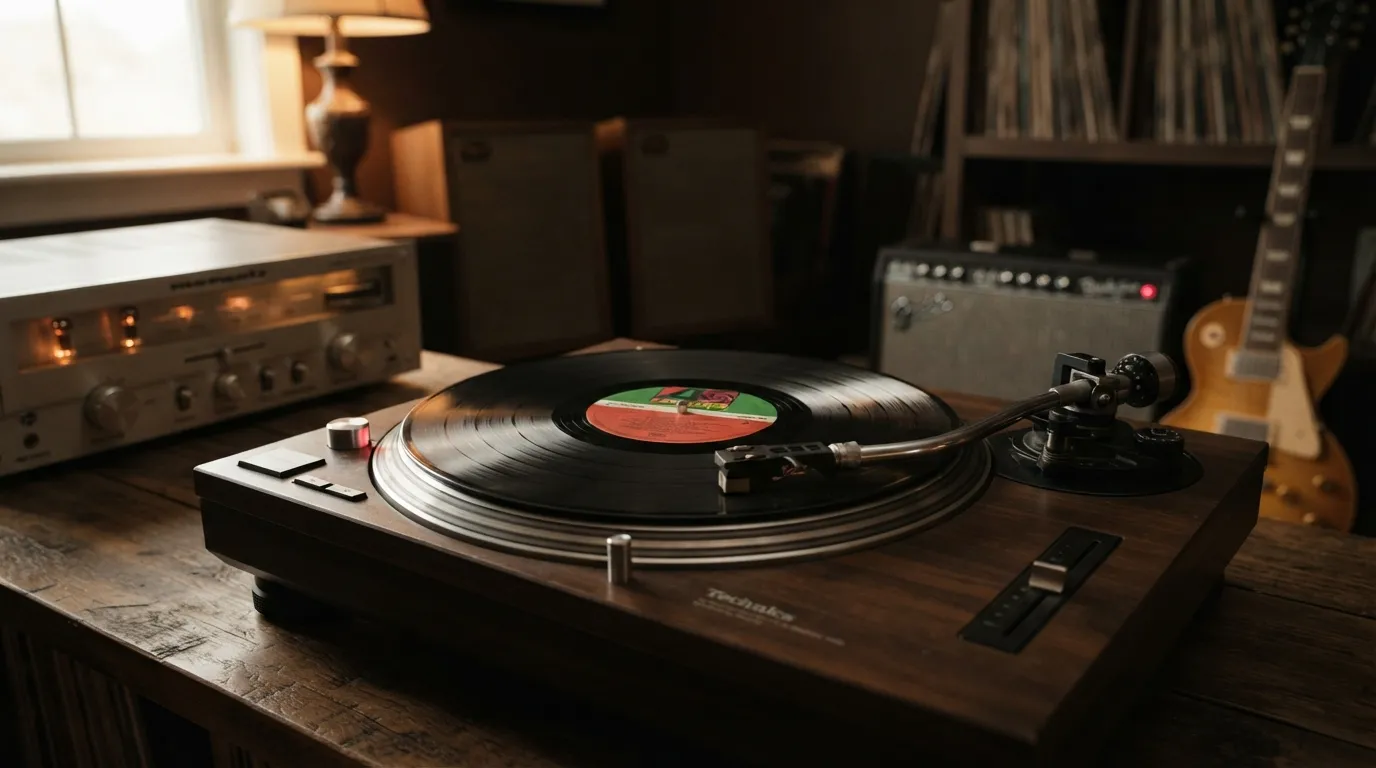
Led Zeppelin’s first single, Good Times Bad Times, reached U.S. shelves in March 1969: a tight, punchy blast of heavy blues-rock.
Their best-known song, Stairway to Heaven, arrived in 1971 and was never issued as a commercial single. It begins as quiet folk fingerpicking and ends in a roaring solo. A band that avoided singles built its biggest legacy on an eight-minute album track.
#21 – Pink Floyd: Psychedelic Whimsy to a Schoolyard Chant
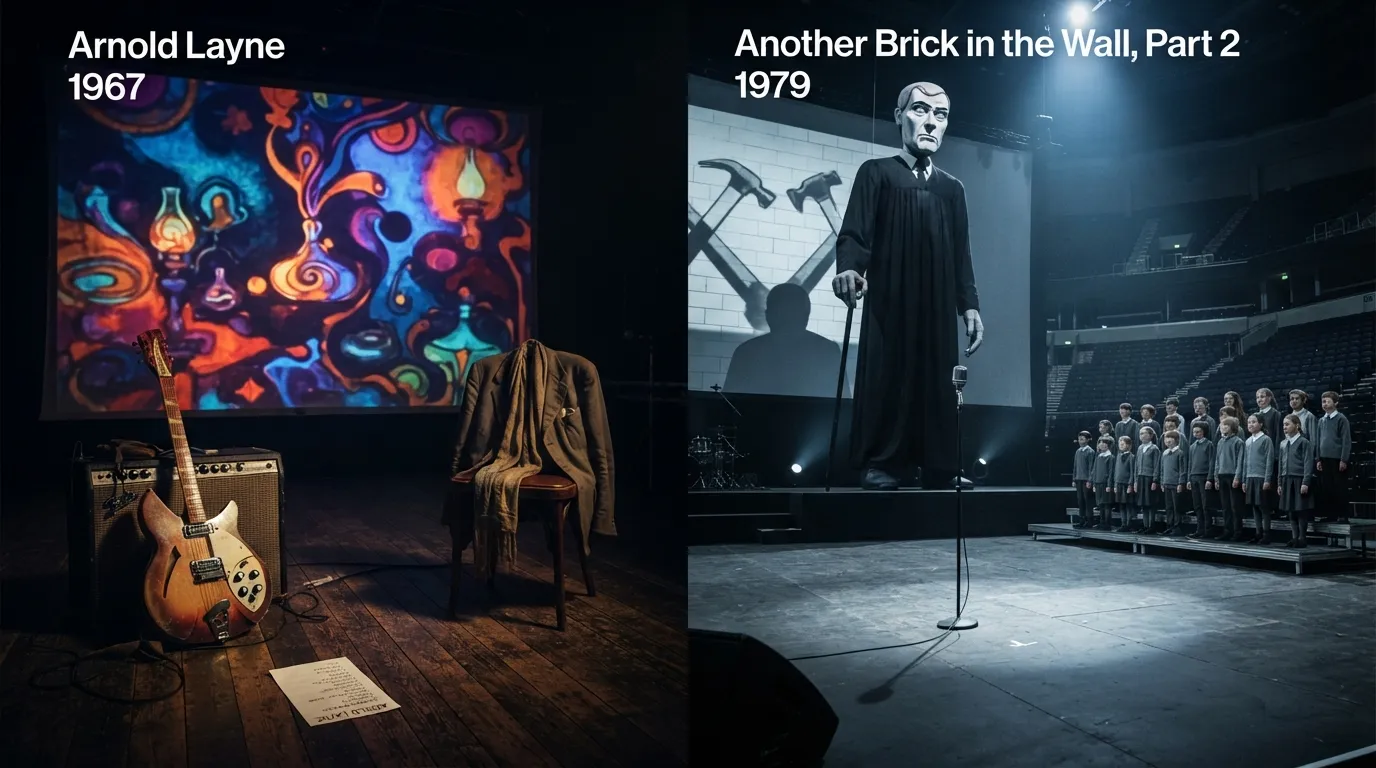
Pink Floyd’s first single, Arnold Layne, came out in March 1967: a quirky, Syd Barrett-led tale of a clothesline thief that reached No. 20 in the UK.
Another Brick in the Wall, Part 2 hit in 1979 and went to No. 1 in both the UK and U.S. Roger Waters’ bitter schoolroom protest, a disco-tinged beat, and a children’s choir replaced the psychedelic whimsy.
#20 – Fleetwood Mac: British Blues Purists to California Heartbreak
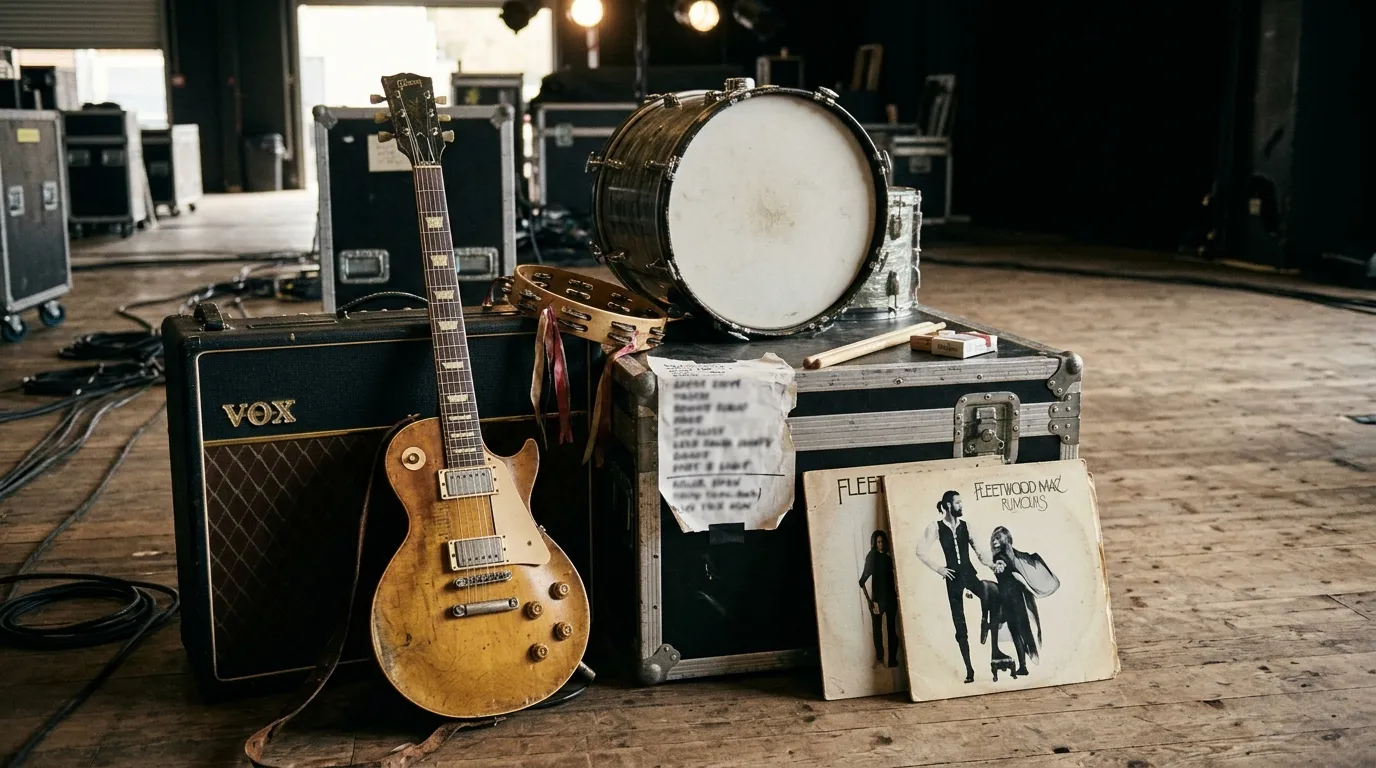
Fleetwood Mac began as a gritty British blues band. Their first single, I Believe My Time Ain’t Long, arrived in 1967 with guitarist Peter Green out front.
Dreams in 1977 became their only No. 1 hit in the U.S. By then, Lindsey Buckingham and Stevie Nicks had joined, and the blues had been replaced by sleek, achingly personal pop-rock.
#19 – Black Sabbath: A Cover Single to Metal’s Blueprint
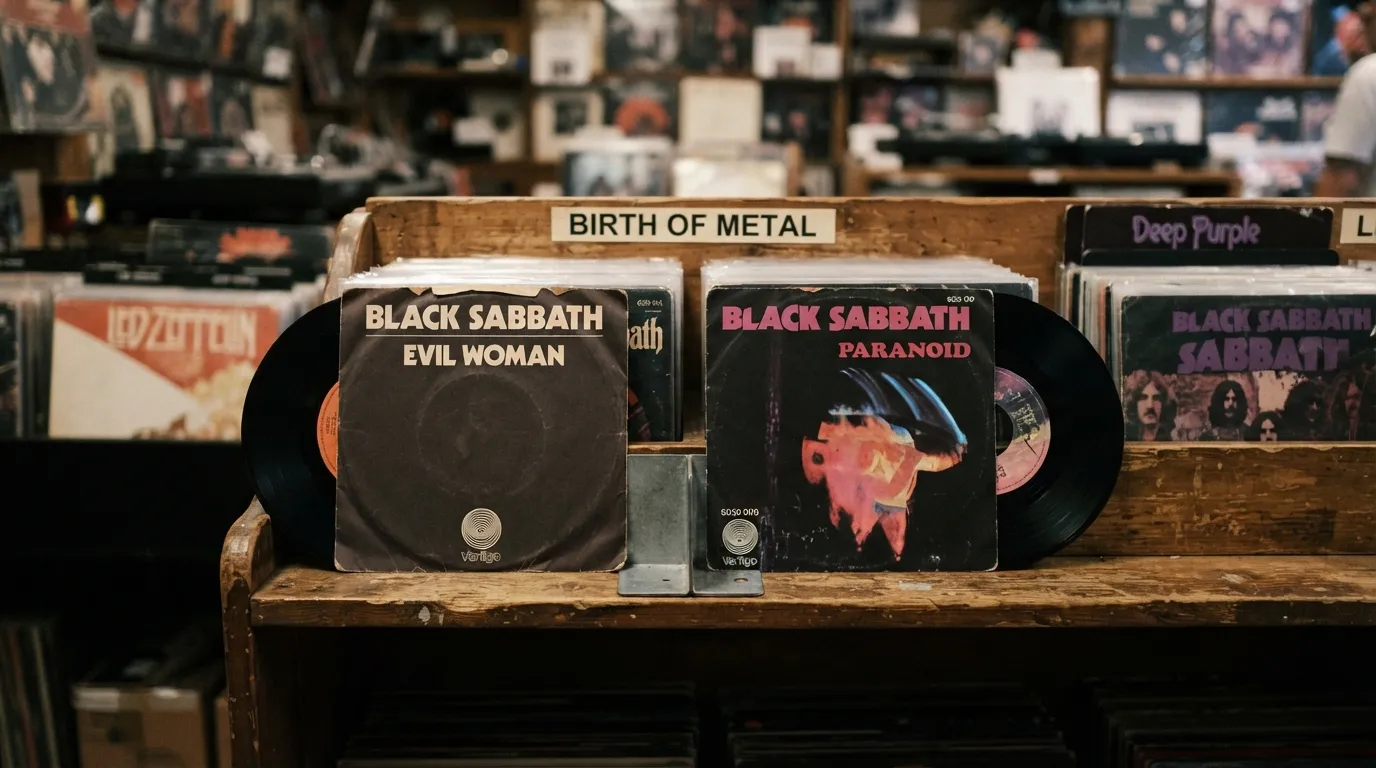
Black Sabbath’s first single, Evil Woman, was a 1970 cover of the band Crow. It sounded more like bluesy hard rock than the doom they would soon unleash.
Paranoid followed later in 1970 and climbed to No. 4 in the UK. Tony Iommi’s heavy riff and Ozzy Osbourne’s urgent vocals helped define heavy metal, and the song was reportedly written quickly to fill space on the album.
#18 – ABBA: A Quiet Debut to the Ultimate Dance-Floor Crown
ABBA’s first single, People Need Love, arrived in 1972 under a clunky credit: Björn & Benny, Agnetha & Anni-Frid. It was gentle pop, still the sound of a group searching for its name.
Dancing Queen in 1976 became their signature, topping the UK chart and later the U.S. Hot 100. Shimmering strings, glossy harmonies, and pure disco euphoria turned a Swedish quartet into a global force.
Quick Compare
- Debut: People Need Love (1972), gentle pop with a four-name credit.
- Turning point: Waterloo won the Eurovision Song Contest in 1974.
- Signature: Dancing Queen (1976), a UK No. 1 that hit No. 1 in the U.S. in 1977.
#17 – Blondie: New York Punk Attitude to Disco-Era No. 1
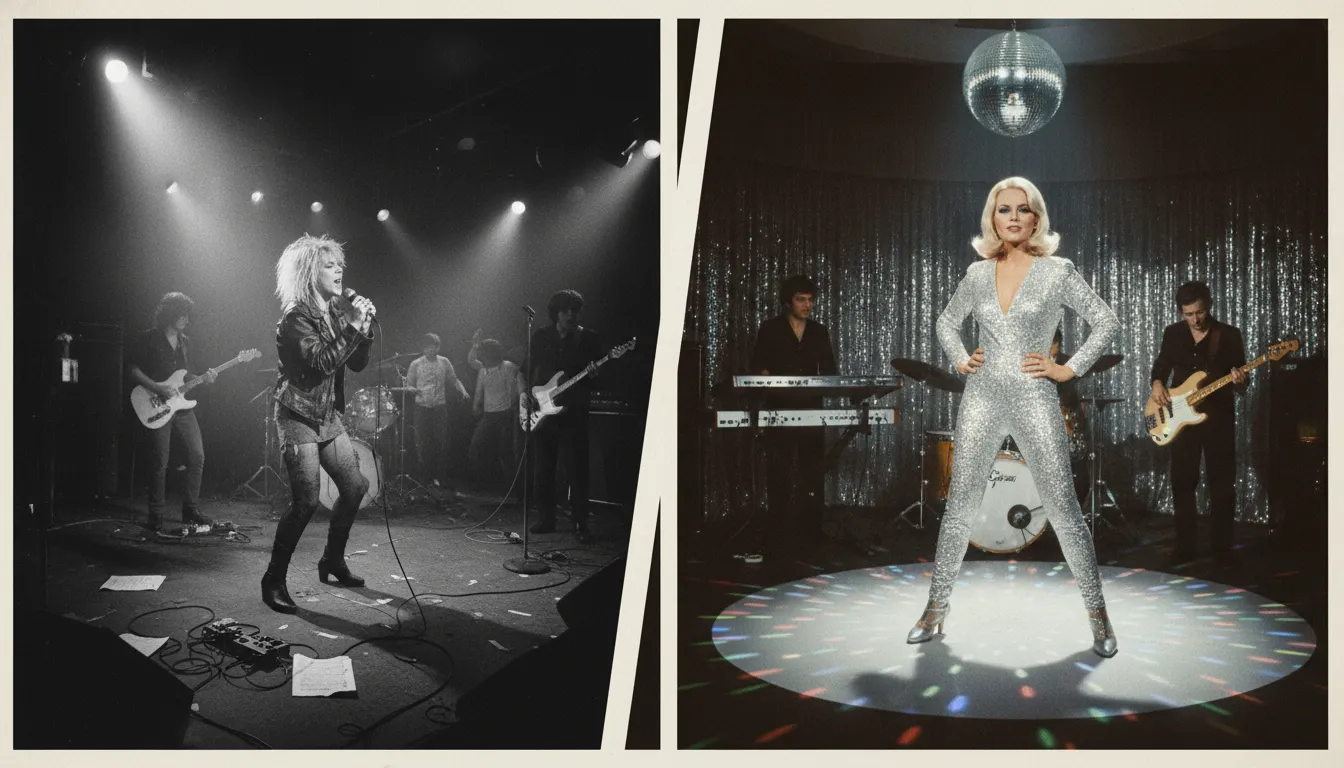
Blondie’s first single, X Offender, appeared in 1976 on Private Stock Records. It was a scrappy, New York punk-flavored track that didn’t become a hit.
Heart of Glass in 1979 reached No. 1 in both the UK and U.S. Its pulsing disco beat and icy synths shocked some punk fans, but it made Debbie Harry’s band a worldwide name.
#16 – The Police: Punk-Edged Debut to a Chilling Love Song
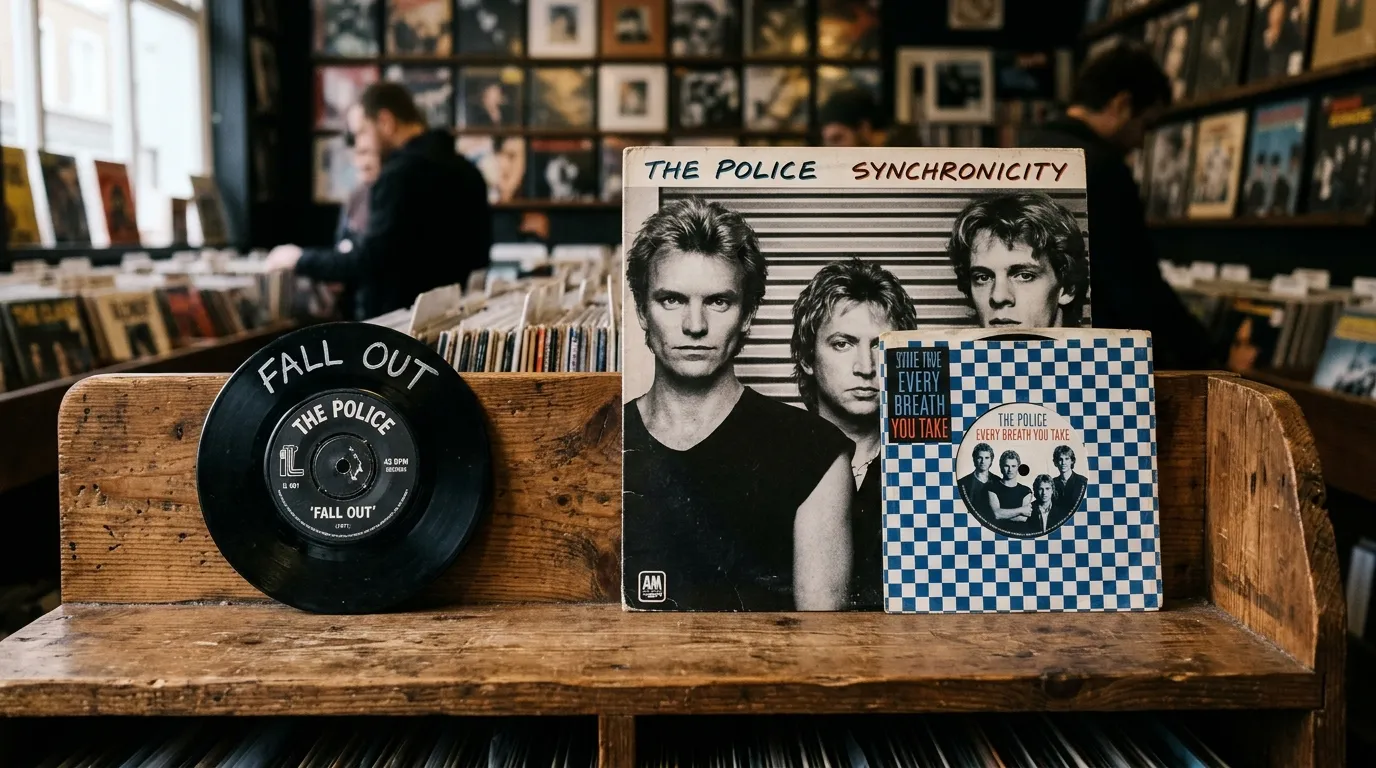
The Police’s first single, Fall Out, was released in 1977 on a tiny independent label. It was fast, scrappy, and very much a product of the punk era.
Every Breath You Take in 1983 spent eight weeks at No. 1 in the U.S. Sting’s hushed, obsessive vocal over a sparse, hypnotic guitar line turned a menacing idea into one of the decade’s biggest hits.
#15 – Talking Heads: Art-School Jitters to a House on Fire
Talking Heads’ first single, Love → Building on Fire, came out in 1977, a jittery, angular slice of New York art-rock. It gave early audiences a taste of David Byrne’s nervy energy.
Burning Down the House in 1983 became their biggest U.S. hit, reaching No. 9. The art-school jitters were still there, but now they came wrapped in funk grooves and a chant-along chorus.
#14 – R.E.M.: Jangly College-Radio Mumble to a Mandolin Megahit
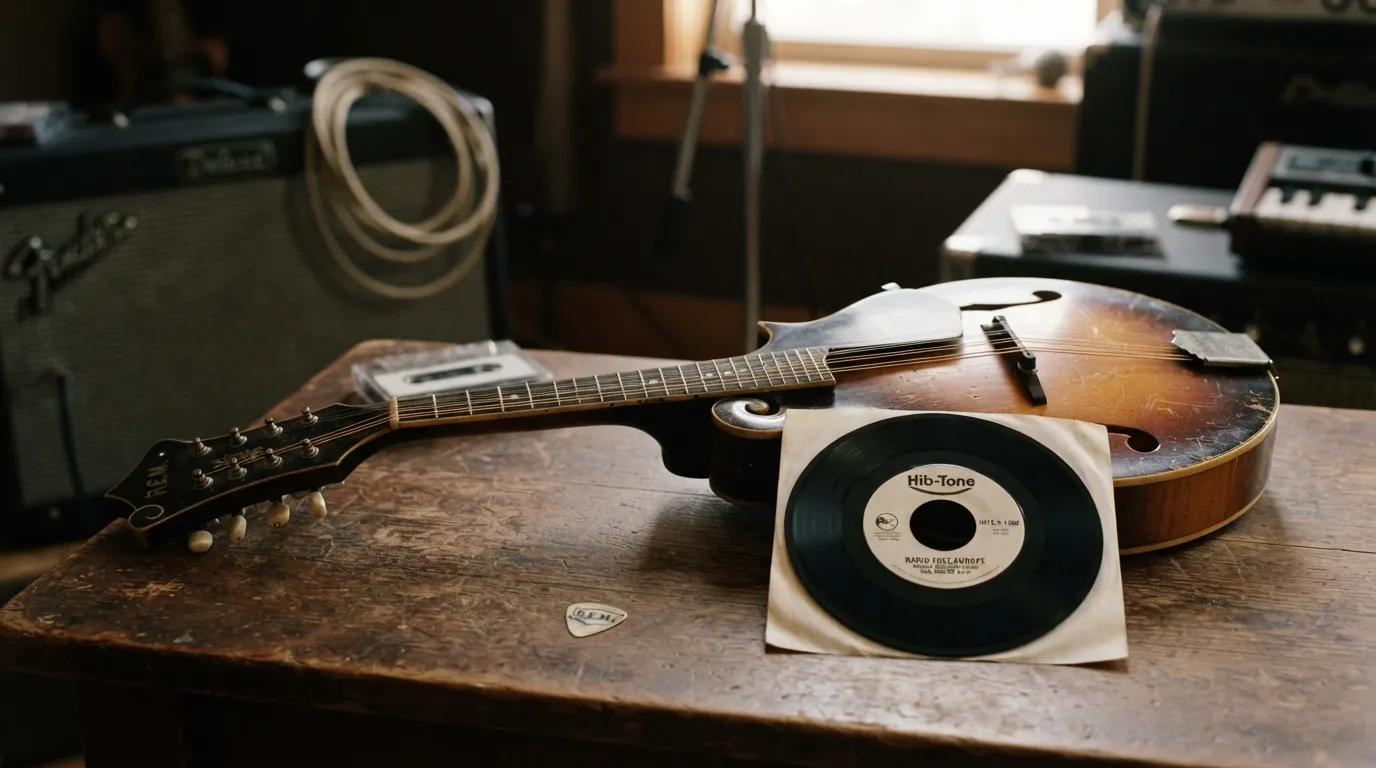
R.E.M.’s first single, Radio Free Europe, came out in 1981 on the tiny Hib-Tone label. Michael Stipe’s murky vocals and Peter Buck’s jangling guitar made it a college-radio favorite.
Losing My Religion in 1991 hit No. 4 in the U.S. and became their signature song. Built around a mandolin riff, it carried the band far beyond college radio and into global fame.
#13 – U2: An Irish-Only Debut to a Worldwide Anthem
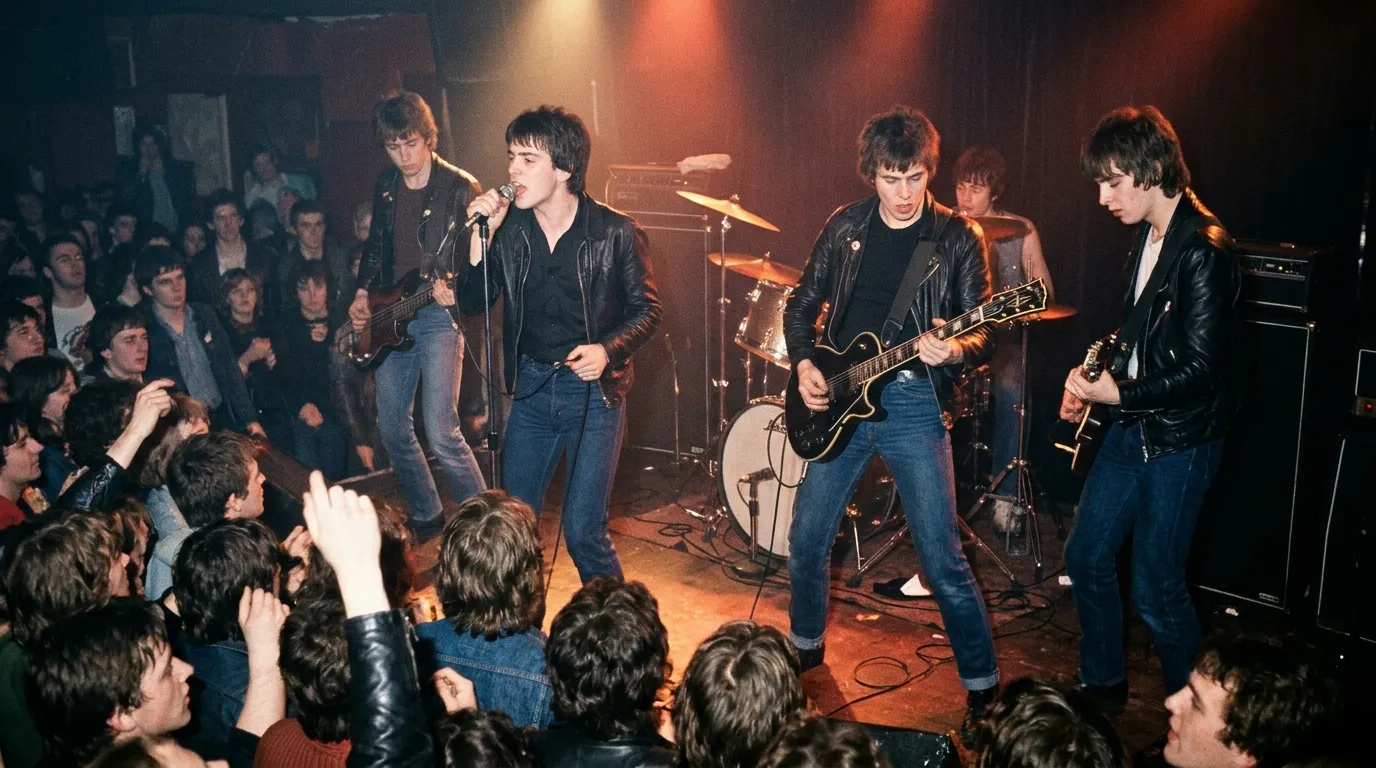
U2’s first single, Out of Control, came out in 1979 on the Irish-only U2-3 EP. It was raw, urgent post-punk from four young Dubliners barely known outside Ireland.
With or Without You in 1987 became their first No. 1 in the U.S. Slow-building and shimmering, it traded post-punk urgency for atmosphere and gave U2 a stadium-sized sound.
#12 – Metallica: Thrash Fury to a Radio-Ready Riff
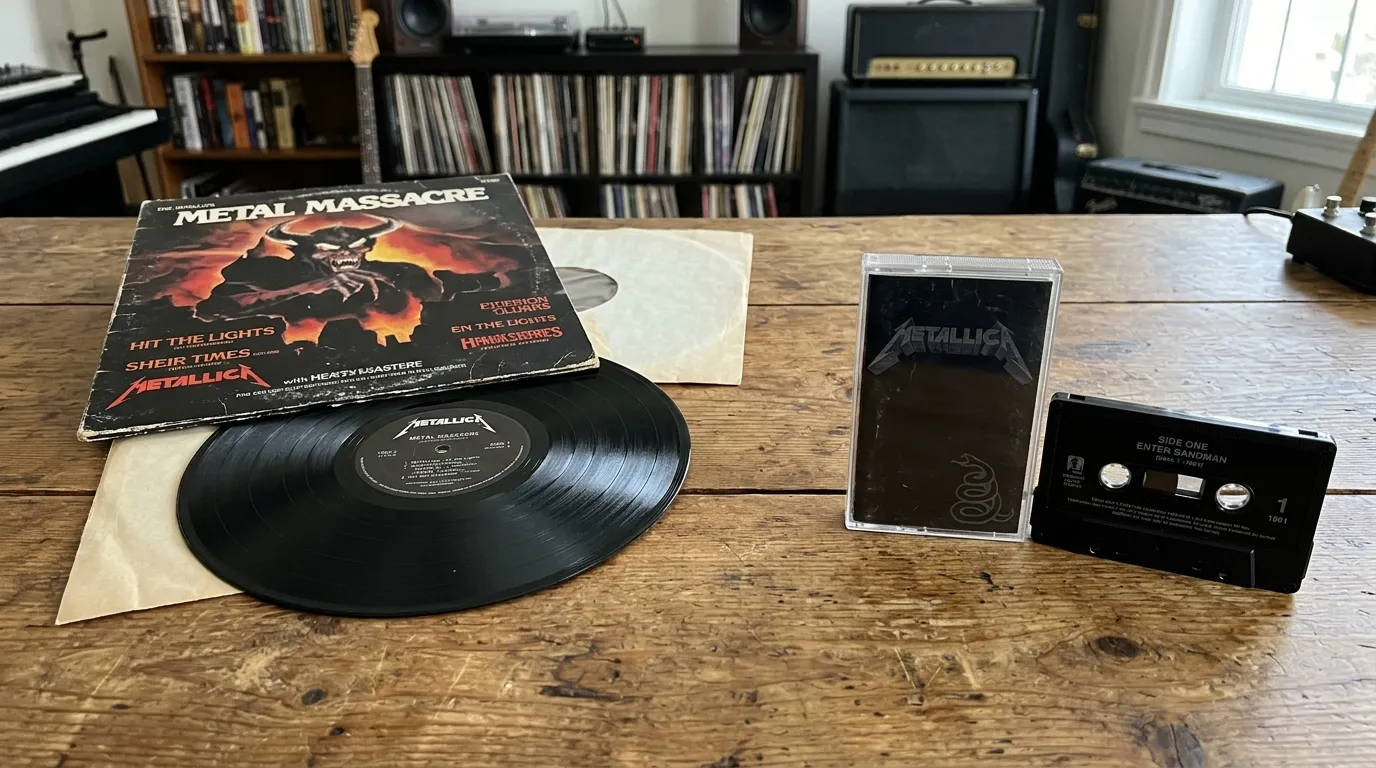
Metallica first surfaced with Hit the Lights on the 1982 compilation Metal Massacre. It was a fast, snarling thrash blast from a young band that was still unknown.
Enter Sandman in 1991 became their breakthrough single, a slower, heavier, tightly produced track from the self-titled album known as the Black Album. It brought a monster metal riff to radio and arenas, and Metallica’s audience exploded.
At a Glance
- First appearance: Hit the Lights, 1982, on a compilation of up-and-coming metal bands.
- Best known: Enter Sandman, 1991, from the Black Album.
- Chart proof: the Black Album reached No. 1 on the Billboard 200, and Enter Sandman peaked at No. 16 on the Hot 100.
- The shift: breakneck speed gave way to a slower, crushing groove.
#11 – Depeche Mode: Bubbly Synth-Pop to a Dark Dance Classic
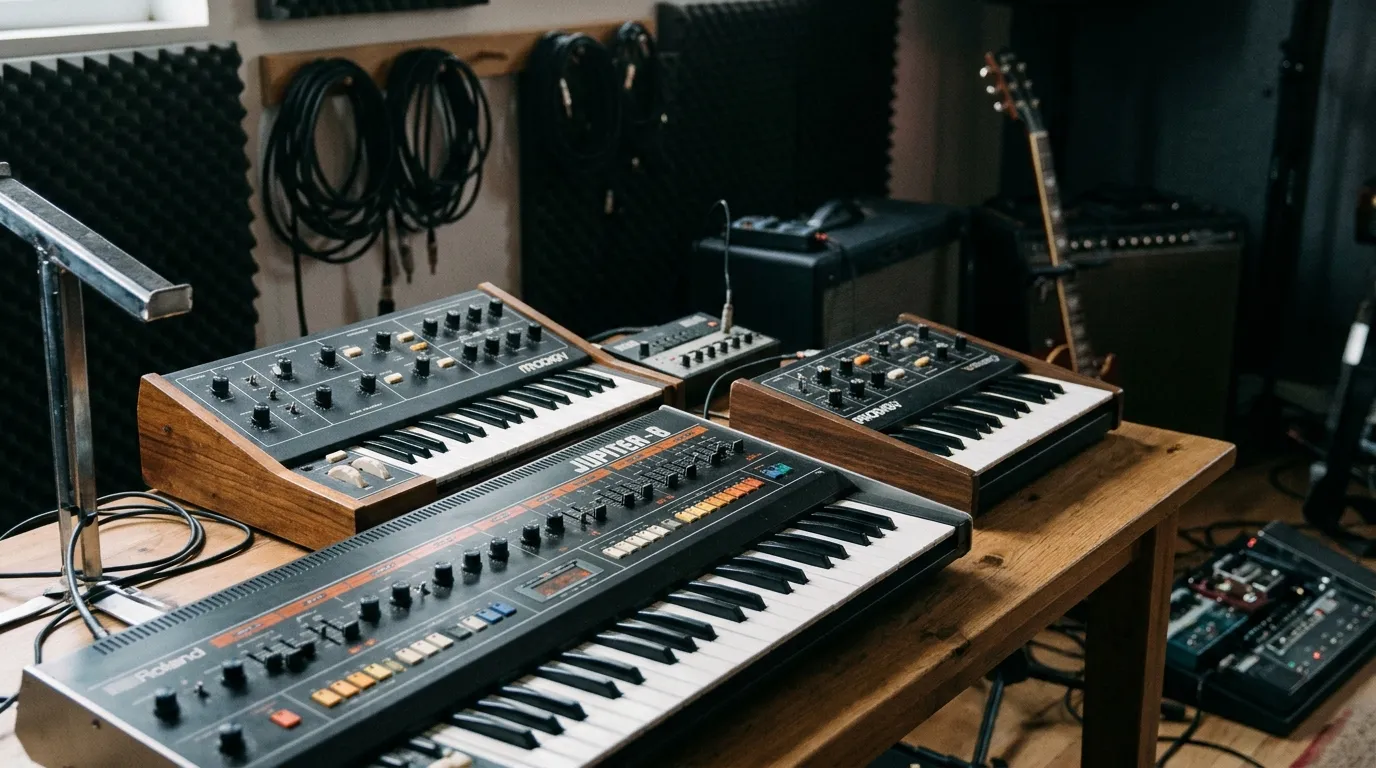
Depeche Mode’s first single, Dreaming of Me, came out in 1981 and only reached No. 57 in the UK. It was bright, bouncy synth-pop from a band still finding its voice.
Enjoy the Silence in 1990 reached the Top 10 in both the UK and U.S. Moody, sleek, and darker, it showed how far the band had moved from pop sparkle to brooding electronic drama.
#10 – Van Halen: A Kinks Cover to a Synth-Powered No. 1
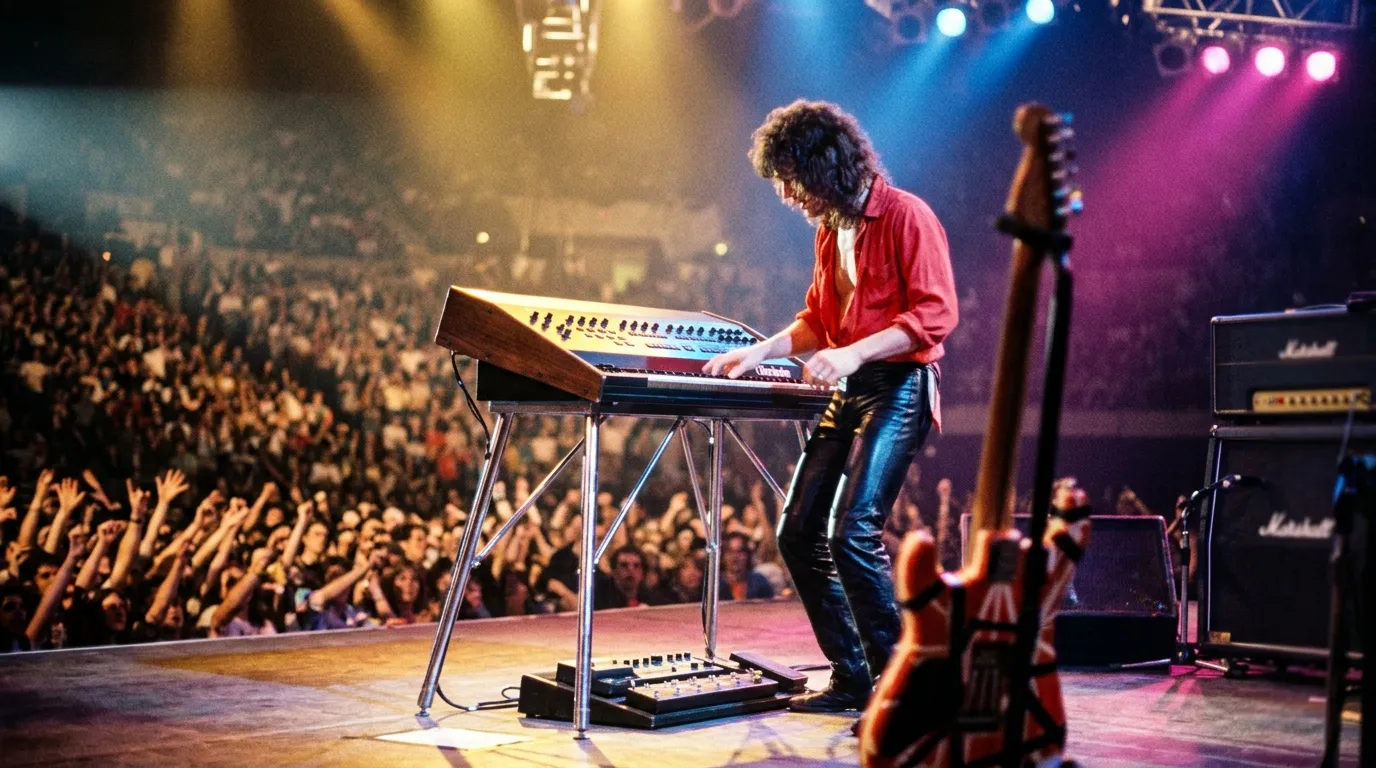
Van Halen’s first single, You Really Got Me, came out in 1978 and was a cover of the Kinks. Eddie Van Halen’s blazing guitar made it sound brand new.
Jump in 1984 gave the band its only No. 1 on the Billboard Hot 100. Built on a bright synthesizer riff instead of a guitar, it was a bold swerve for a guitar-hero band.
#9 – Bon Jovi: A Modest Debut to the Ultimate Big-Hair Singalong
Bon Jovi’s first single, Runaway, came out in 1983 and reached No. 39 on the U.S. Hot 100. It was a promising start, but it didn’t make them stars.
Livin’ on a Prayer in 1986 hit No. 1 in the U.S. A talk-box guitar riff, a key change, and a chorus built for crowds turned a New Jersey band into arena headliners.
#8 – Red Hot Chili Peppers: Funk-Punk Chaos to a Quiet LA Confession

The Red Hot Chili Peppers’ first single, True Men Don’t Kill Coyotes, came out in 1984. It was a rowdy mix of punk and funk that made little noise outside the club scene.
Under the Bridge in 1992 reached No. 2 in the U.S. Anthony Kiedis wrote it about loneliness and addiction, and its hushed verses and choir-backed finale were a world away from their rowdy early sound.
#7 – The Cure: Stark Post-Punk to a Dreamy Pop Classic
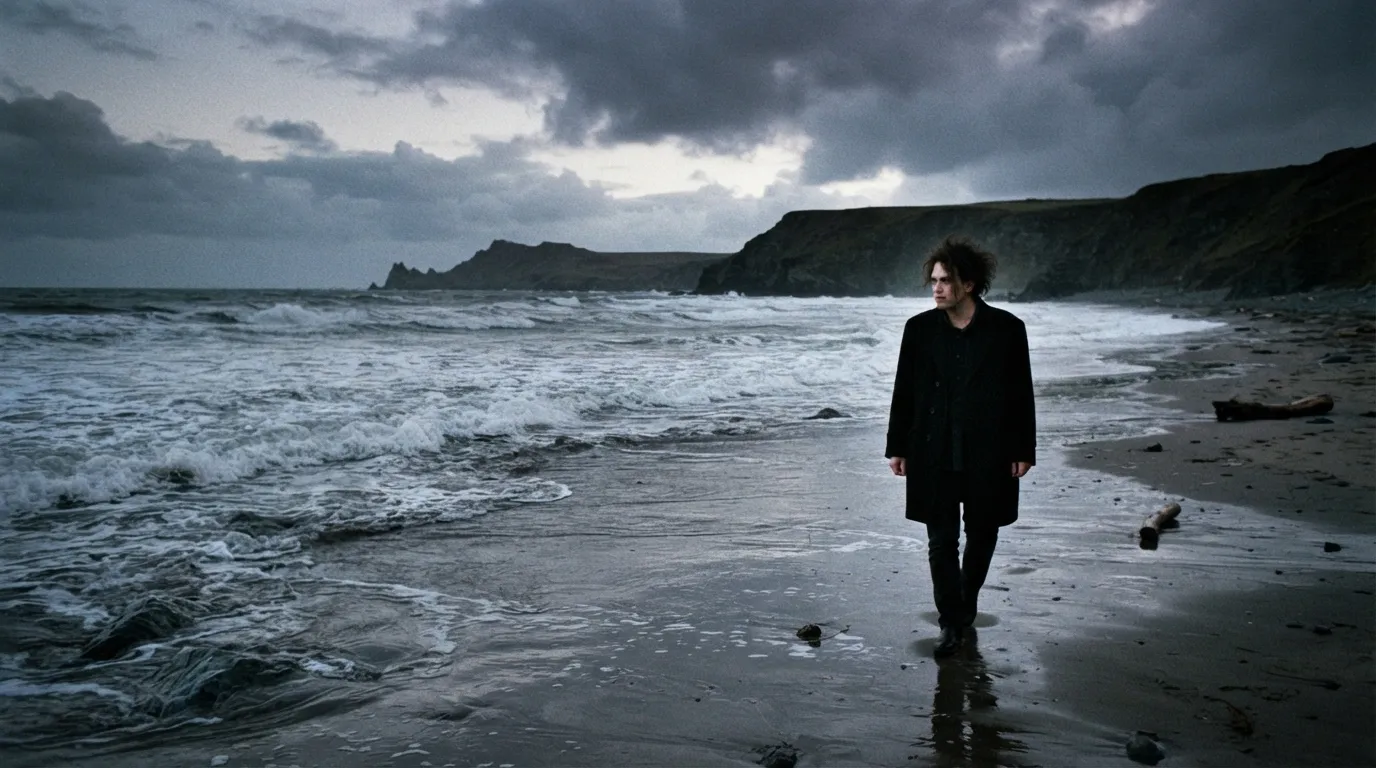
The Cure’s first single, Killing an Arab, came out in 1978. It was a spare, tense post-punk song inspired by Albert Camus’ novel The Stranger.
Just Like Heaven in 1987 became one of their best-loved songs and a U.S. Top 40 entry. Robert Smith traded stark minimalism for lush guitars, a swooning hook, and a romantic sweep that fans still sing back.
#6 – The Smashing Pumpkins: Chicago Indie Roar to Alt-Rock Spectacle
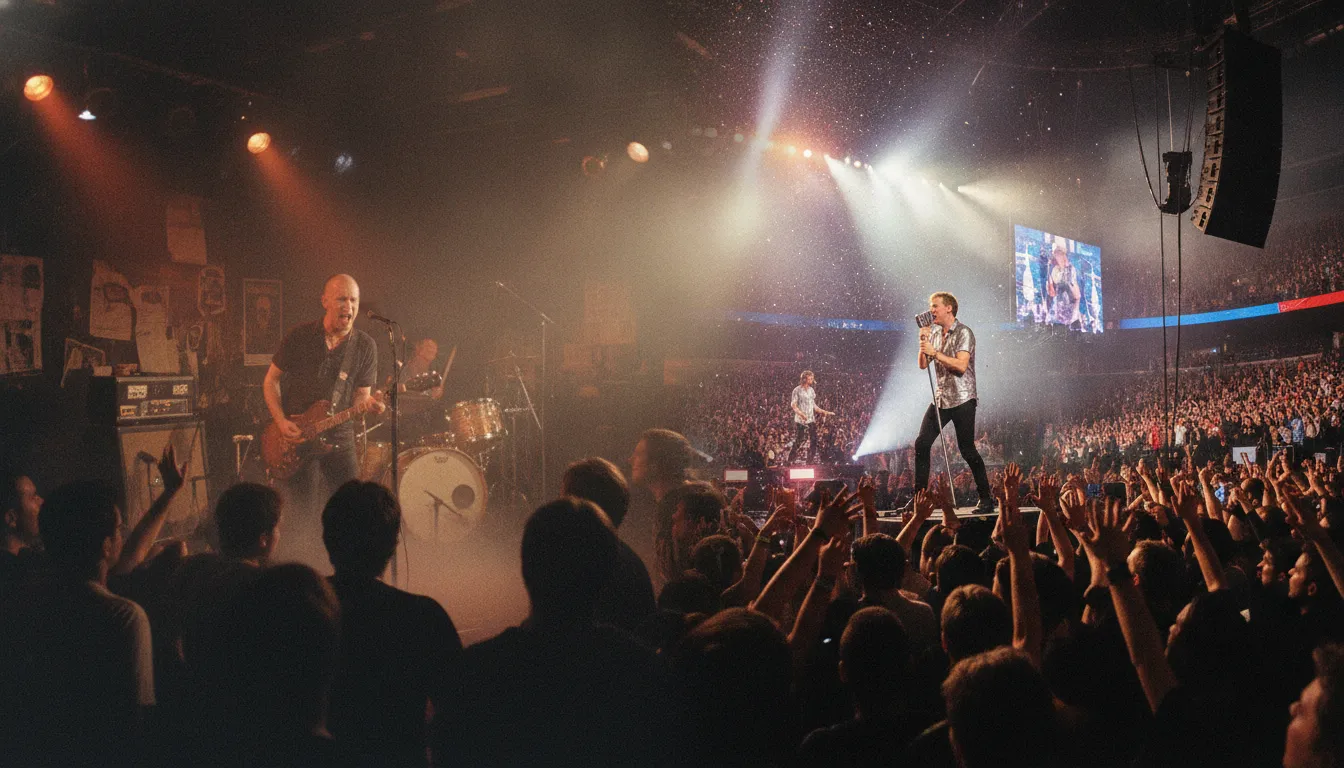
The Smashing Pumpkins’ first single, I Am One, came out in 1990 on Chicago’s Limited Potential label. It was heavy, hazy guitar rock that few outside Chicago heard.
Bullet with Butterfly Wings in 1995 hit the U.S. Top 25 and anchored the sprawling double album Mellon Collie and the Infinite Sadness. Billy Corgan’s snarling chorus helped turn a Chicago club band into arena headliners.
#5 – Green Day: Garage-Punk Beginnings to a Slacker Anthem
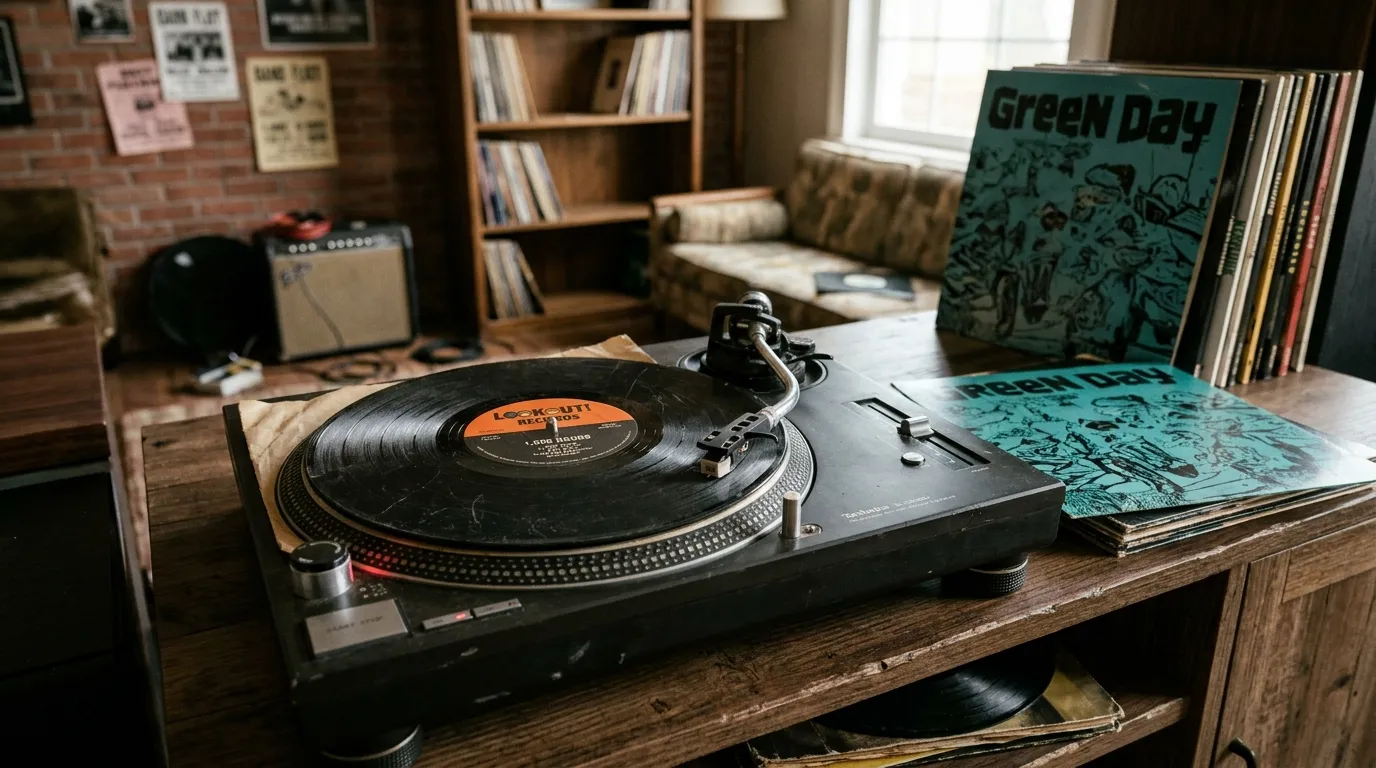
Green Day’s first release, the 1,000 Hours EP, arrived in 1989 on Lookout! Records. Its fast, snotty East Bay punk was made for small clubs and basements.
Basket Case in 1994 came from the major-label breakthrough Dookie and became one of their signature songs. Billie Joe Armstrong’s anxious, catchy chorus brought underground pop-punk to MTV and millions of living rooms.
#4 – Oasis: A Modest Debut to the Britpop Anthem Everyone Knows
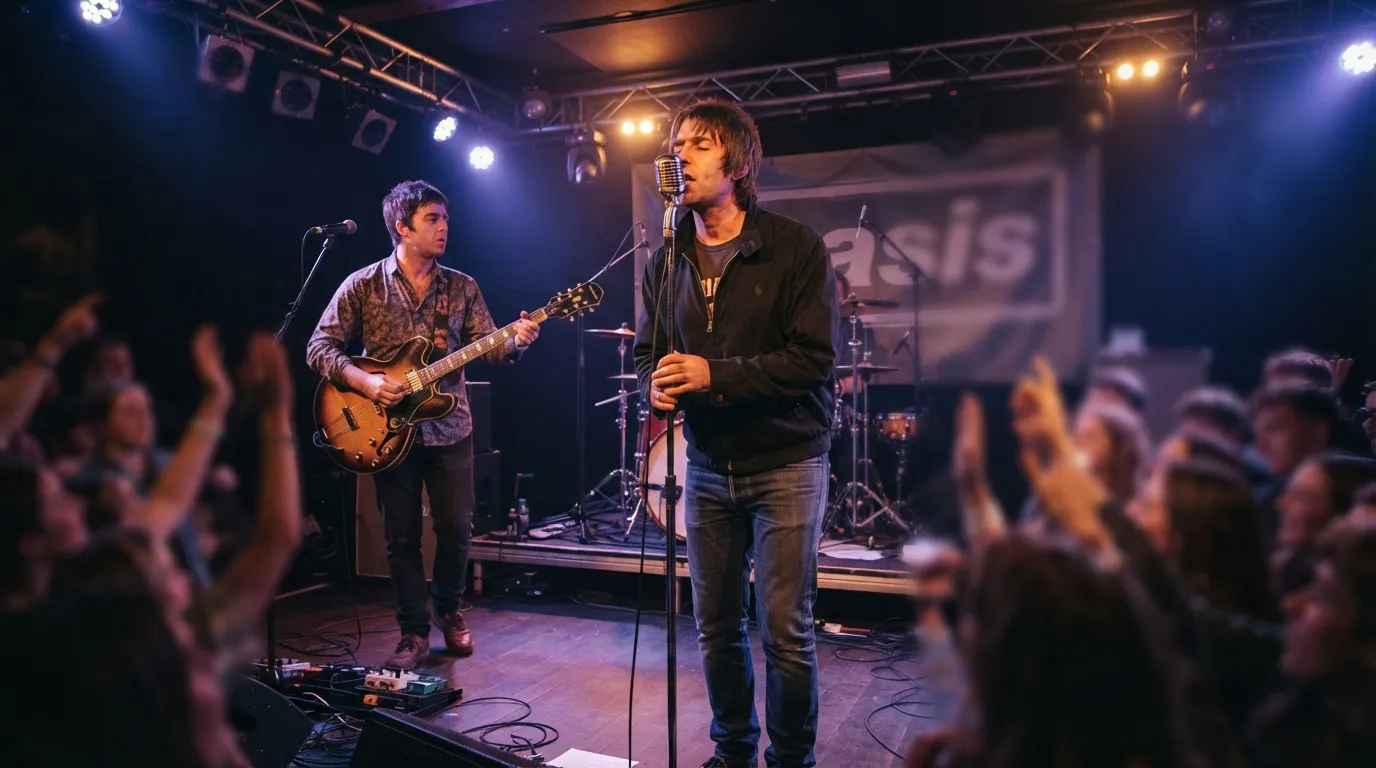
Oasis’s first single, Supersonic, came out in April 1994 and reached No. 31 in the UK. It was a swaggering opening statement, but it hardly hinted at the scale to come.
Wonderwall in 1995 reached No. 2 in the UK and became their global calling card. A slower acoustic strum and a wistful chorus gave Noel Gallagher’s songwriting a worldwide audience.
#3 – Coldplay: A 500-Copy EP to a Glowing Yellow Breakthrough
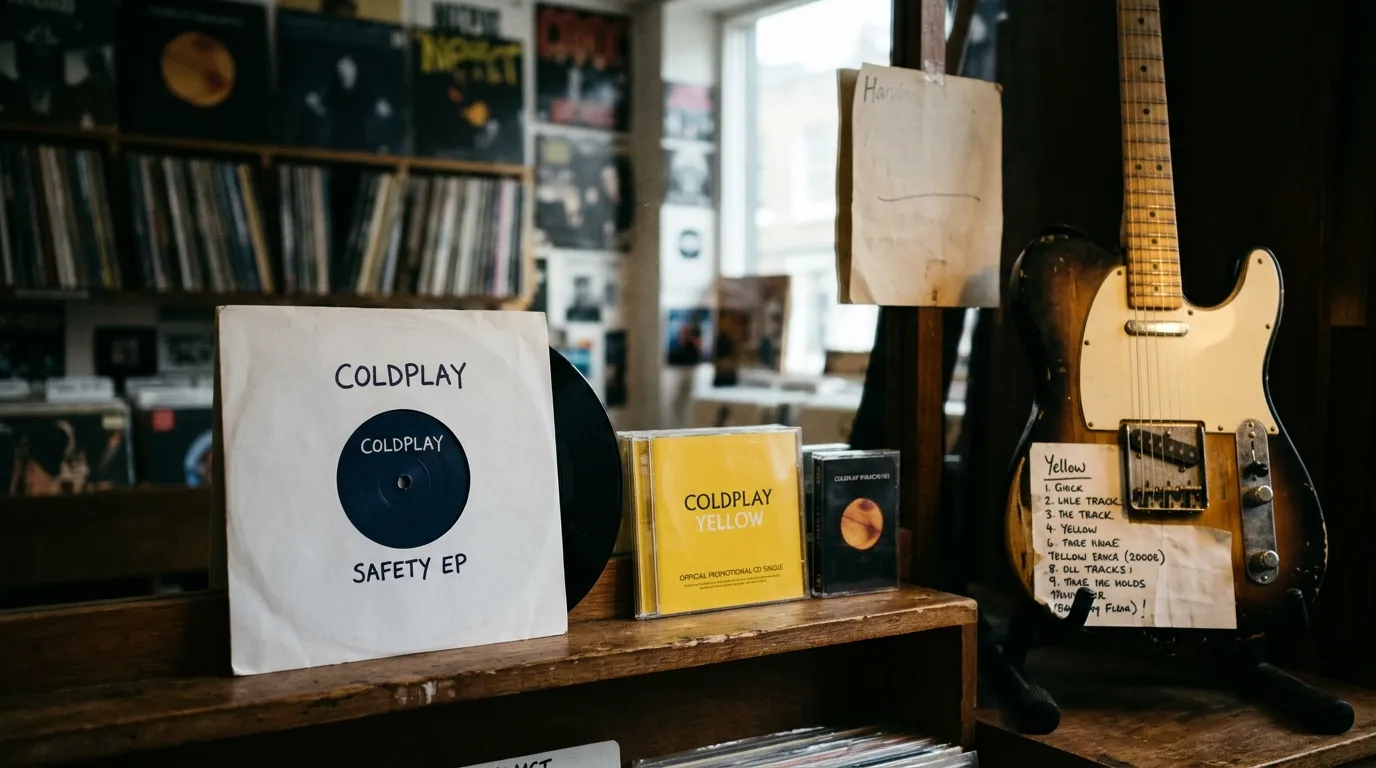
Coldplay’s first release was the Safety EP in 1998, pressed in a tiny run of 500 copies. Its quiet guitar and piano sound hinted at the soaring style to come.
Yellow in 2000 reached No. 4 in the UK and gave them their international breakthrough. Chris Martin’s falsetto, glowing guitars, and a huge chorus turned a student band into a stadium act.
Fast Facts
- Safety EP, 1998: a run of just 500 copies.
- Yellow, 2000: a No. 4 hit in the UK.
- Yellow appears on the album Parachutes, which debuted at No. 1 in the UK.
- Parachutes later won the Grammy for Best Alternative Music Album.
#2 – Arctic Monkeys: The Debut That Hit No. 1 vs the Slow-Burn Groove
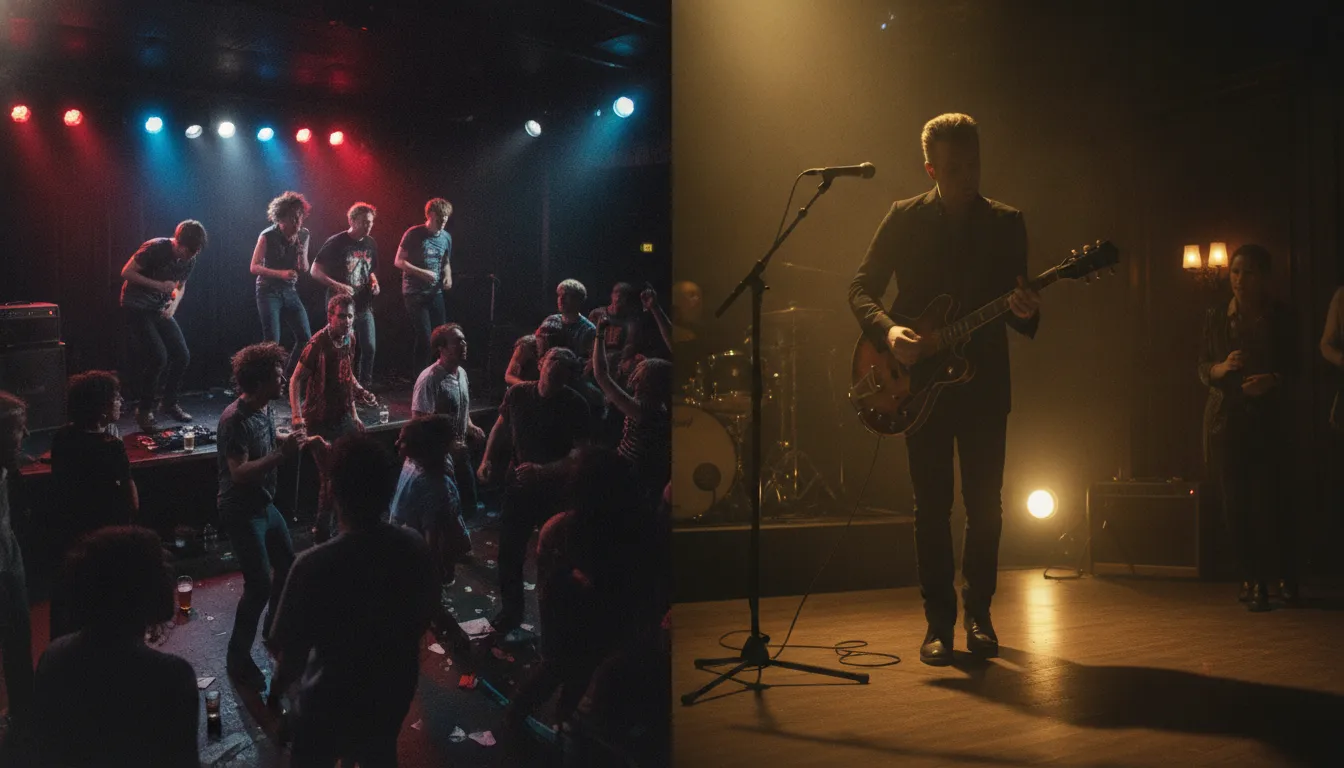
Arctic Monkeys flipped the usual story. Their first official single, I Bet You Look Good on the Dancefloor, debuted at No. 1 in the UK in October 2005.
Their best-known song, Do I Wanna Know?, arrived in 2013 as the lead single from AM. It traded quick-fire indie energy for a slow, heavy, stomping groove, and its hypnotic riff became the band’s calling card.
#1 – Nirvana: Local Punk Energy to Grunge Watershed
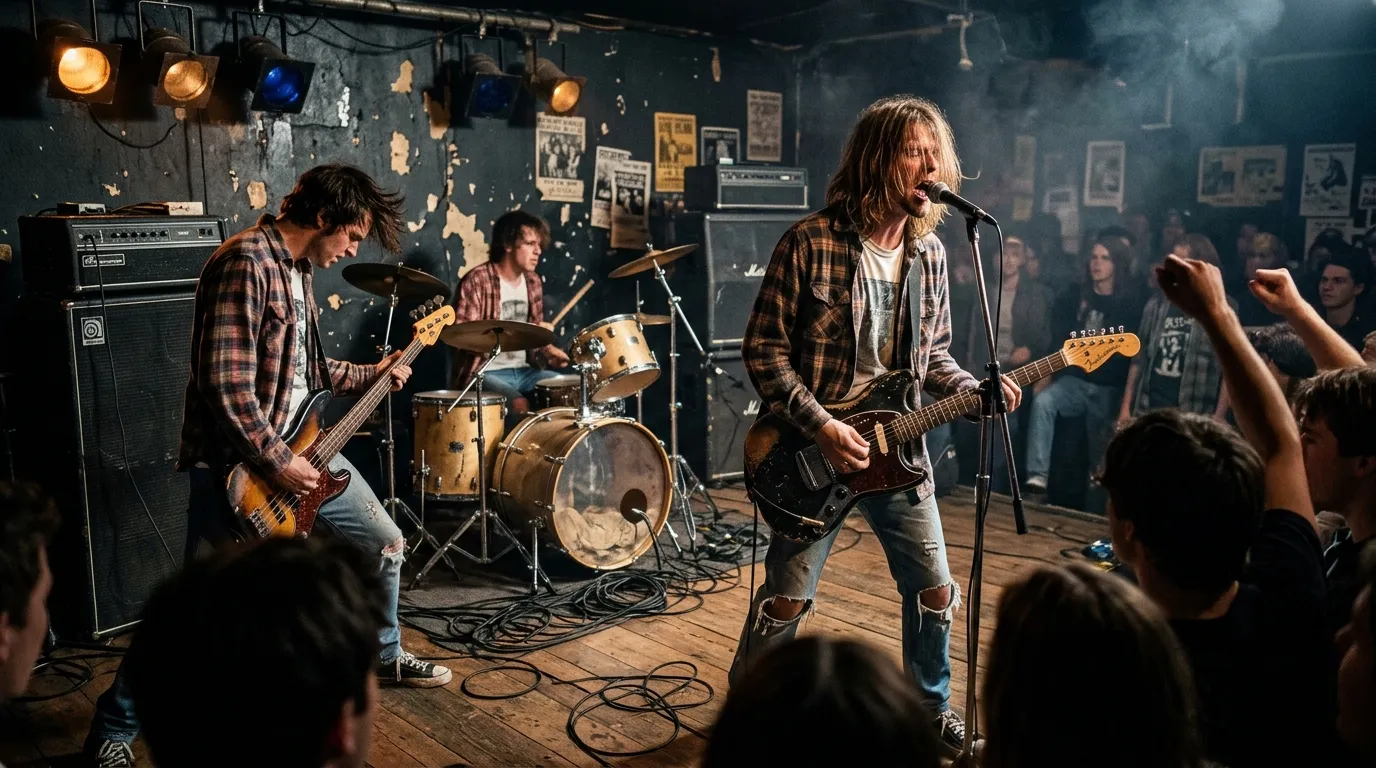
Nirvana’s first single, Love Buzz, came out in 1988 on Sub Pop. A cover of a Shocking Blue song, it introduced their raw Seattle sound to a small underground crowd.
Smells Like Teen Spirit in 1991 exploded worldwide and became the anthem of a generation. Distorted guitars, quiet-loud dynamics, and Kurt Cobain’s frustrated howl moved Nirvana from indie punk to a full cultural reset.
Look back across the list and the pattern is hard to miss. A first single is rarely the finished band. It’s usually a rough sketch, and the song everyone knows is what happens once the band figures out who it really is.
CEO-Co-Founder