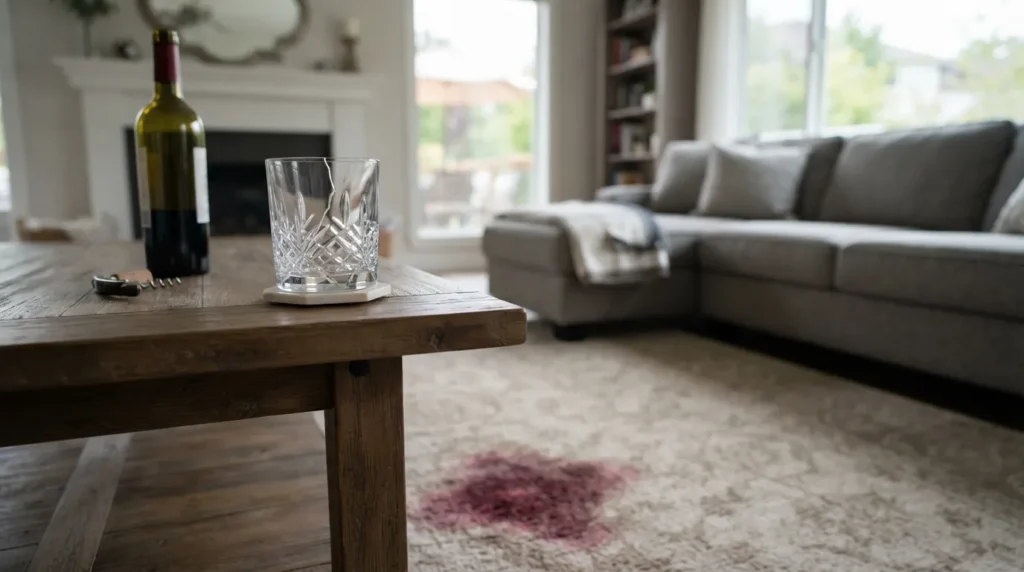

You’d expect a stay in someone’s rental to come with basic common sense, yet hosts keep running into the same rule-bending habits that cost them time, money, and sleep.
Some of these look harmless in the moment. Others can end in warnings, extra costs, or a sour review, and the ones near the end are the stories hosts tell again and again.
#18 – Ignoring Posted Occupancy Limits

Hosts set maximum guest counts to match local permits, safety rules, and what the property can handle. Adding extra people after check-in strains the water, the septic system, the beds, and the parking all at once.
The sneakiest version is the ‘quick add’ nobody mentions to the host. It can mean higher utility bills and trouble with the host’s license. Respectful guests confirm the headcount before booking and ask first if plans change.
#17 – Disregarding Quiet Hours

Quiet hours protect the neighbors, and they’re often posted as something like 10 PM to 8 AM. Guests who keep the speaker going on the patio leave the host fielding angry complaints at midnight.
Platforms encourage hosts to spell these times out in the listing. Repeated violations can bring warnings or even removal from the platform. The smarter plan is to do the loud stuff earlier, then move inside and turn it down when quiet hours begin.
#16 – Parking in Unauthorized Spots
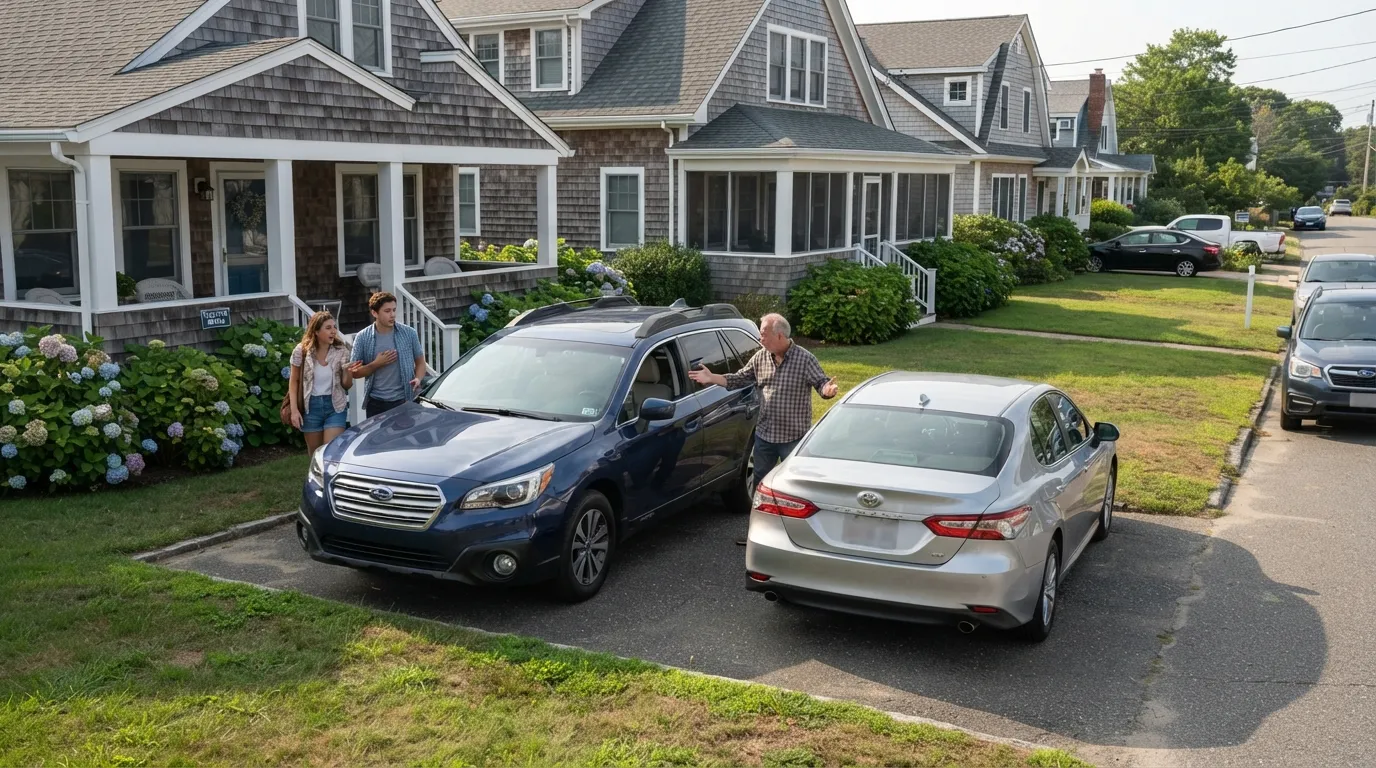
Many rentals have designated spots or street-only parking. Pulling into a neighbor’s driveway or blocking someone’s access can turn a vacation into a feud fast.
The surprising part is how many guests assume any open space is fair game. Towing and disputes can follow, and the host gets the angry call. Check the listing photos and parking notes before you arrive, and ask if it’s unclear where the extra car should go.
#15 – Sneaking in a Pet at a No-Pet Rental
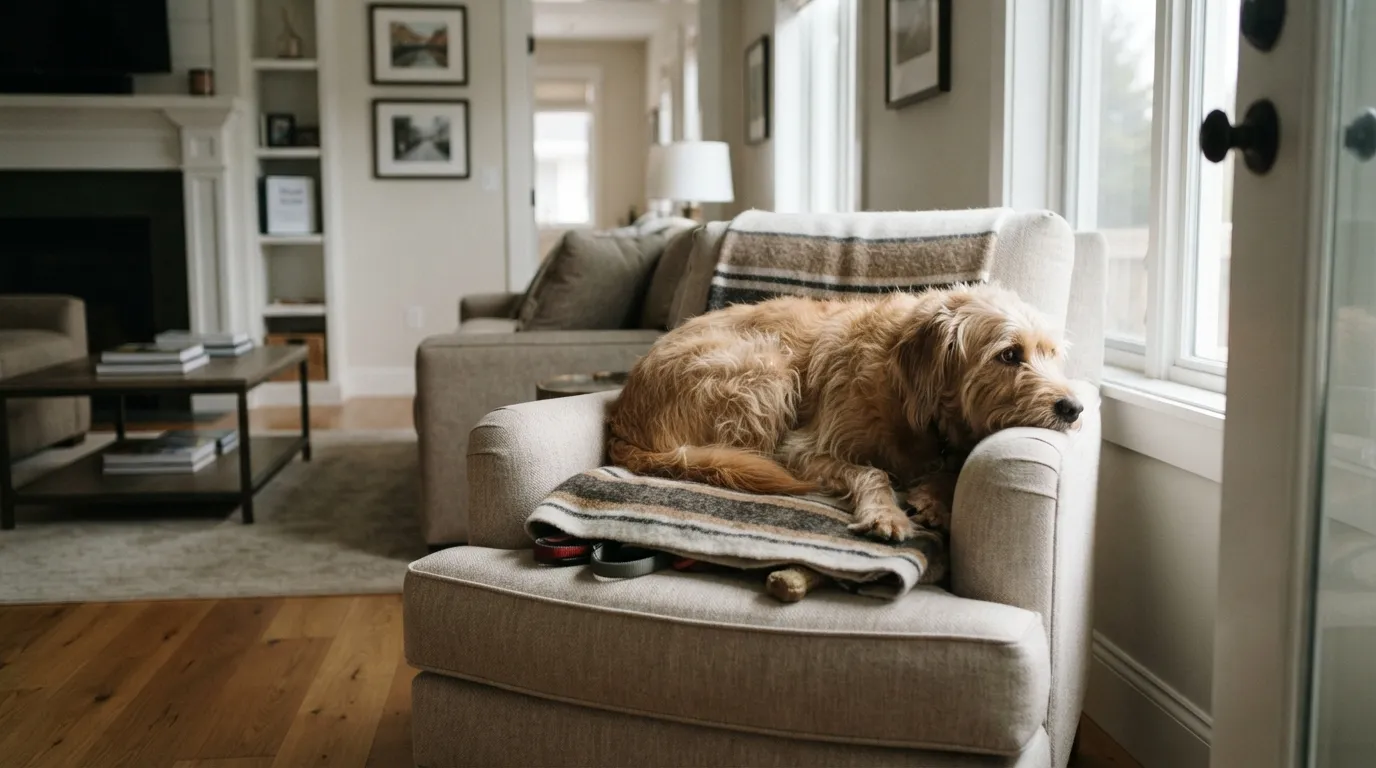
Some listings say no pets, while others allow them with conditions. Smuggling in a dog anyway leaves hair, odors, and allergens behind for the next guest, who may be allergic.
It can also lead to cleaning charges or a dispute when the house rules prohibited animals. Honest guests filter for pet-friendly listings, tell the host about their animal up front, and follow the rules on leashes and furniture.
Quick Compare
- Sneaking a pet in: Risks cleaning charges, a rule dispute, and an allergic next guest.
- Asking first: Lets the host say yes, name conditions, or point you to a better fit.
- Filtering for pet-friendly listings: Spares everyone the awkward surprise.
#14 – Ignoring the Trash and Recycling Instructions
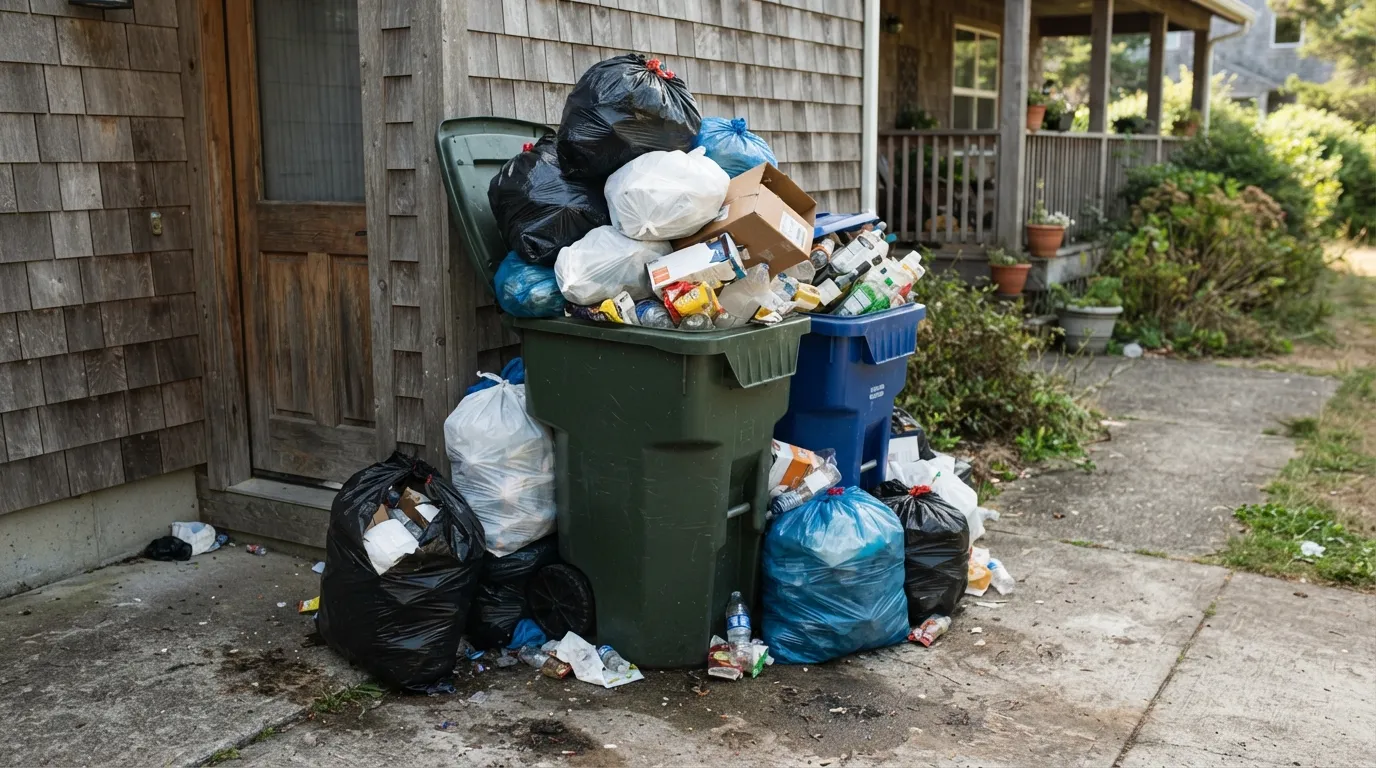
Many hosts leave clear directions for trash, recycling, and pickup day. Guests who leave overflowing bags by the door or stuff the bins past closing invite pests, smells, and neighbor complaints.
A reeking kitchen bin on checkout morning is the classic offender. Local waste rules may even bring fines. Follow the posted sorting guide, tie the bags tightly, and put them where the instructions say. If there’s no guidance, just ask.
#13 – Leaving the Kitchen in Full Aftermath Mode
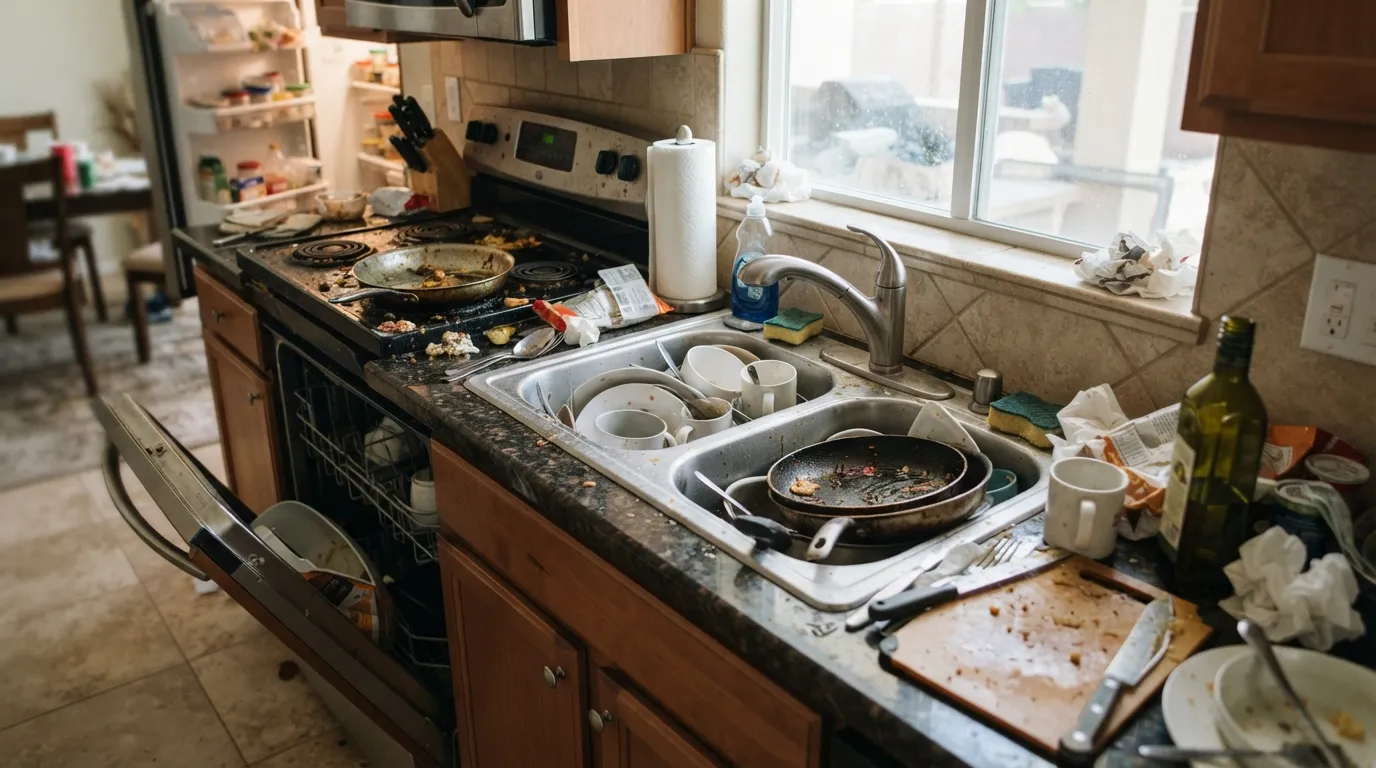
Dirty dishes in the sink, forgotten leftovers in the fridge, and grease baked onto the stove are waiting for the cleaner hours before the next arrival. Spoiled food can turn a quick turnover into a deep-clean emergency.
Many listings ask guests to load the dishwasher and clear out perishables. Do one last sweep before you go: run the dishwasher, wipe the counters, and take your food with you.
#12 – Smoking or Vaping Indoors
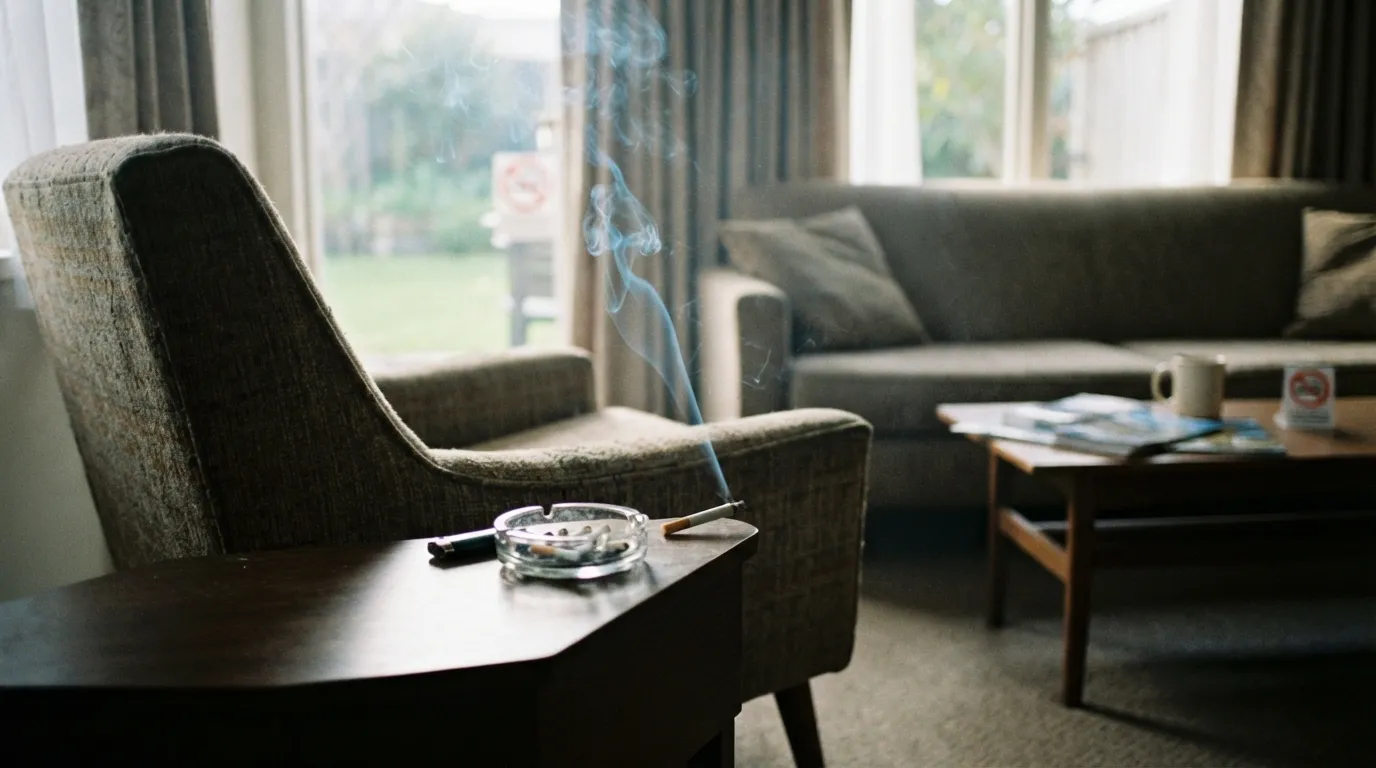
Many rentals ban smoking and vaping inside, and some ban it on the whole property. Smoke clings to curtains, couches, and mattresses, and the smell can linger long after you’ve checked out.
That can trigger cleaning fees or damage claims under the host’s rules, and it adds a fire risk. Step outside only where it’s explicitly allowed, and put butts in a proper container, not the flowerbed.
#11 – Throwing an Unapproved Party

Booking a quiet weekend and then inviting a crowd is one of the fastest ways to lose a host’s trust. Parties strain occupancy limits, parking, noise rules, and the neighbors’ patience, and many platforms and house rules prohibit them.
Consequences can include a canceled stay or being barred from future bookings. If you want to celebrate, ask permission first and be honest about how many people are coming. Or book a proper venue.
#10 – Treating Checkout Time Like a Suggestion
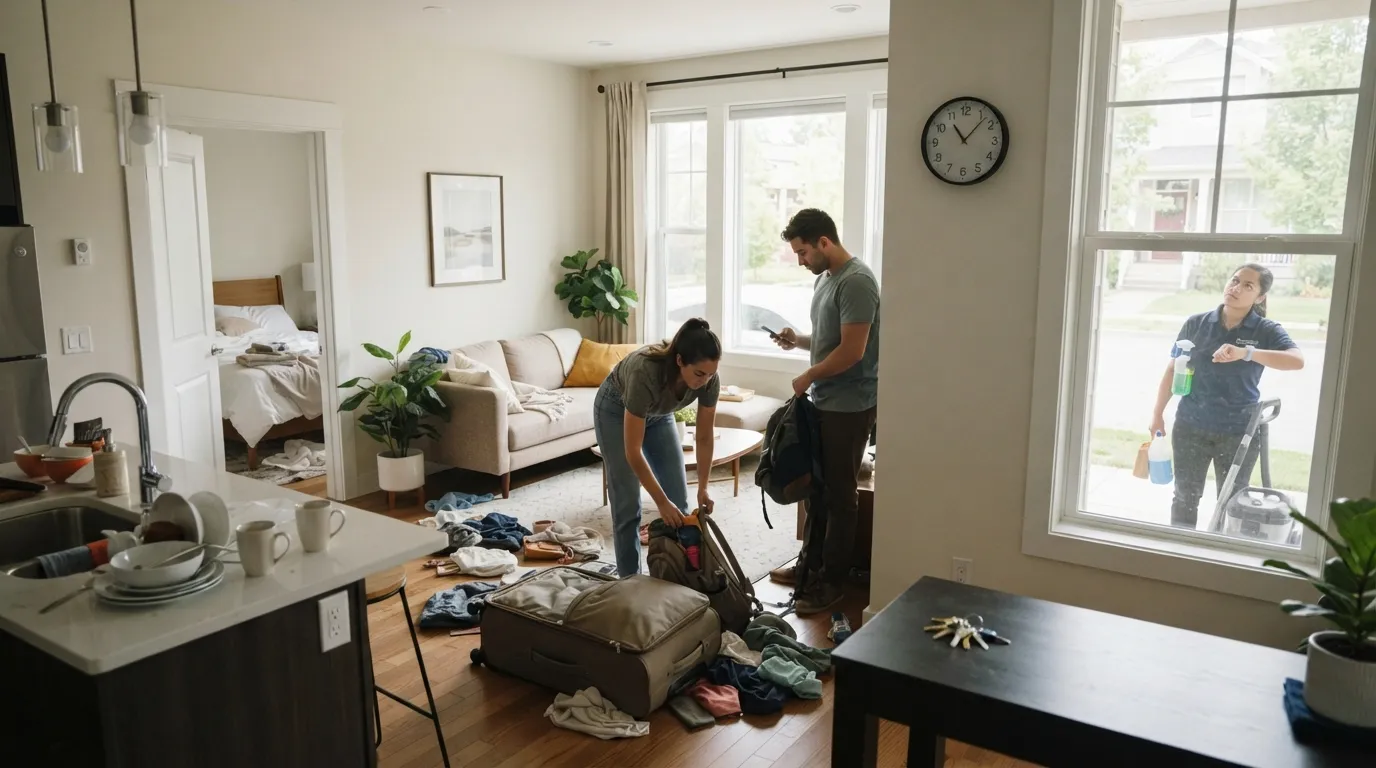
Checkout time exists because a new guest or a cleaning crew is on the way. Guests who sleep in and drift out late squeeze the whole turnover and may trigger late-checkout charges if the policy lists them.
Hosts remember the scramble. If you need extra time, ask the day before, since some hosts will say yes. If the answer is no, pack the night before and leave on schedule.
Worth Knowing
- The checkout time is listed in the booking details, so check it on arrival day.
- A late checkout is a favor unless the listing says otherwise.
- Asking early gives the host time to check the cleaning schedule.
- Packing the night before is the easiest way to leave on time.
#9 – Using the Good Towels for Messes
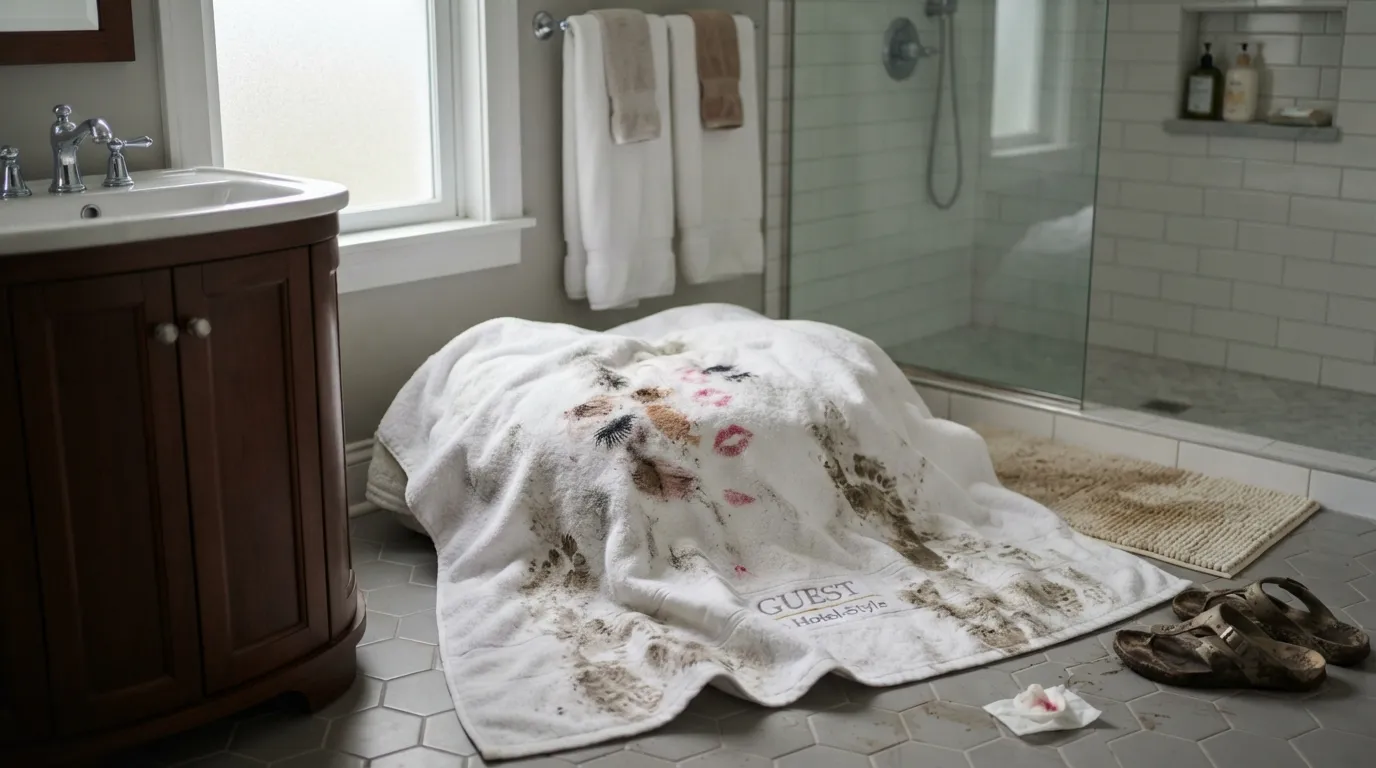
Makeup removal, muddy shoes, beach trips, and dog baths all end up on towels meant for showers. Stains and bleach spots mean replacements, and keeping a rental fully stocked isn’t cheap.
Check whether the listing provides beach towels, and bring your own if it doesn’t. Ask the host for old rags when you need them, and leave used linens where the instructions say.
#8 – Treating the Rental Like a Gift Shop
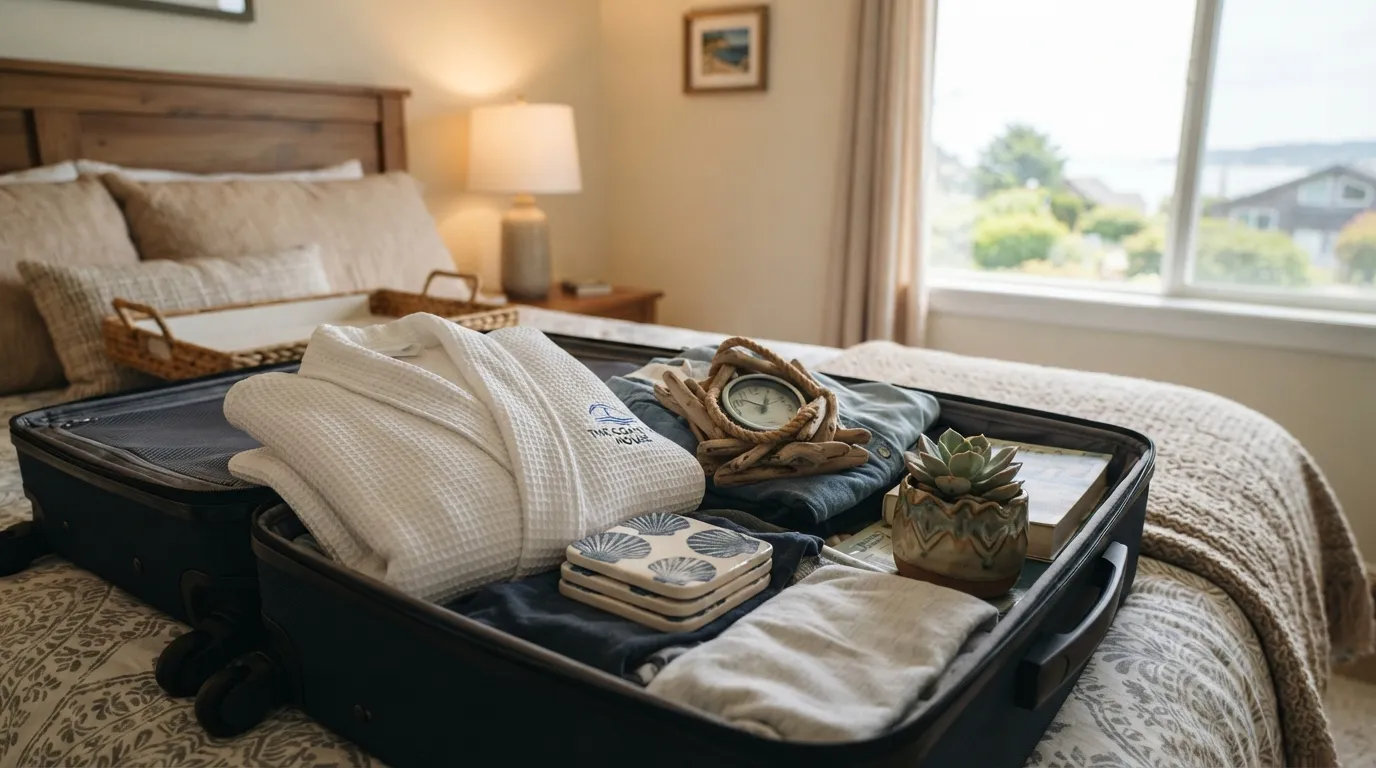
Robes, coasters, kitchen gadgets, board games, and decor have all been known to vanish into suitcases. Missing items have to be replaced, and hosts may ask for payment through the platform.
A welcome basket isn’t a hint to take the house. Only consumables the listing clearly offers, like coffee pods, are yours to use. If you love something, ask where to buy it.
#7 – Breaking Something and Staying Silent
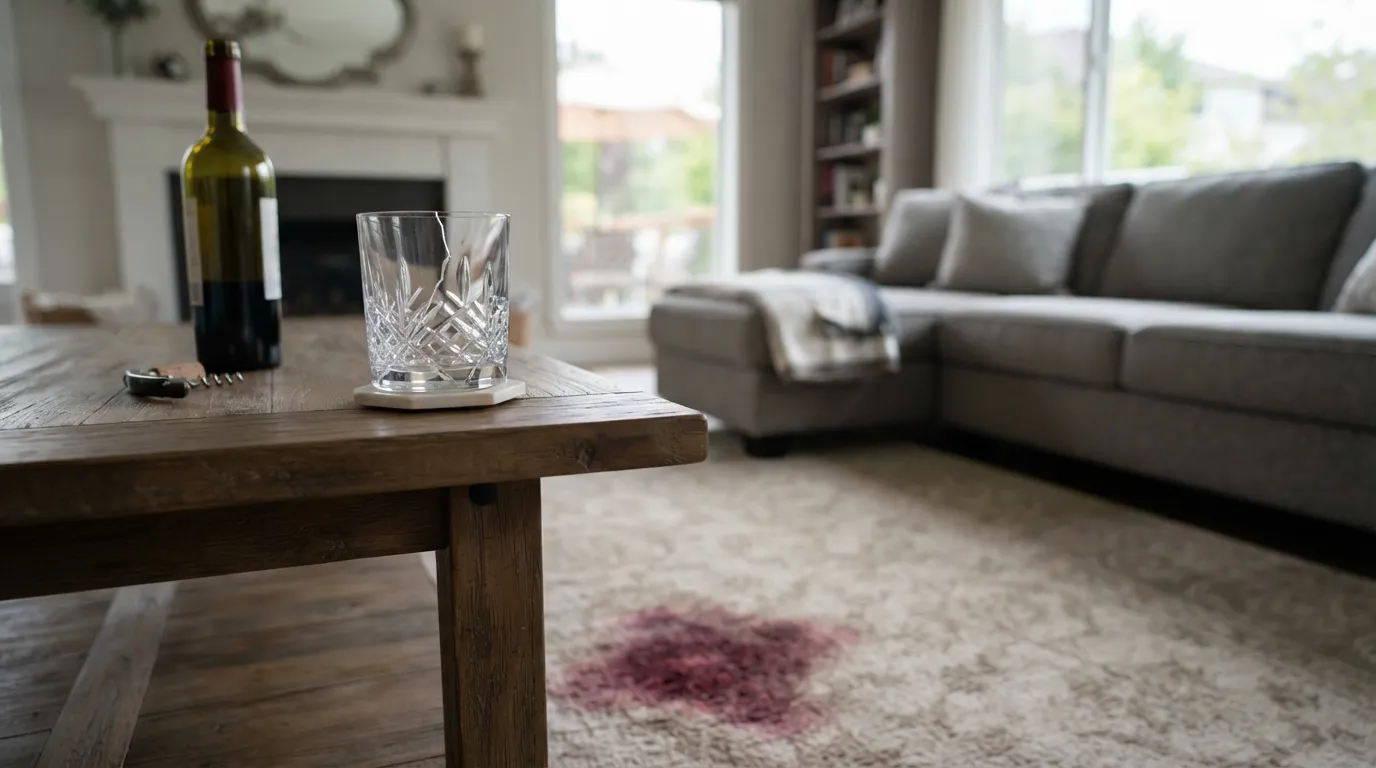
A cracked glass, a stained rug, or a loose cabinet hinge gets hidden in the hope nobody notices. The next guest finds it, the host can’t tell who caused it, and a small fix becomes a messy dispute.
Most platforms expect damage to be reported. Send the host a quick photo and message right away. Honesty often keeps a small accident from becoming a big conflict.
#6 – Rearranging Furniture and Leaving It That Way
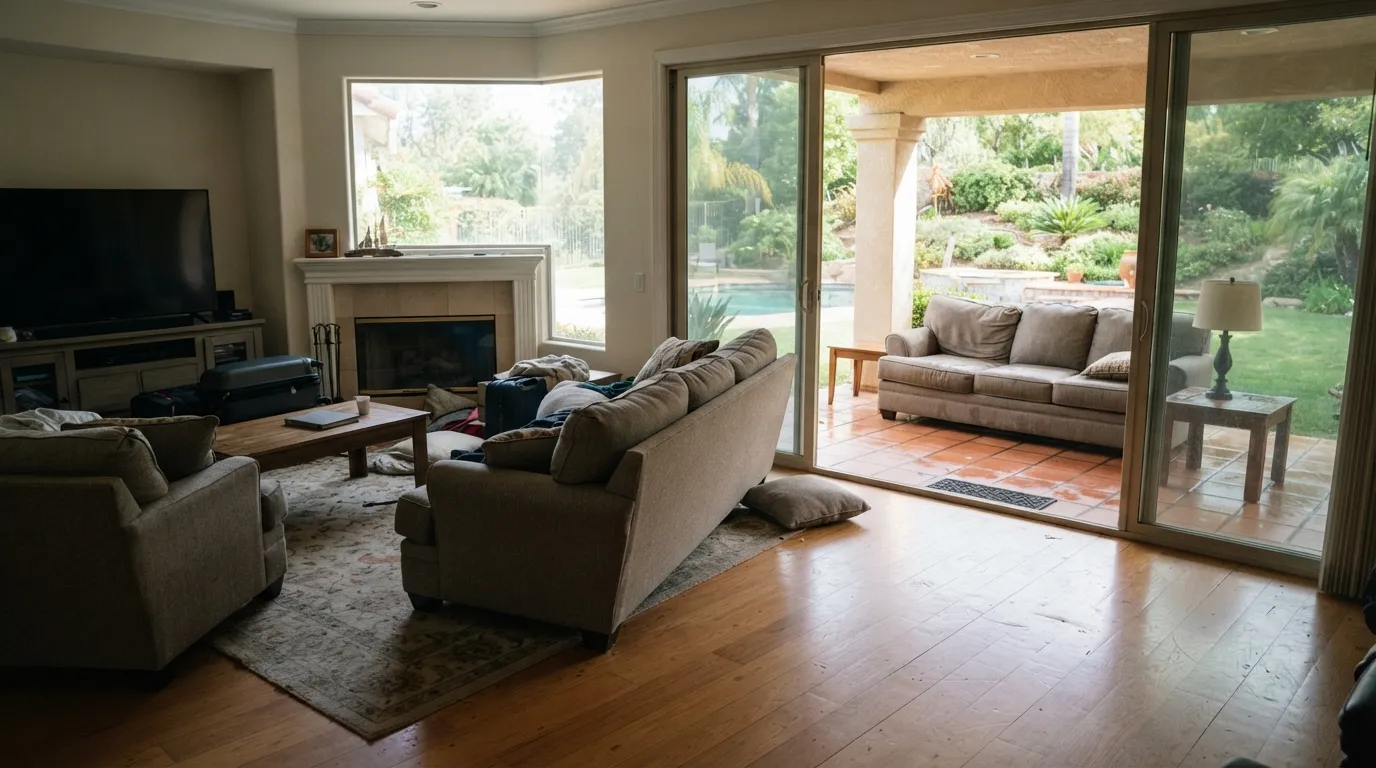
Dragging sofas to the patio, pushing beds together, and shoving tables around to fit a group can scratch floors and snap legs. Furniture left outside can also get soaked when the weather turns.
Hosts walk in to a layout they didn’t leave. If you truly must move something, snap a photo of where it started and put it back before checkout.
#5 – Ignoring the Hot Tub, Pool, and Grill Rules
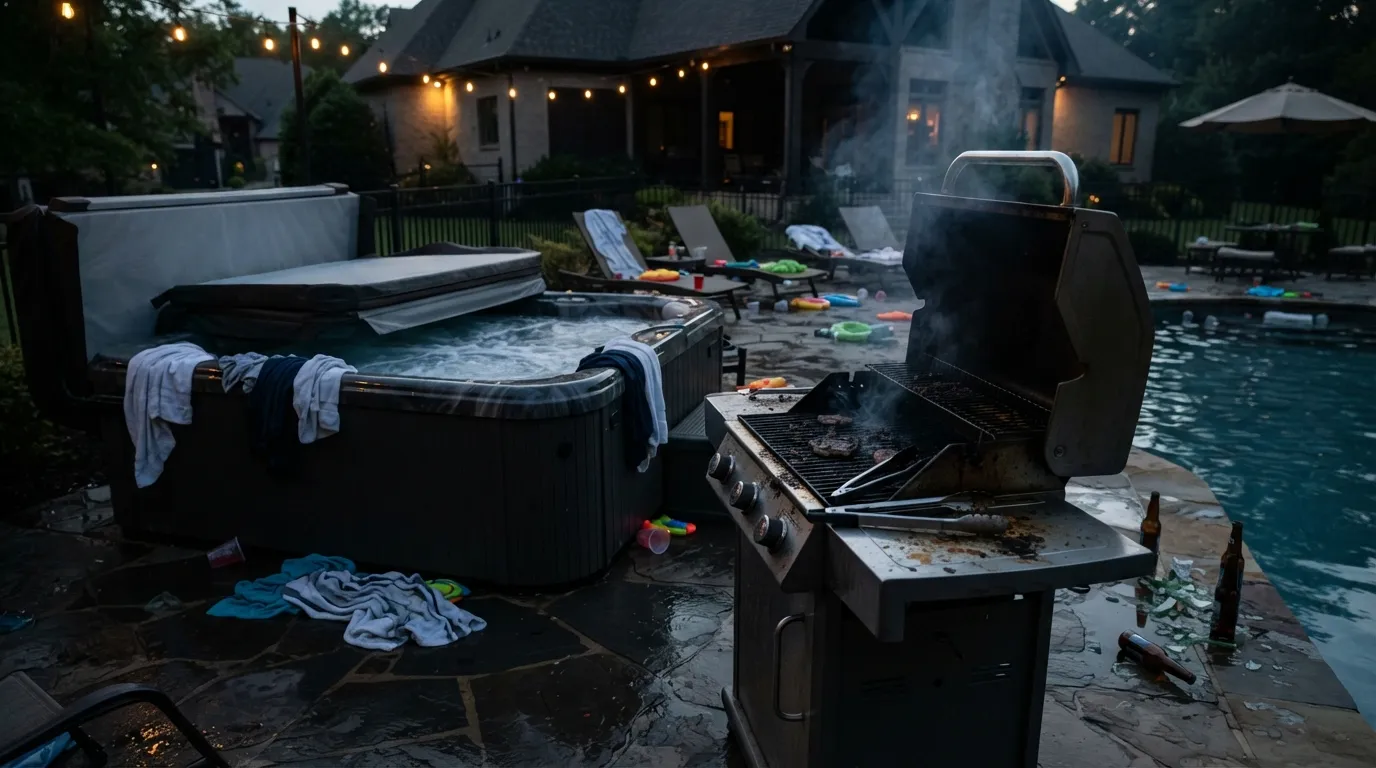
Hot tubs, pools, fire pits, and grills come with posted rules about hours, covers, glass, and cleanup. Ignoring them risks injuries, damaged equipment, and late-night noise.
Glass bottles near a pool and a grill left greasy or unattended are the kind of things hosts hate finding. Read the posted rules, follow the cover and cleanup steps, and supervise kids. If something seems off, tell the host instead of guessing.
At a Glance
- Before you start: Read the posted hours, cover, and safety notes.
- While using it: Keep glass away from the water and never leave a lit grill or fire unattended.
- With kids: Supervise closely, every time.
- When you finish: Replace covers, clean the grill, and report anything that seems off.
#4 – Flushing Things That Don’t Belong
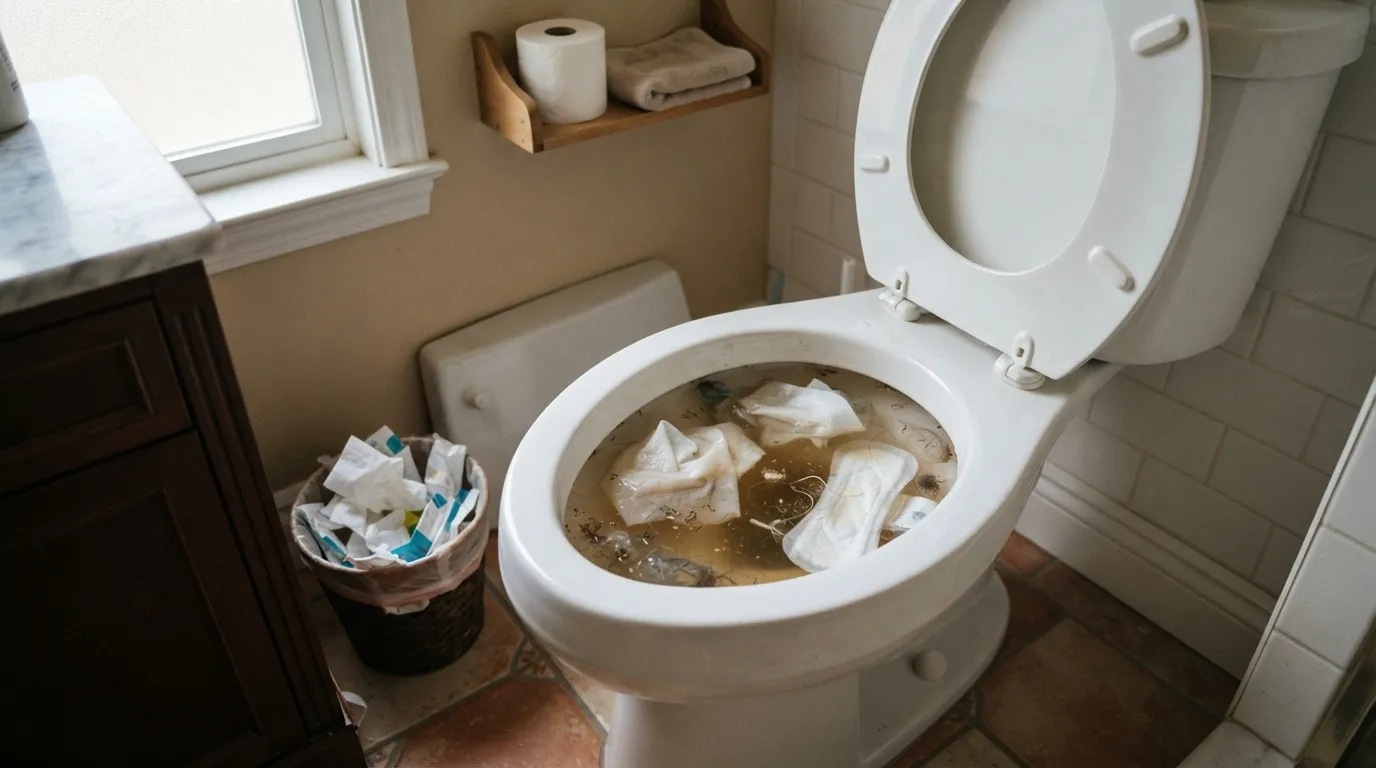
Toilets and drains aren’t garbage disposals. Wipes, feminine products, grease, and coffee grounds can clog pipes, and homes on septic systems can have it even worse.
A weekend plumber call can disrupt the next guest’s stay too. Follow any notes posted near the toilet, use the trash can, and tell the host quickly if something starts backing up.
#3 – Running the AC with Every Window Open
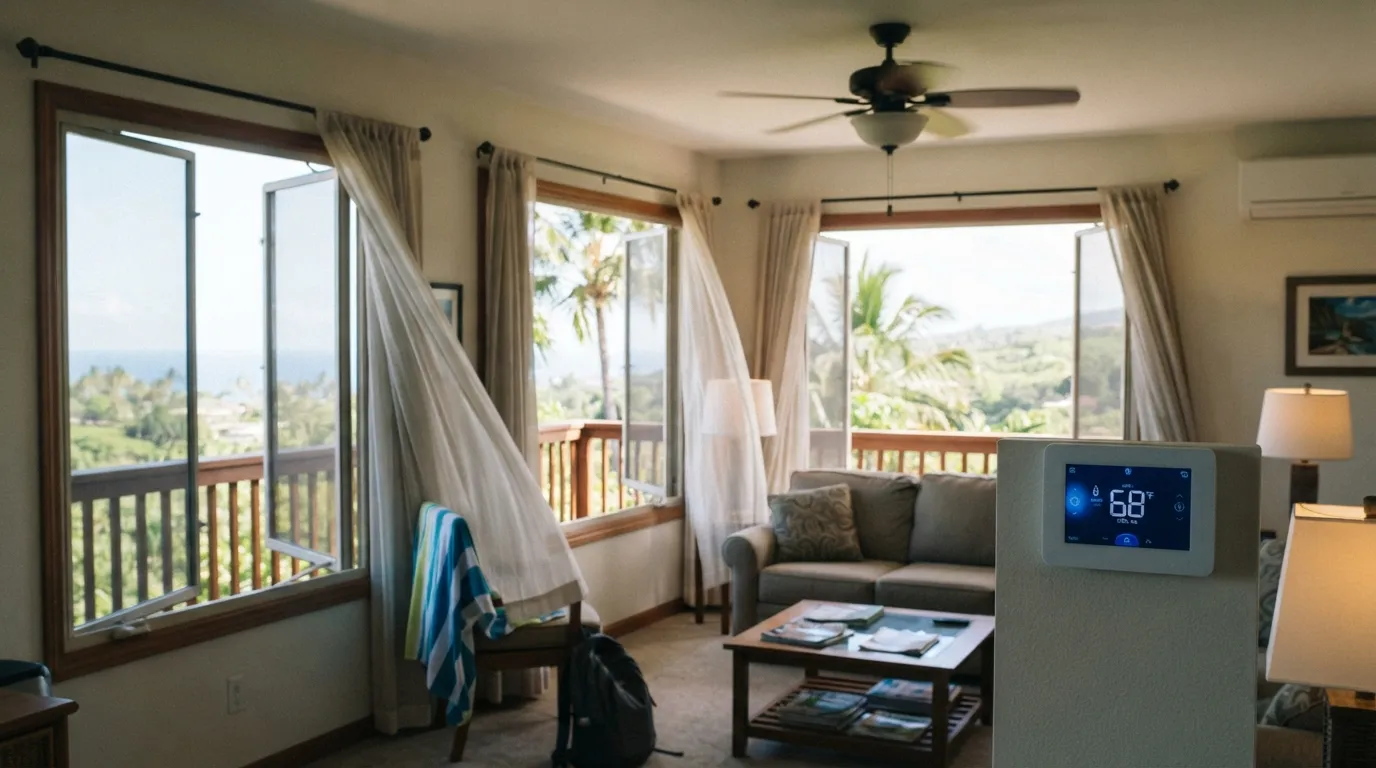
Heat cranked with doors ajar, air conditioning blasting through open windows, and lights and fans left on all day all end up on the host’s utility bill. They can strain the equipment, too.
Many listings include thermostat guidance and ask guests to lock up when they leave. Close the windows, set the thermostat as advised, and turn things off on your way out.
#2 – Disabling the Smoke Detector Because It Chirps
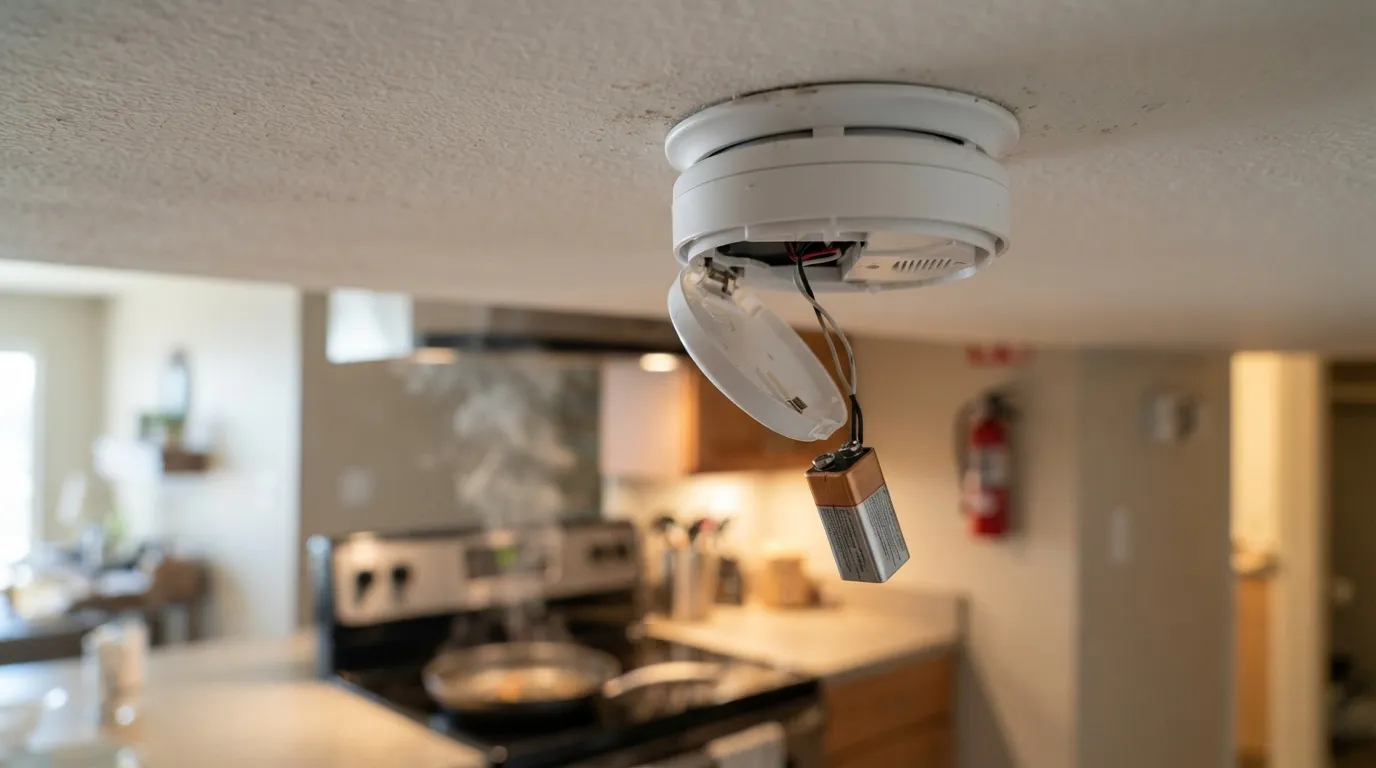
Pulling the battery from a chirping alarm, unplugging a CO detector, or covering one while cooking might feel like a quick fix. It can put you and everyone next door at risk.
Safety devices are there for a reason, and hosts take tampering seriously. If an alarm chirps or keeps going off, message the host about a fresh battery. Open a window, but never disable the device.
Fast Facts
- A chirp usually means the alarm needs attention, such as a low battery.
- Cooking smoke is better handled with ventilation than with a covered alarm.
- A disabled detector protects no one while you sleep.
- A quick message to the host is the fastest fix.
#1 – Handing the Door Code to Outsiders
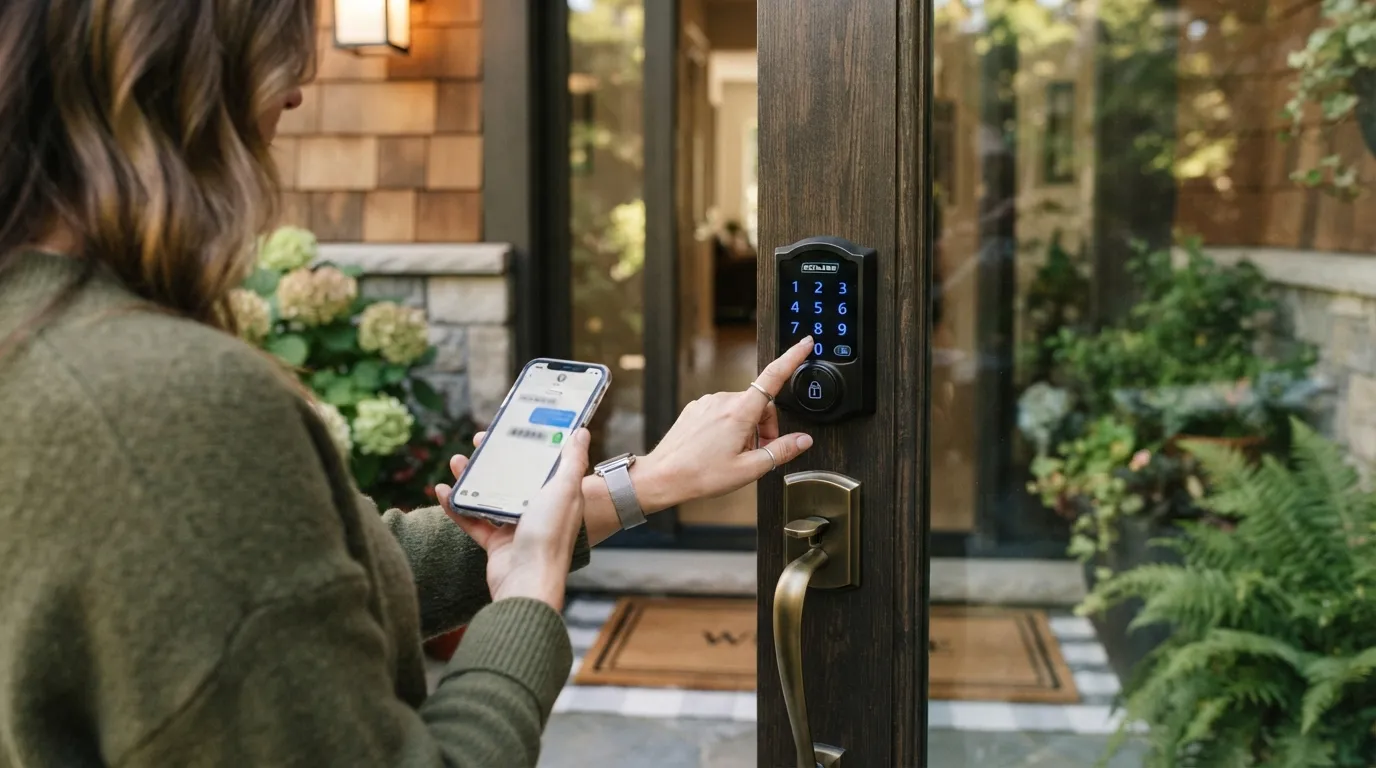
Passing along the door code or lockbox combination to friends who ‘just want to see the place’ puts unregistered strangers inside someone’s property. The host’s permit, the neighbors’ comfort, and your own booking can all be at risk.
It’s the quiet cousin of ignoring occupancy limits. Keep access with registered guests, and ask the host first if someone needs to visit. The best reputation a guest can leave behind is one the host never has to think about.
CEO-Co-Founder