

- The Secret Influence of Folk Music on American Society - October 26, 2026
- 15 Souvenir Shopping Traps That Cost Travelers Money Abroad - October 26, 2026
- 16 Travel Adapter Mistakes That Leave Travelers Without Power - October 26, 2026
Most people picture a weekend city break as two glorious days of sightseeing and great food. The real twist arrives on Sunday morning, when trains thin out, doors stay shut, and the plan you were so proud of starts to wobble.
None of it is a secret, exactly. It’s just buried in timetables and opening-hours pages most visitors never open, and the first surprise catches even locals off guard.
#16 – Sunday Transit Delays Catch Even Locals Off Guard
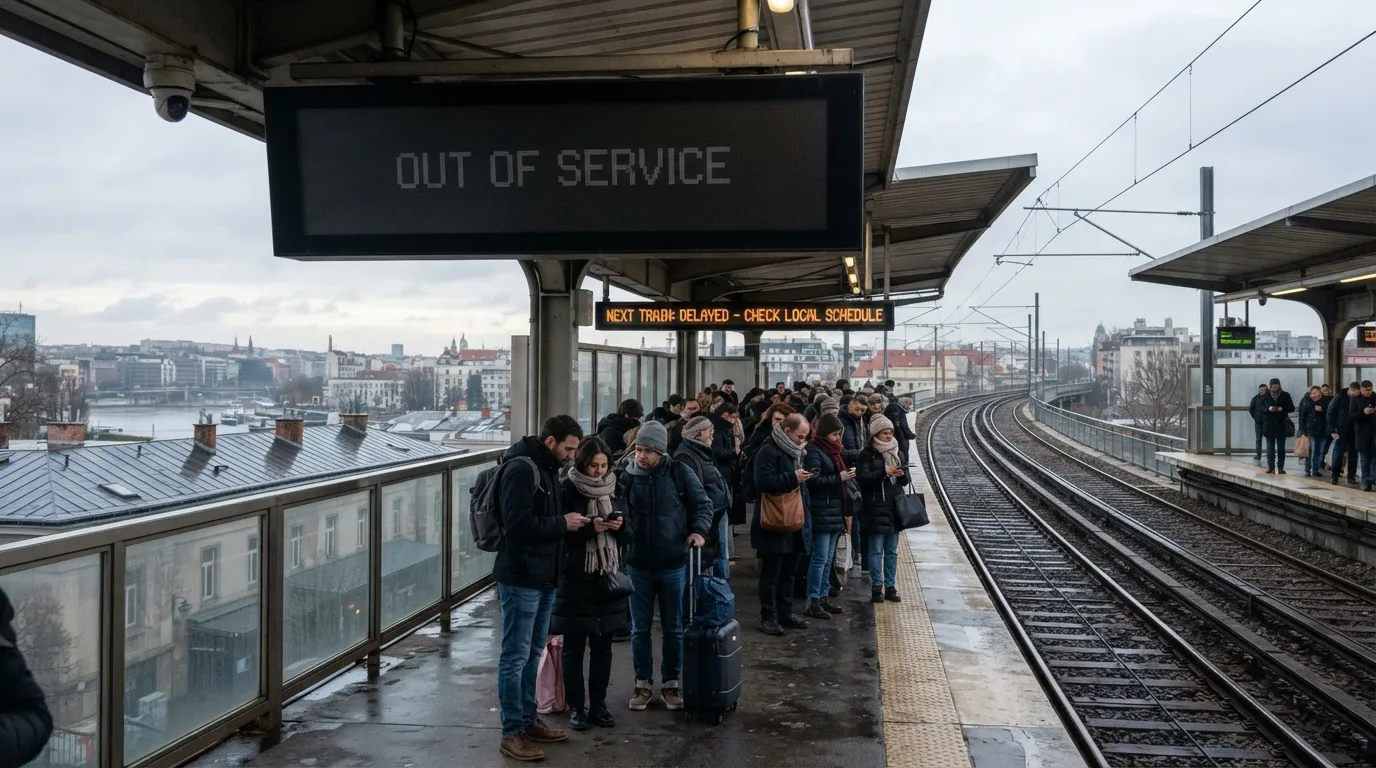
Sunday often brings lighter timetables, rerouted lines, and longer waits, even in cities where Saturday ran like clockwork. A quick hop across town can quietly turn into a long stretch on a chilly platform.
Transit operators usually publish weekend schedules on their own pages, and some run a holiday-style pattern on Sundays. Check yours before booking anything with a start time, and pad every connection.
But even a perfect bus ride can’t save you from the next one…
#15 – Museum Closures Hit Without Warning on the Final Day
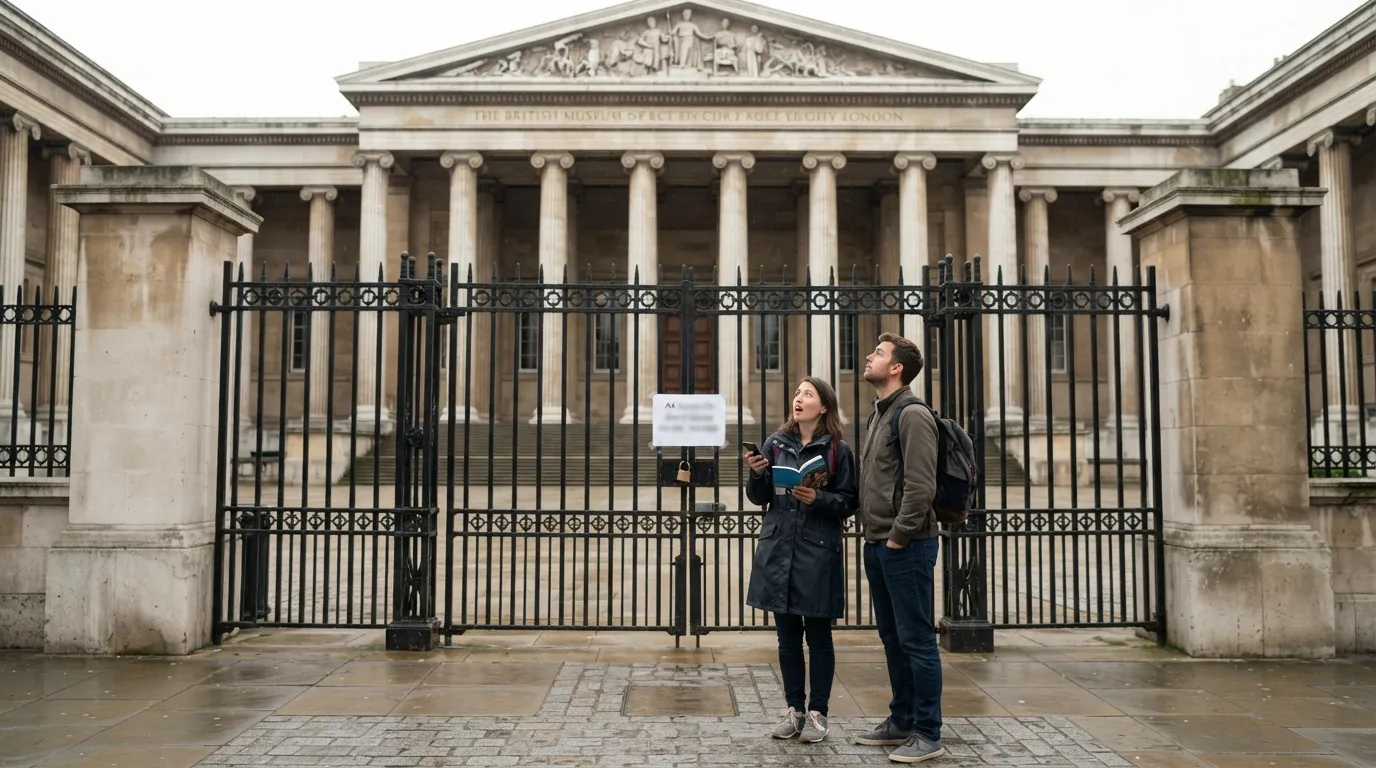
Museums feel like the safest bet on any trip, which is exactly why Sunday catches people off guard. Official sites often list shorter Sunday hours, and some venues close for maintenance or private events with notice posted only on their own channels.
Special exhibitions can also run on different hours or tickets than the permanent collection, which can strand anyone holding a combo ticket. Check the museum’s own calendar the night before, then again that morning.
And if museums are unpredictable, wait until you see what happens to the markets…
#14 – Sunday Markets Keep Their Own Clocks
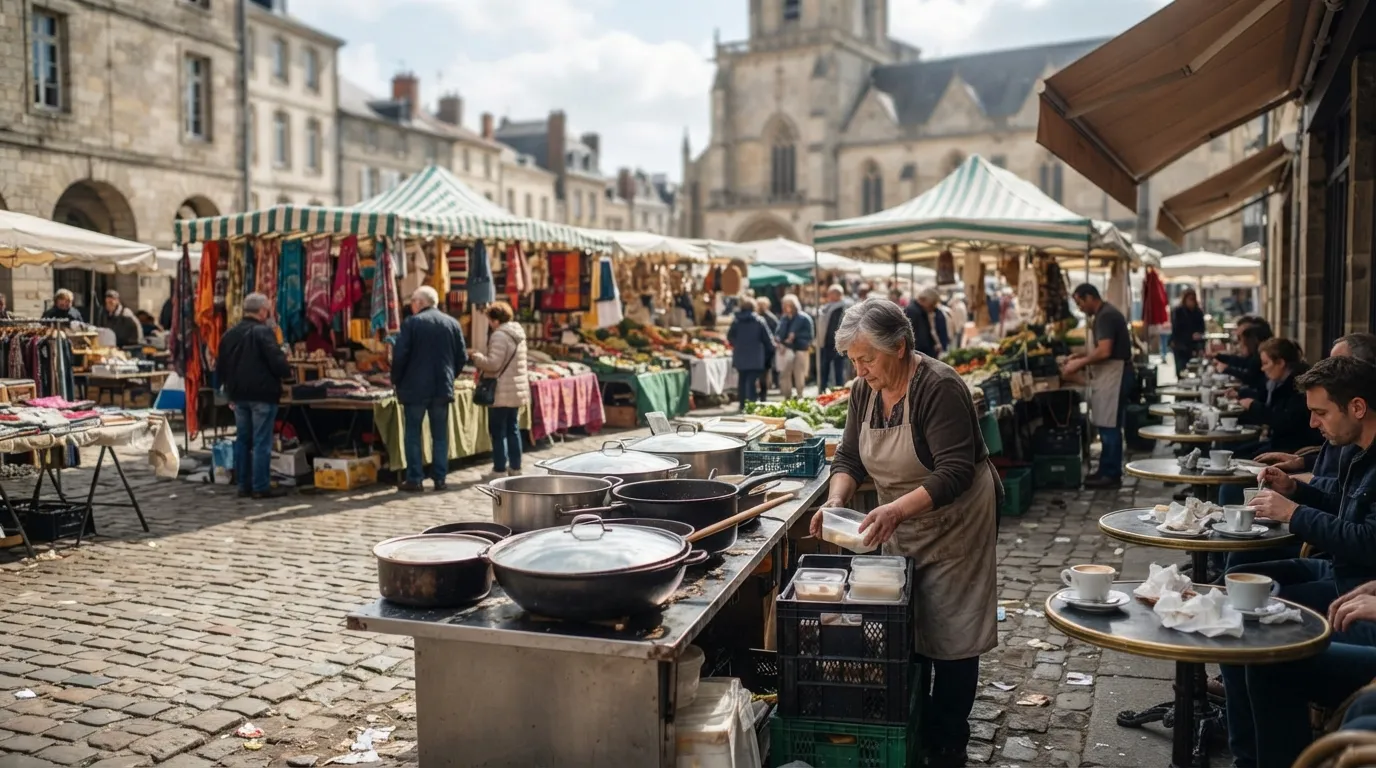
Markets are the postcard moment of a city break, but each one runs on its own schedule. Some trade only on Saturdays, some only on Sundays, and some start winding down while you’re still finishing your coffee.
Look up the market’s official page for stall hours and arrive early for the best selection. If you’re going for a specific food stall, confirm it trades that day, since vendors often rotate.
Worth Knowing
- Market days and stall hours are set by each market, not by the city.
- Individual vendors may keep shorter hours than the market itself.
- Seasonal or weather changes can alter a market’s schedule.
- Bring a little cash in case some stalls don’t take cards.
Your lunch plan has an even bigger problem, though…
#13 – The Restaurant You Saved for Sunday Dinner May Be Closed
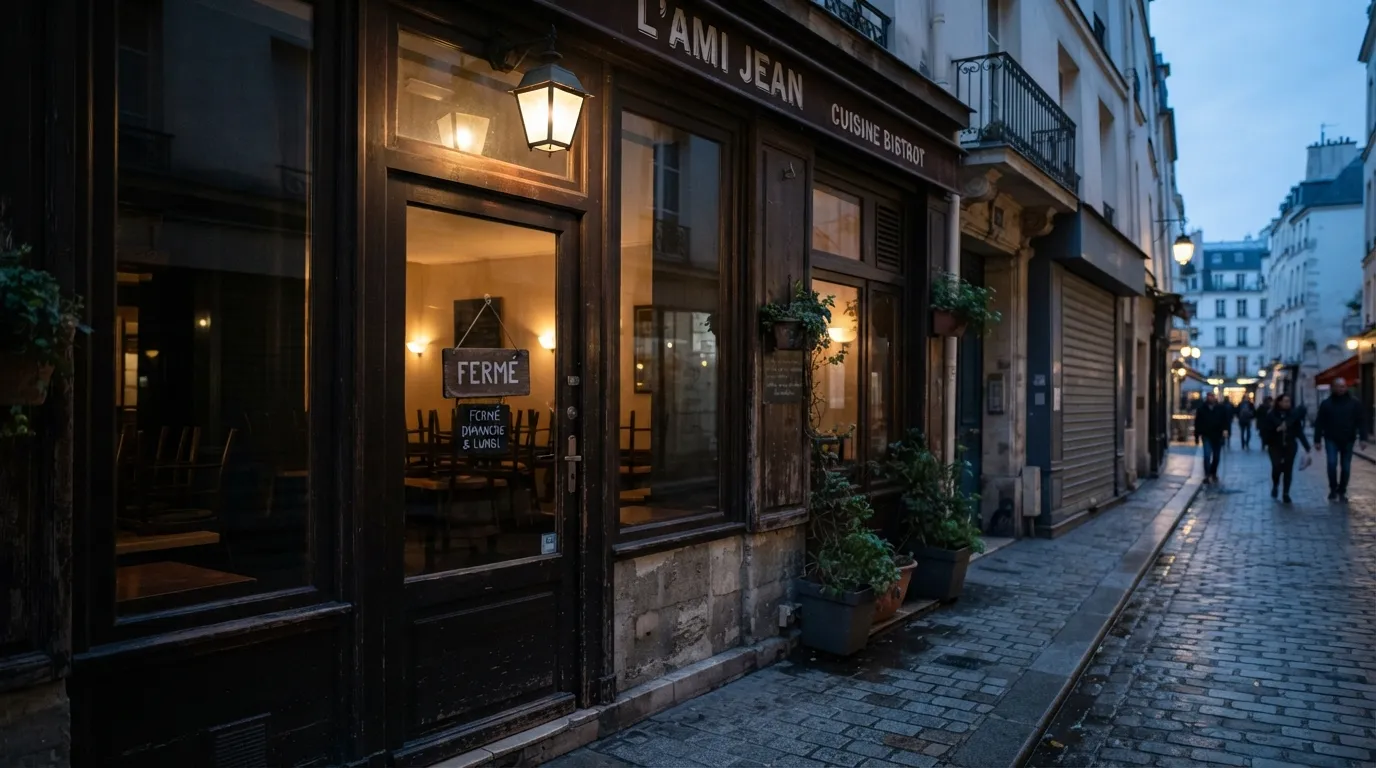
Plenty of restaurants close one or two days a week, and Sunday or Monday is a common choice. Others keep the doors open but stop serving earlier than you’d expect.
Read the restaurant’s own opening hours rather than relying on a map listing alone, and message them if anything looks unclear. Keep a backup spot near your hotel so a locked door doesn’t derail the evening.
Speaking of hotels, Sunday morning has a cliff built right into it…
#12 – Checkout Leaves You Wandering With a Suitcase

Checkout is the Sunday-morning cliff nobody mentions. Suddenly you’re on the sidewalk with luggage and hours to fill before your train.
Many hotels will hold bags after checkout, and some stations and attractions offer storage with their own hours. Ask the front desk on Saturday night so Sunday doesn’t become a luggage-dragging scramble.
Of course, you might try to fill those hours with shopping, and that has its own trap…
#11 – In Some Places, Sunday Means Shuttered Shops

In some countries, Germany among them, most shops close on Sundays. A forgotten charger, a gift, or a grocery run can suddenly become a real problem.
Do your errands on Saturday, and treat Sunday as a day for sights and meals. Shops in stations or airports may follow different hours, but confirm before you count on them.
Even the streets themselves can turn against you, as the next one shows…
#10 – Your Route Can Disappear Under a Parade or a Race
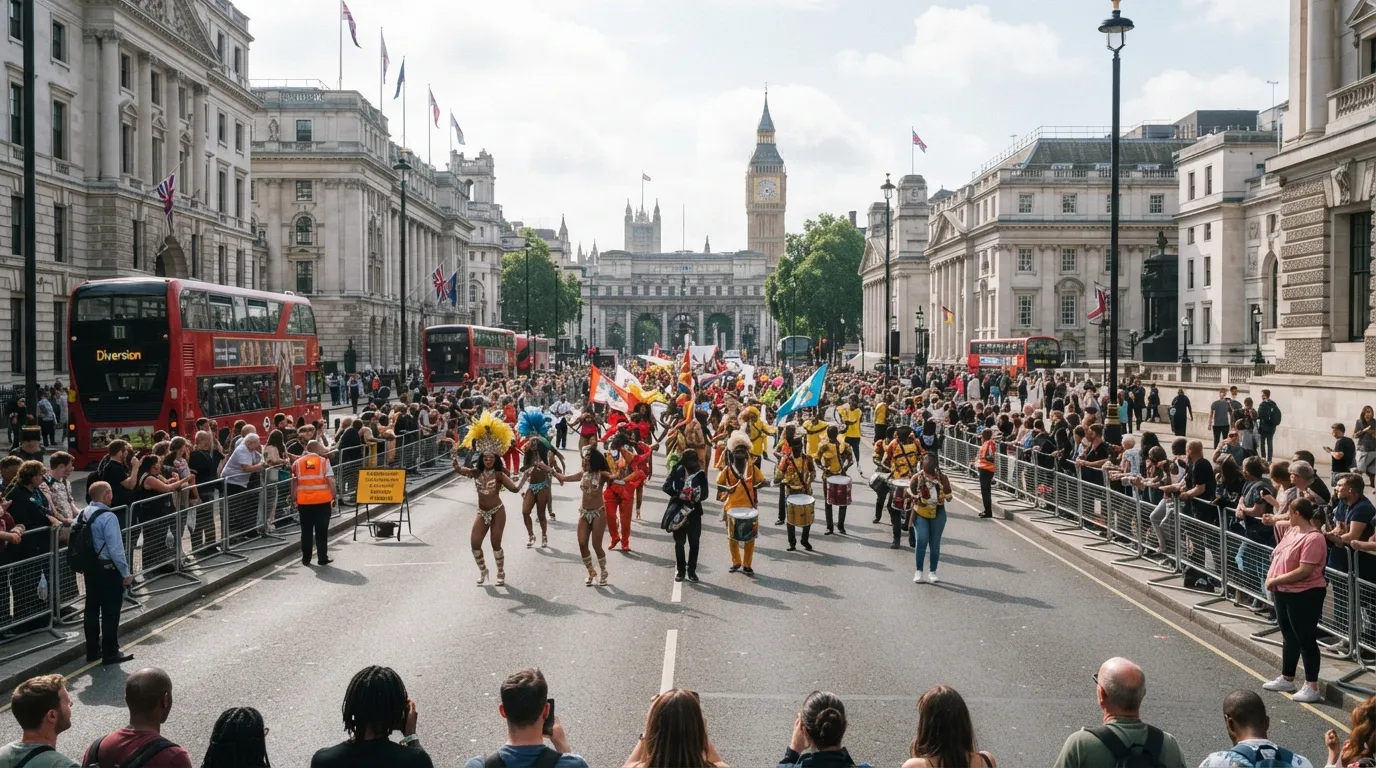
Weekends are when cities close streets for races, parades, markets, and festivals. The route that worked on Friday can be blocked on Sunday morning, with buses diverted around it.
Check the city’s official events page and your transit operator’s service alerts before you set out. Sometimes the closure is a bonus, so plan around it and you might catch something memorable.
At a Glance
- Check first: the city’s official events calendar.
- Then confirm: your transit operator’s service alerts.
- Expect: diverted buses and blocked crossings near event routes.
- Backup: a walking route that avoids the main streets.
One of the most beautiful places on your list has a rule most visitors miss…
#9 – Cathedrals Are Churches First, Sightseeing Second

A cathedral may be the highlight of your trip, but on Sunday it’s first a place of worship. Some limit or pause tourist visits during services, and visitor hours can differ from the usual schedule.
Check the site’s official visitor information and plan around the times it lists. If you do attend a service, go quietly and respectfully.
Now for the problem nobody plans for until it’s already happening…
#8 – A Sunday Headache Can Become a Scavenger Hunt
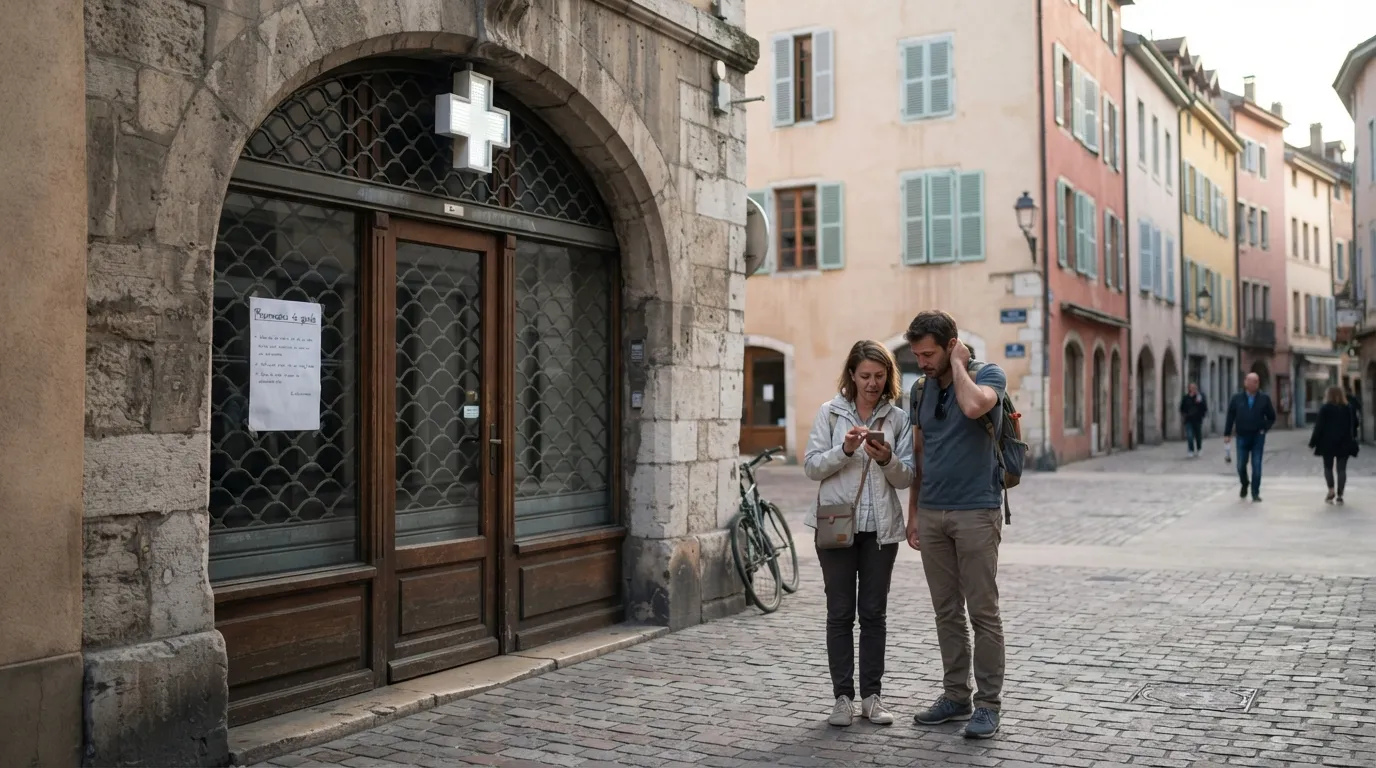
A blister, a headache, or a lost prescription feels much bigger when the nearest pharmacy is closed. Many pharmacies shorten their hours on Sundays, and banks are often shut too.
In many places, local authorities or pharmacy associations publish which pharmacy is on duty. Pack the basics and carry a backup way to pay, so one closed counter doesn’t stall your day.
But the biggest Sunday surprise may be waiting at the train station…
#7 – Weekends Are Prime Time for Track Work
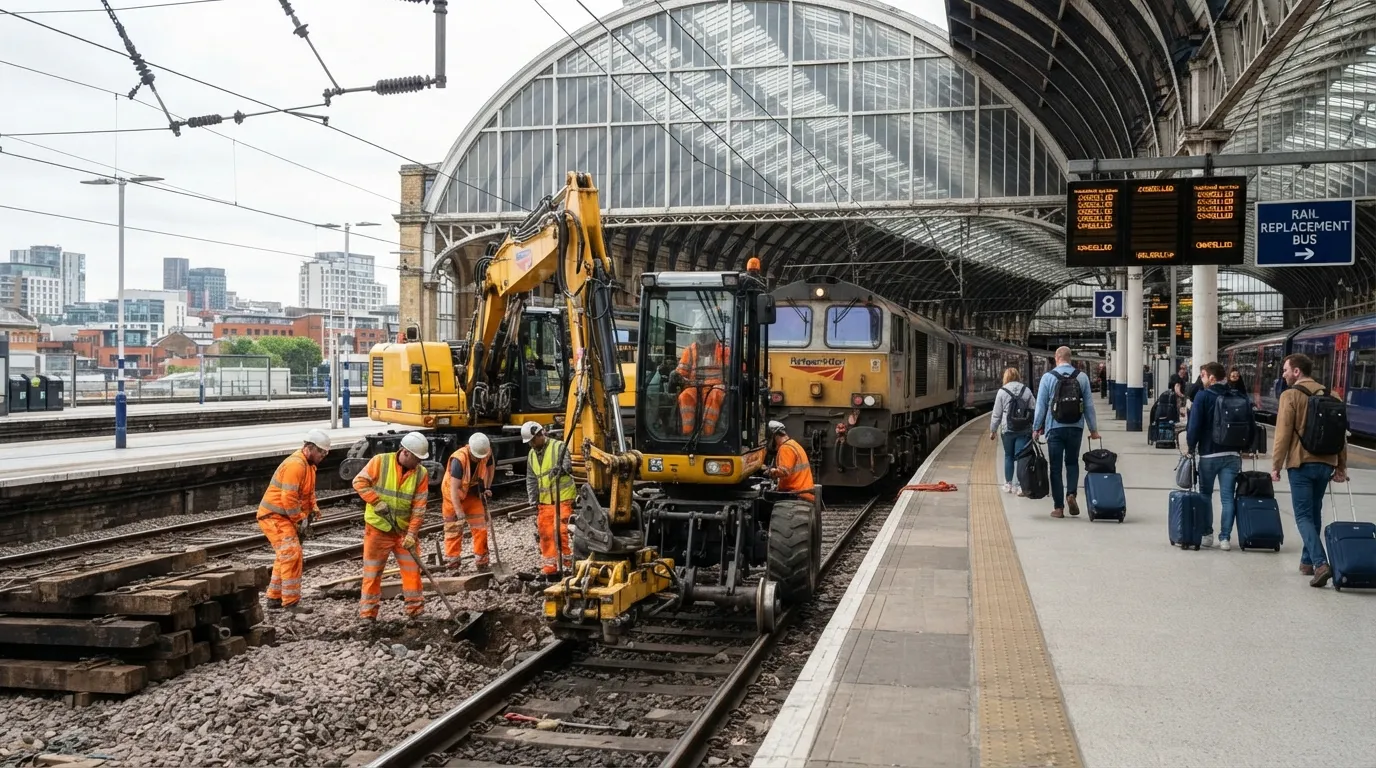
Rail operators often schedule maintenance for weekends, when fewer commuters are traveling. That can mean replacement buses, detours, or trains that don’t run their full route.
Check your operator’s planned-works page before you book, especially for airport transfers and day trips. Allow extra time, because a bus swap can quietly eat an hour.
Then there’s the booking trap that catches the most organized travelers…
#6 – Timed Tickets and Tours Sell Out Before You Do
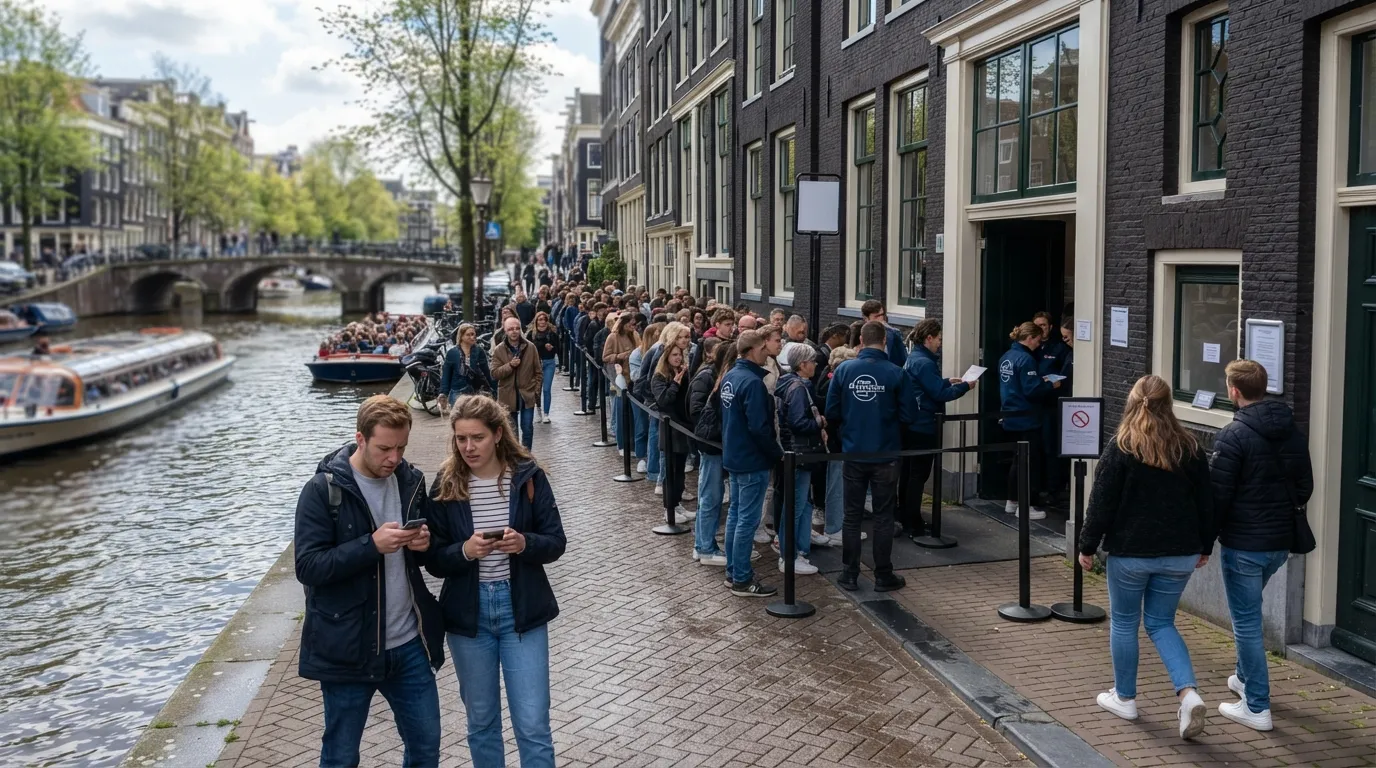
Timed tickets and guided tours are where weekends get competitive. Popular slots can sell out, and small operators may run fewer departures on certain days.
Book your one must-do first, then build meals and travel around it. Read the meeting point and cancellation details on the provider’s own page.
You might be tempted to skip the ticket entirely, but the free option has fine print…
#5 – ‘Free Entry’ Can Come With a Long Line

Some museums offer free or discounted entry on set days or times, usually with their own rules. Those perks can mean long queues or required advance booking.
Check the museum’s official page for exactly what applies and when. Then decide whether the savings are worth your limited weekend hours.
The same goes for transit passes, where the wrong choice is easy to make…
#4 – The Weekend Pass That Isn’t Quite a Bargain
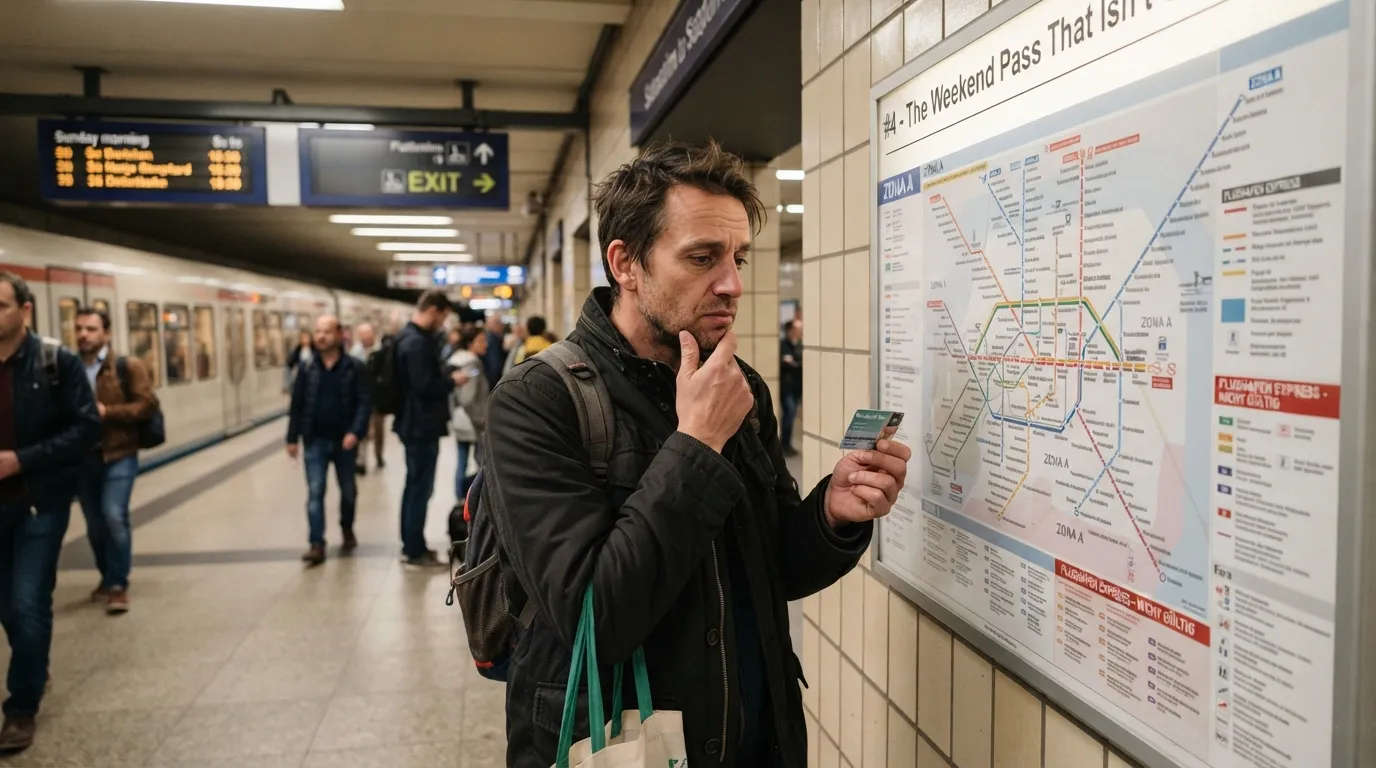
A day or weekend pass can be a smart buy or an expensive habit. Validity rules differ: some run for a set number of hours from first use, others end at midnight, and some leave out certain lines or airport routes.
Read the provider’s fare page and compare it with single tickets for your actual itinerary. The best option depends on your plan, not the label.
Quick Compare
- Single tickets: best when you’ll ride only a few times.
- Day or weekend pass: best for hopping around, if it covers your lines.
- Check either way: airport routes and when the pass expires.
And then comes the moment everyone is dreading…
#3 – Everyone Goes Home at the Same Time
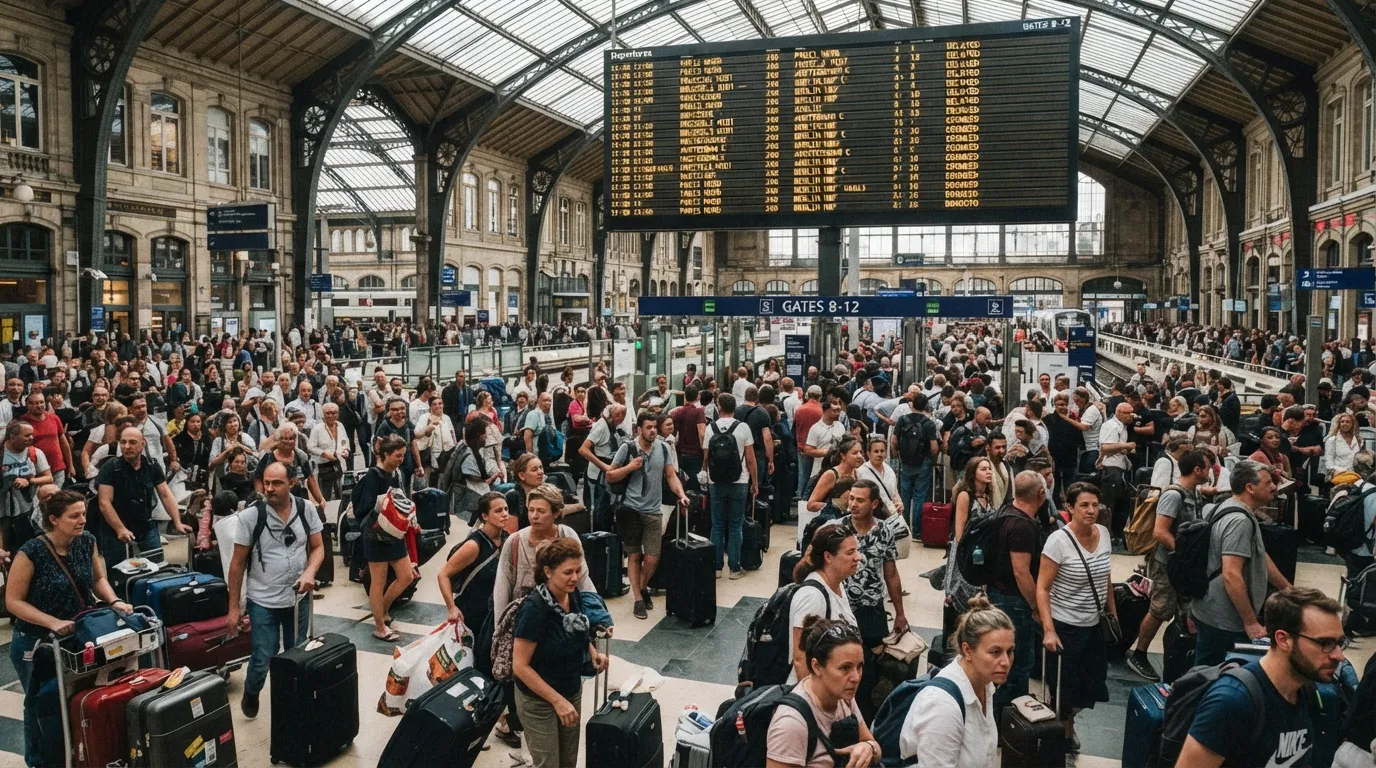
Sunday afternoon and evening is when a city’s visitors all head for the exit. Stations and airports can be packed, and some rail tickets don’t guarantee a seat.
Check your operator’s reservation rules and arrive early. If your schedule allows, an earlier departure can buy you a calmer journey and a more relaxed last morning.
But what if you never make it there because of a booking you thought was safe?
#2 – A ‘Confirmed’ Reservation Can Still Slip Away

Some restaurants and tours ask for reconfirmation, hold tables only briefly, or release them if you run late. A confirmation email doesn’t always mean the spot is yours no matter what.
Read the confirmation for the exact policy, and message the venue if you’re delayed. Save phone numbers offline so a weak signal doesn’t cost you your table.
All of this leads to one habit that fixes almost everything…
#1 – The Ten-Minute Sunday Check That Saves the Day

Hours, service alerts, and closures can change overnight, and only the official pages know what’s true today. Before breakfast, check your first stop, your route, and one backup plan.
Why It Stands Out
- It takes about ten minutes and needs no special tools.
- It covers the three things most likely to change: hours, routes, and alerts.
- It gives you a backup before you need one.
- It works in nearly any city, because it relies on that city’s own official pages.
That small ritual turns Sunday from a scramble into the calmest part of the trip. The city stays quiet, the plan holds, and you leave feeling like the visitor who finally read the fine print.
CEO-Co-Founder