
- 15 Hotel Breakfast Charges Guests Can Avoid by Checking the Rate Plan - October 24, 2026
- 17 Shoulder Season Travel Rules for Sudden Weather Changes - October 24, 2026
- 18 Hotel Arrival Rules That Prevent Expensive Check-In Problems - October 24, 2026
Shoulder season sounds like the travel cheat code: lower prices, thinner crowds, and the feeling that you found a secret. Then the weather turns, and the secret gets complicated.
A trail closes, a ferry runs less often, an attraction closes an hour earlier, and the bargain depends on what you checked before you left. These 17 tradeoffs are the ones that catch people off guard, and a few near the end can reshape an entire itinerary.
#17 – Shoulder Season Weather Swings Demand Layered Packing
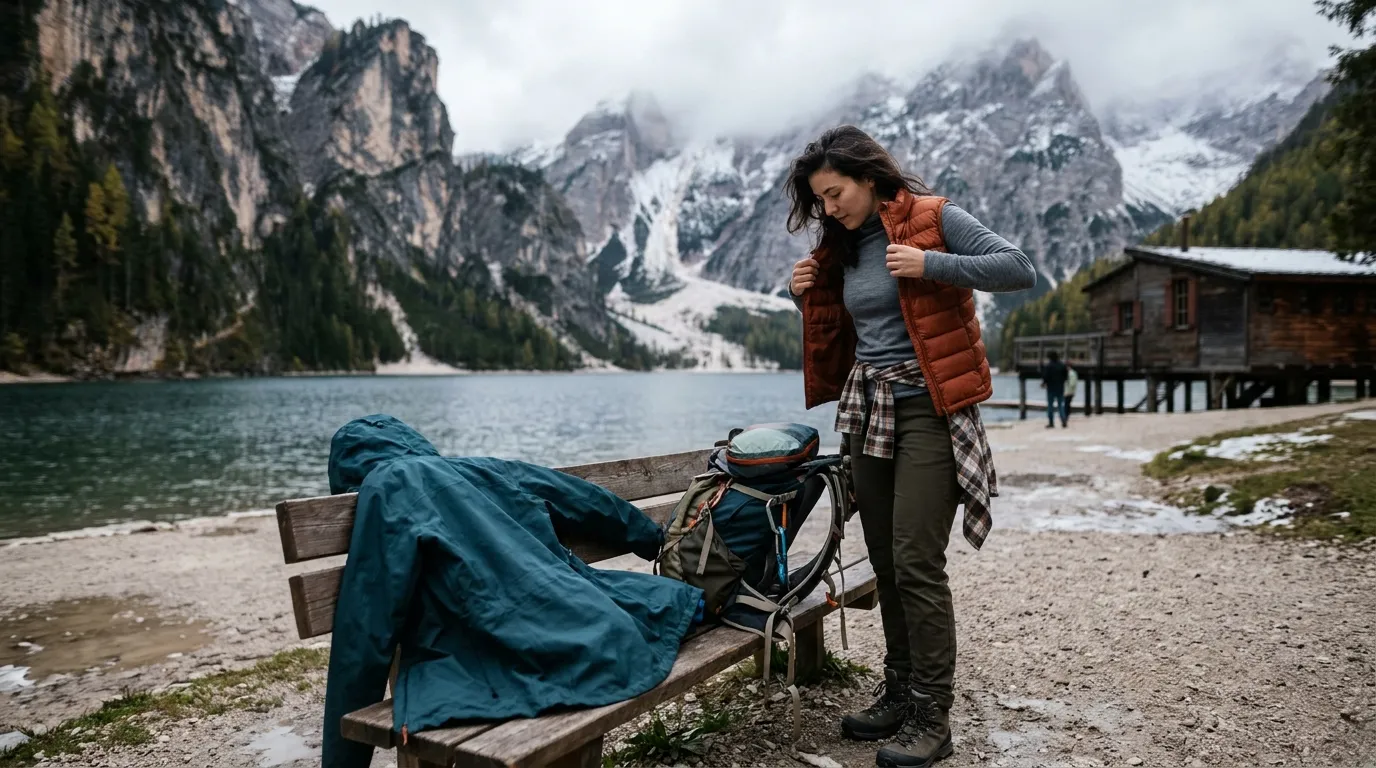
A warm afternoon can turn into a cold evening fast. In many places, climate normals show a wide gap between daytime highs and overnight lows, so one outfit rarely works from breakfast to dinner.
Pack thin layers you can add or shed, plus a rain shell. Many popular hiking paths close temporarily due to mud or ice even when daytime conditions look mild. And the next item can break a trip before you reach the trail.
#16 – Reduced Flight Schedules Create Hidden Connection Risks
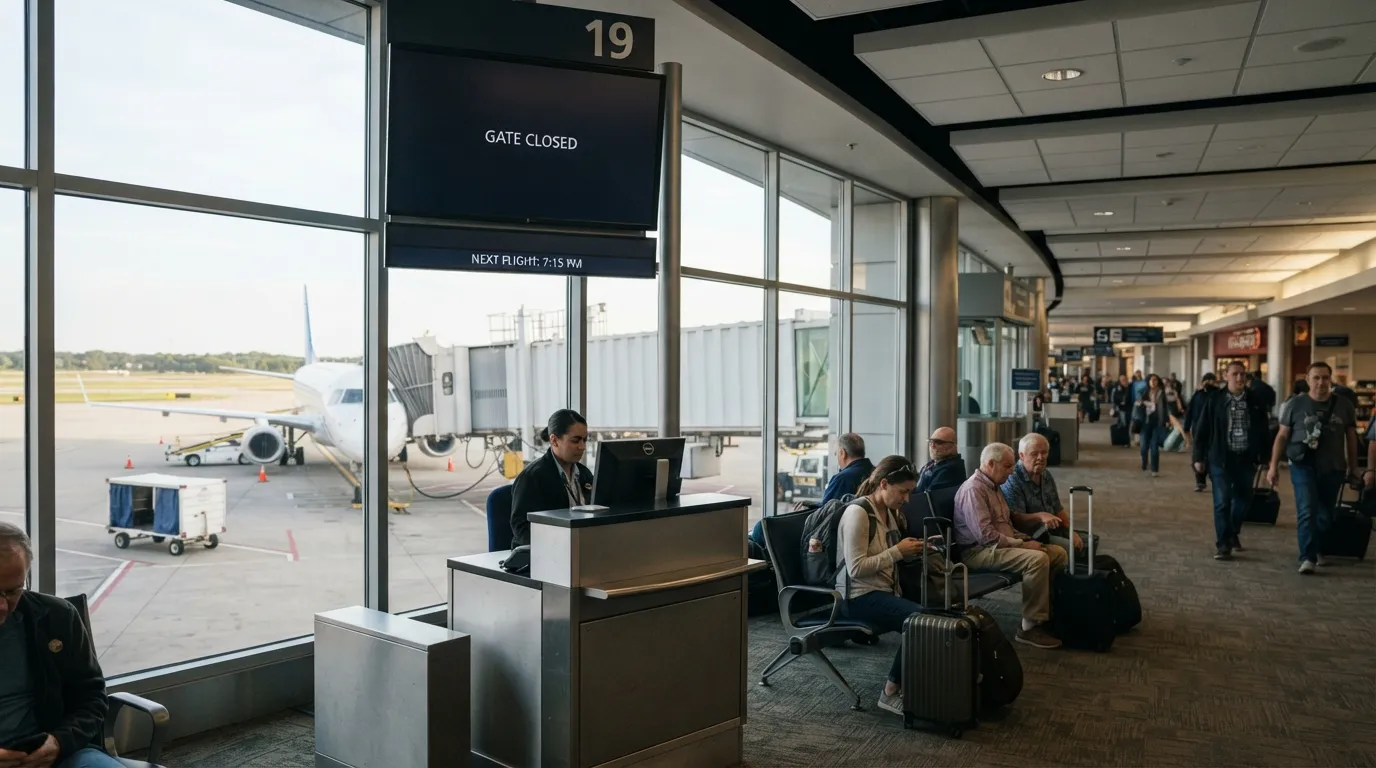
Airlines often trim frequencies on some routes outside peak months. That leaves fewer backup flights when something goes wrong.
Build extra buffer time into connections, especially on smaller routes. Some regional carriers publish seasonal timetables that remove midday departures entirely. Airport ground transport can also run on limited schedules, which complicates late arrivals.
#15 – Ferries and Boat Tours Follow Their Own Seasonal Calendar
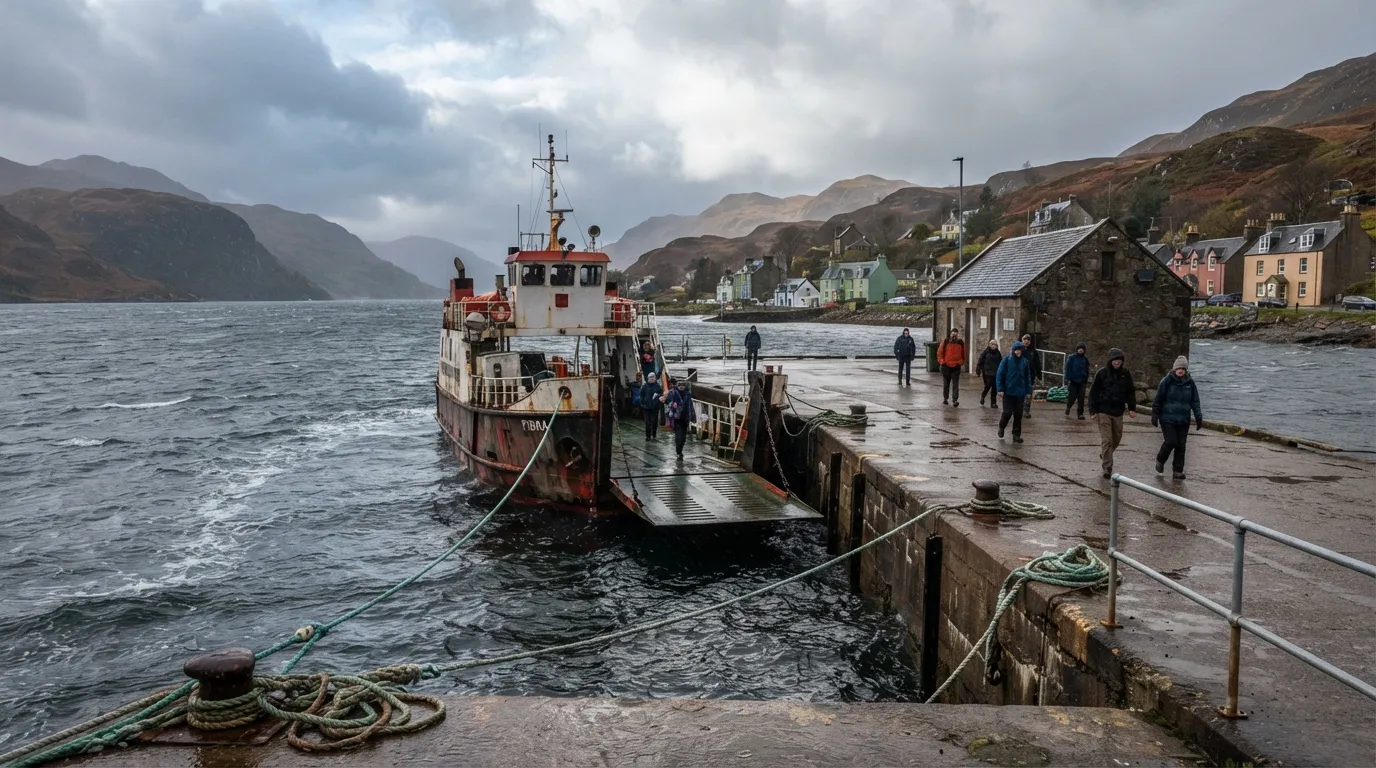
Ferry and boat operators commonly switch timetables between seasons, and wind or rough water can cancel sailings on short notice. The last boat of the day may leave much earlier than you assumed.
Check the operator’s own schedule page close to your travel date, and again the morning of. If an island or coastal stop is the highlight of your trip, leave a spare day so one cancellation does not erase it.
#14 – Attraction Hours Quietly Shrink

Museums, castles, gardens, and viewpoints often adjust opening days and closing times between seasons. Some close one weekday, shut earlier, or stop the last entry well before closing.
Trust the attraction’s official website over a travel blog or an old map listing. Screenshot the hours, and put your must-see stop early in the day. A famous place can be technically open and still impossible to fit in.
#13 – Trail Closures Can Cancel Your Whole Plan
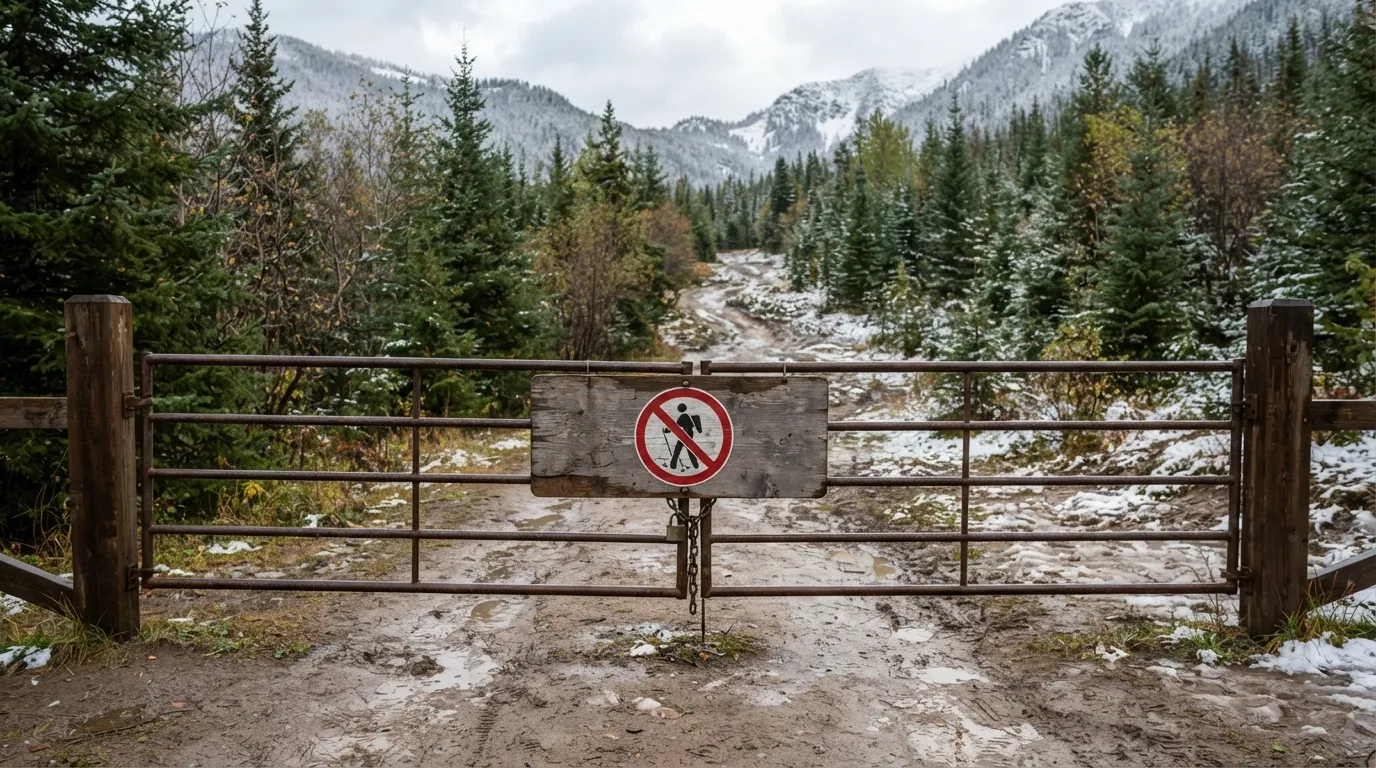
Mud, ice, early snow, and storm damage can close or limit trails even when the town below feels pleasant. Land managers and park agencies usually post current conditions and closure notices.
Check those official pages before you drive to a trailhead. Then pick a lower-elevation backup hike. Showing up to a closed gate with no Plan B is one of the most common shoulder-season letdowns.
Worth Knowing
- Check the land manager’s conditions page, not just a trail app or review site.
- Look again on the morning you go, since closures can change fast.
- Save a lower-elevation or loop option on your phone before you lose signal.
- Closed means closed: gates and signs exist for a reason.
#12 – Daylight Becomes a Scheduling Problem
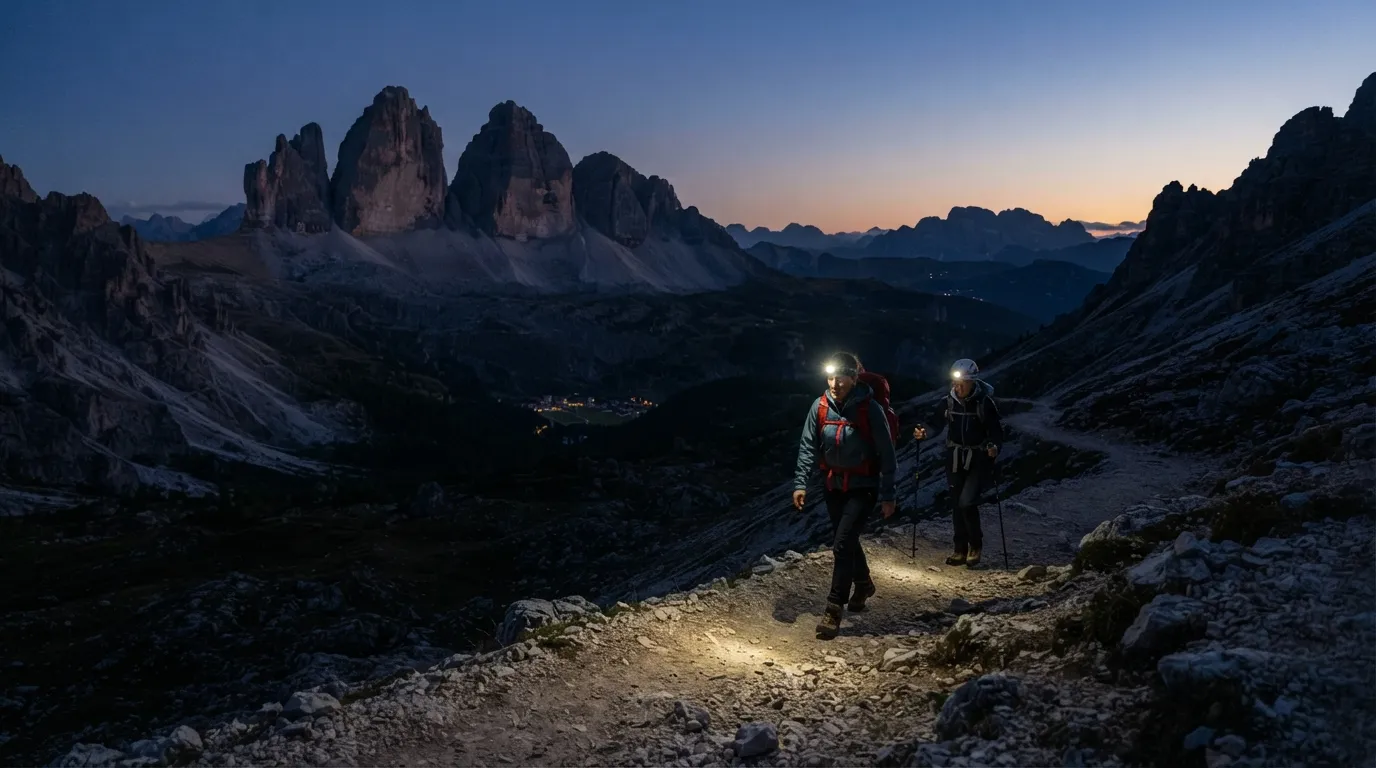
Shoulder months can bring noticeably earlier sunsets or unusual twilight, depending on where you are and which season you are entering. A hike that felt easy on paper can end in the dark.
Look up sunrise and sunset times for your exact dates, then work backward. Save outdoor highlights for the brightest hours and keep museums, markets, and meals for the dim ones. Pack a headlamp if trails are part of the plan.
#11 – Seasonal Restaurants and Lodging May Be Closed

Many small businesses in resort towns, coastal areas, and mountain villages close for a break between peak periods. That can include the restaurant you saved, the inn you wanted, or the shop that sells essentials.
Confirm hours and bookings directly with the business, not just through a listing site. Have a grocery-store backup meal in your bag. The quiet streets are charming until every kitchen is dark.
#10 – The Shoulder Label Does Not Guarantee a Low Price
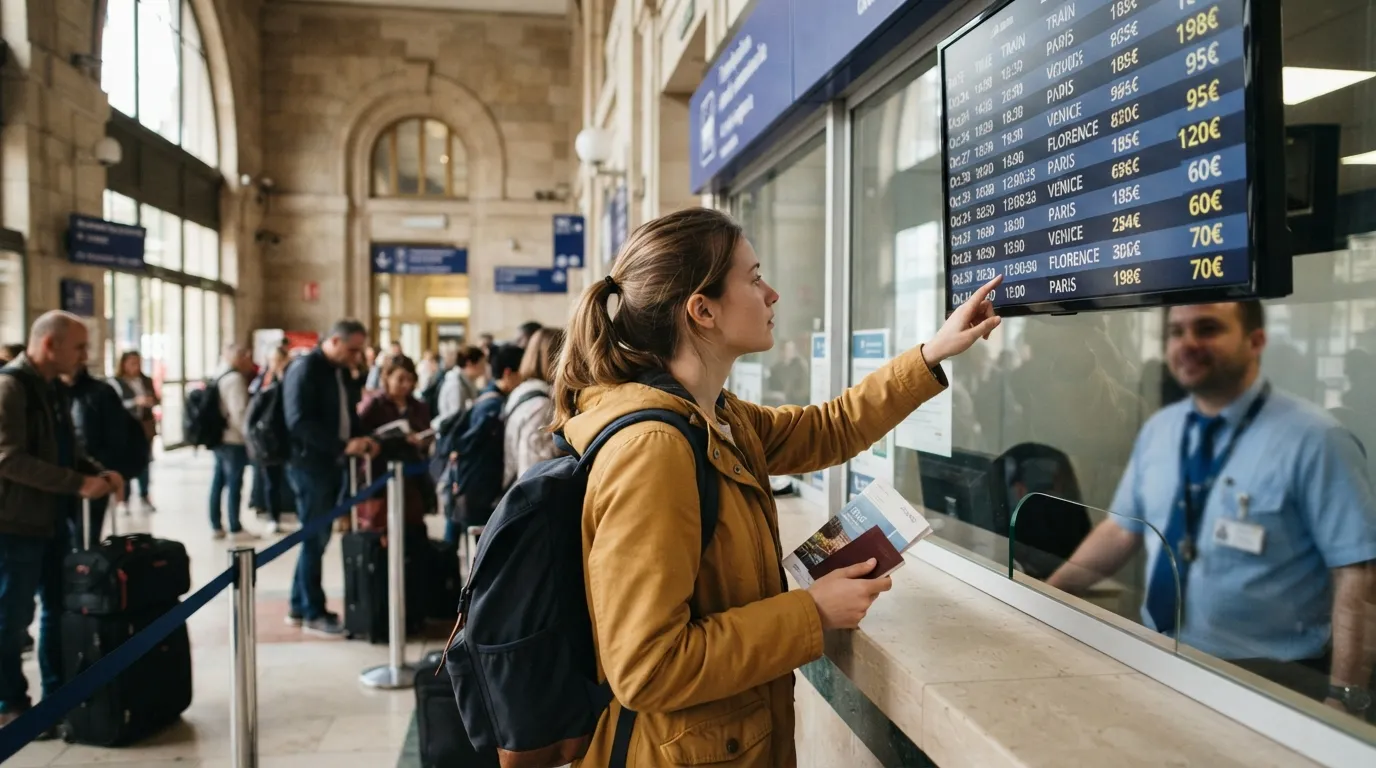
Shoulder season is fuzzy, and pricing does not always follow the calendar neatly. One week at the edge of a peak period may cost far more than the week after it, especially around school breaks or local events.
Compare several nearby date ranges instead of trusting the label. Shifting your trip by a few days can matter more than choosing the right month. Savings are real only when your exact dates earn them.
#9 – Climate Normals Are Averages, Not Promises
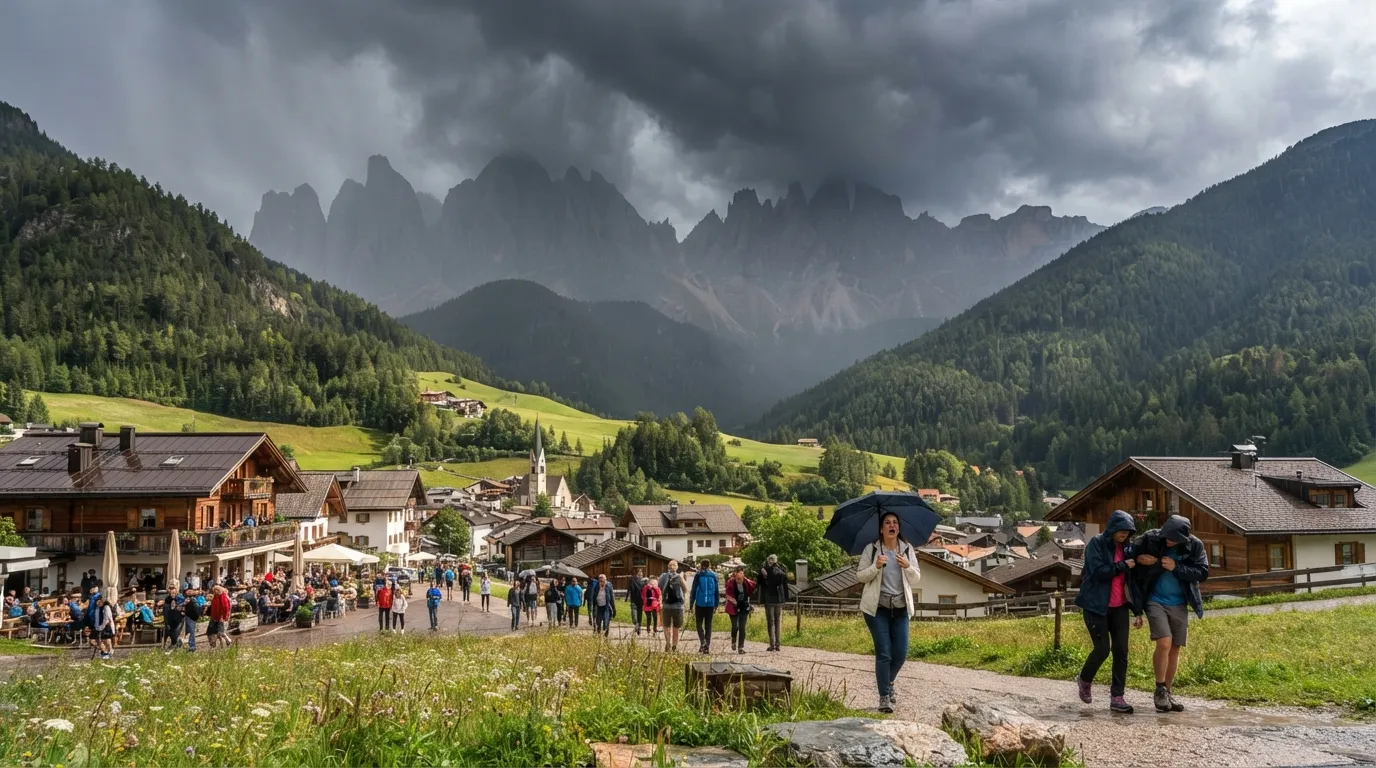
Climate normals summarize typical conditions over many years. They help you choose a destination, but they cannot tell you what next Tuesday will look like.
Use them for broad packing decisions, then rely on forecasts as your trip approaches. Check again before each outdoor day. A sunny average can still hide a week of rain, so save a flexible indoor option for the worst day.
Quick Compare
- Climate normals: best for picking a destination and deciding what to pack.
- Forecasts: best for choosing which day to hike, sail, or drive.
- Official notices: best for knowing what is actually open or closed.
#8 – Tours and Activities Can Be Canceled or Combined
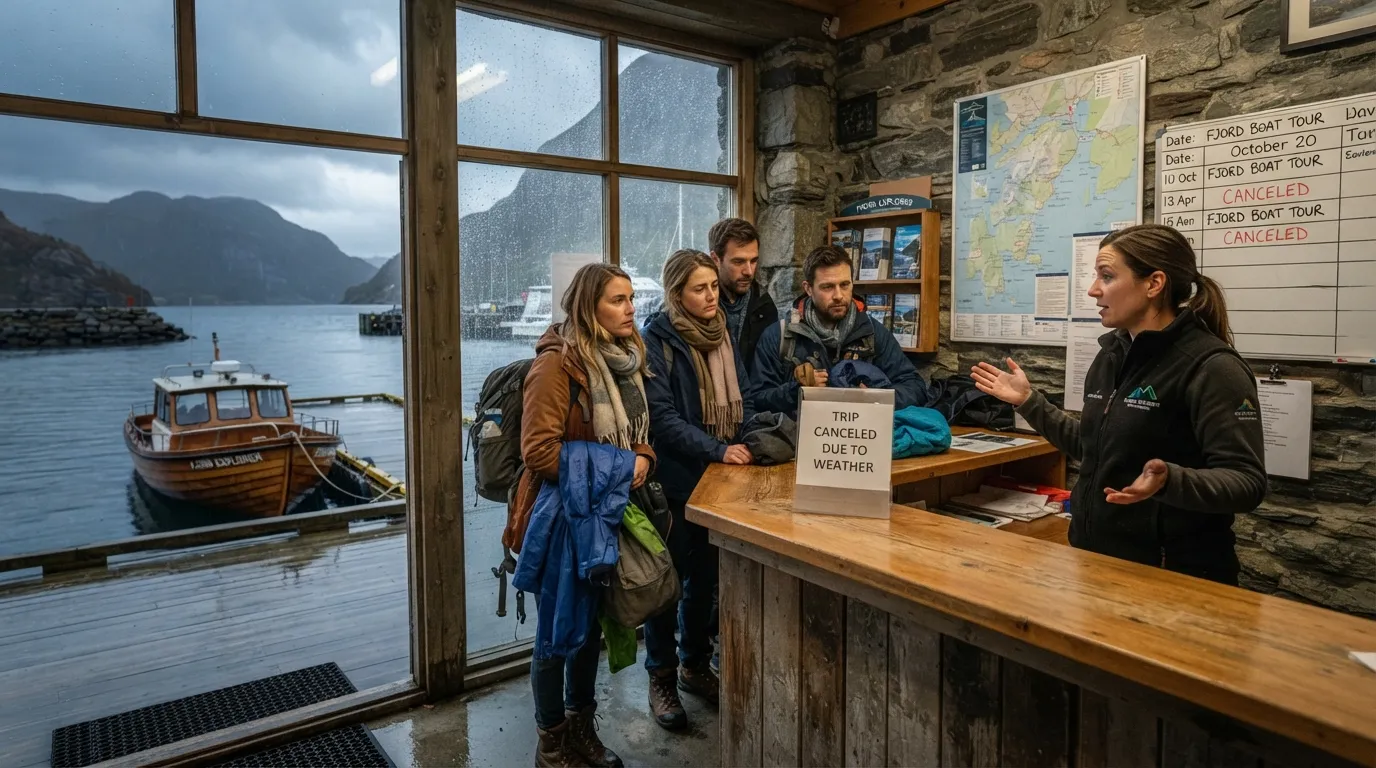
Some guided tours, boat trips, and excursions need enough bookings to run, and weather can cancel them outright. Operators may merge groups or change departure times when demand is lighter.
Read the cancellation and weather policy before paying. Book your top activity early in the trip, not on the last day. If it gets canceled, you still have time to reschedule instead of watching it vanish.
#7 – Seasonal Road Conditions Can Rewrite Your Route
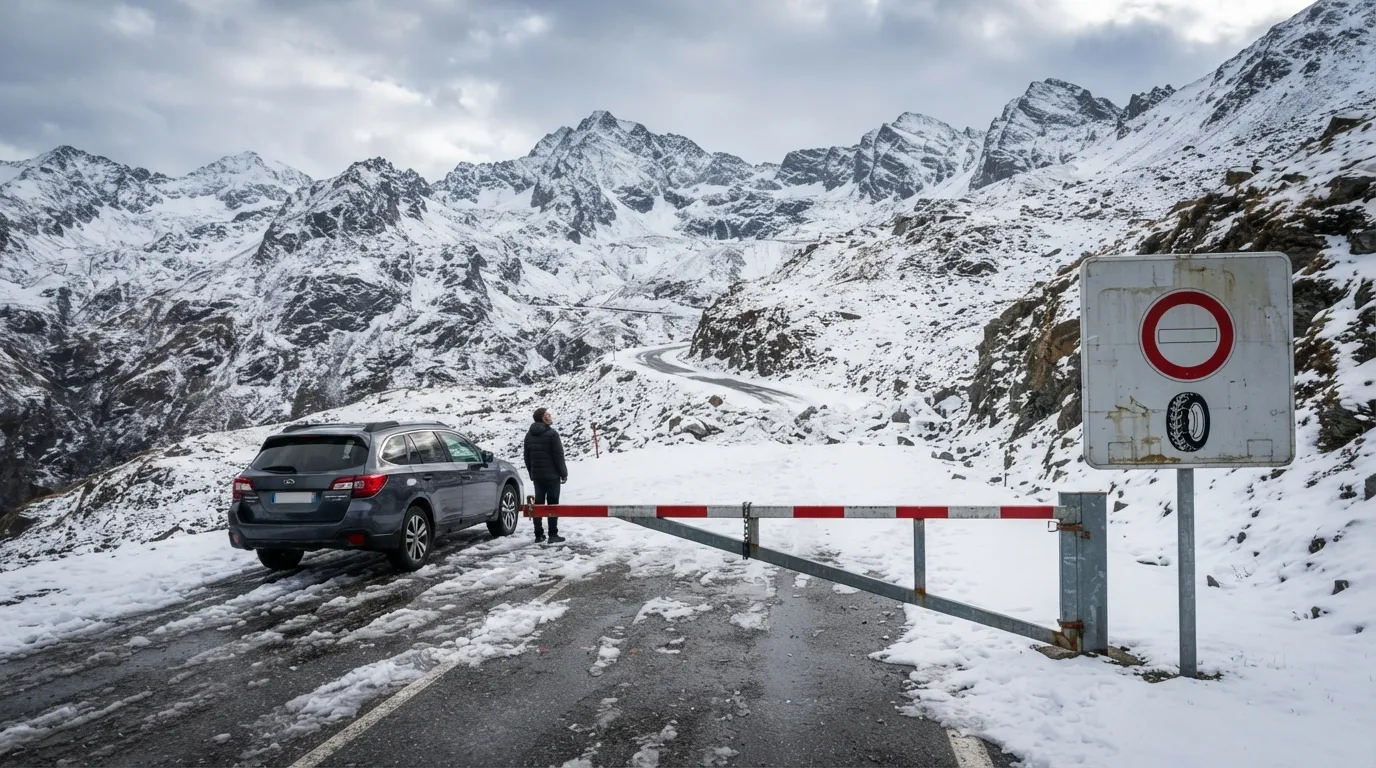
Some mountain passes, scenic drives, and rural roads close or require special equipment when conditions turn. A route that looks short on a map may be unavailable for the season.
Check the local transportation agency or park service for current road status before you set out. If you rent a car, ask about seasonal tire rules and rental restrictions. The scenic shortcut may be the one road that is shut.
#6 – Crowds Are Uneven, Not Gone
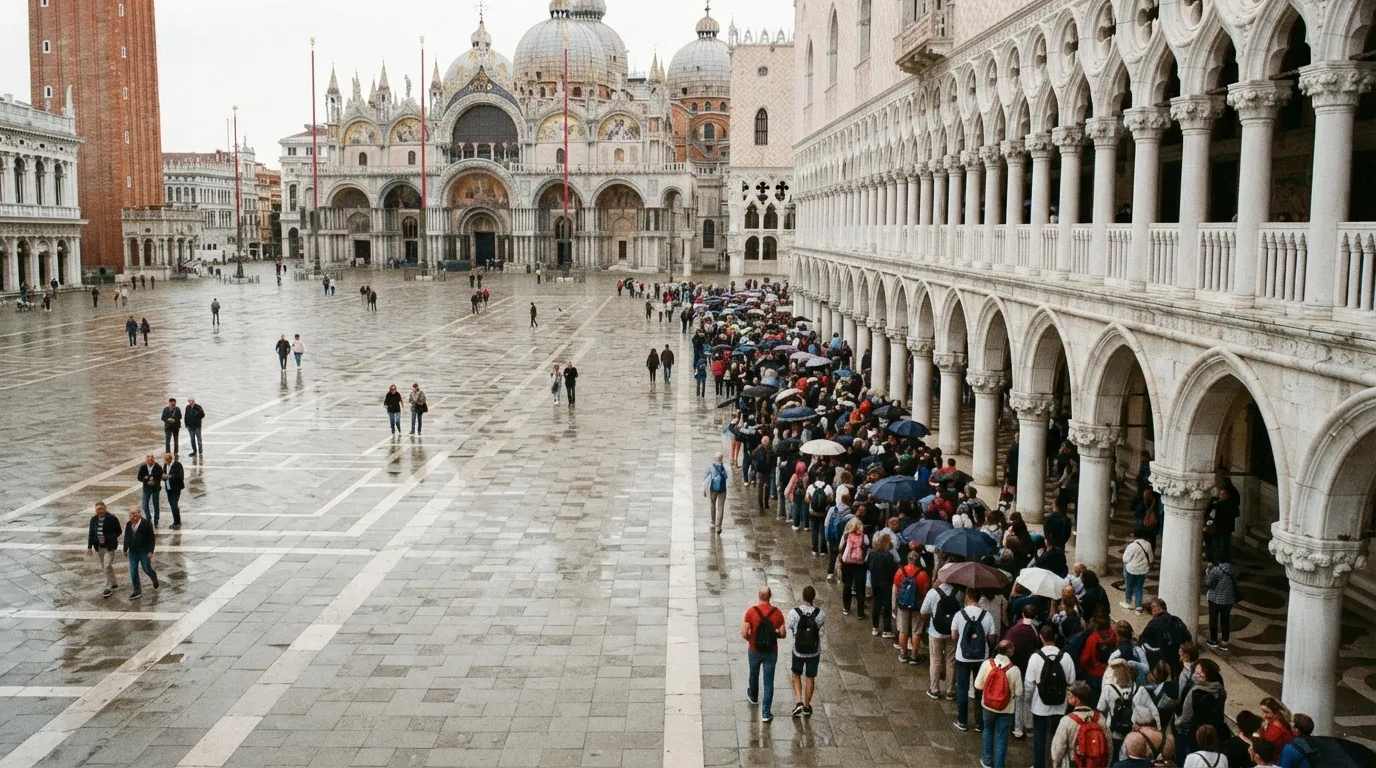
Shoulder season can feel peaceful, but local holidays, festivals, school breaks, and conferences can still fill hotels and attractions. A quiet town on Tuesday can feel packed on a long weekend.
Search the destination’s event calendar for your dates. Then keep popular sights for weekdays and early hours. The real win is knowing which days will be calm, not assuming every day is.
#5 – Beach Weather Does Not Mean Beach Services
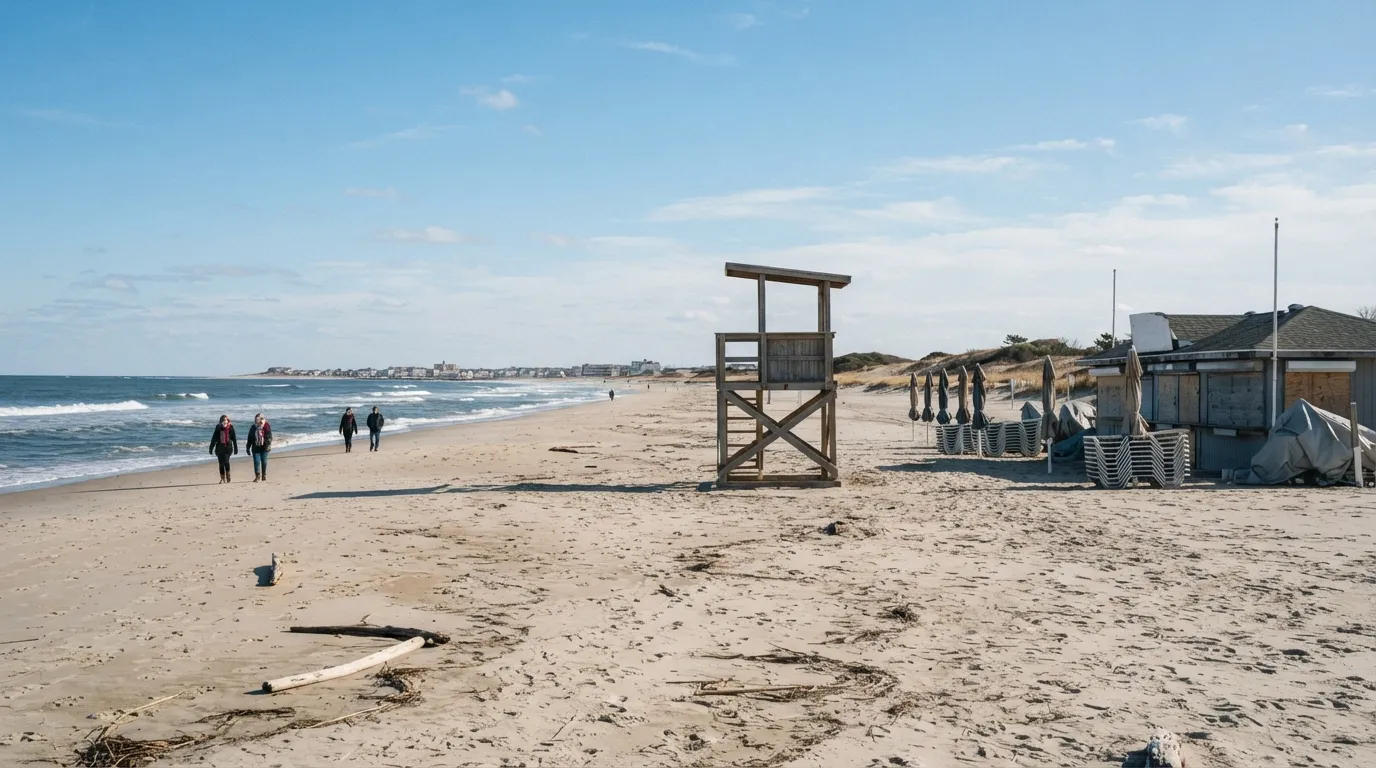
A sunny afternoon can still come with cold water, limited lifeguard coverage, closed snack stands, or shuttered rentals. Beach amenities often follow a seasonal schedule that does not match the forecast.
Check local guidance about swimming conditions and staffing before you plan a water day. Bring snacks, a towel, and a warm layer. Sometimes the best shoulder-season beach trip is a walk, not a swim.
At a Glance
- Sun: may be out even when the water is still cold.
- Lifeguards: coverage may be limited or absent, so check local guidance.
- Food and rentals: may be closed, so pack your own.
- Best bet: a shoreline walk with a warm layer.
#4 – The Last Mile Is Often the Missing Link
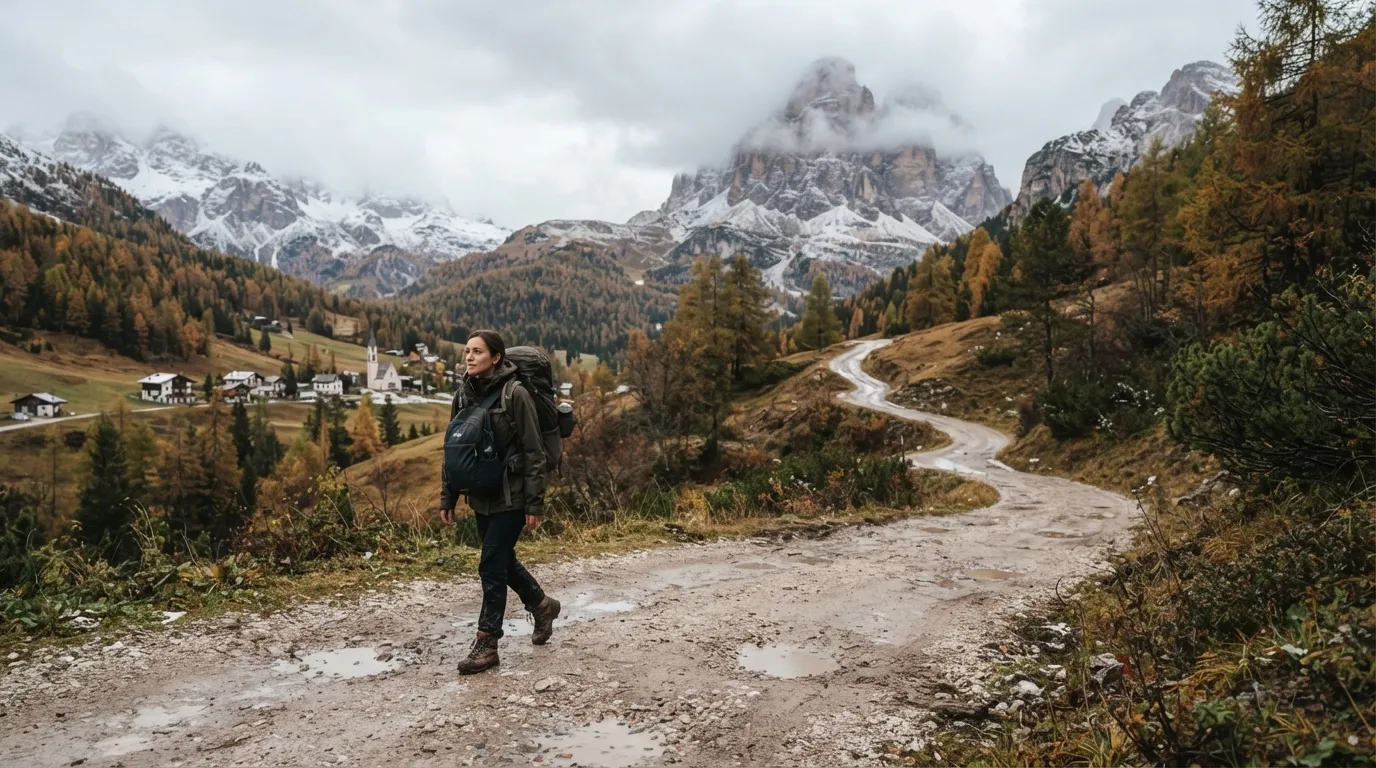
Trailhead shuttles, park buses, and local transit routes may run less often or stop entirely between peak periods. You can reach the town and still struggle to reach the sight.
Look at the official transport page for each stop on your list. If service is limited, plan for a taxi, rental car, or walking route. The hardest part of a trip can be the final few miles.
#3 – Flexible Bookings Become Worth Their Weight
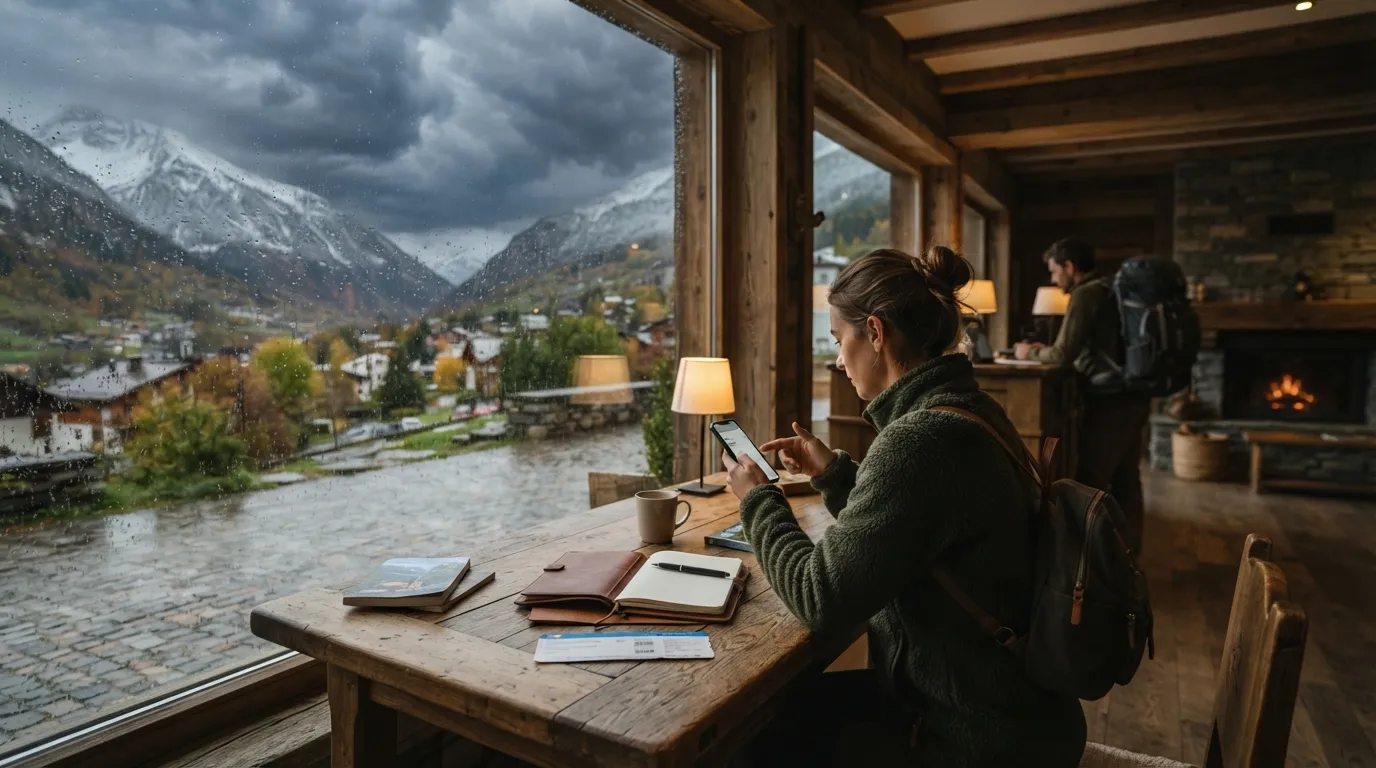
When weather can change your plans, a refundable or changeable reservation becomes more than a perk. It gives you room to move a day or switch a stop when conditions shift.
Read the exact change and cancellation terms before you book, because they vary widely. A slightly higher rate with flexibility can be the smarter shoulder-season choice when the forecast is still uncertain.
#2 – Travel Insurance Rules Matter More Than You Think
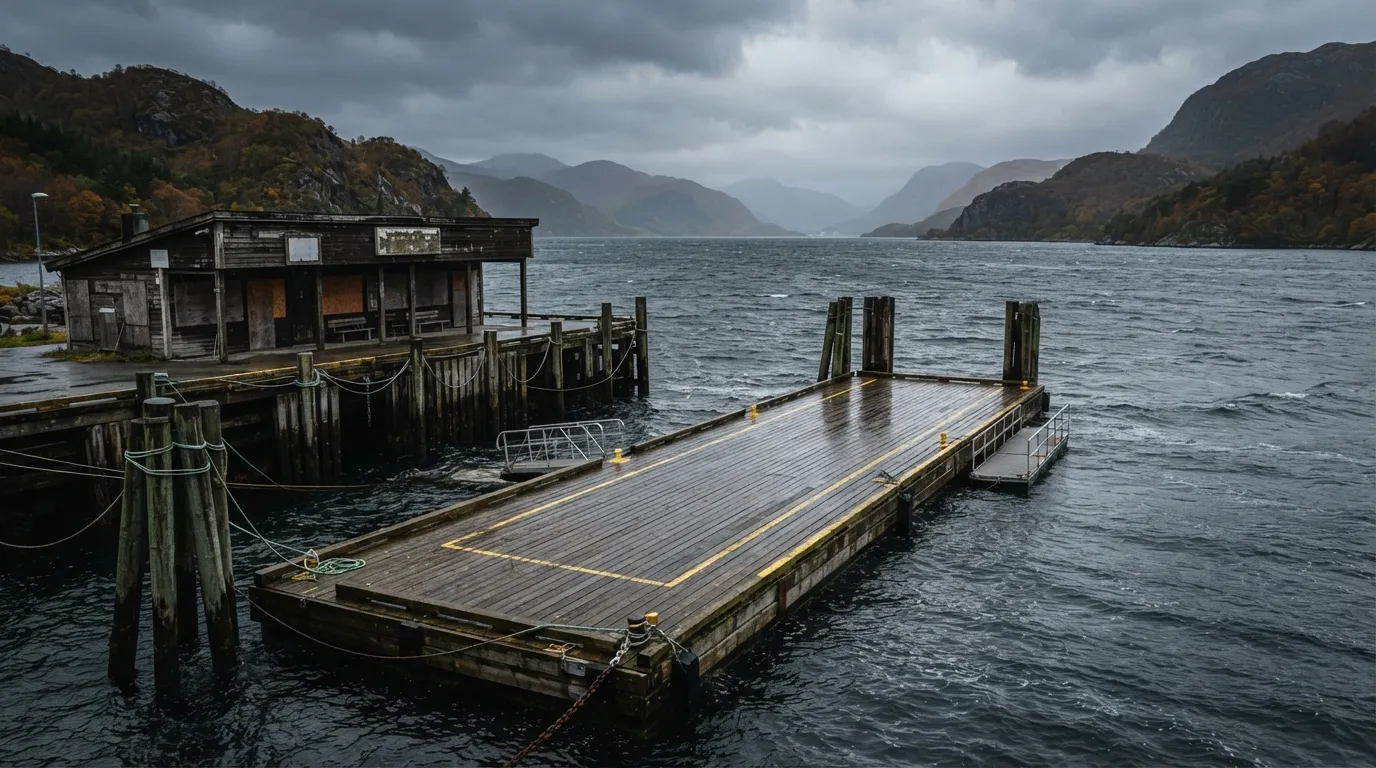
Weather-related delays and cancellations are not treated the same way by every policy. Some coverage depends on specific causes, timing, or conditions, and the fine print can be surprising.
Read what your policy says about weather, closures, and missed connections before you buy it. Do not assume it covers everything. Knowing the limits ahead of time is far better than discovering them at an empty ferry dock.
Fast Facts
- Ask which weather events your policy names as covered causes.
- Check whether a closed attraction or trail counts as a covered loss.
- Look at how missed connections are handled and what proof you need.
- Note any purchase-timing rules before you pay for the trip.
#1 – The Best Shoulder-Season Trips Always Have a Plan B
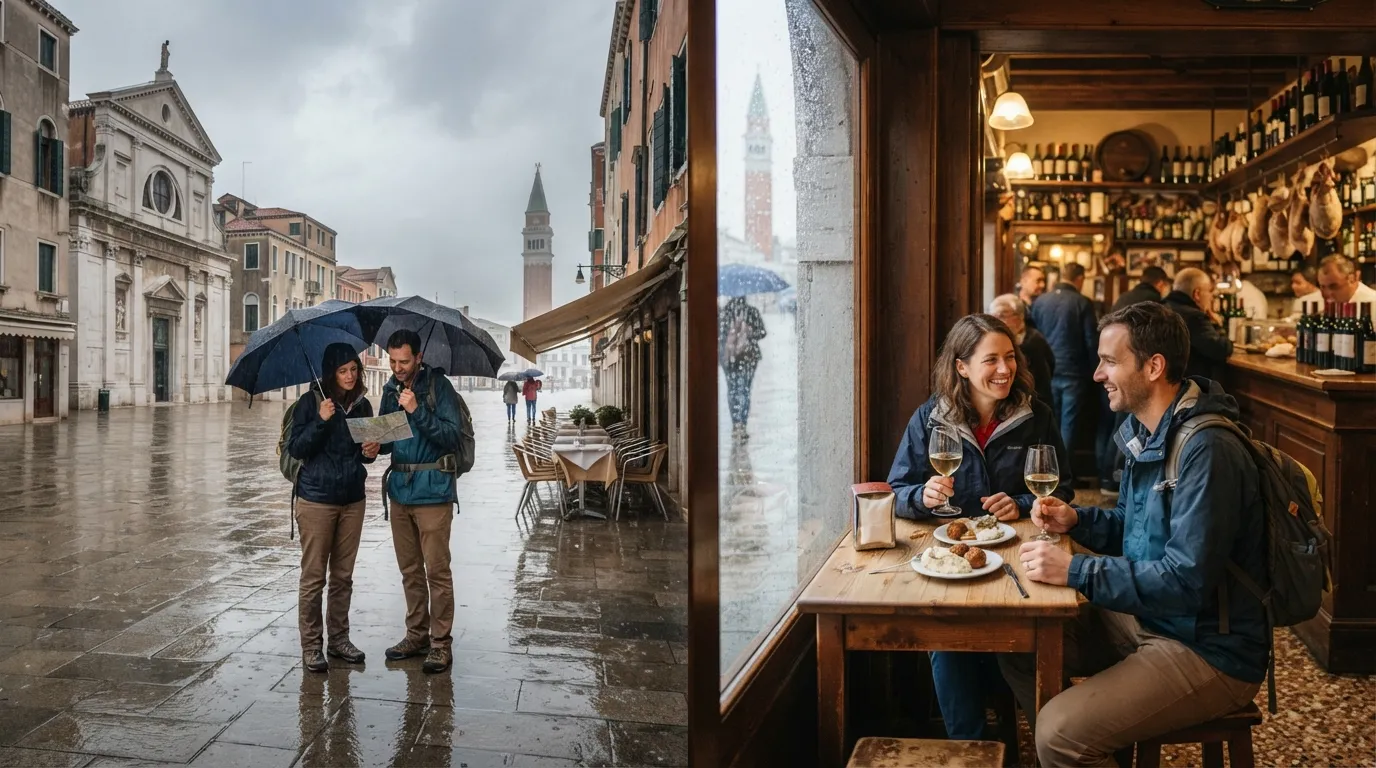
The travelers who love shoulder season are rarely the lucky ones. They are the ones who pair every outdoor plan with an indoor option and leave a little slack in the schedule.
Quiet streets, softer light, and lower prices are real rewards, but they come with moving parts. Check the official schedules, keep one flexible day, and let the weather change your route without ruining your trip.
CEO-Co-Founder