
- The Secret Influence of Folk Music on American Society - October 26, 2026
- 15 Souvenir Shopping Traps That Cost Travelers Money Abroad - October 26, 2026
- 16 Travel Adapter Mistakes That Leave Travelers Without Power - October 26, 2026
The tent goes up fine in daylight. Then night arrives, the headlamp comes out, and the rulebook suddenly matters.
That’s the pattern behind these 18 rules from National Park Service, Forest Service, and BLM guidance: small oversights get louder, brighter, and easier to notice once the sun is gone. Some sound picky until you picture them at 11 p.m., and one near the end is easy to miss even at dawn.
#1 – Quiet Hours Start Promptly at 10 PM
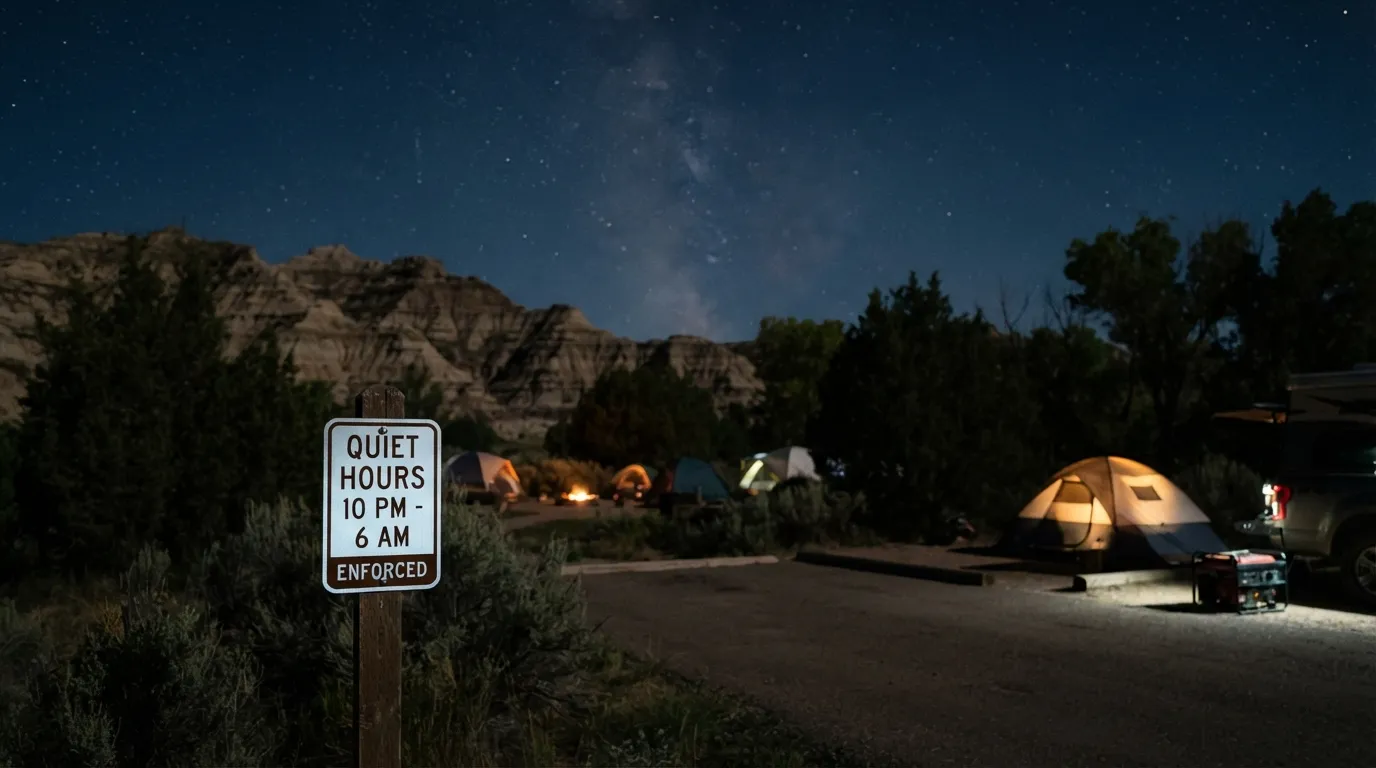
At most developed campgrounds, quiet hours run from 10 p.m. to 6 a.m. Sound carries surprisingly far after dark, so a laugh around the fire can reach three sites away.
Many campgrounds enforce the window strictly, and repeat offenders can be warned or asked to leave. The first night is when many campers find out how thin a tent wall really is. Next up is a rule that has nothing to do with people.
#2 – Food Storage Must Happen Before Dark
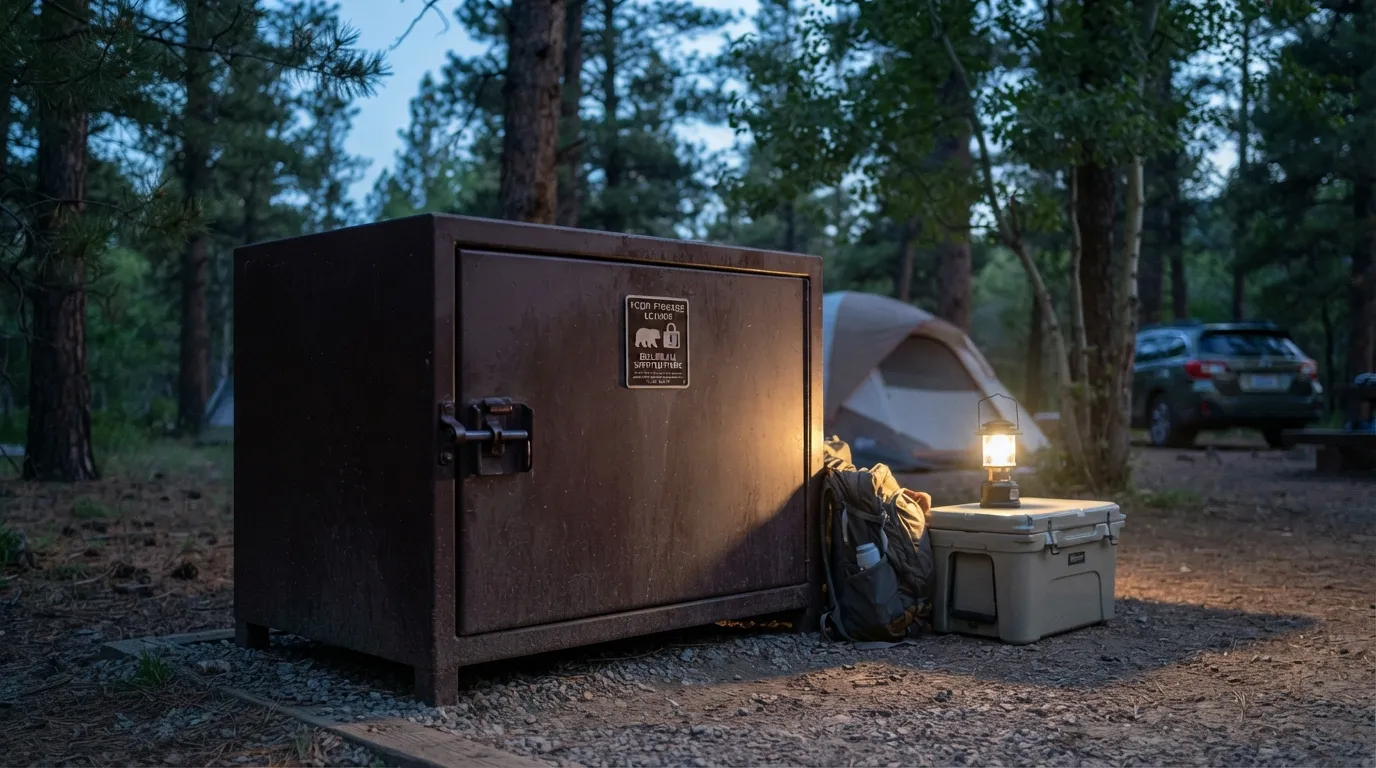
Anything with a scent, including toothpaste and trash, belongs in a vehicle or a provided food locker. Federal rules like 36 CFR § 2.10 cover food storage in national parks.
Animals actively look for food at night. First-timers often find out when a raccoon, or something bigger, starts investigating the campsite. The next rule is about light, and it surprises almost everyone.
#3 – Use Red Lights or Point Flashlights Down
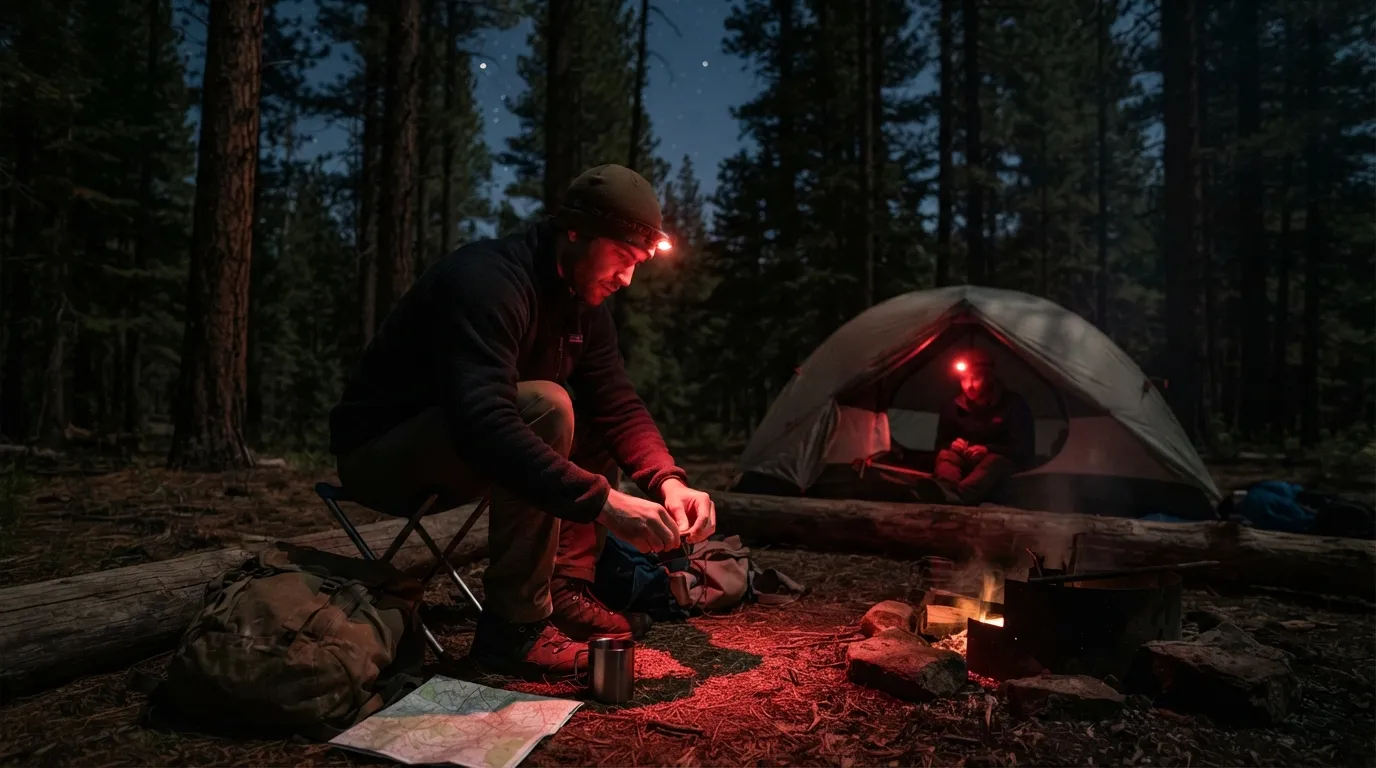
Many animals depend on darkness to move, hunt, and feed. A bright white beam swept across the trees can disturb more than the neighbors.
Keep beams low and avoid blasting bright white light. Many parks suggest a red filter for minimal impact. Where lighting rules are enforced, careless beams can bring complaints. Next comes a rule that gets broken most often at dusk.
#4 – Camp at Least 100-200 Feet From Water
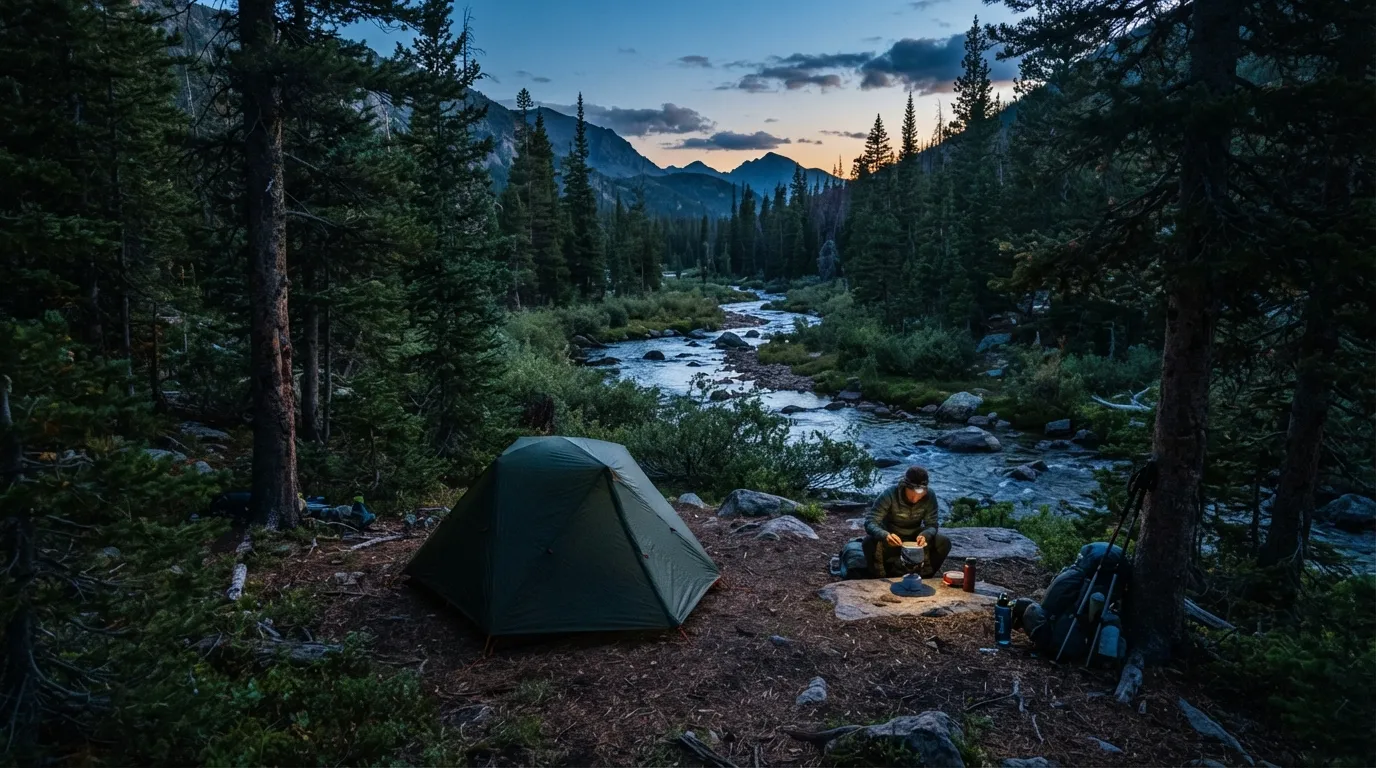
Sites need to sit well back from streams and lakes to protect water quality. Dispersed camping often calls for 150 to 200 feet or more.
Fast Facts
- Leave No Trace guidance uses 200 feet as its standard buffer from water.
- That’s roughly 70 adult steps.
- Some areas set a shorter minimum, so check local rules.
- Shorelines look farther away in the dark than they are.
Arriving in the dark makes it easy to pitch too close. Official BLM and Forest Service guidance stresses the distance to prevent contamination from waste and runoff. Fire comes next, and the rules are stricter than most people expect.
#5 – Fires Only in Designated Rings and Fully Extinguished
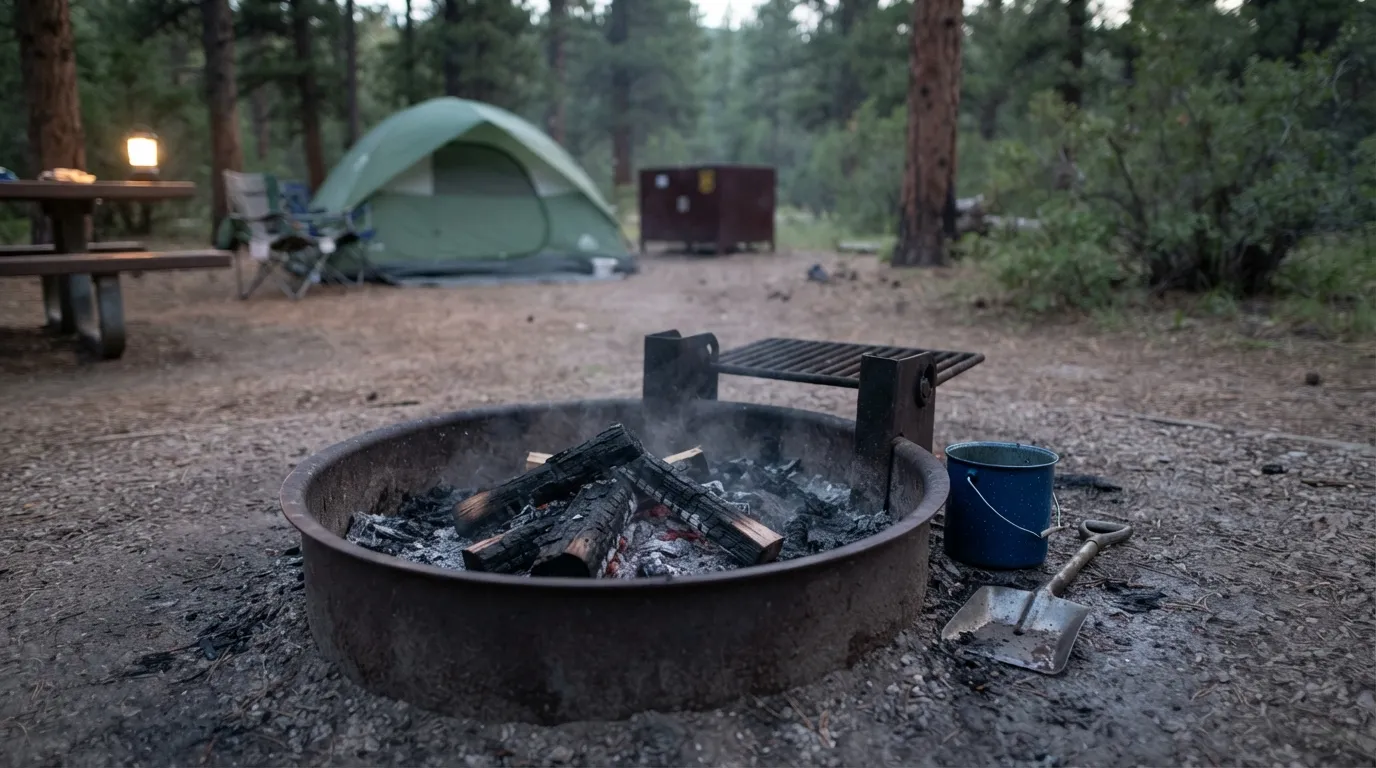
Fires belong in provided rings or grates, and they must be completely out before bed. Never leave one unattended, even briefly.
Restrictions can change quickly, so check current conditions first. Wood gathering is usually limited to dead and downed wood, and some areas ban it altogether. The next rule is about something nobody wants to talk about.
#6 – Human Waste Goes in Catholes 6-8 Inches Deep
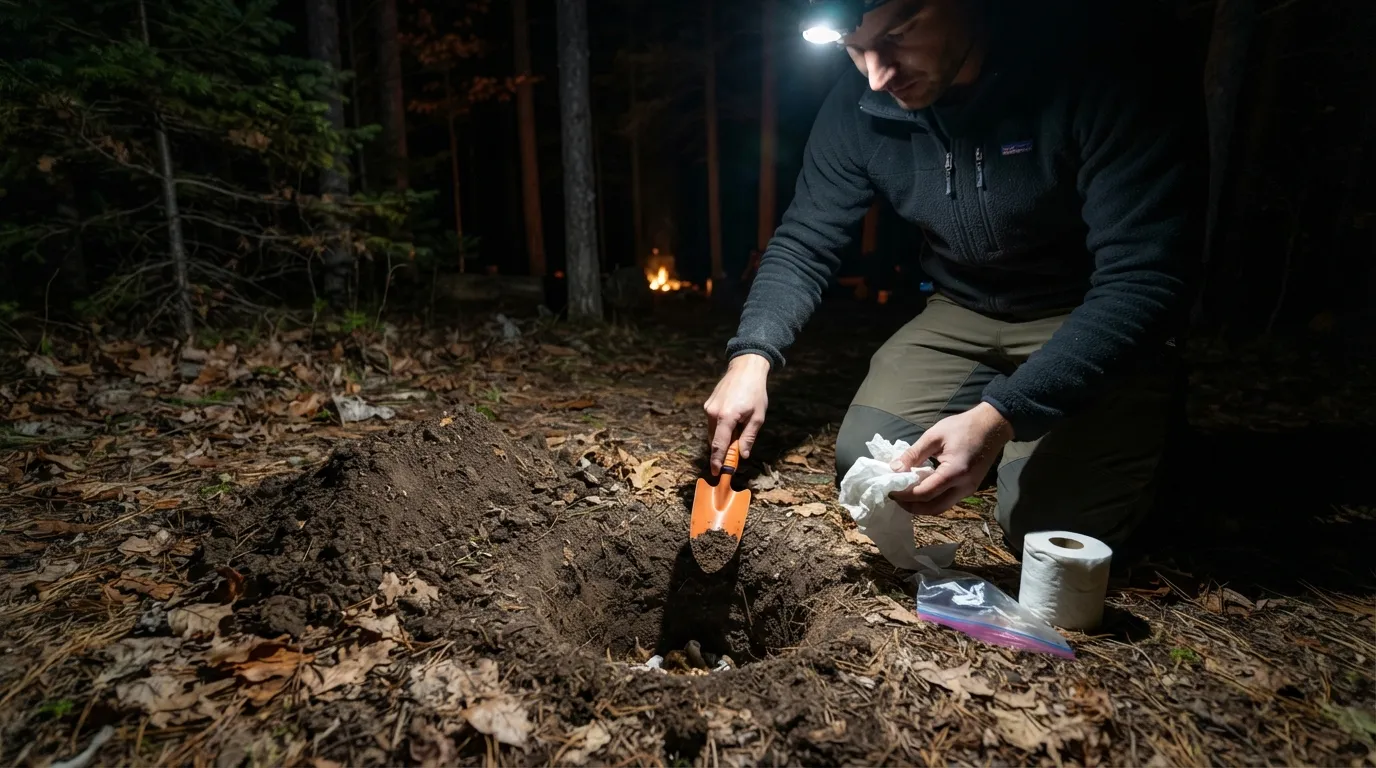
Where toilets aren’t available, Leave No Trace guidance calls for a cathole 6 to 8 inches deep, well away from water, trails, and camp. In many areas, toilet paper gets packed out too.
A late-night bathroom trip is when people cut corners, usually because the headlamp beam looks too small for the job. Use a provided toilet wherever one exists. The next rule is about the ground itself.
#7 – No Digging or Leveling the Campsite
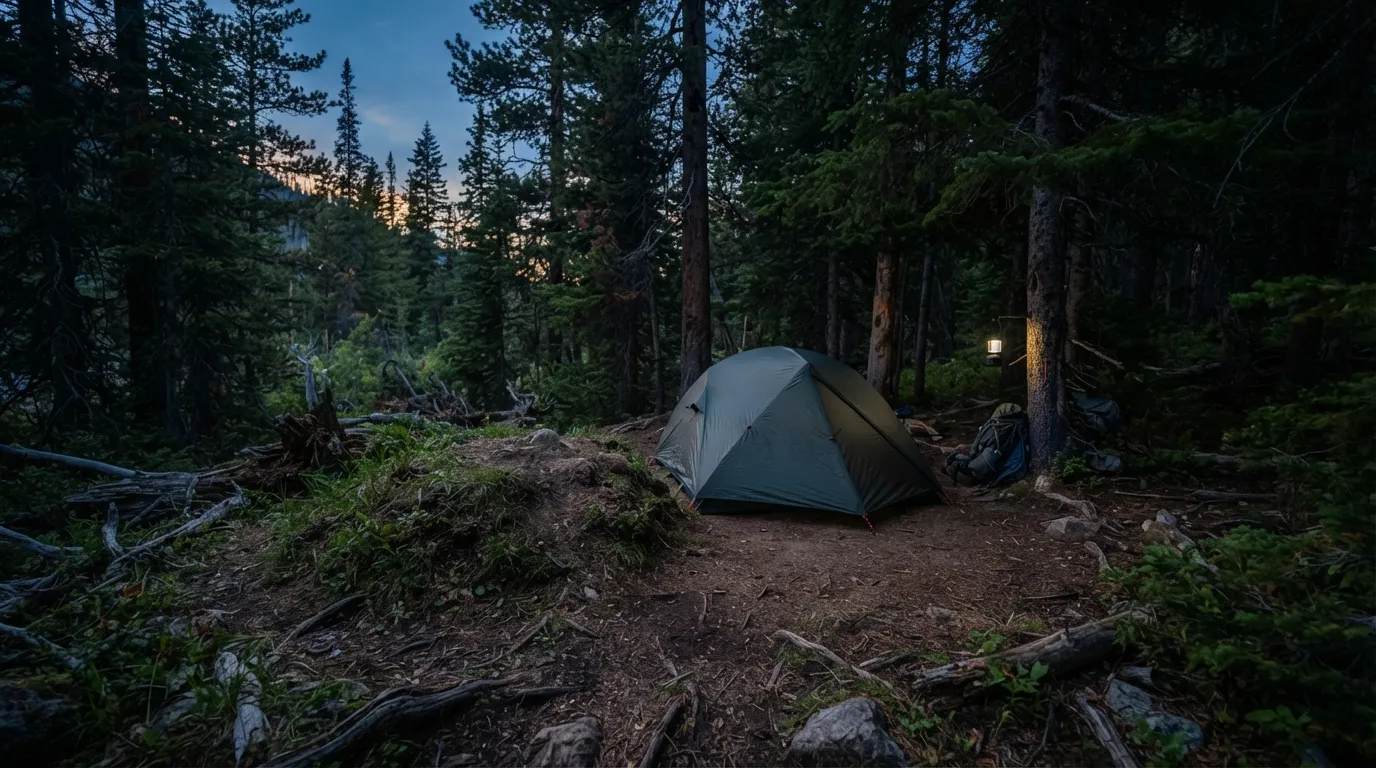
Altering the ground is prohibited in many areas, including trenches, flattened spots, and rearranged terrain. Use the site as you find it.
A lumpy patch looks fixable at night. But digging damages vegetation and can bring a penalty. Next, a rule that can catch you before you even pull in.
#8 – Reservations and Check-In Times Are Binding
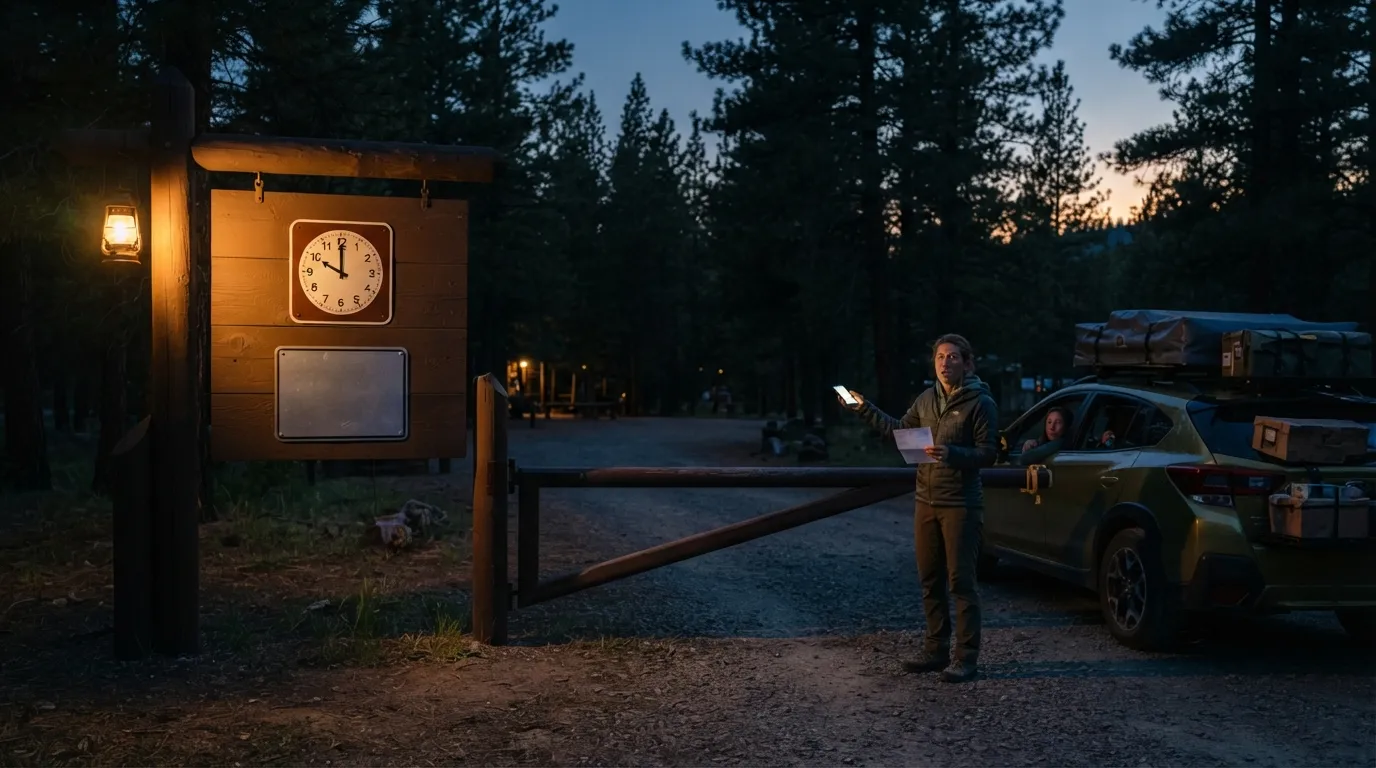
Many campgrounds assign sites with specific arrival windows. Arrive late and you may lose the spot or pay extra.
Worth Knowing
- Look up the check-in window and gate hours before you leave home.
- Find the late-arrival instructions in your confirmation email or on the campground page.
- Save your site number and reservation details offline, since cell service can vanish.
- If you’ll be late, contact the campground or host ahead of time.
Even first-come sites post their own check-in rules. Pulling in after dark can mean closed gates or a reassigned site. The next rule involves a four-legged camper.
#9 – Pets Stay Leashed at All Times
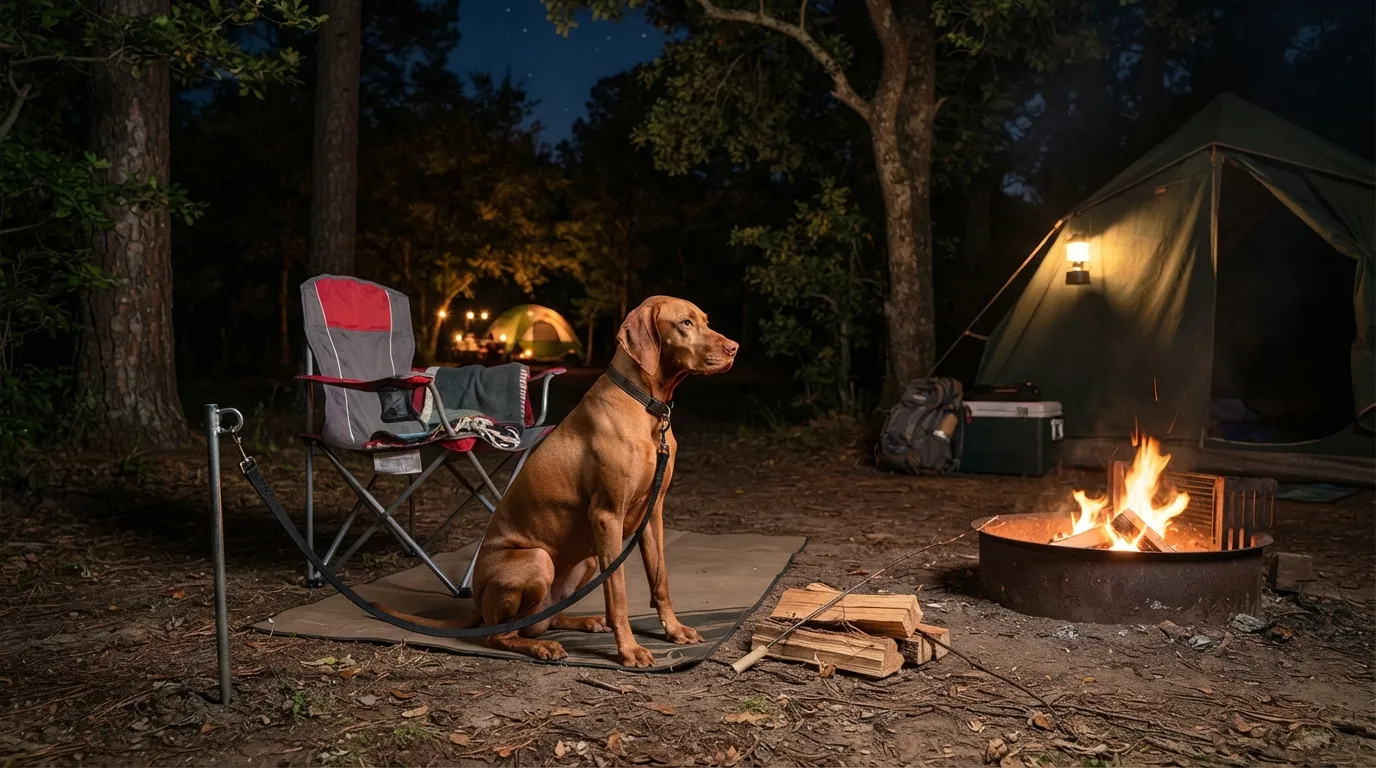
A common limit is two pets per site, always on a leash no longer than 6 feet. Never leave them unattended.
Waste has to be cleaned up right away. At night, a loose pet can bother neighbors or wander toward wildlife. Rules vary by location, so check yours. Next up is the rule that fills the most trunks.
#10 – Pack Out All Trash and Leftover Food
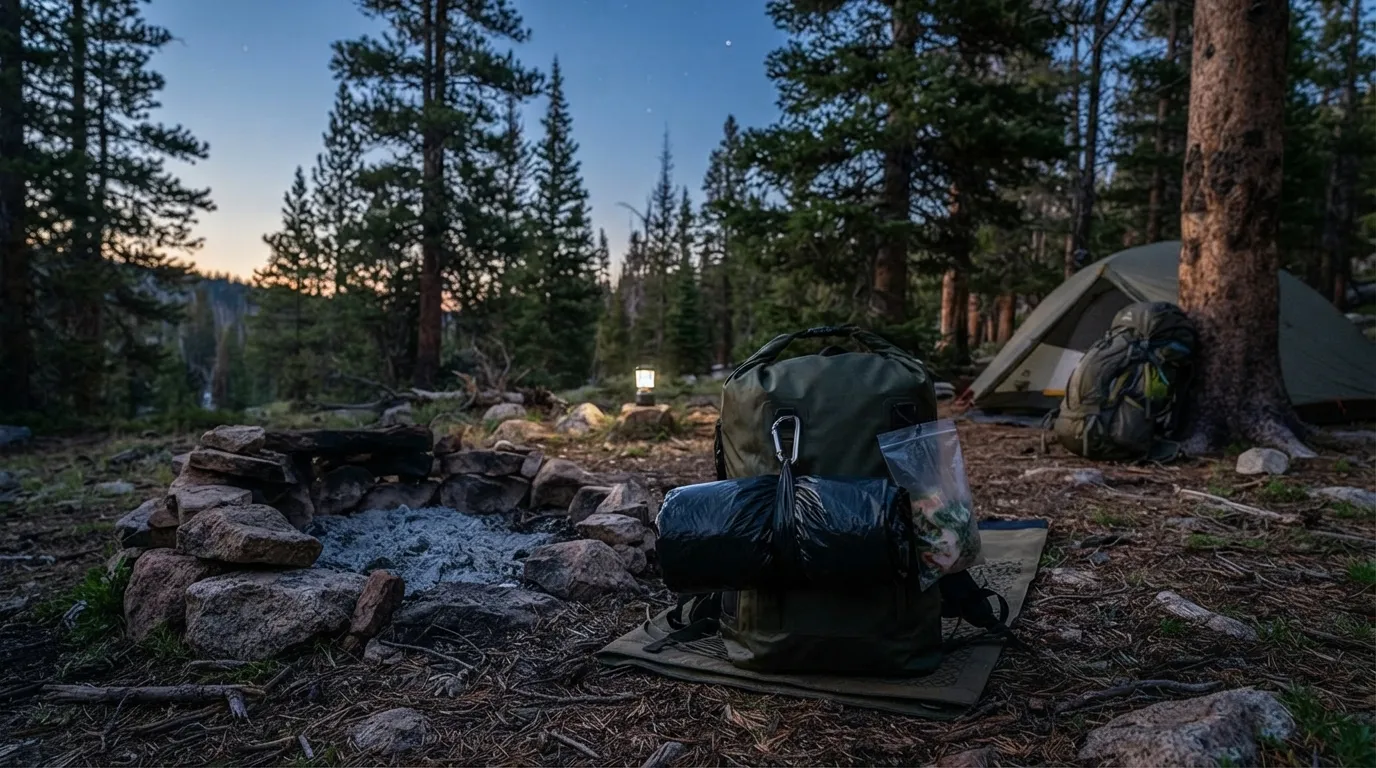
Burning garbage or leaving scraps behind is not allowed. Pack it in, pack it out applies everywhere.
First-timers tend to underestimate how much trash a weekend creates. Bins fill up, and dispersed areas have none at all. The next rule has a way of backfiring on well-meaning campers.
#11 – No Feeding or Approaching Wildlife
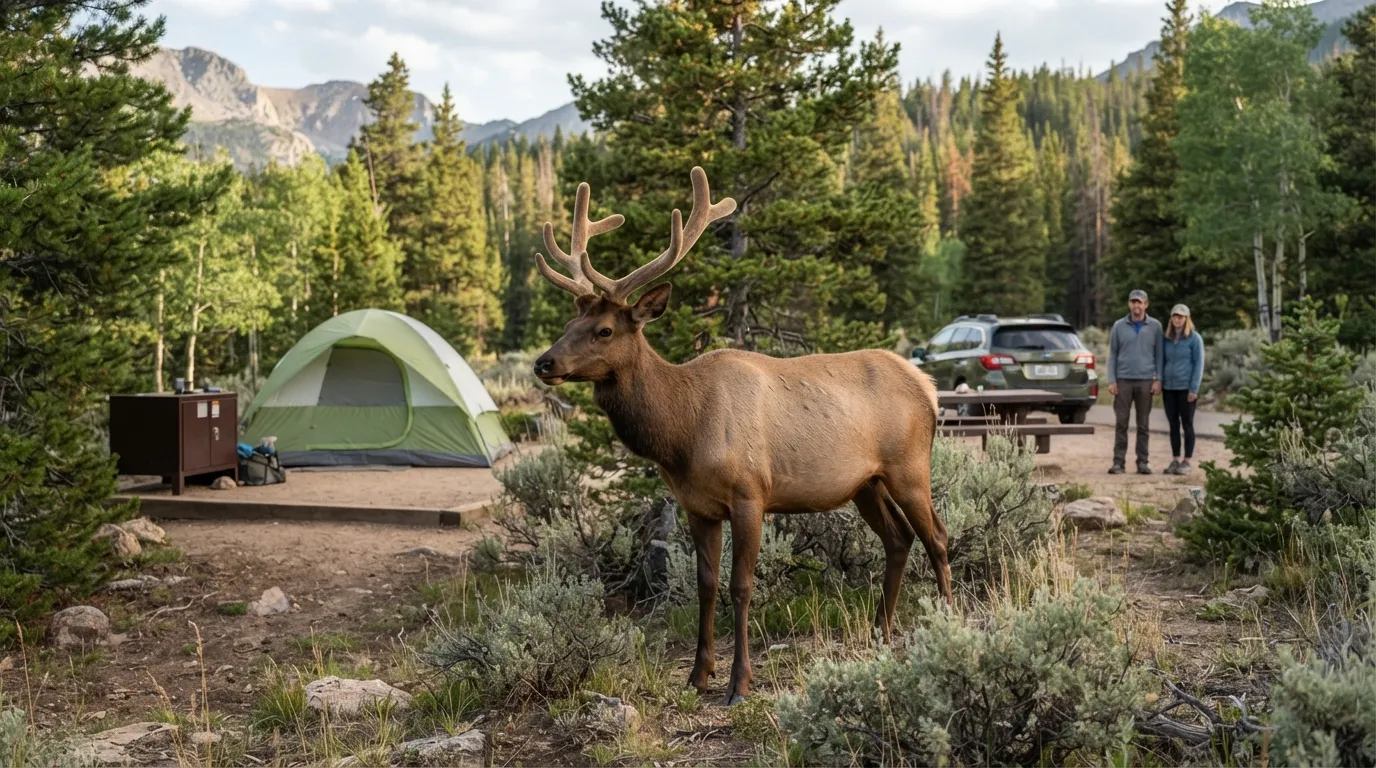
Intentional or accidental feeding is banned. Even birds and small mammals count.
Quick Compare
- Bears and wolves: National Park Service guidance says stay at least 100 yards (300 feet) away.
- Other large wildlife, such as elk, bison, and deer: at least 25 yards (75 feet).
- Birds and small mammals: no feeding, and give them room.
Food left out can teach animals that campsites mean meals. That habit can put both people and wildlife at risk. Keep your distance and keep everything secured. The next rule is about the loudest thing in camp.
#12 – Generators Have Strict Daytime Windows
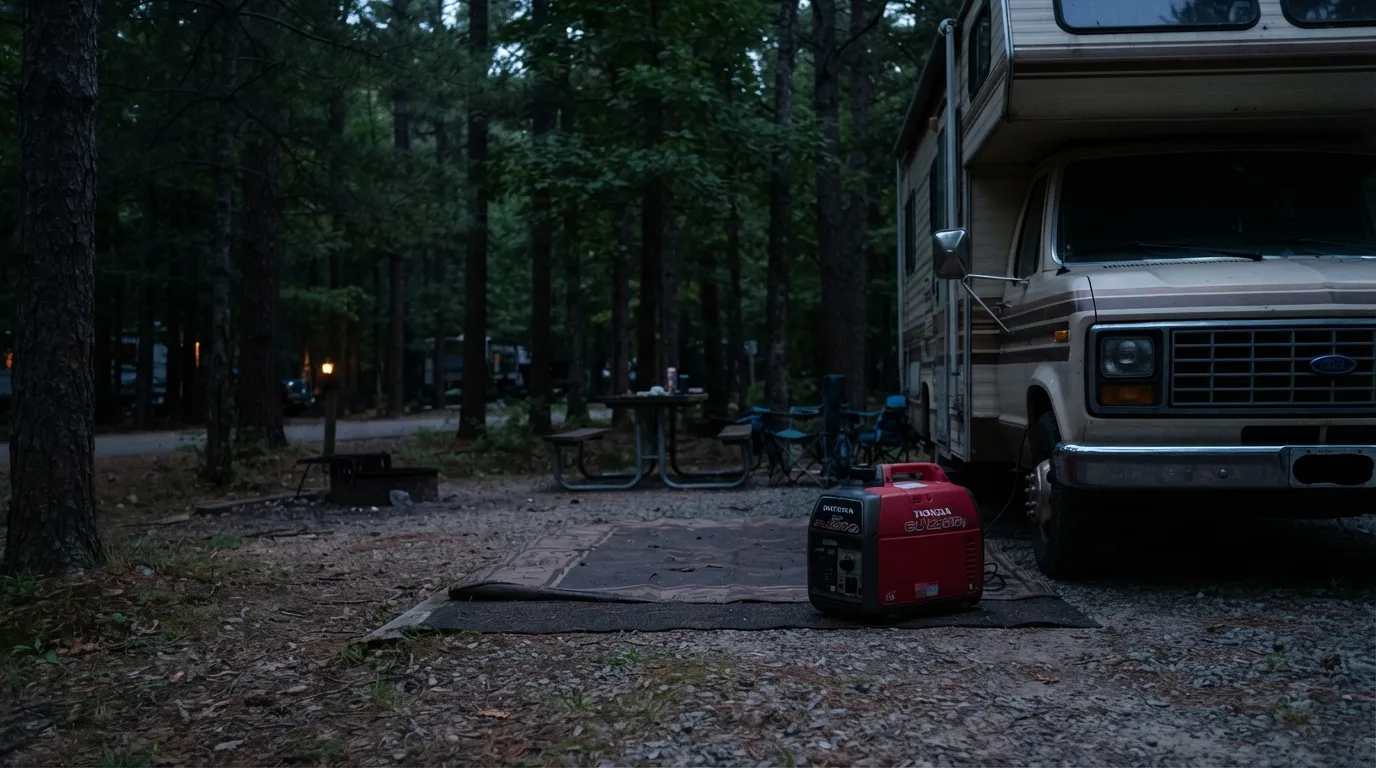
Many campgrounds allow generators only during set hours, such as 8 a.m. to 8 p.m., or even narrower windows. Quiet hours mean off, no exceptions.
Mufflers are often required. Campers counting on night-time power usually hear about the rule from staff or neighbors. After this comes a rule about where your tent can go.
#13 – Use Existing Sites and Avoid New Impacts
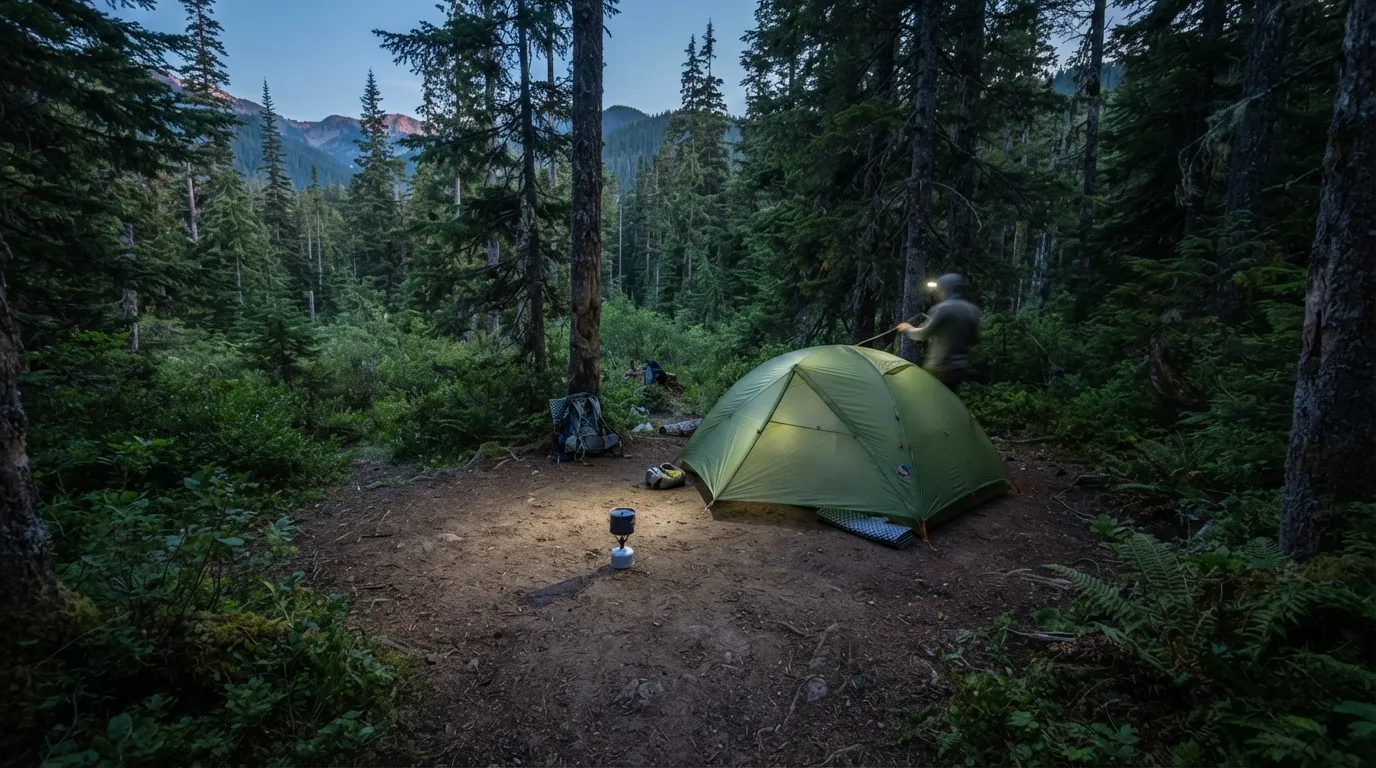
Choose spots that are already used instead of opening a new one. Keep camps small and on durable surfaces.
That means no rock walls, no built furniture, and no little improvements. A night setup in a pristine area can leave erosion and crushed plants that rangers notice. The next rule changes faster than the others.
#14 – Check Local Fire Restrictions Daily
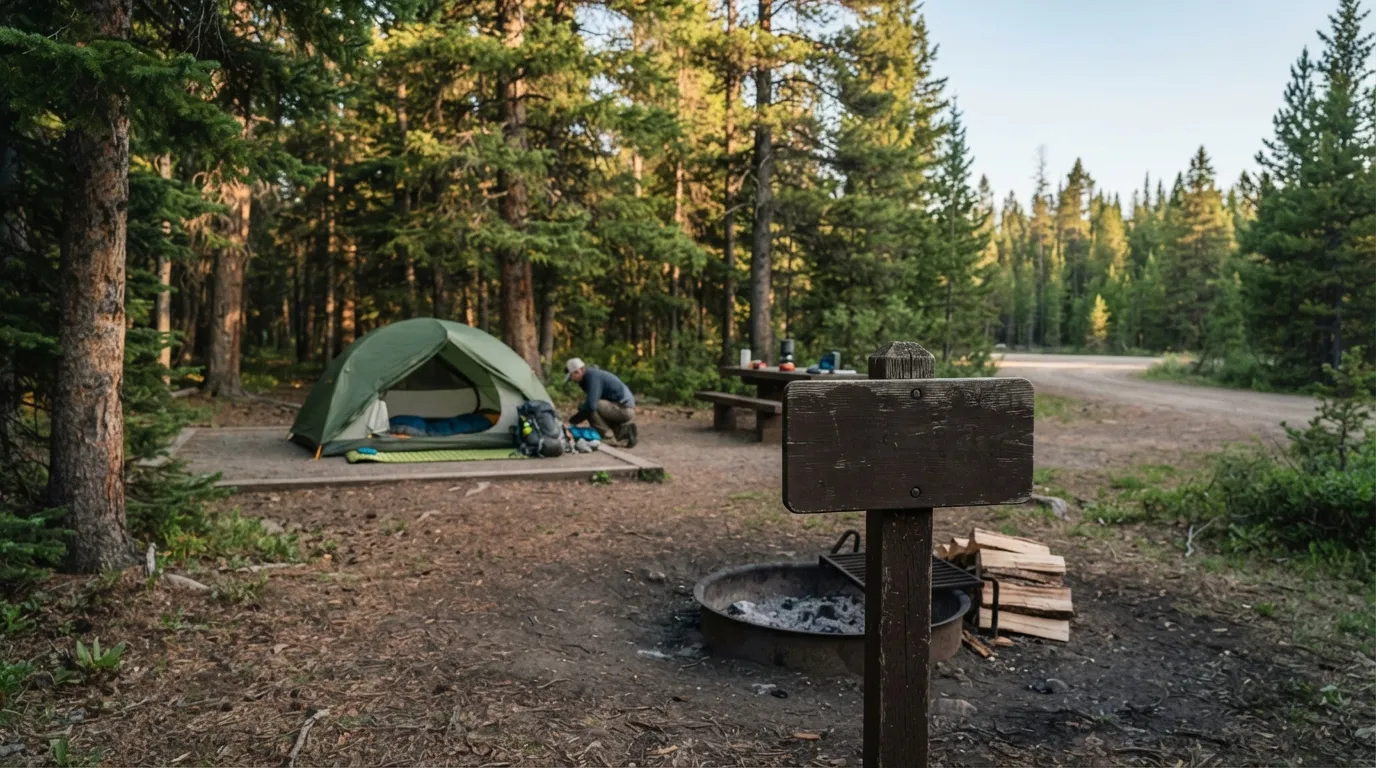
Conditions change, so verify before lighting anything. Some forests require permits even for stoves.
At a Glance
- Check the park or forest website for current alerts.
- Read the bulletin board or signs at the entrance.
- Ask the camp host or ranger station for today’s status.
- Re-check each morning, since a rule can change overnight.
Restrictions can tighten overnight, and a fire that was fine yesterday may not be today. Local ranger stations can give you current updates. Next is a rule about headcount.
#15 – Maximum People and Vehicles Per Site
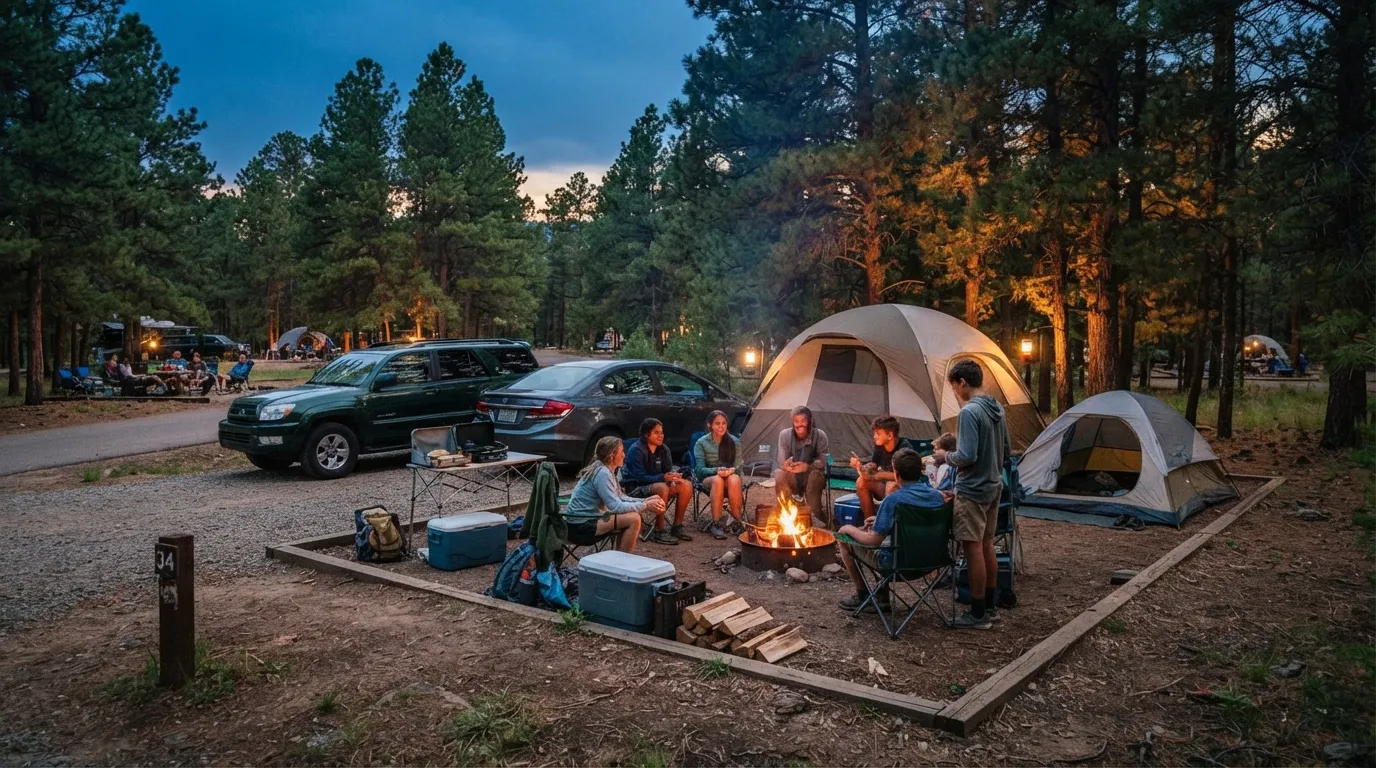
Limits like 8 people or 2 vehicles per site are common. Going over usually means booking an additional site.
These rules keep sites from getting overcrowded. Groups arriving late may have to split up or move once staff count heads. Next, a rule that mostly trips up RV owners.
#16 – No Connecting to Utilities Unless Designated
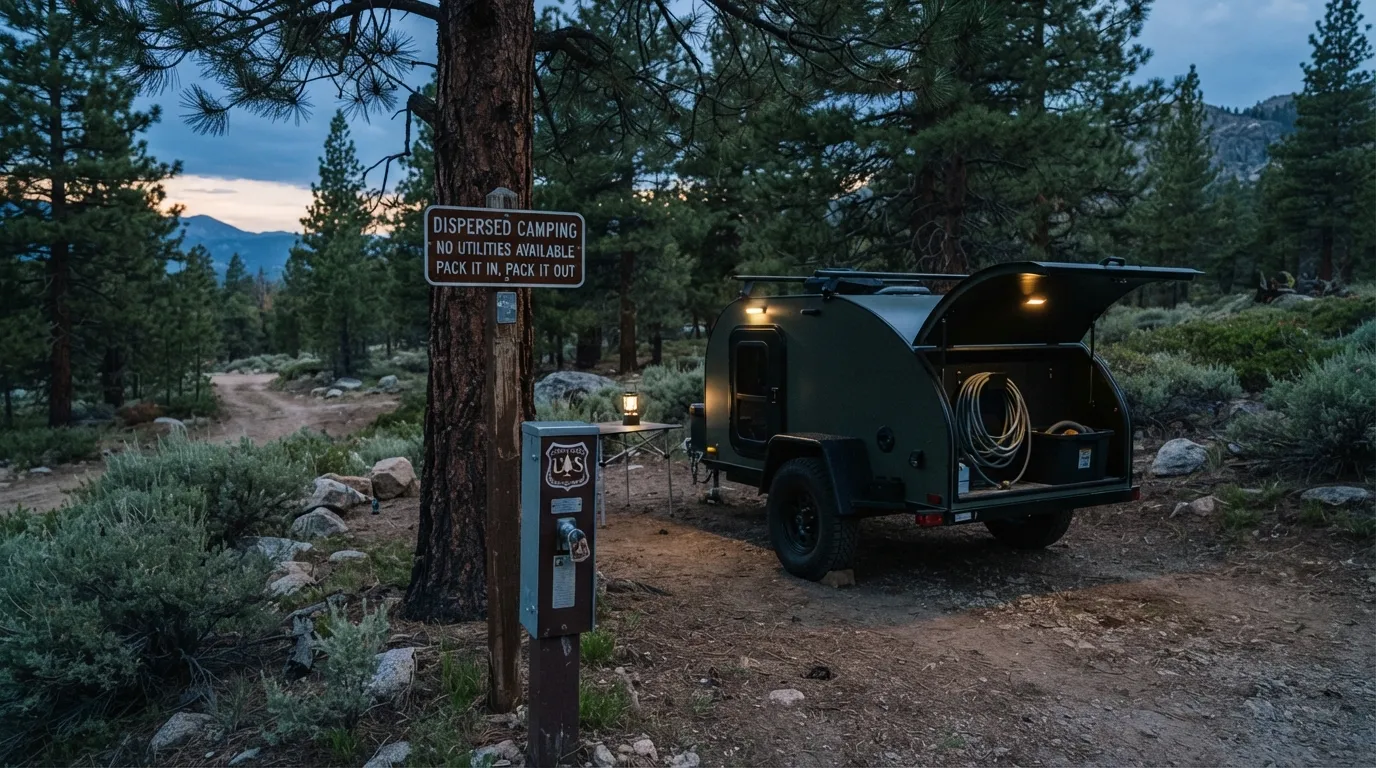
Hooking up to water or electricity is not allowed outside approved sites. That includes most dispersed and basic campgrounds.
Campers are expected to bring self-contained setups. Those who try to connect anyway may get a notice, since the rules protect shared infrastructure. Two more rules to go, and both are about time.
#17 – Stay Limits Prevent Long-Term Occupancy
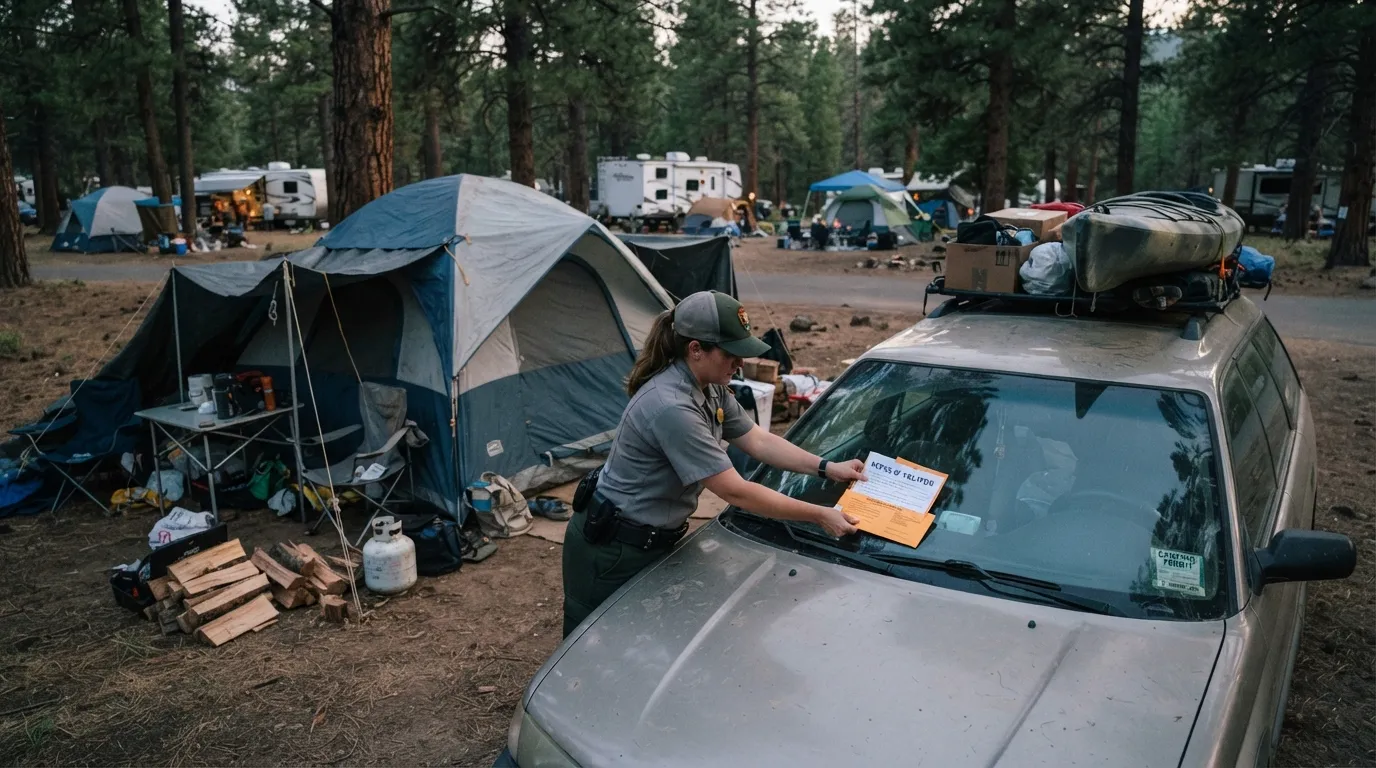
Fourteen days is a frequent maximum before you must relocate. Some areas cap total nights per year even lower.
If you extend, you generally must move a required distance. Ignoring the limit can lead to enforcement action. The last rule is the one people forget as they pack up.
#18 – Leave No Trace Means Erasing All Signs
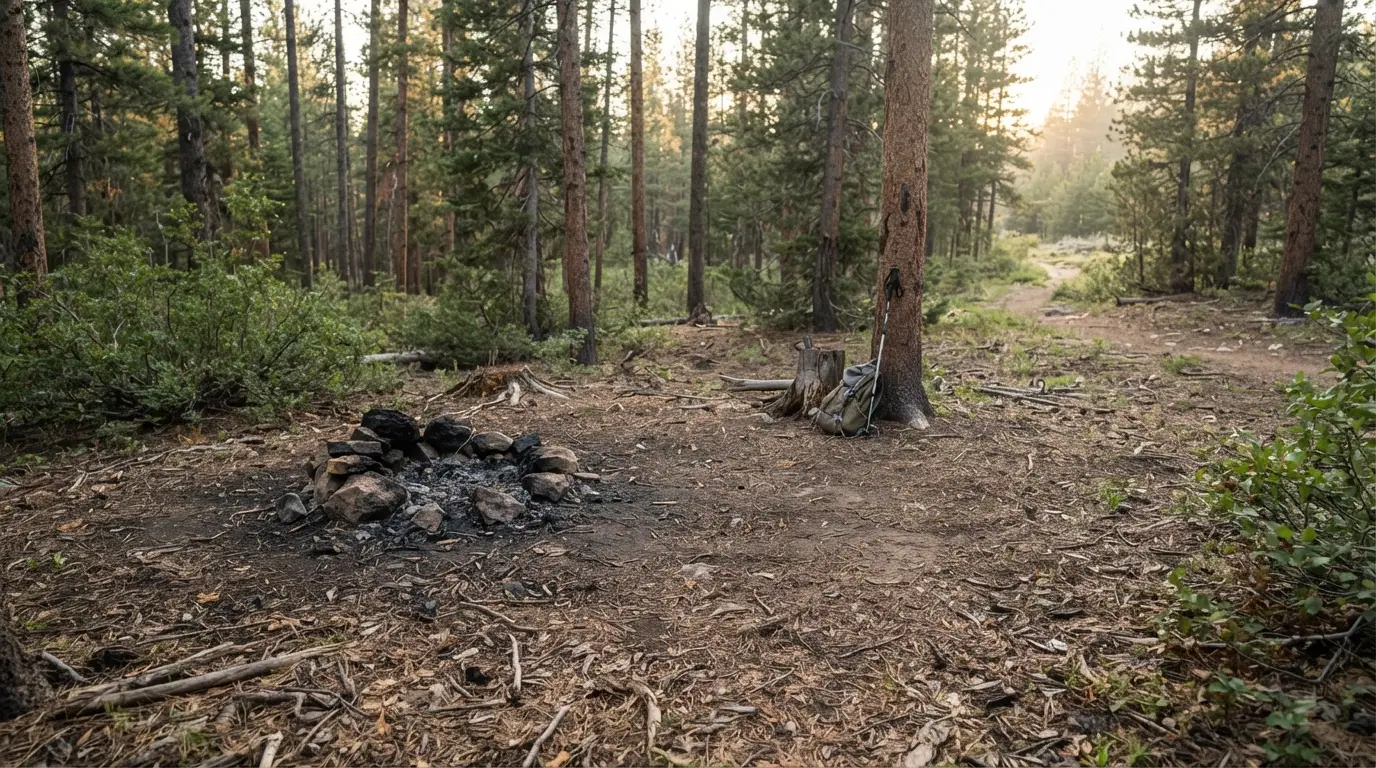
Remove every item and restore the site as you found it. That means no leftover fire rings and no altered ground.
Pack out everything, including micro-trash like bottle caps and bits of foil. Campers leaving at dawn often miss small items that are obvious in daylight.
Nearly every rule on this list comes back to the same idea: night makes small mistakes bigger. Doing the prep before dark protects the place, the wildlife, and the people sleeping a few sites over.
Did we miss one? Drop it in the comments.
CEO-Co-Founder