
- 25 Bands and the First Song They Ever Released vs the Song They Are Known For - October 21, 2026
- Most people assume the pilot episode that airs is close to the creators' original vision, but networks routinely demand recasts, plot overhauls, and tone shifts that scrap major elements before a show reaches viewers. Production histories show these changes often saved series from cancellation. Here's what the data actually say. - October 21, 2026
- 25 TV Shows and Their Original Pilot vs What Actually Aired - October 21, 2026
It’s easy to think national park rules are friendly suggestions, the kind of fine print everyone ignores for a better photo. Under federal regulations, violations can bring fines of up to $5,000 and up to six months in jail. Rangers also use citations, confiscated equipment, and area closures.
Some of these rules sound too small to matter, like a dog on a long leash or a pocketful of shed antlers. Others look like common sense until you learn how far the rule actually goes. Here’s what the regulations and park compendiums say, starting with the rule people are surprised to learn is on the books.
#15 – Metal Detectors Can Turn a Beach Walk Into a Violation
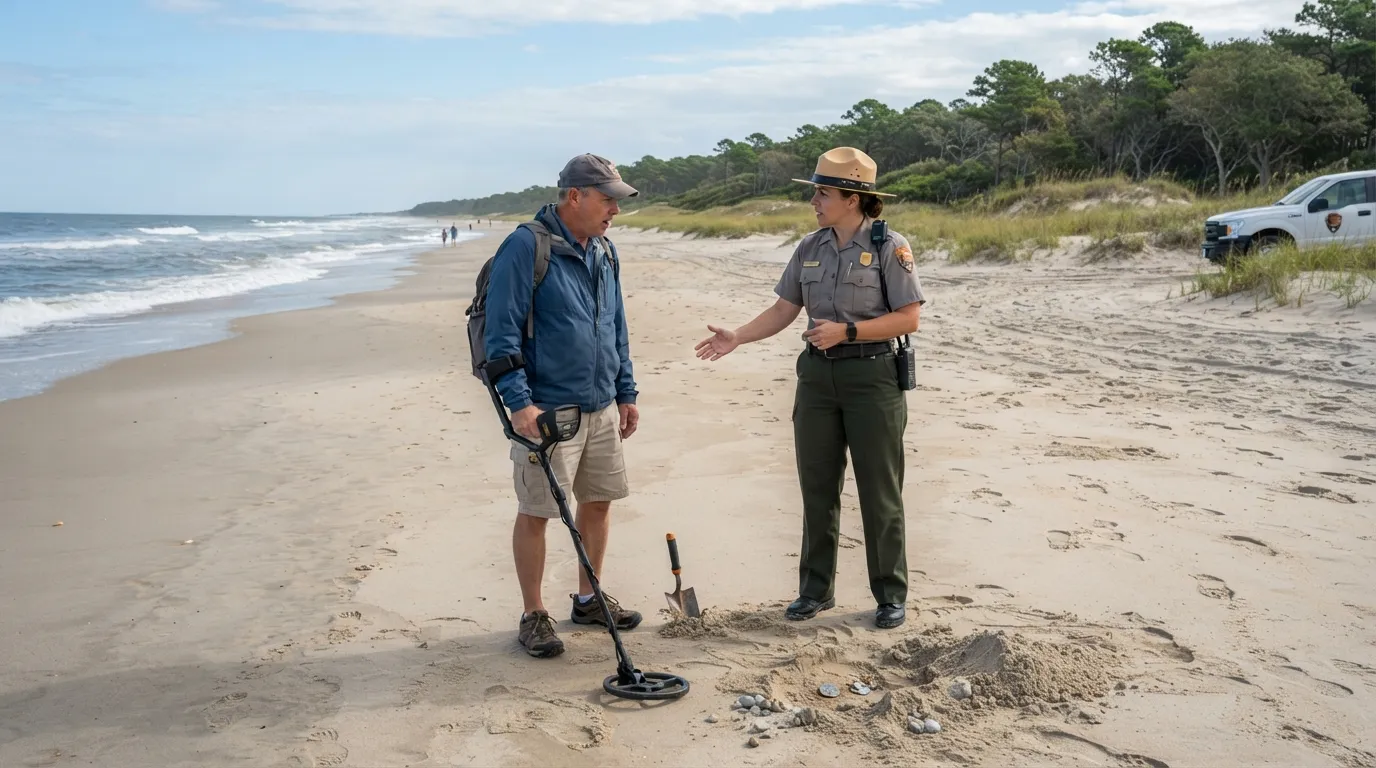
A metal detector looks like a harmless hobby. To park managers it looks like a tool for digging up history that can’t be put back.
Federal park rules prohibit using metal detectors to search for objects, and parks with battlefields, historic sites, or Native American archaeological resources watch for it closely. Digging out a coin or button can be treated as disturbing a protected resource.
Once an artifact is pulled out of the ground, archaeologists lose the context that showed where it was and what it was near. The rule also applies to modern, small detectors, and staying on a trail doesn’t change it.
#14 – Pets Must Stay on a Leash No Longer Than Six Feet
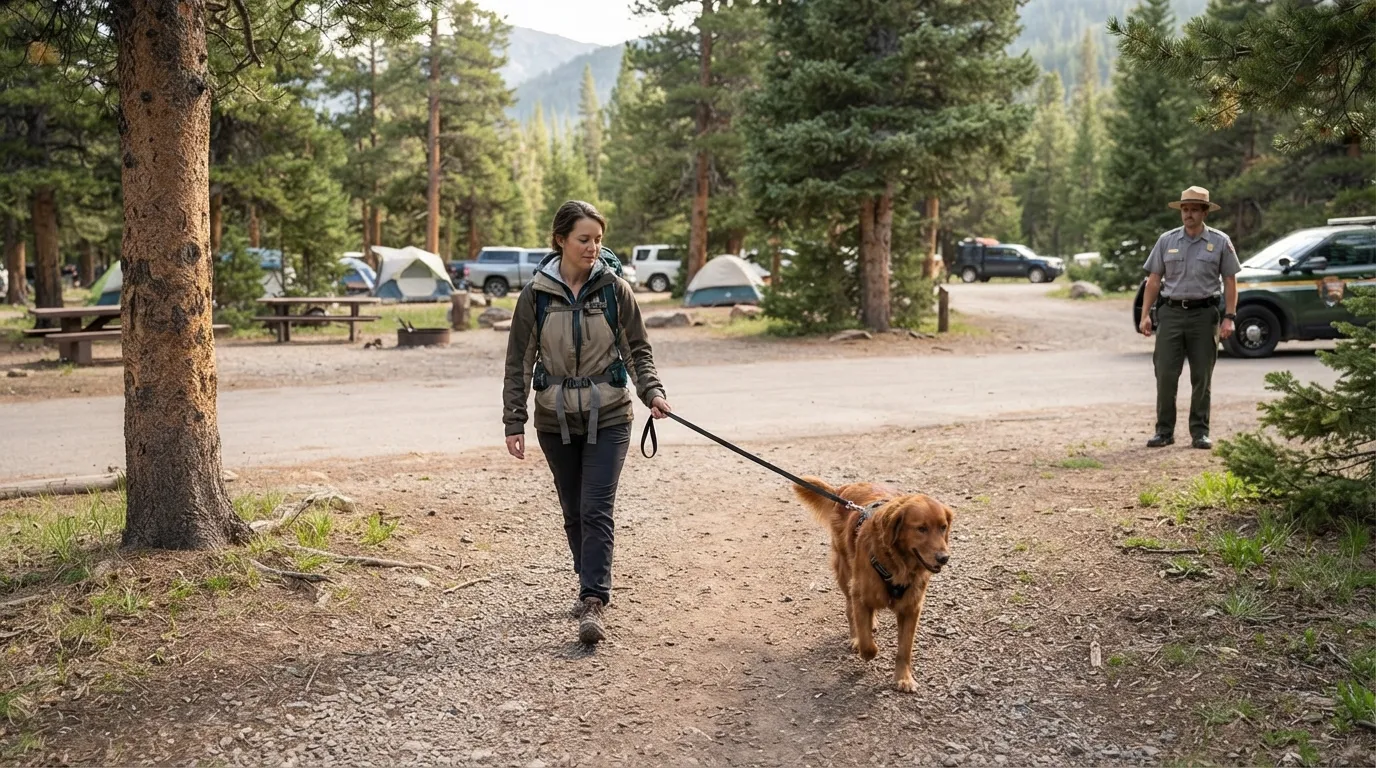
Dog owners are often the most surprised. Under 36 CFR 2.15, pets must be physically restrained on a leash no longer than six feet, and they are usually limited to places like campgrounds, parking areas, and roads.
A calm, well-behaved dog off its leash is still a violation. Rangers cite owners because loose pets can chase wildlife, disturb other visitors, and leave waste behind.
Emotional support animals are treated as pets under these rules. Service animals follow a different set of rules. Some parks add stricter limits, so a dog-friendly travel blog is no substitute for the park’s own pet page.
At a Glance
- Maximum leash length: six feet
- Rule: 36 CFR 2.15
- Usual pet zones: campgrounds, parking areas, and roads
- Emotional support animals: treated as pets
#13 – Cutting a Switchback Can Get You Cited
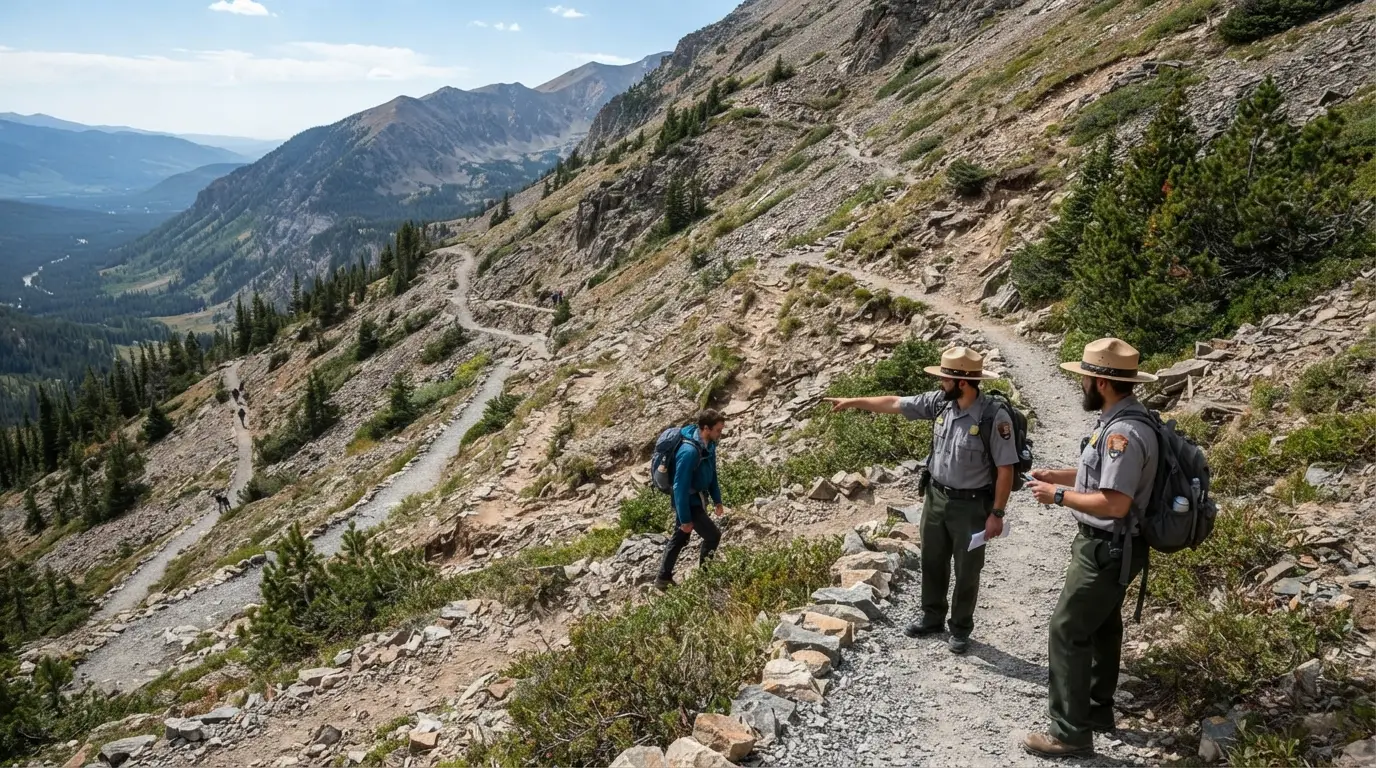
Cutting a corner takes about ten seconds. Fixing the damage can take years.
Park closures and public-use limits under 36 CFR 1.5, plus rules against damaging natural features, let rangers act when visitors leave designated trails in sensitive areas. Compendiums for parks with rare plants, fragile soils, or archaeological sites often back this up.
Rangers also close and restore unofficial paths. The focus is on visible damage and posted restrictions, not on what you meant to do. Saying you were following a game trail won’t help if the path clearly bypasses a closure.
#12 – Using a Light to Spot Wildlife at Night Can Be Prohibited
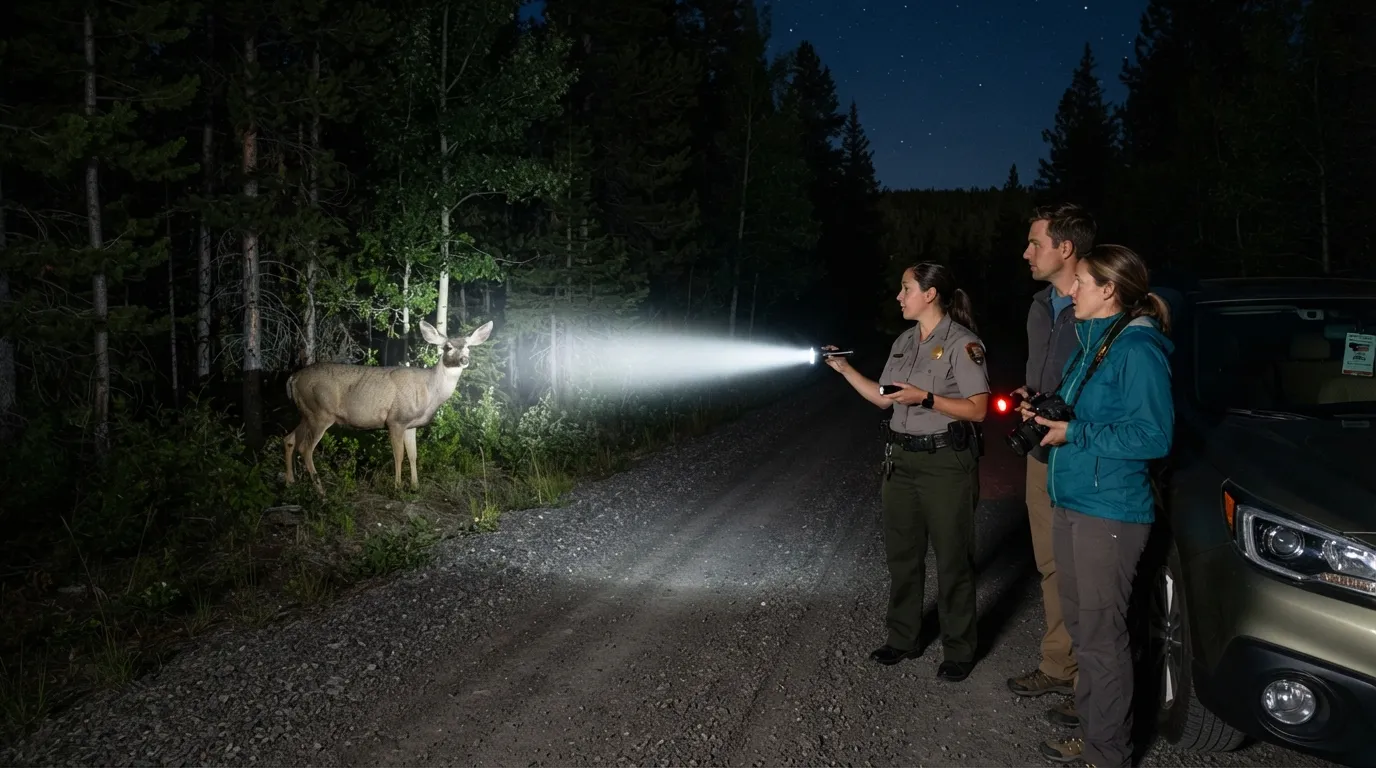
Many people assume a flashlight beam on an animal is harmless. Under 36 CFR 2.2 and park-specific designations, some parks restrict viewing wildlife with artificial light because it can disturb nocturnal animals and nesting birds.
Dusk and dawn are prime times for wildlife viewing, so overlooks and roadsides are common places for this rule to come up. Photographers and night drivers are the most likely to be caught off guard.
The light itself can change an animal’s behavior, even if you never get close. Check the compendium for the park you’re visiting before you go out after dark.
#11 – Large Groups May Need a Permit
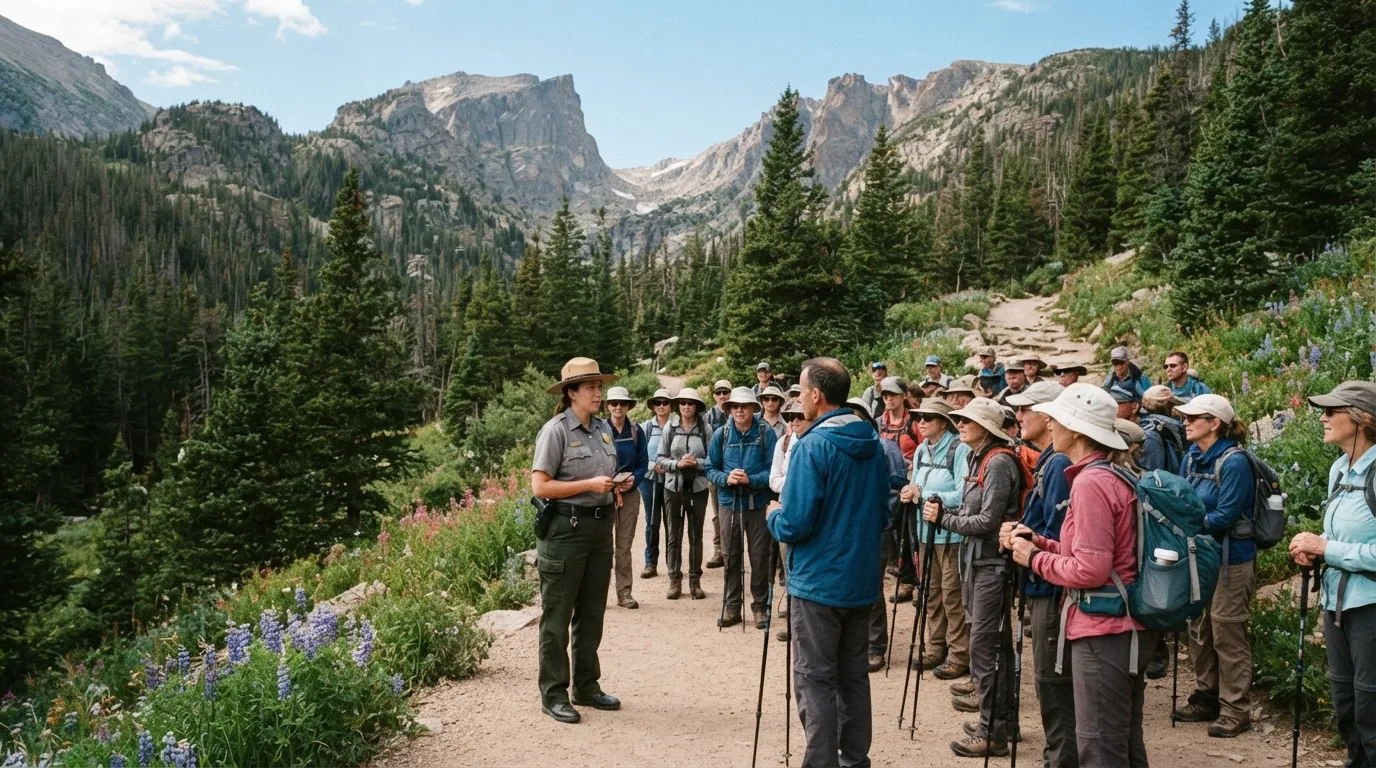
A family reunion or club hike can turn into a permitting issue. Many parks set group-size limits, and some require a permit once a party reaches a certain size, often around 25 people.
The limits protect trails, campsites, and wildlife areas from crowding. Without a required permit, a group can be turned away or cited.
The threshold varies by park and by activity, so the number that applies to you is in the park’s compendium or permit page. Plan ahead, because popular parks can fill their group slots early.
#10 – Backcountry Camping Usually Needs a Permit
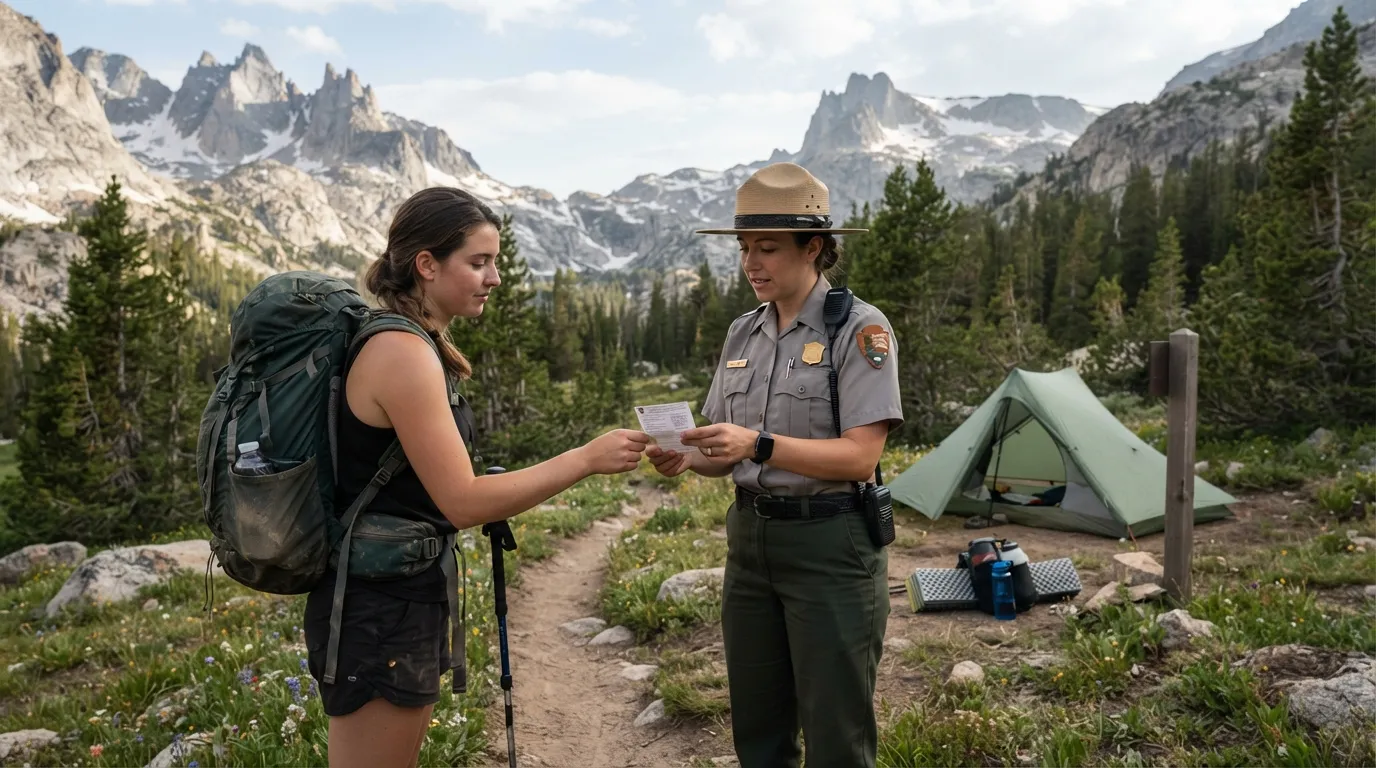
Camping away from developed campgrounds is rarely a show-up-and-pitch-a-tent situation. Most parks require a backcountry permit, often with assigned sites or zones.
Rangers can check permits on patrol and may cite campers who don’t have one. Some parks use quotas that fill months in advance.
The permit also tells the park roughly where you planned to be if something goes wrong. That matters in remote country, where weather and conditions can change quickly.
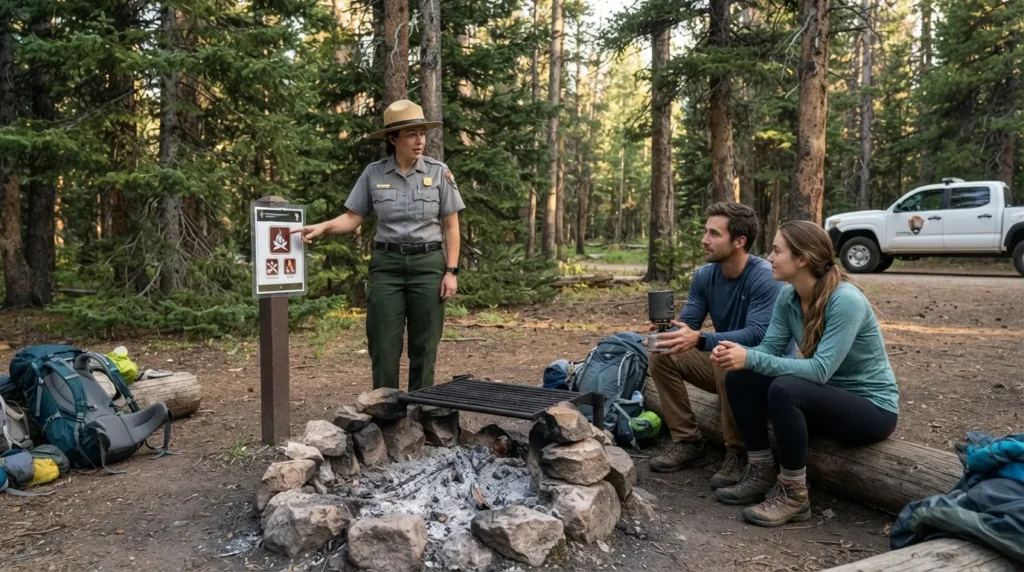
#9 – Campfires Are Only Allowed Where and When the Park Says So
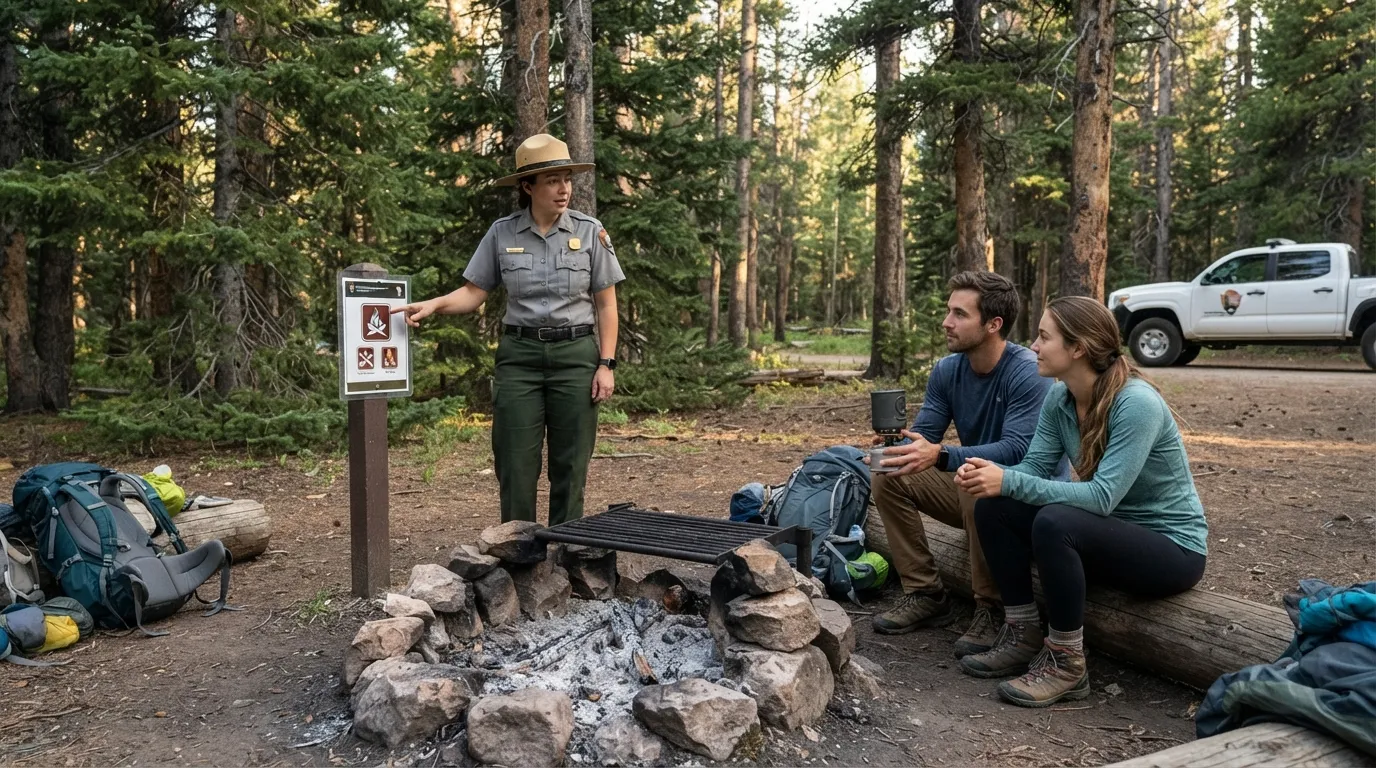
A small fire in a pretty spot seems like a classic park experience, but fire rules are some of the tightest. Under 36 CFR 2.13, fires are generally allowed only in designated places or under conditions the park sets, and many parks require fire grates or established rings.
Wood-gathering limits and seasonal bans add more restrictions. Rangers enforce them because escaped fires and illegal fire rings can cause lasting damage.
Fire restrictions can change with drought and fire danger. A fire that was allowed last summer may be banned this week.
#8 – Many Parks Require Camping Back From Water
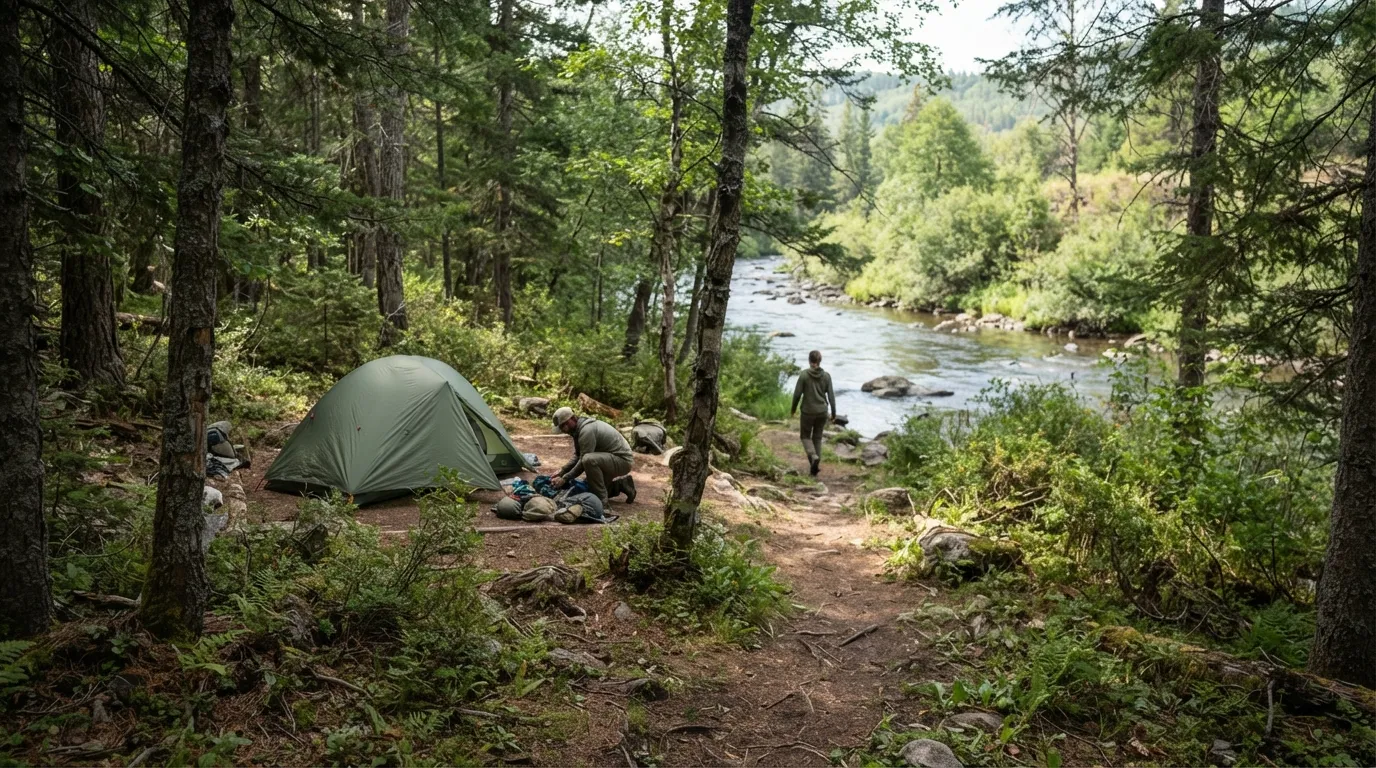
Lakeside and streamside campsites are tempting, which is exactly why many parks set buffers. Depending on the park, backcountry camping may have to be a set distance from lakes, streams, and rivers, and 100 feet is a common figure, though it varies.
The buffer protects water quality and streamside plants from repeated trampling and waste. Rangers can require campers to move or cite them if they set up too close.
The distance isn’t uniform, so check the park’s backcountry rules instead of relying on a number from another park. First-time backpackers are the ones most likely to misjudge it.
#7 – Picking Up Rocks, Antlers, or Plants Is Usually Illegal
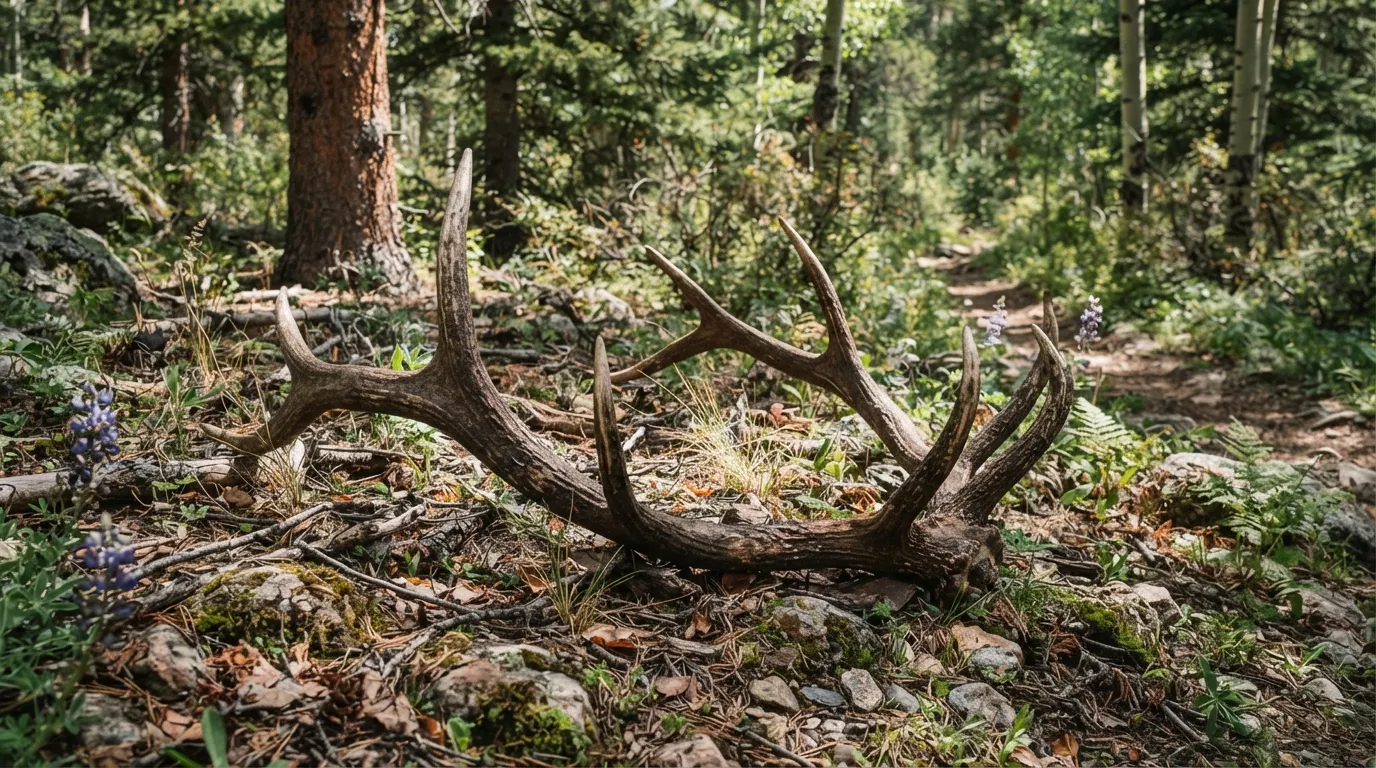
Pocketing a pretty stone or a shed antler feels like taking nothing. Under 36 CFR 2.1, it’s generally illegal to possess, remove, or disturb natural objects such as rocks, minerals, fossils, plants, and animal parts.
There are narrow exceptions. Some parks allow limited gathering of fruits, nuts, or berries by hand for personal use, but only under the park’s rules.
Finding it on the ground doesn’t make it yours. Rangers can seize items and issue citations, because each souvenir removed is one less piece of the park for everyone else.
Worth Knowing
- The rule covers rocks, minerals, fossils, plants, and animal parts.
- Shed antlers count as animal parts, so they usually stay where they fall.
- Berries, fruits, and nuts are the main exception, and only by hand, for personal use, where the park allows it.
- Photographing it is always the safer souvenir.
#6 – Even Legally Taken Game May Not Be Allowed to Cross Park Land
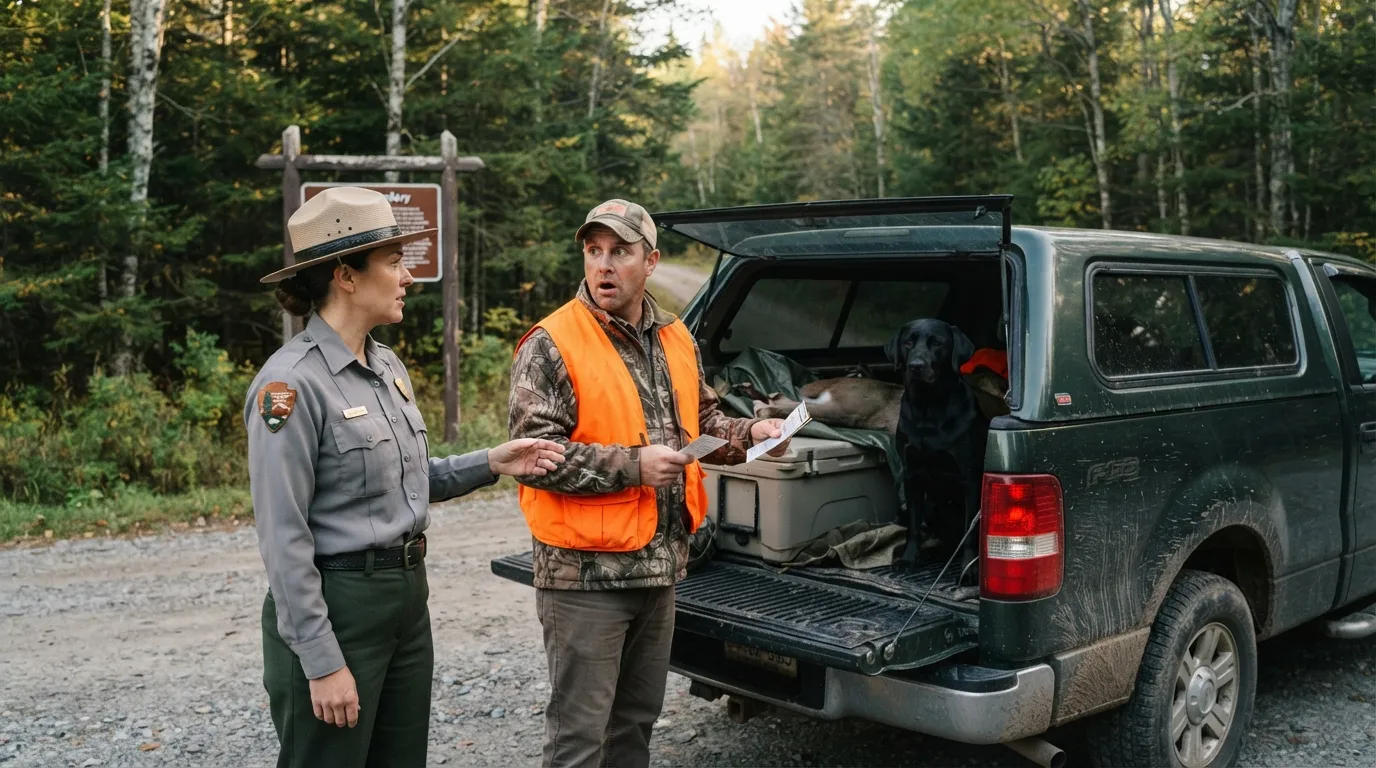
Hunters can be surprised that a state license doesn’t carry the same authority inside a national park. Hunting is allowed only in certain park units where Congress has authorized it, and moving wildlife through park areas can have its own requirements.
Superintendent compendiums can spell out specifics like required routes, notification, or permits. Rangers can inspect for compliance and cite people who don’t follow the park’s conditions.
Anyone traveling with game near a park boundary should confirm the rules before entering. It’s far easier than explaining a mistake at a checkpoint.
#5 – Seasonal Closures Can Shut Down Places You Hiked Last Year
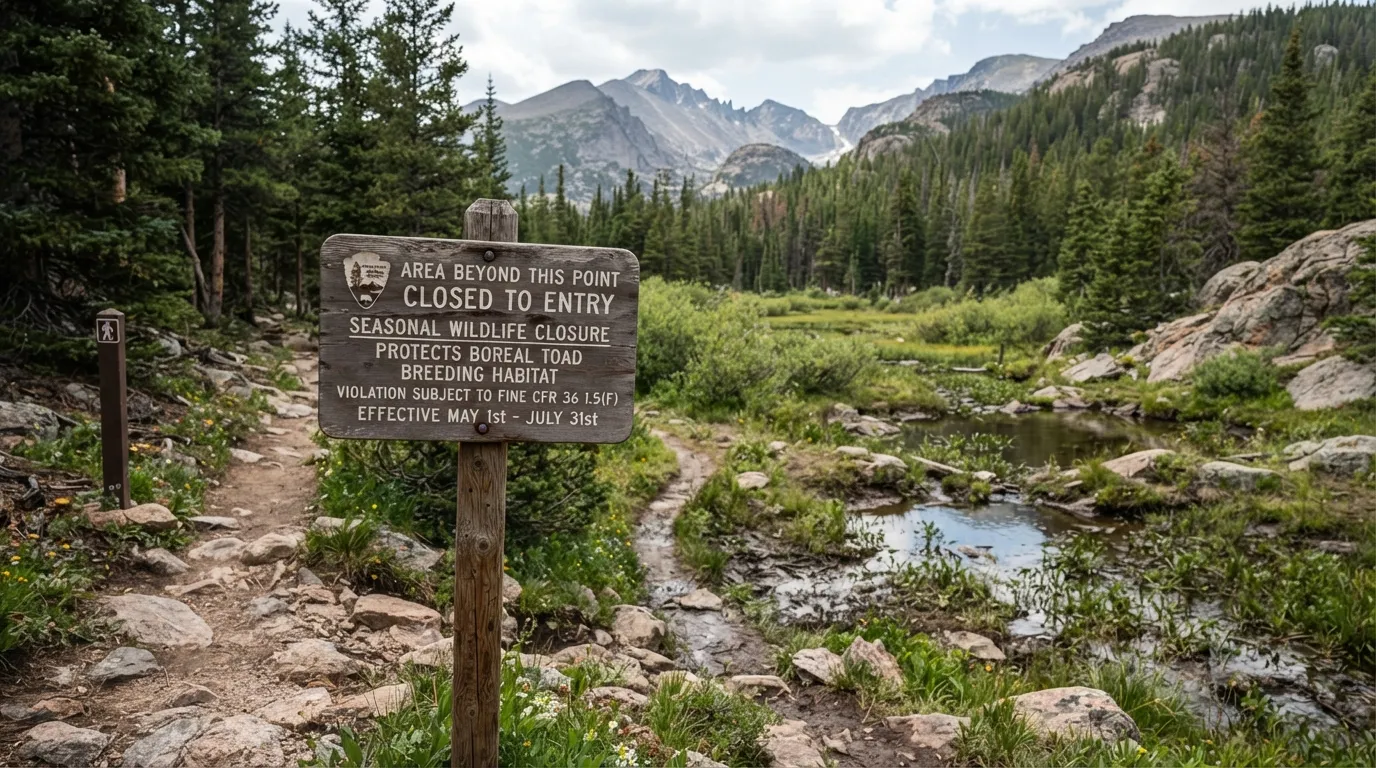
A trail that was open last summer may be closed this year. Parks close lakes, trails, and zones to protect breeding, nesting, and other sensitive wildlife activity, and those closures are listed in the superintendent’s compendium.
Rocky Mountain National Park’s compendium, for example, includes closures meant to protect boreal toad breeding areas. Rangers post signs and can cite visitors who enter closed areas.
Old guidebooks and apps are a common reason people end up inside a closure. Look for current official information before you rely on a route.
#4 – Food Storage Rules Are Strictest Where Bears Live
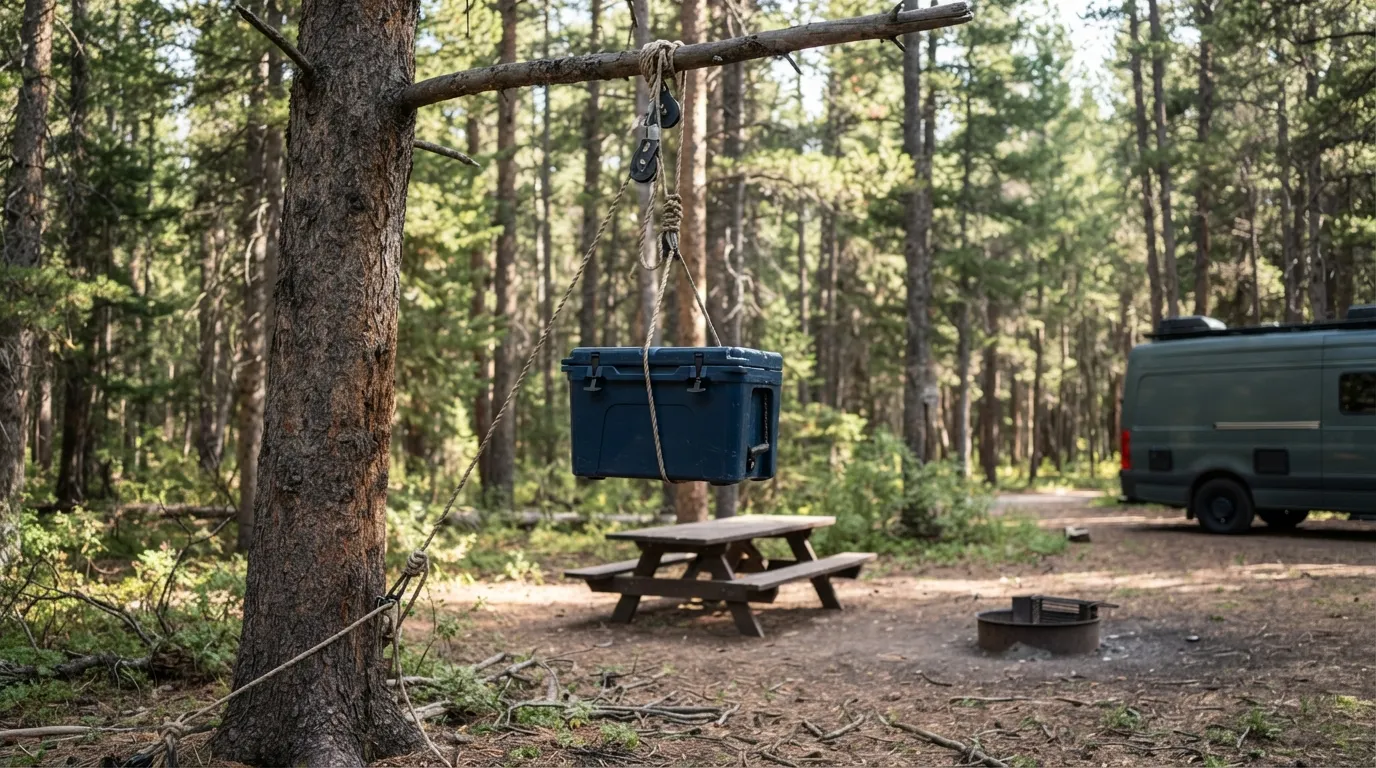
In bear country, a cooler left on a picnic table isn’t a small mistake. Park rules, including 36 CFR 2.10, require food, garbage, and other attractants to be stored properly, and many parks require approved bear-resistant containers or hard-sided vehicles.
Some parks also describe hanging methods, such as keeping items well above the ground and away from tree trunks. Heights and distances vary by park. Many parks follow the Interagency Grizzly Bear Committee’s list of certified products.
Bears that learn to get human food can become dangerous, and that can end with the bear being relocated or killed. That is why rangers treat unattended food as more than a housekeeping problem.
#3 – Wildlife Distance Rules Aren’t Just a Safety Tip
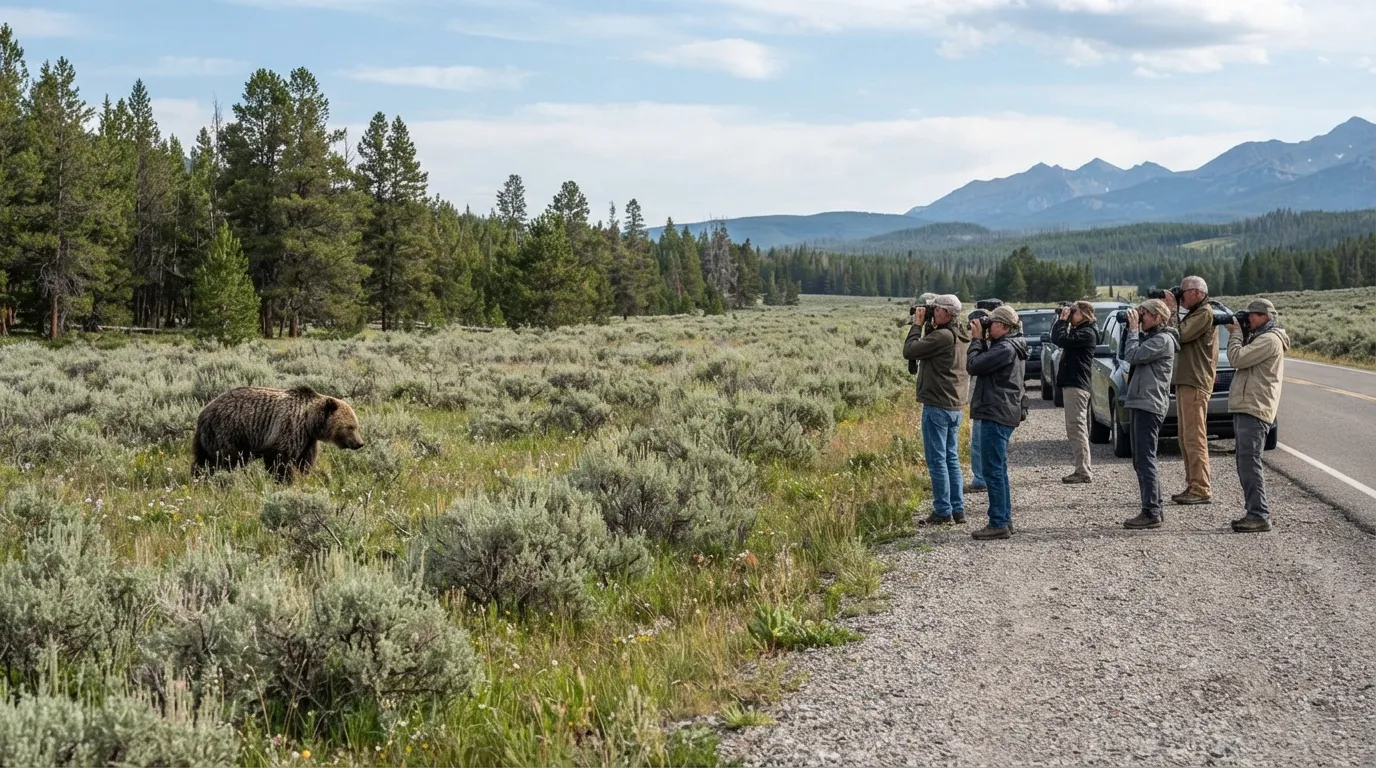
The photo gets worse the farther away you stand, which is why so many people creep closer. Parks set minimum distances. In Yellowstone and Grand Teton, for example, the standard is 100 yards from bears and wolves and 25 yards from most other wildlife.
Under 36 CFR 2.2, approaching wildlife so closely that it disturbs the animal can be a violation. The distance numbers are guidance for how to avoid that, but rangers can also cite behavior that harasses an animal.
If an animal changes what it’s doing because of you, you’re too close. Staying on the road or trail doesn’t excuse that.
Quick Compare
- Bears and wolves: stay at least 100 yards away in Yellowstone and Grand Teton.
- Most other wildlife: stay at least 25 yards away in those same parks.
- Other parks: distances can differ, so check the park’s own wildlife page.
#2 – Feeding Wildlife Is a Federal Violation
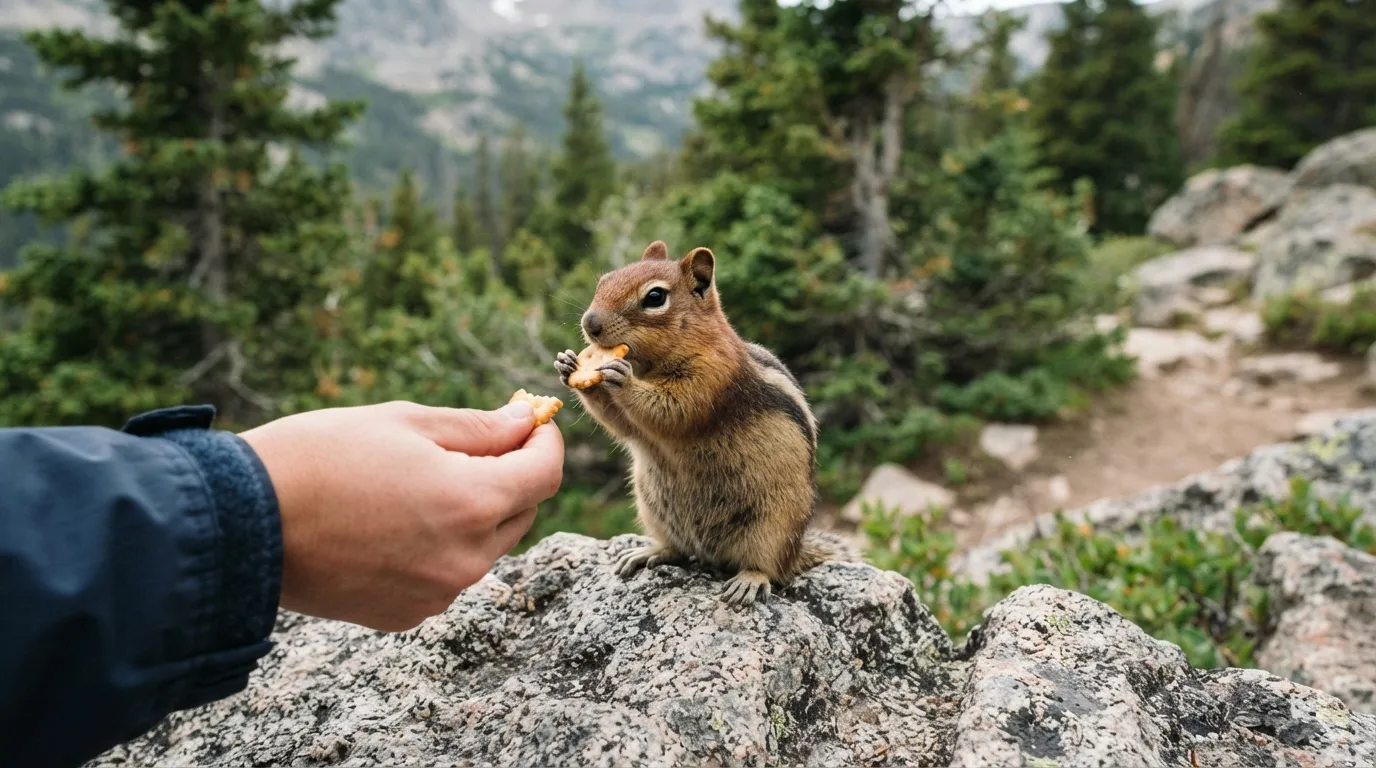
Tossing a cracker to a chipmunk can feel like a kindness. Under 36 CFR 2.2, feeding, touching, teasing, frightening, or intentionally disturbing wildlife is prohibited.
That includes the small stuff, like a scrap of food dropped on purpose or getting close enough to scare a nesting bird. Rangers can cite visitors, and animals that learn to expect people’s food often end up in danger.
There is no “harmless” exception. The rule is one of the most basic in the park system, and it connects to many of the others on this list.
#1 – Drones Are Banned in National Parks
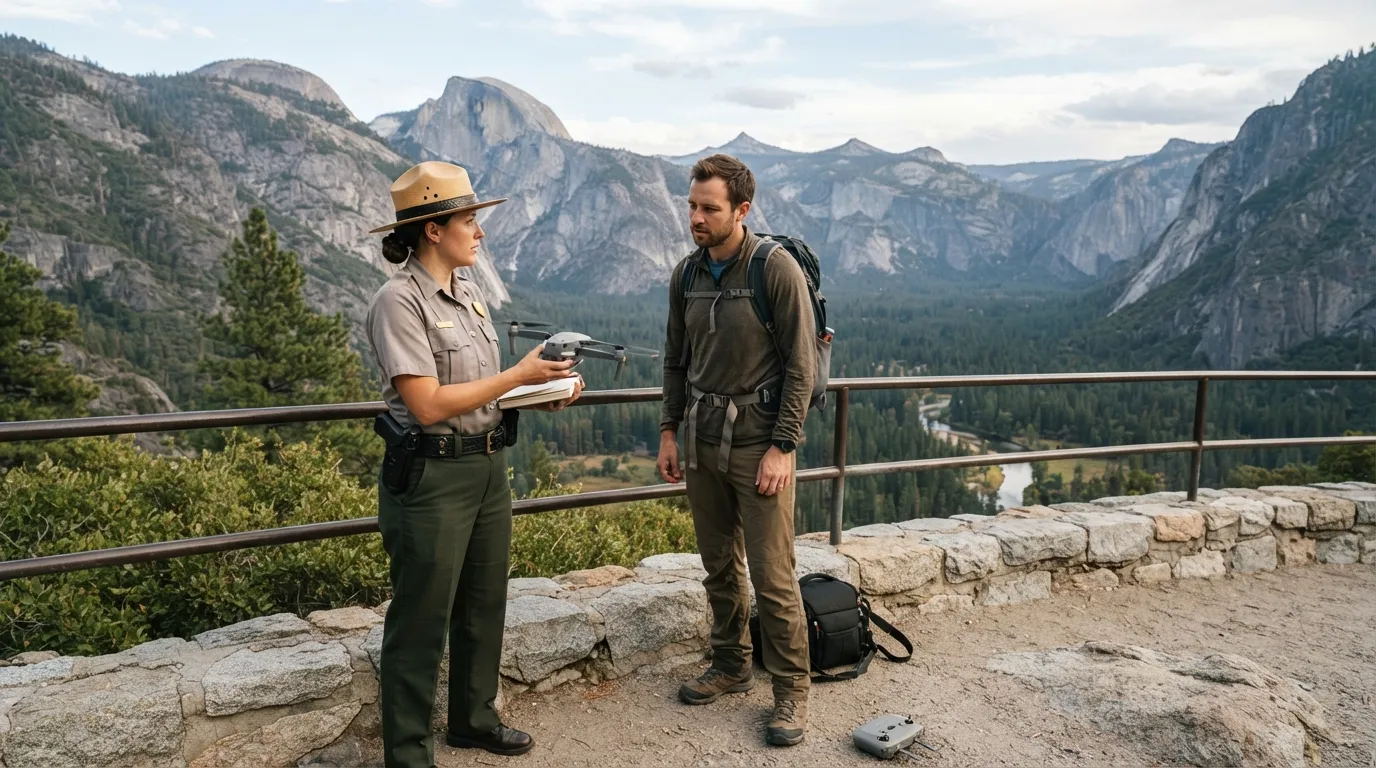
It might be the easiest rule to underestimate, because drones are small, common, and sold everywhere. National Park Service Policy Memorandum 14-05, issued under federal regulations including 36 CFR 1.5, prohibits launching, landing, or operating unmanned aircraft on lands and waters administered by the National Park Service.
Rangers can cite operators and may confiscate equipment. The Park Service cites concerns about wildlife disturbance, noise, and visitor safety.
Exceptions are limited, such as approved administrative or research use with written authorization from the superintendent. A flight that takes thirty seconds can leave a visitor with a citation and no drone.
Fast Facts
- The policy is NPS Policy Memorandum 14-05, issued in June 2014.
- It covers launching, landing, and operating a drone.
- Possible consequences include a citation and confiscated equipment.
- Exceptions require written authorization from the superintendent.
What ties these rules together is that most of them protect something that can’t be replaced once it’s damaged, whether that’s an artifact, a trail, a nesting site, or a wild animal’s fear of people.
Which of these rules have you seen enforced in person, or which one surprised you most? Drop your experience in the comments.
CEO-Co-Founder