- 15 Banned Books That Became School Staples - October 22, 2026
- 16 Sitcoms That Replaced Their Lead Actor and Stayed on Air - October 22, 2026
- 17 Things Nobody Tells You About Airport Overnight Stays Until the First Delay - October 22, 2026
Most people assume a hit TV show locks in its original cast for the long run, but production records show that complete ensemble replacements after season one have happened more often than expected in certain formats. The data from long-running series reveals these overhauls often stem from creative resets, actor availability, or network decisions rather than gradual exits. Here’s what the documented cast records actually say.
#18 – The Munsters Today Swapped Its Classic Family Overnight
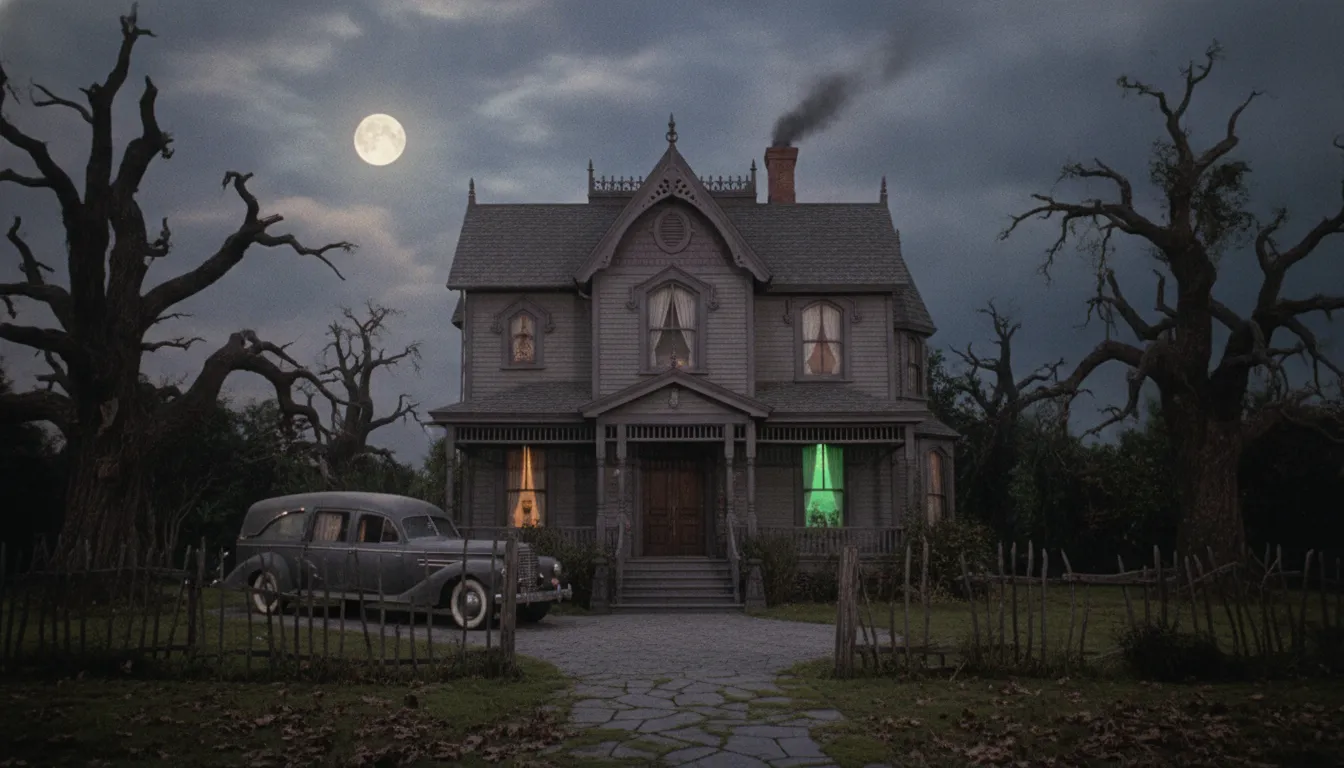
The 1988 revival, The Munsters Today, brought in an entirely new cast. No original actors from the 1960s version returned in the main roles. John Schuck and Lee Meriwether took over as Herman and Lily Munster, giving the iconic monster household fresh interpretations.
The revival ran three seasons and 72 episodes in first-run syndication. Viewers tuned in at first out of nostalgia, but it never matched the original’s charm. The complete cast change meant no continuity with the beloved 1960s performances. Later syndication treated it as a separate entity. But that’s nothing compared to what we found about #17…
#17 – Being Human UK Reset Its Supernatural Roommates
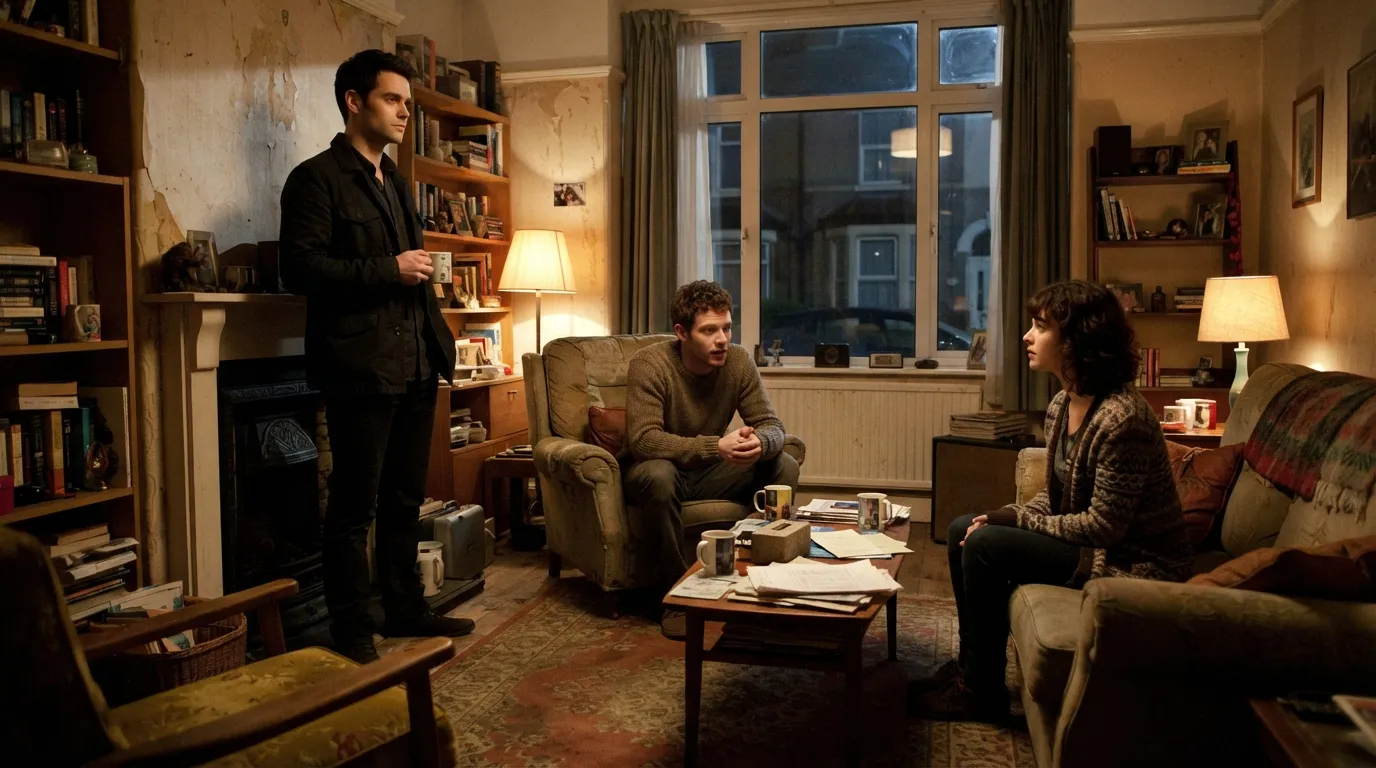
The UK version of Being Human started with a vampire, a werewolf, and a ghost sharing a house. Over five series, the trio was gradually rebuilt. Aidan Turner’s vampire exited first, and Russell Tovey’s werewolf followed. Michael Socha and Damien Molony arrived as new supernatural housemates.
Fast Facts
- Original trio: Russell Tovey, Aidan Turner, and Lenora Crichlow
- Turner left after series three, and Tovey after series four
- Socha and Molony joined as new werewolf and vampire leads
- Crichlow’s ghost, Annie, was the one constant to the end
The format proved flexible enough to support major cast turnover without ending the show. Later seasons leaned more into standalone stories, and the series wrapped after five series. But that’s nothing compared to what we found about #16…
#16 – Skins UK Introduced Fresh Teen Casts Every Two Seasons

British teen drama Skins deliberately cycled out most of its main cast every two series, creating distinct generations. The first generation left after series two. A new group of characters and actors followed for series three and four, and a third generation came after that.
This approach let the show run through 2013. Critics noted the reset kept storylines fresh but lost some original fan investment. Almost no characters carried over between generations. Effy Stonem, introduced as a younger sister, was the bridge between the first two. The strategy influenced other youth-oriented series. But that’s nothing compared to what we found about #15…
#15 – Misfits Lost Its Original Superpowered Crew by Season Four
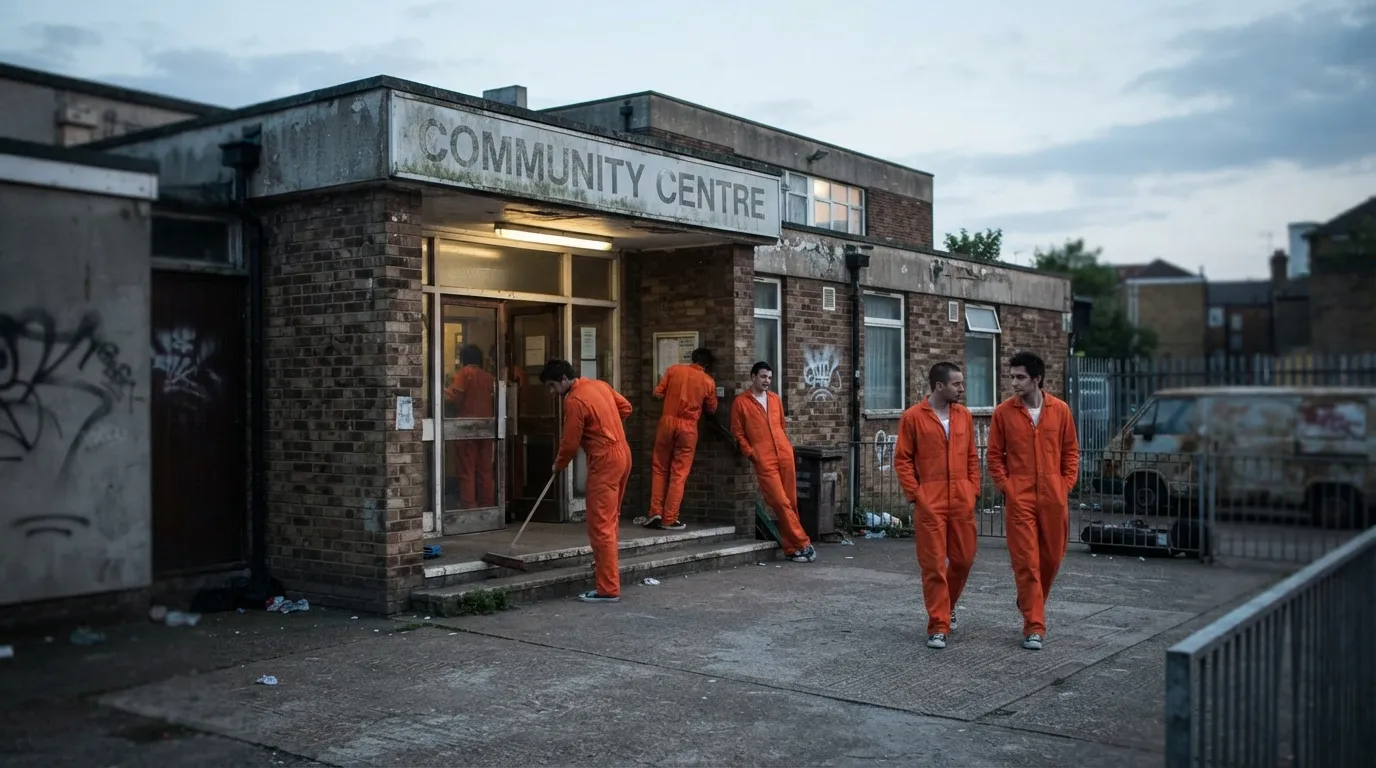
Channel 4’s Misfits saw most of its season-one cast depart over seasons three and four. By the end of season four, most of the original five were gone. New characters filled the probation community with powers.
Worth Knowing
- The show ran five series, from 2009 to 2013
- The original leads included Robert Sheehan, Iwan Rheon, Antonia Thomas, Lauren Socha, and Nathan Stewart-Jarrett
- Joseph Gilgun’s Rudy joined as a new face in series three
- Each wave of departures was written into the story rather than hidden
The show completed five seasons despite the turnover. Viewers adapted, though some felt the early chemistry was irreplaceable. The revolving door became a defining feature rather than a one-time reset. But no show has done it for longer than #1…
#1 – Doctor Who Pioneered the Full Cast Overhaul Model
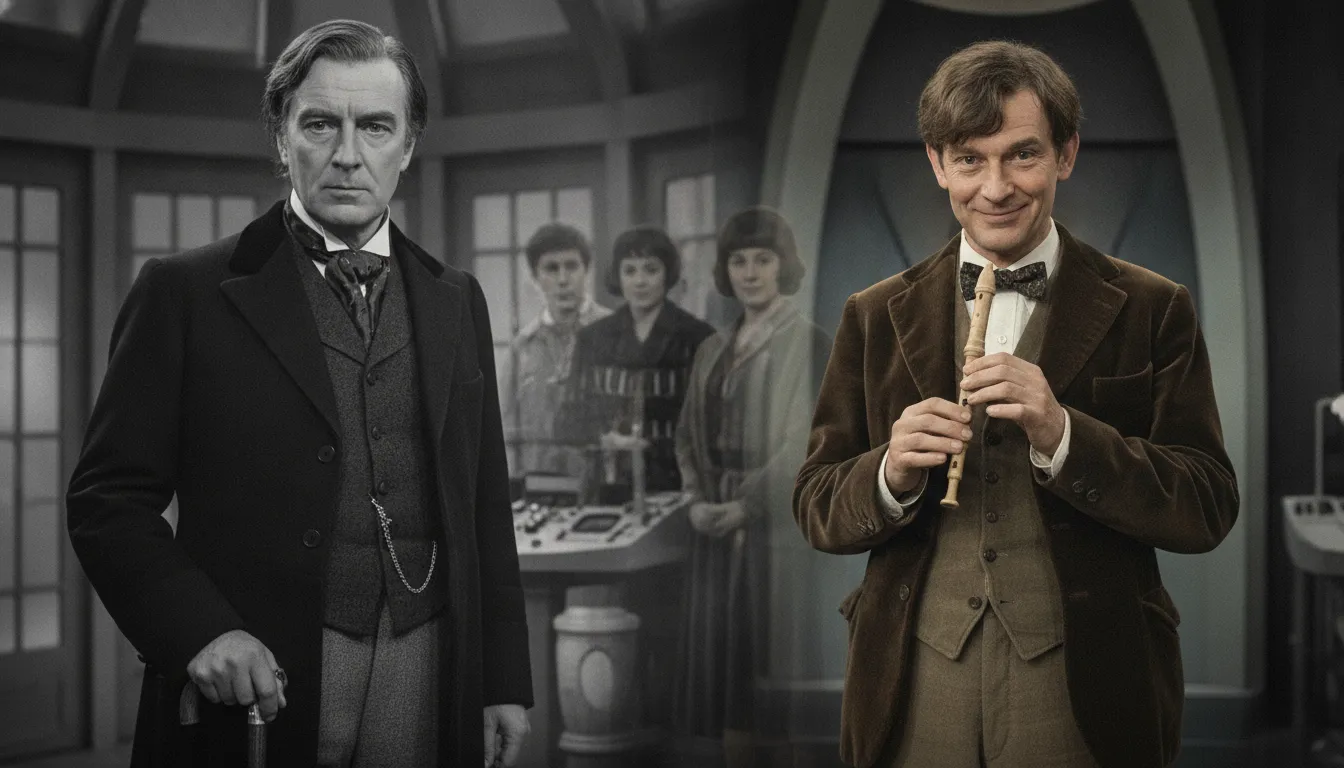
The longest-running example, Doctor Who, replaced its original companions and eventually the Doctor himself within its first few years. William Hartnell’s Doctor regenerated into Patrick Troughton, while Carole Ann Ford, William Russell, and Jacqueline Hill exited early.
Quick Compare
- First Doctor: William Hartnell, 1963 to 1966
- Second Doctor: Patrick Troughton, 1966 to 1969
- Original companions: Ford left in 1964, while Russell and Hill left in 1965
The format allowed the series to continue for decades. This established regeneration as a built-in mechanism for cast changes. Later Doctors and companions followed the same pattern multiple times. The show survived and thrived precisely because the entire core group could be refreshed without ending the premise. It remains the clearest model for sustained ensemble replacement.
The Bottom Line
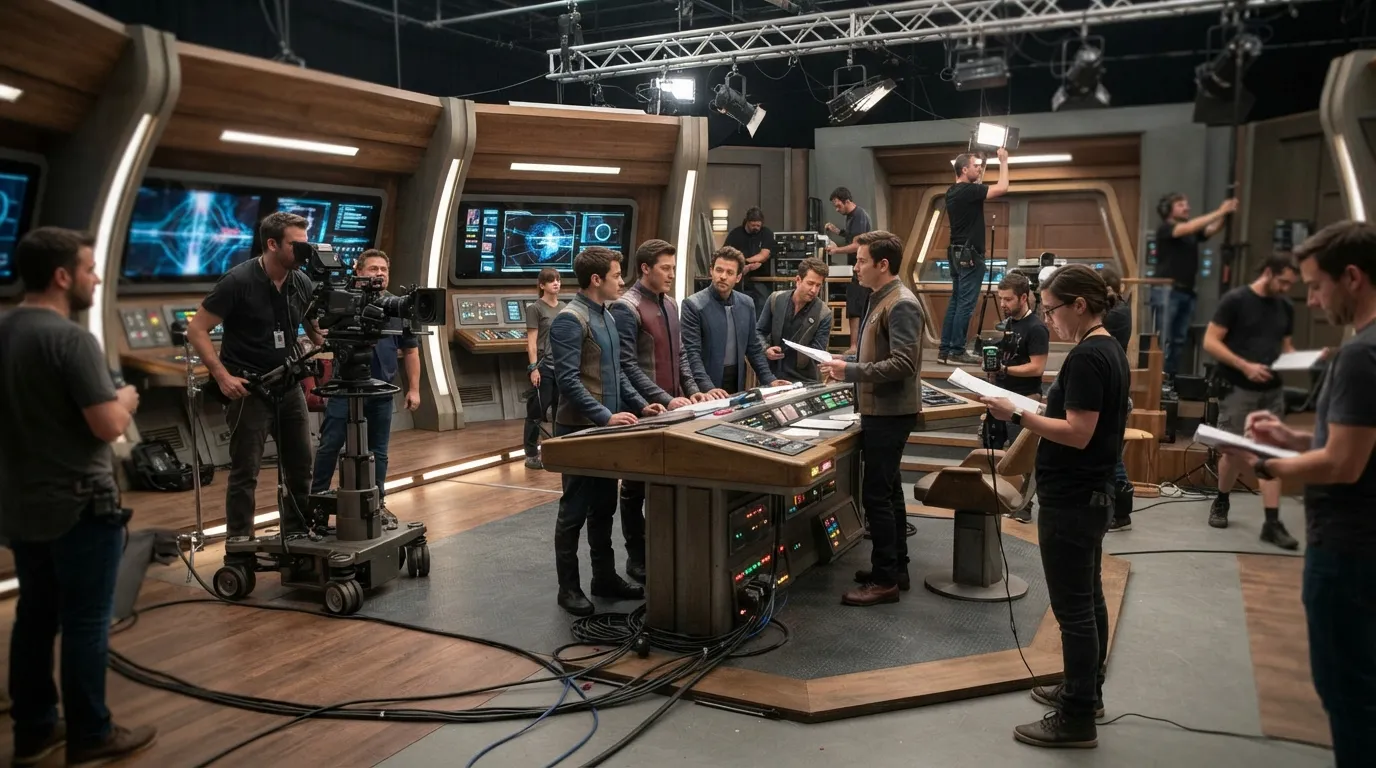
Production records across multiple series demonstrate that major cast replacements, while uncommon in traditional network procedurals, have sustained shows in sci-fi, teen drama, and supernatural genres. The most successful cases treat the reset as a feature that refreshes story potential rather than a disruption.
Viewers who expect fixed ensembles often overlook how these changes extend runtimes beyond what a single group could support. Did we miss one? Drop it in the comments.
CEO-Co-Founder